
 Sign in
✦ Culture · London
London's Best Tailoring Rails
An oversized blazer from the eighties or nineties has a shoulder line nothing on the high street can match. The wool is heavier, the canvas inside is real, and the cut was made to be worn open and loose.
 By Louis Trash·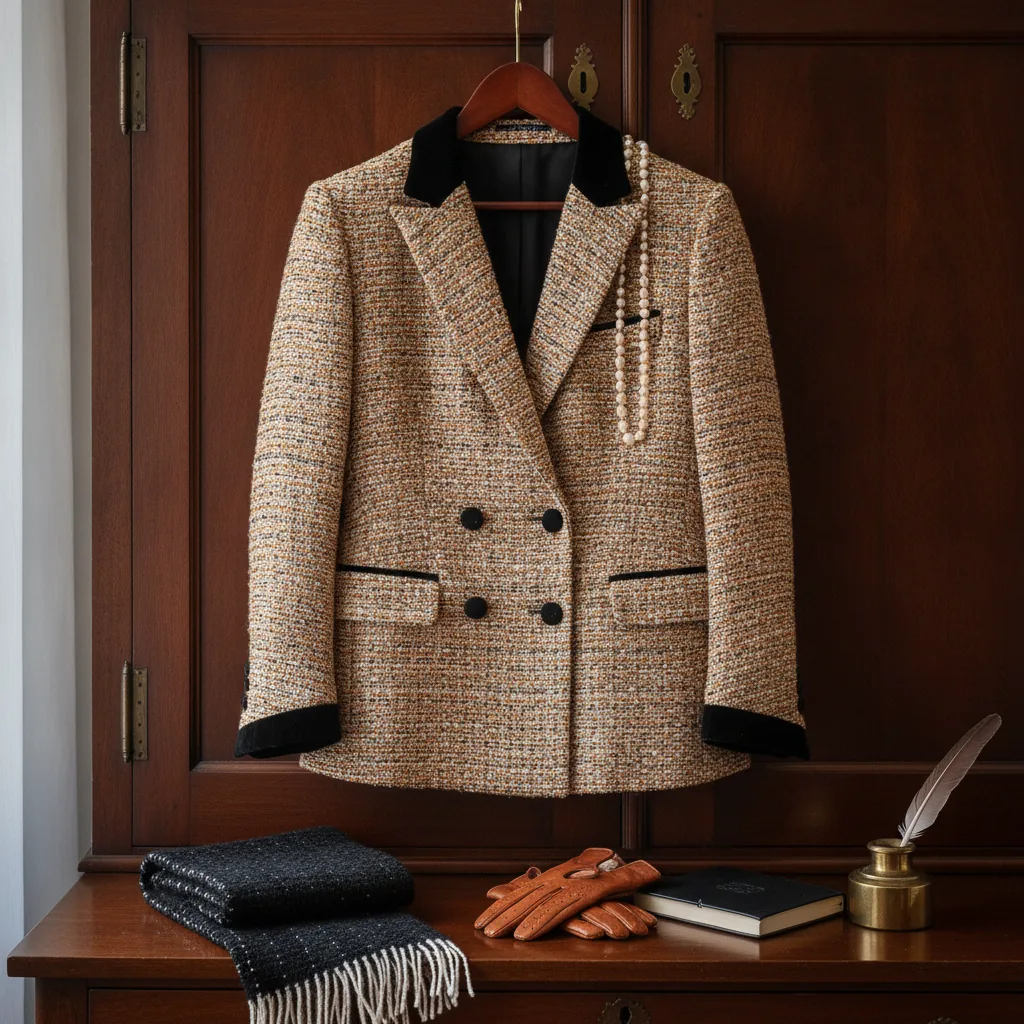
Why Blazers Matter Now
An oversized blazer from the eighties or nineties has a shoulder line nothing on the high street can match. The wool is heavier, the canvas inside is real, and the cut was made to be worn open and loose. I own a 1987 Armani double-breasted in a chalk-striped wool that feels like a suit of armour tailored for a lazy Sunday. High street versions are cut from flimsy synthetics that crease in the elbows and collapse at the collar. Vintage holds its shape because it was built to last decades, not seasons.

Foto: Liudmyla Shalimova · Pexels
That means scuffed Chelsea boots, a faded band tee, worn-in Levi's. The blazer is the anchor, not the whole outfit. It adds structure without formality, polish without stiffness. That's the London way: effortless but deliberate, a bit rough around the edges.
How to Wear It
Push the sleeves up. It instantly stops a big blazer looking borrowed. Roll them twice, maybe three times, and let the lining flash. That's a deliberate style choice, not a sign of a bad fit. It also shortens the line, which helps if you're under six feet.
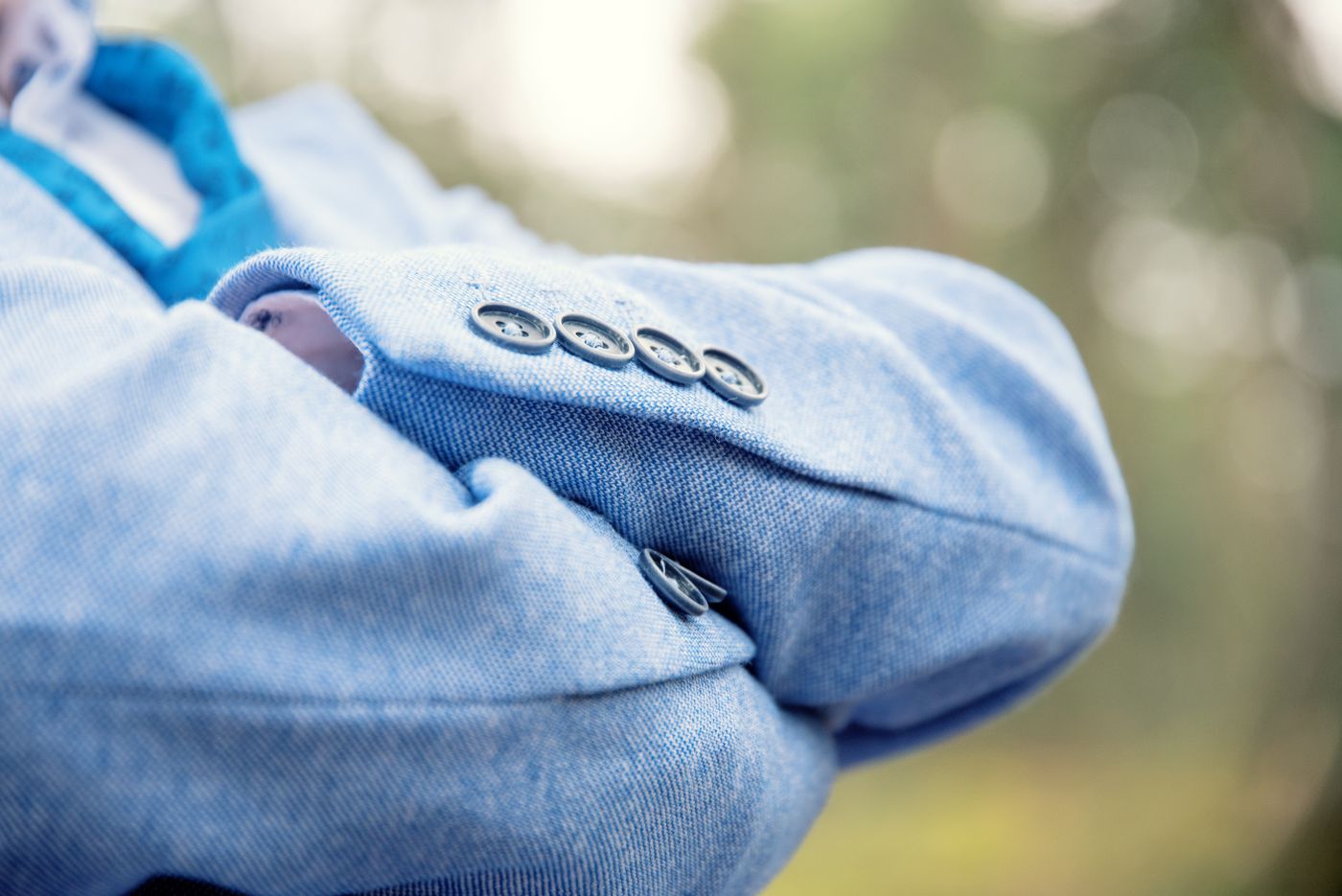
Foto: Robin Godefridi · Pexels
Wear it with denim and a plain tee before you ever wear it with matching trousers. A vintage blazer with jeans is a classic London uniform: think Steve McQueen in Bullitt, but with a bit more grime. Dark slim jeans, a white or black tee, and the blazer over the top. No tie, no pocket square, no fuss. Trainers work, boots work, loafers work if you're feeling fancy.
If the shoulder fits, everything else can be tailored. If it does not, walk away. Shoulders are the hardest and most expensive adjustment, often impossible without ruining the sleeve head. So try it on, move your arms, and make sure the shoulder seam sits exactly at the edge of your shoulder bone. Sleeve length, waist suppression, even the lapel width can be altered by a good tailor. But a shoulder that's off? Forget it.
Where to Find Yours in London
- Rokit Brick Lane (101 Brick Lane) — dependable, huge, strong on denim and outerwear, from around £20. You'll dig through racks of eighties leather jackets and nineties sportswear, but the blazers are there if you're patient. I found a 1990s Yves Saint Laurent in grey flannel for £25 once. It needed a £40 alteration, but it was still a steal.
- Blitz London (55-59 Hanbury Street) — department-store scale, everything properly sorted, from around £45. They have a dedicated tailoring section with pieces from Savile Row, Armani, and even some Italian makers like Belvest or Zegna. The staff actually know their stock, so ask them what came in that week.
- Portobello Road Market (Portobello Road, Notting Hill) — Friday and Saturday for the serious dealers, from around £60. Several stalls specialise in vintage tailoring, and you'll find genuine 1980s power suits with those brutal shoulder pads. Go early, before the crowds and the tourists snap up the best bits. Cash is king here; some dealers won't take cards.
- Retromania (6 Upper Tachbrook Street) — charity-shop prices, genuinely good finds, from around £90. It's a tiny shop near Victoria Station, but they have a surprisingly deep rack of blazers. I picked up a 1980s Jaeger tweed there for £45. It had a small moth hole, but a patch in the lining fixed it for a tenner.
Go on a weekday morning if you can. The rails are fullest before the weekend crowd arrives, and staff have time to show you what came in overnight. Tuesday and Wednesday are the best bets after the weekend market stock shifts. Avoid Monday mornings; everyone's hungover and the sorting hasn't happened yet.

Foto: Ketut Subiyanto · Pexels
What to Look For
Pinch the lapel: if you can feel a separate floating layer between the wool and the lining, it is canvassed and worth the money. That canvas gives the jacket structure and helps it drape properly. Half-canvassed is acceptable, but fused (where the interlining is glued) is a no-go for longevity. You'll feel the difference: fused feels stiff and cardboard-like, canvassed feels supple and moulds to your body.
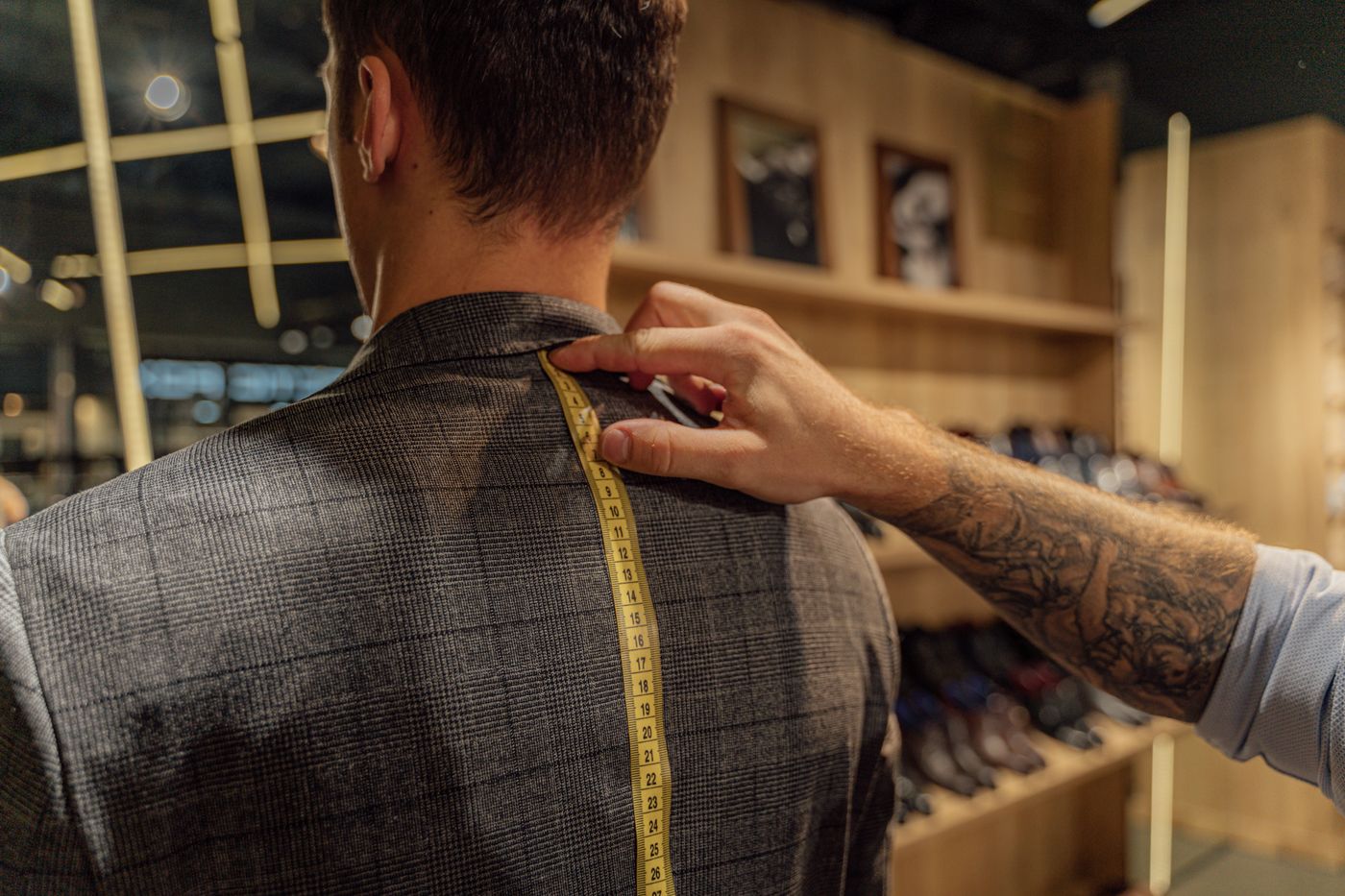
Foto: Antoni Shkraba · Pexels
Check the lining under the arms for splits. That's the first place to go, and it's a pain to repair because the armhole is tricky to reach. Also, look at the buttons — horn and metal beat plastic. Horn buttons have a natural swirl and depth; plastic looks cheap and often breaks. Metal buttons are a bonus, especially if they're engraved or have a maker's mark.
Give the wool a sniff, because heavy smoke never fully leaves an old jacket. That smell is nearly impossible to remove without dry cleaning, and even then it lingers. If it's musty, that might be mildew, which is another red flag. So trust your nose. If it smells like your gran's wardrobe, walk away.
One last thing: try it on properly, walk around in it, and sit down. A vintage blazer that only works standing still is not going to survive your actual life. Raise your arms, reach for something, sit in a chair. If it pulls across the back or digs into your armpits, it's not the right fit. A good blazer should feel like a second skin, not a straitjacket.
The Tailoring Anecdote
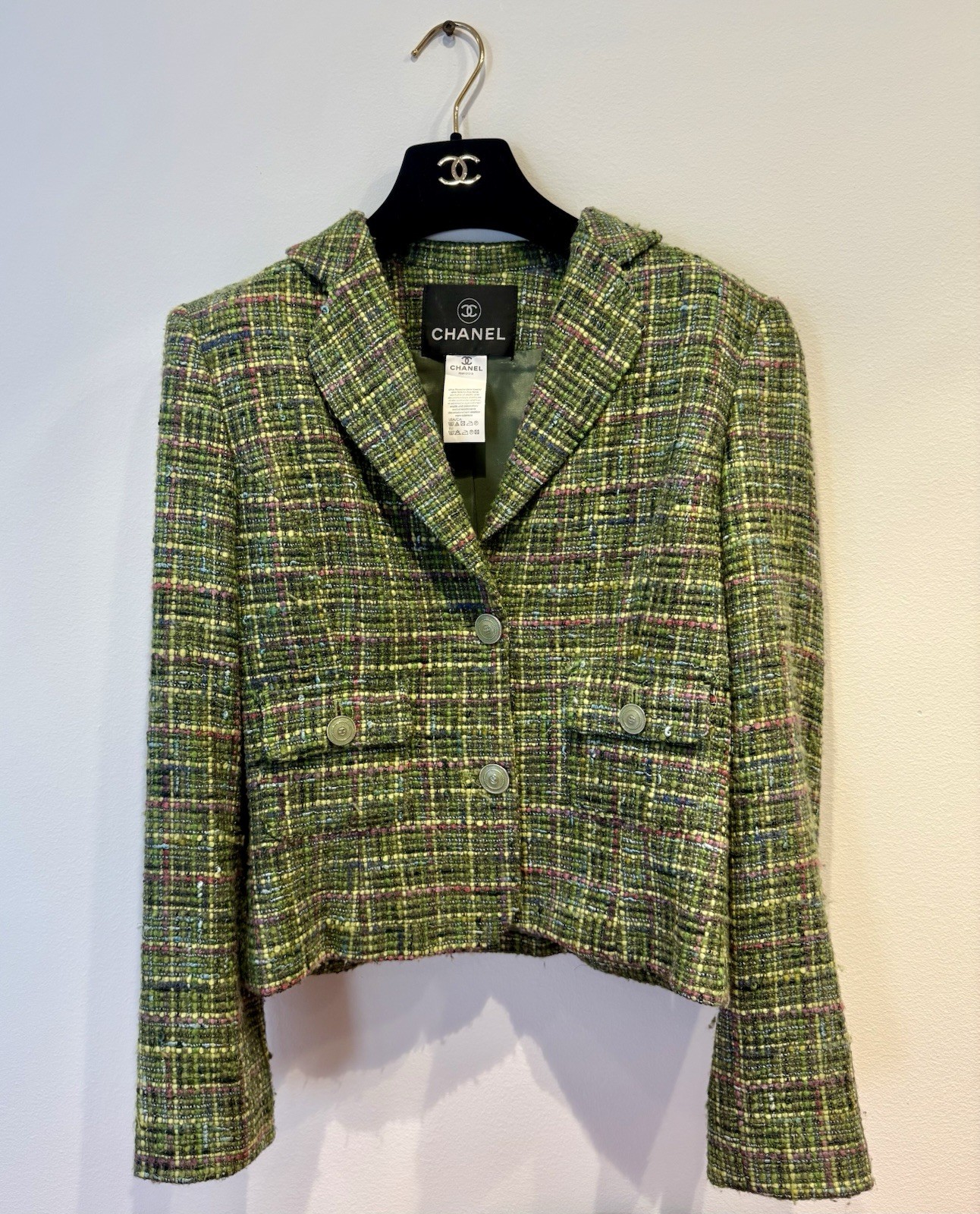
Giorgio Armani revolutionised the blazer in the early 1980s. He deconstructed the jacket, removing the heavy padding and stiff lining, creating a softer, more fluid silhouette that draped over the body. That was a radical departure from the boxy, structured suits of the 1970s. His blazers had a slouchy elegance that made them perfect for the modern office and the weekend alike. When he came to London in 1982 for his first show, the fashion press called it a 'revolution in tailoring'.
That's why a vintage Armani from that era is so coveted. It's not just old clothing; it's a piece of design history. And you can find one in London for under £100 if you know where to look. The key is to check the label: 'Giorgio Armani' (the main line) is higher quality than 'Armani Collezioni' or 'Emporio Armani', which were diffusion lines. The main line has better wool, better tailoring, and it's worth the extra pennies.
Another name to watch is Margaret Howell. She's a British designer who's been making quietly perfect blazers since the 1970s. Her aesthetic is understated, utilitarian, and very London. A vintage Howell blazer is a rare find, but they pop up in places like Blitz or Portobello. They're often in muted earth tones, with a slightly boxy cut that's both timeless and modern. If you see one, grab it.
The Final Word
Finding the right vintage blazer in London is a treasure hunt, but the prize is a garment that will outlast anything on the high street. It's about patience, a keen eye, and a willingness to dig through crowded rails. But when you find that perfect piece, it'll feel like you've discovered a secret. It'll be the first thing you reach for, the thing that makes you feel put together without trying too hard. And that's the essence of London style: effortless, individual, and with a story to tell.
Get the look
Get the look
The pieces that make this story wearable, live from the market.
The names
The designers behind the look
The minds behind this story — each with a piece currently on the market.
Armani
Italy · 1970s
The power suit & soft tailoring
The power suit & soft tailoring
Top piece
View →
Gucci
Italy · 1920s
The bamboo handle & the double-G
The bamboo handle & the double-G
Top piece
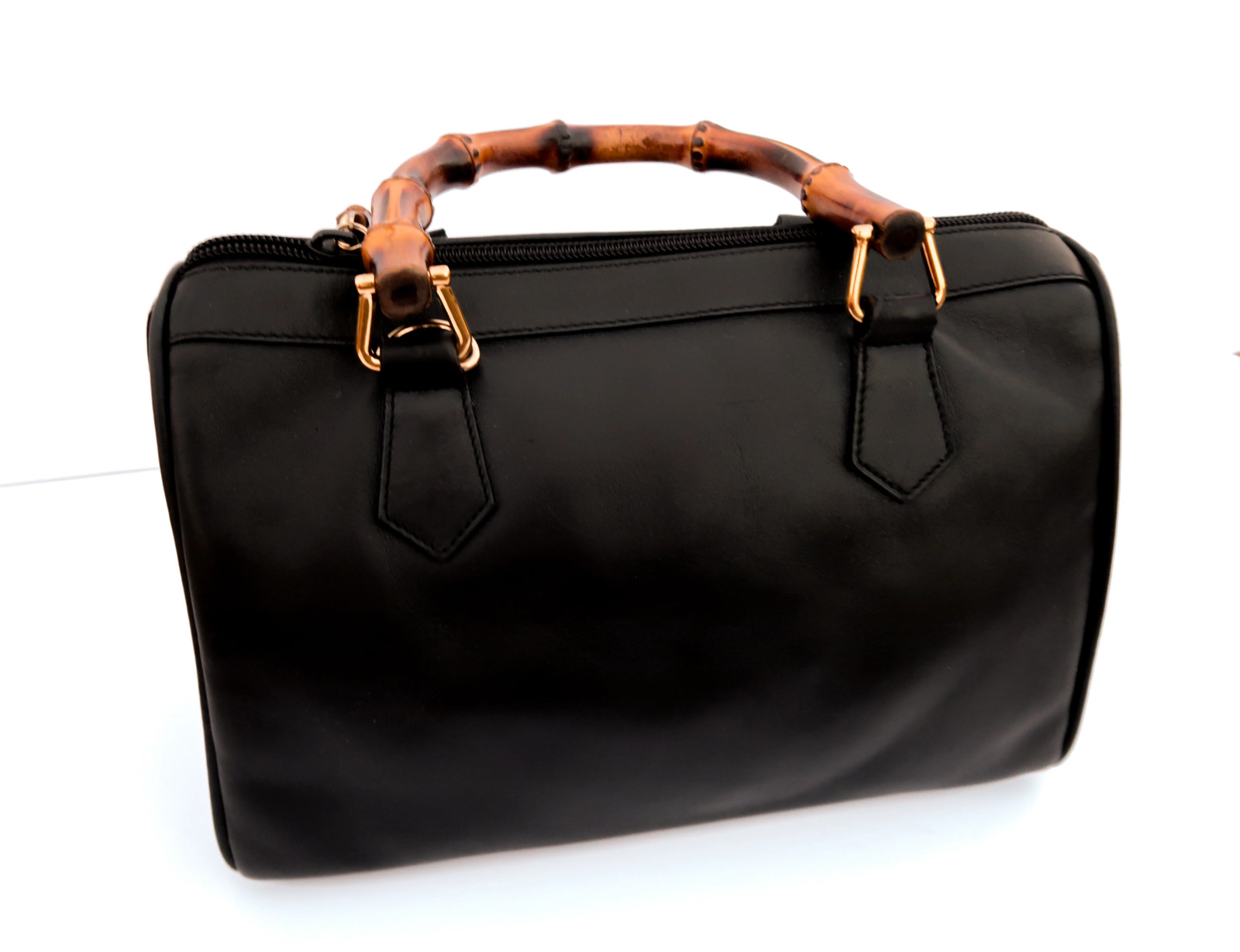
View →
Levi's
USA · 1850s
The 501 & Americana denim
The 501 & Americana denim
Top piece
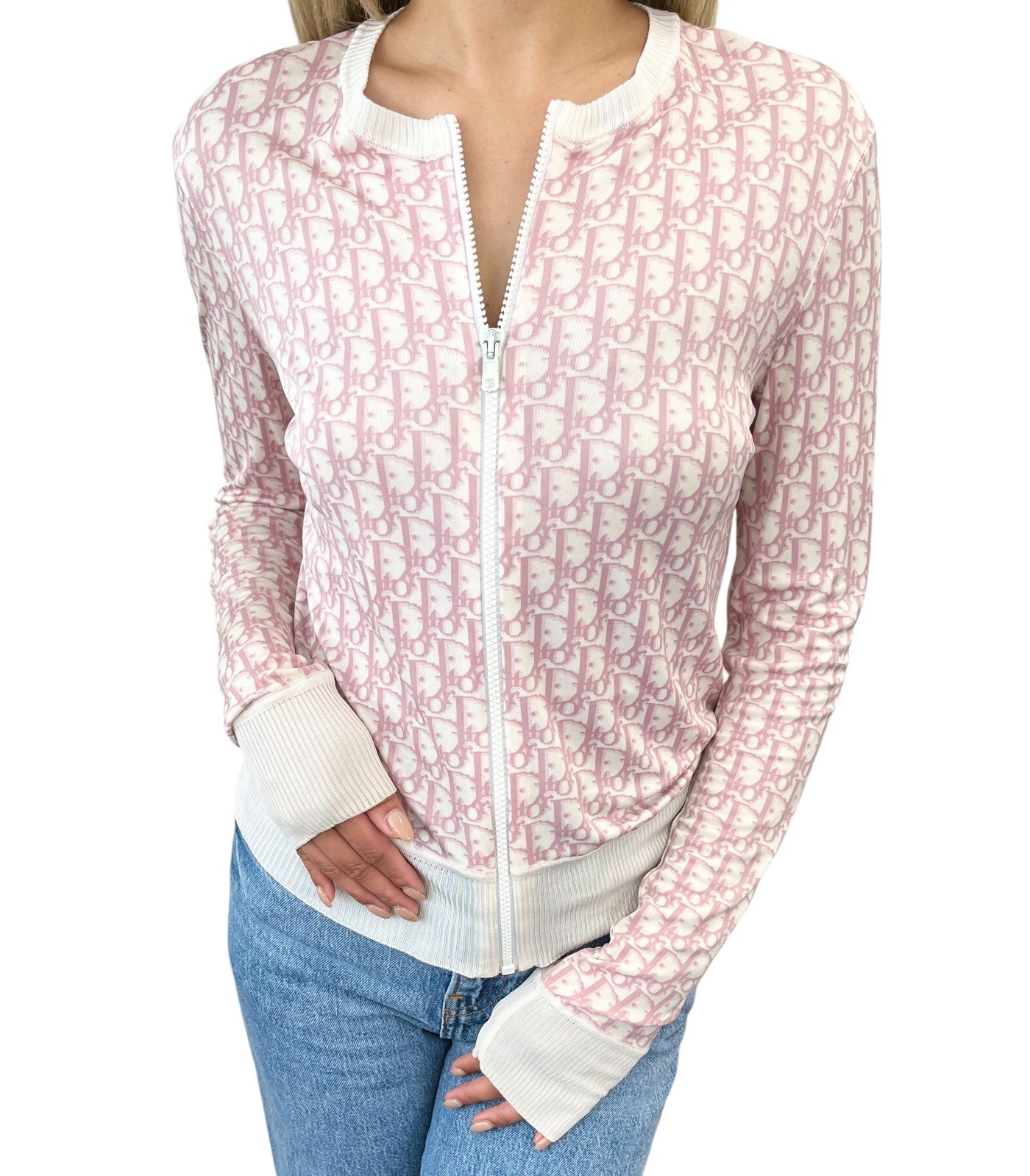
View →
Yohji Yamamoto
Japan · 1970s
Black, drape & poetic deconstruction
Black, drape & poetic deconstruction
Continue the edit
Further stories from the same world
Three more walks through the same vintage universe.

The Band Tee Guide for London
A band tee is a souvenir somebody else brought home. The faded print, the softened cotton, the fact that it survived thirty years of washing.
Read the story →
London's Best Bag Hunting, Shop by Shop
The small shoulder bag is back, and the originals are still out there. A nylon bag from 1999 or a mini baguette from the same year carries a specific kind of confidence.
Read →
The Leather Jacket That Earns Its Scars
A good vintage leather jacket is not a costume. It is a second skin with a past, and the trick is learning to wear the story without letting it wear you.
Read →