
 Sign in
✦ Culture · London
London's Best Small Finds
Gloves, belts, sunglasses, hats. The accessories rail is where vintage is still genuinely cheap and still genuinely good.
 By Louis Trash·
Why Accessories Matter Now
Gloves, belts, sunglasses, hats. The accessories rail is where vintage is still genuinely cheap and still genuinely good. These are the details that make an outfit look assembled rather than bought. That means a 1960s straw boater with a scuffed leather jacket, not a head-to-toe period reconstruction. The city's style has always been about layering eras: a 1940s velvet beret over a 1990s slip dress, a 1970s tortoiseshell belt cinching a modern trench. Accessories are the easiest way to join that conversation, because they cost less than a full outfit and they do the talking.
Foto: Romina BM · Pexels
Here is the truth: a vintage accessory is not a costume. It is a tool. A good belt changes the silhouette of any dress. A pair of old sunglasses gives your face a frame that modern plastic cannot replicate. Leather gloves with a plain coat is the cheapest way to look expensive in winter. And a hat, properly fitted, makes strangers hold doors for you. The trick is to treat them as functional, not decorative. If you would not wear it to the supermarket, do not buy it. The best vintage pieces are the ones that get worn until the stitching gives out.
How to Wear It
A proper leather belt with a heavy buckle upgrades every pair of trousers you own. Look for a belt that is at least 3cm wide, with a solid brass or steel buckle. The leather should be stiff enough to hold its shape but flexible enough to bend without cracking. Wear it high on the waist, not on the hips, to elongate your legs. A 1970s belt with a curved buckle can cinch a shirt dress or a long cardigan. A 1940s belt with a covered buckle adds polish to a simple wool skirt. Avoid anything with a glued-on coating; it will peel within a year.
Foto: Shay Gordon · Pexels
Old sunglasses sit closer to the face. Choose a frame narrower than feels safe. Modern shades are oversized, but vintage frames were made for smaller faces, and they hug the brow without sliding. Look for frames from the 1950s and 1960s, especially cat-eye or round metal styles. The lenses are often glass, which gives a clearer view than plastic, but check for scratches and chips. Hinges should be metal barrels, not moulded plastic. A good pair will have a slight weight to them, and the arms will fold with a satisfying click. Try them on and look in a mirror: if they pinch the temples or slip down your nose, walk away.
Leather gloves with a plain coat is the cheapest way to look expensive in winter. A pair of 1960s kid leather gloves, lined with silk or cashmere, costs less than a new pair from a high-street brand, and the leather is thinner and more supple. Wear them with a wool coat and a scarf, and tuck the cuffs of the coat over the gloves. For driving, look for gloves with perforated backs or a strap. For evening, go for black or dark brown, never anything shiny. Check the seams: they should be stitched, not glued, and the fingers should move freely. If the lining is intact and the leather has no cracks, you have found a keeper.
Hats are the boldest accessory, and the most rewarding. A fedora with a snapped brim can be worn with jeans and a jumper. A cloche from the 1920s needs a short bob and a straight skirt. A beret is the easiest: it goes with everything and takes up no space in your bag. The key is to wear it with confidence, and to tilt it slightly, never straight on. A hat that sits flat looks like a costume. One that sits at an angle looks like you know what you are doing. Practice in front of a mirror before you leave the house, and if you feel self-conscious, wear it for twenty minutes at home first.
Where to Find Yours in London
London is a city of markets and shops, and the best places for accessories are scattered across the centre. Go on a weekday morning if you can. The rails are fullest before the weekend crowd arrives, and staff have time to show you what came in overnight. Weekends are for tourists and dealers; weekdays are for the patient.
Foto: Katia Miasoed · Pexels
- Rokit Brick Lane (101 Brick Lane) — dependable, huge, strong on denim and outerwear, from around 20 euros. The accessories section is a jumble, but worth digging through. I once found a pair of 1970s aviator sunglasses for a fiver. Go early, before the rails get picked over.
- Blitz London (55-59 Hanbury Street) — department-store scale, everything properly sorted, from around 45 euros. This is the place for curated vintage. The accessories are behind glass, and the staff know their stock. You will pay more, but you will find pieces that have been checked for damage. Look for the glove drawer: it is a goldmine.
- Portobello Road Market (Portobello Road, Notting Hill) — Friday and Saturday for the serious dealers, from around 60 euros. The arcades have the best hats and belts, but arrive by 9am. Dealers put out their best stock first, and by noon the good stuff is gone. Haggle politely; cash is king. A 1960s handbag with a working clasp is a bargain at 70 euros if the leather is intact.
- Retromania (6 Upper Tachbrook Street) — charity-shop prices, genuinely good finds, from around 90 euros. This is a tiny shop near Victoria Station, and it feels like a jumble sale done right. The accessories are in a basket by the counter. I have found a 1950s Bakelite bracelet and a pair of 1940s kid gloves here for under a tenner. Go on a Tuesday morning; the owner restocks on Mondays.
If you have more time, head to the charity shops in Chelsea and Kensington. The wealthier postcodes donate better quality, and the volunteers are often elderly women who know their vintage. Ask them if they have anything in the back room. They will often bring out a box of gloves or scarves that they have not put on the rail yet.
What to Look For
Belts should be full-grain leather. Check the cut edge for layers, which means bonded and will crack. The cut edge is the side of the belt where you can see the material. If you see a single layer of dense leather, it is full-grain. If you see layers or a fibrous core, it is bonded, and it will crack within months. Also check the buckle: it should be solid metal, not painted plastic. Run your finger along the edge of the belt to feel for rough patches. A good belt is smooth and even.

On sunglasses, look at the hinges: metal barrels beat moulded plastic. Metal hinges are screwed in and can be tightened; plastic hinges are part of the frame and will break. Also check the lenses for scratches. A small scratch is fine, but a crack or a chip is a dealbreaker. Hold them up to the light and tilt them. If the glass is cloudy or has a rainbow tint, they are not worth the money. Also check the frame for cracks, especially around the nose bridge.
For hats, check the sweatband for a maker's name and make sure the felt has not gone soft and shapeless. The sweatband is the leather strip inside the hat that touches your forehead. A maker's name means it was properly made, and it is a good sign. The felt should be firm and spring back when you press it. If it stays dented, it is past its prime. Also check the inside of the crown for any stains or odours. Hats cannot be washed easily, so avoid anything that smells musty.
One last thing: try it on properly, walk around in it, and sit down. A vintage accessory that only works standing still is not going to survive your actual life. Walk to the end of the shop, sit in a chair, lean over. If the belt bites into your waist, the sunglasses slide off your nose, or the hat tips over your eyes, put it back. The right piece will feel like it was made for you, even if it was made fifty years before you were born.
And when you find it, wear it. Do not save it for a special occasion. Wear it to the supermarket, to the pub, to the office. The best vintage is the kind that gets worn until it is worn out. That is what it was made for.
![[Pre-owned] Hermes Vintage H Buckle Elastic & Leather Belt Brown Gold Canvas](https://otis.thevintageguide.com/api/city-intelligence/api/image-proxy?url=https%3A%2F%2Fi.ebayimg.com%2Fimages%2Fg%2FaxkAAeSwSHBqiW7C%2Fs-l1600.jpg) ✦ The Edit
✦ The EditOne to watch
[Pre-owned] Hermes Vintage H Buckle Elastic & Leather Belt Brown Gold Canvas
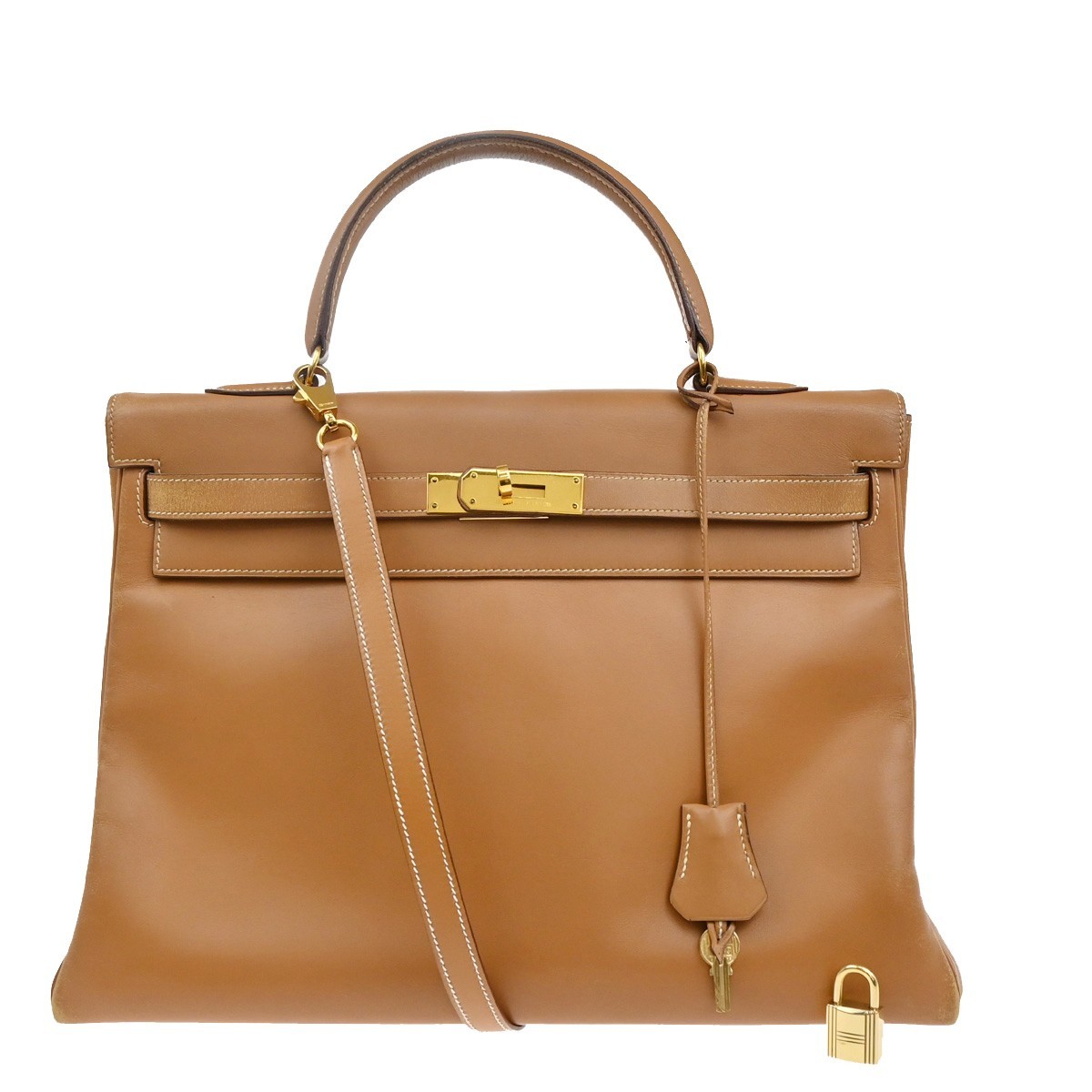
Two centuries of saddle stitching. This honestly worn bag in leather and gold carries exactly the quality that made Hermès worth collecting in the first place. A piece like this is not really bought, it is kept.
On the market now
The names
Meet the designers
The minds behind this story — each with a piece currently on the market.
Børge Mogensen
Denmark · 1940s
The Spanish chair — honest, functional furniture for everyday life.
The Spanish chair — honest, functional furniture for everyday life.
Top piece
View →
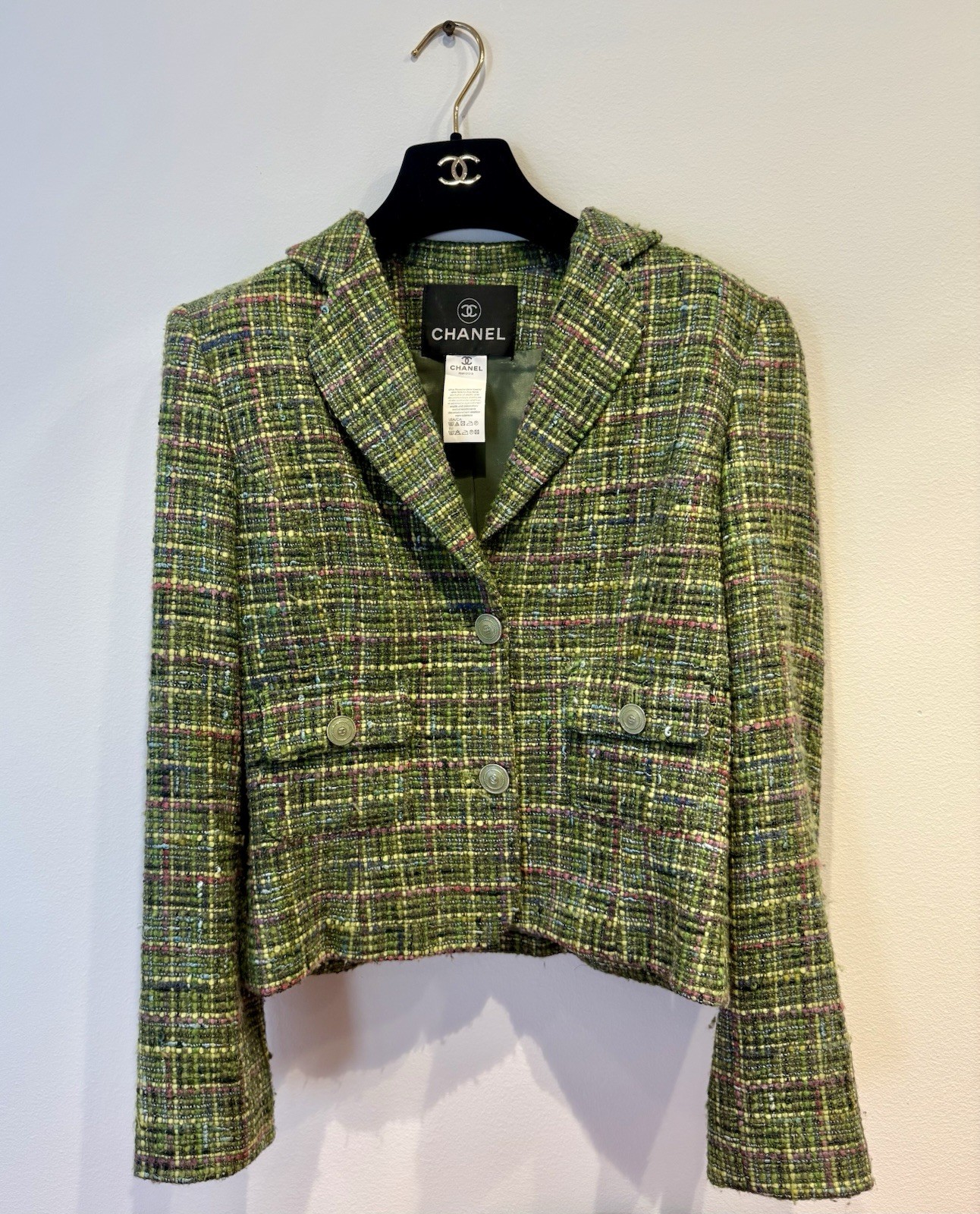
Chanel
France · 1910s
The little black dress & the 2.55
The little black dress & the 2.55
Top piece
View →
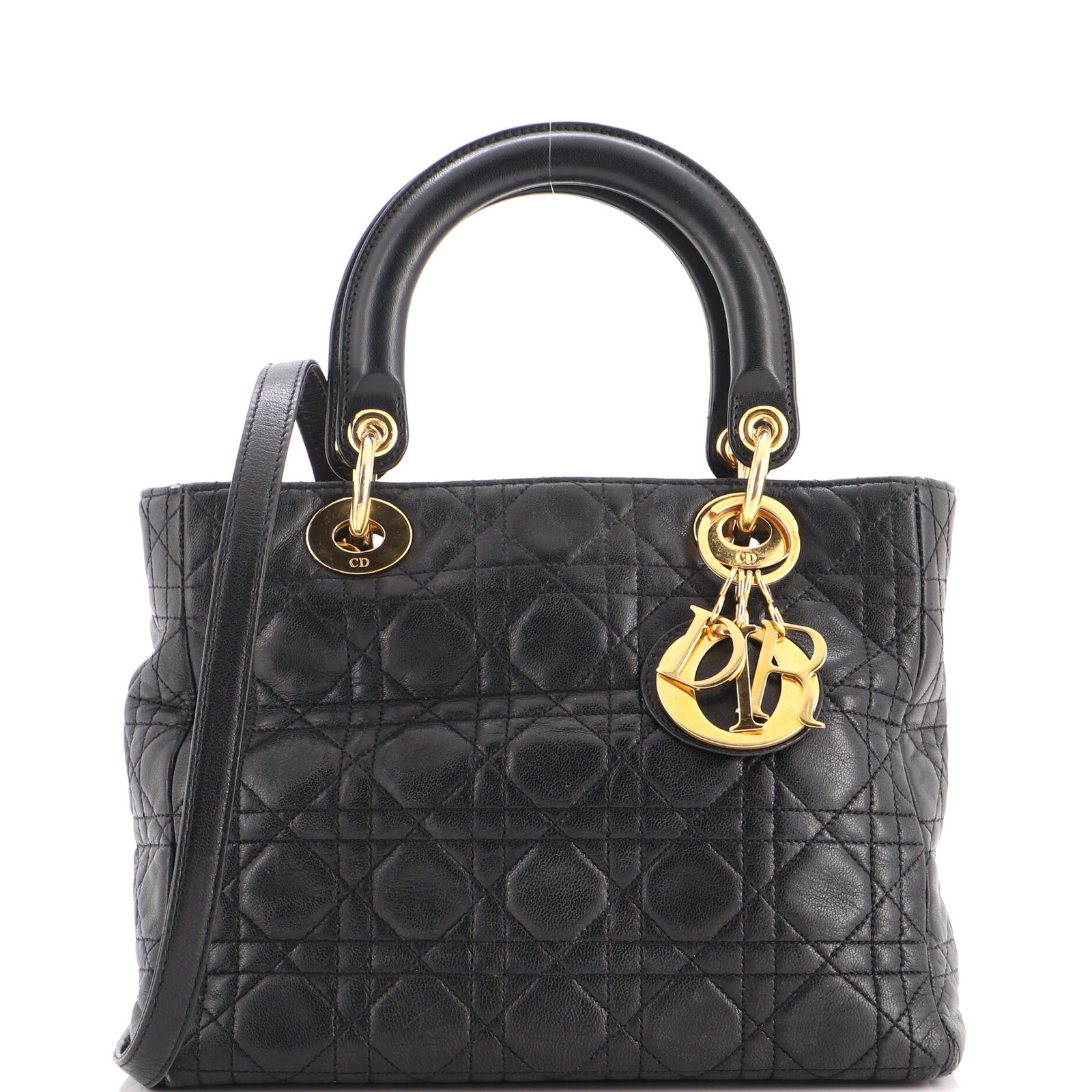
Dior
France · 1940s
The New Look & the Lady Dior
The New Look & the Lady Dior
Top piece
View →
Hermès
France · 1830s
The Birkin, the Kelly & the silk carré
The Birkin, the Kelly & the silk carré
Top piece
View →
Continue the edit
Further stories from the same world
Three more walks through the same vintage universe.

The Band Tee Guide for London
A band tee is a souvenir somebody else brought home. The faded print, the softened cotton, the fact that it survived thirty years of washing.
Read the story →
London's Best Bag Hunting, Shop by Shop
The small shoulder bag is back, and the originals are still out there. A nylon bag from 1999 or a mini baguette from the same year carries a specific kind of confidence.
Read →
The Leather Jacket That Earns Its Scars
A good vintage leather jacket is not a costume. It is a second skin with a past, and the trick is learning to wear the story without letting it wear you.
Read →