
 Sign in
✦ Culture · London
London's Best Jewellery Trays
Chunky gold chains and Victorian cameos are having the same moment for the same reason: both look handmade. Nothing on a vintage jewellery tray was designed by committee, and that shows the second you put it on.
 By Louis Trash·
Why Jewellery Matter Now
Chunky gold chains and Victorian cameos are having the same moment for the same reason: both look handmade. Nothing on a vintage jewellery tray was designed by committee, and that shows the second you put it on. A 1970s gilt chain from a Portobello stall catches light differently than anything from a high-street brand. A Victorian cameo, carved from shell or stone, carries the slight asymmetry of a human hand. These pieces have a sense of intention, of being made for a specific person who wore them through a life. That is not something you can replicate with a new purchase.
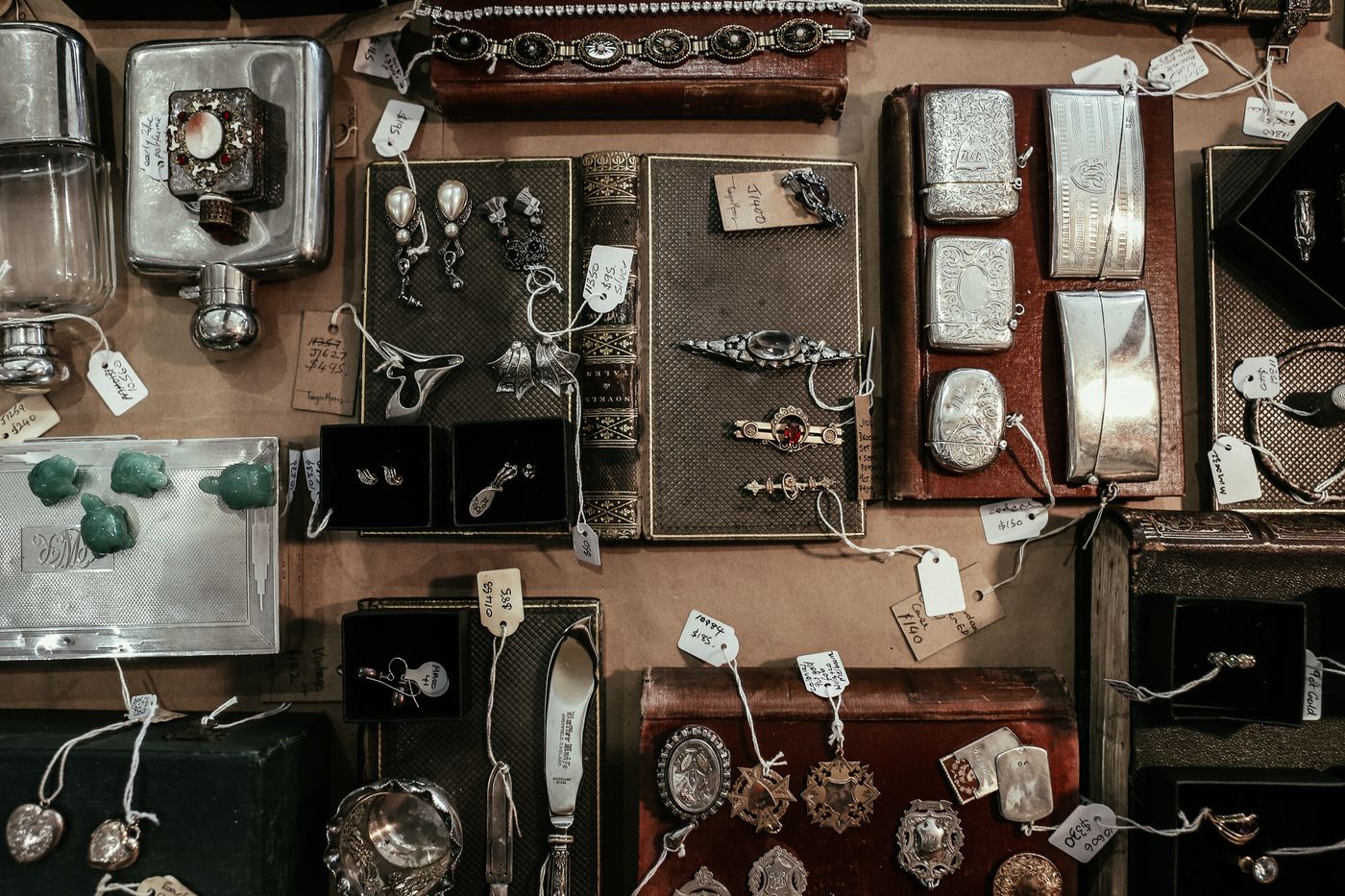
Foto: Rachel Claire · Pexels
A silk blouse from the 1980s with a chunky gold chain, a faded denim jacket with a cameo pinned to the lapel. The city's style has always been about mixing eras and attitudes, and vintage jewellery is the perfect way to add that layer of history and character to an outfit. It is a way of dressing that says you have a story to tell, and you are not afraid to tell it.
How to Wear It
One heavy piece beats three delicate ones. Let a single chain sit against bare skin. The weight of a 1970s gilt chain is a sensation in itself, and it anchors an outfit in a way that a pile of thin necklaces cannot. Think of it as the punctuation mark to your ensemble. If you are layering, do it with purpose: a long pendant over a turtleneck, or a chunky chain over a crisp shirt. The key is to let the jewellery lead, not compete.
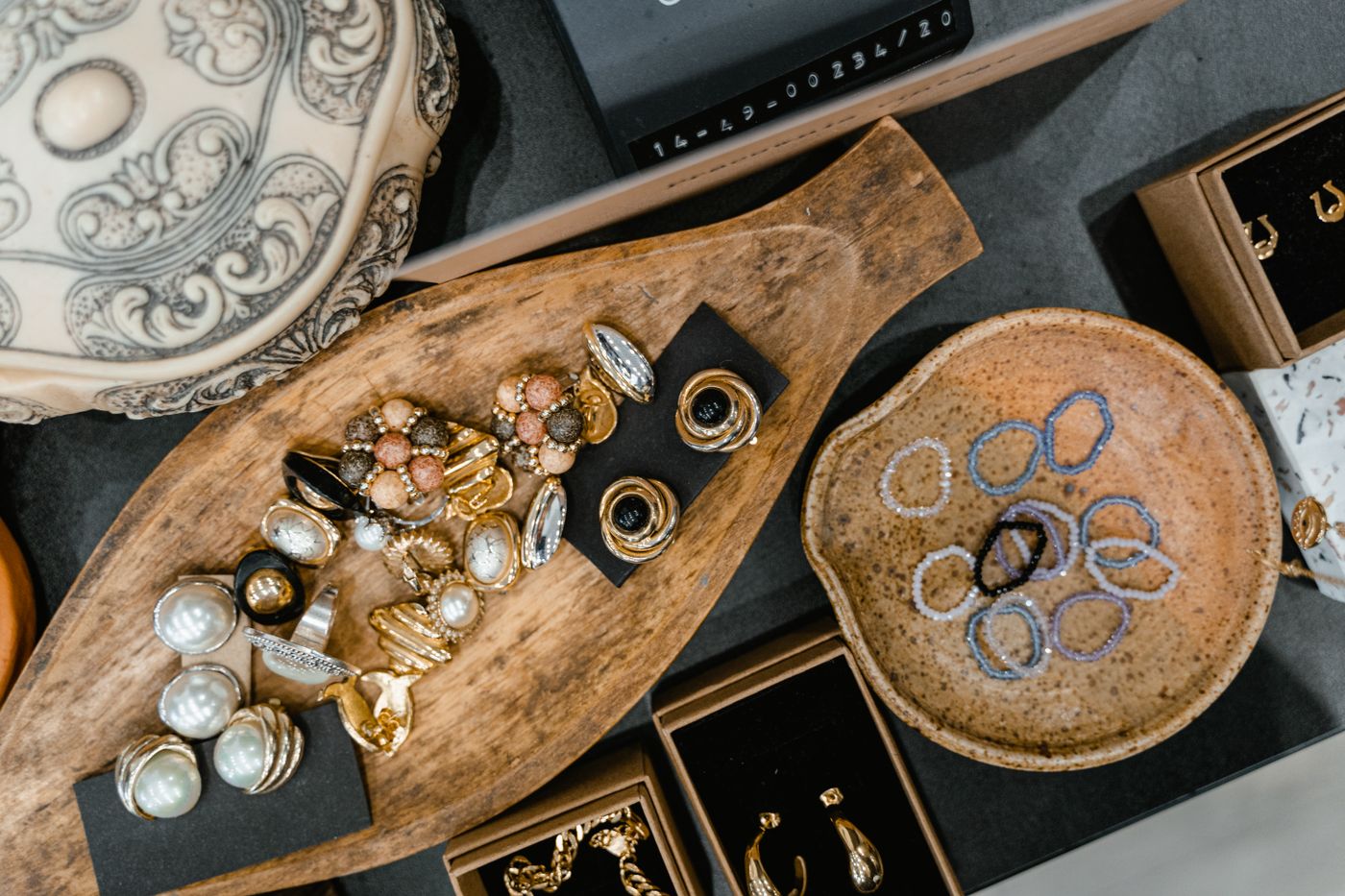
Foto: MART PRODUCTION · Pexels
Pin a cameo or brooch to a blazer lapel, slightly higher than feels natural. This draws the eye up to your face and adds a focal point to an otherwise plain jacket. A cameo with a black or navy blazer is a classic look, but do not be afraid to try it on a denim jacket or a wool coat. The contrast between the delicate carving and the rugged fabric is part of the appeal.
Mix metals deliberately. Gold with silver reads collected, not confused. A Victorian silver brooch next to a 1980s gold chain is a statement of confidence. The trick is to keep the pieces separate in terms of placement: a gold chain at the neck, a silver brooch on the lapel, or a gold bracelet on one wrist and a silver watch on the other. This way, the mix looks intentional, not accidental.
Where to Find Yours in London
London is a treasure trove for vintage jewellery, but you have to know where to look. Here are my go-to spots, each with its own character and price range.
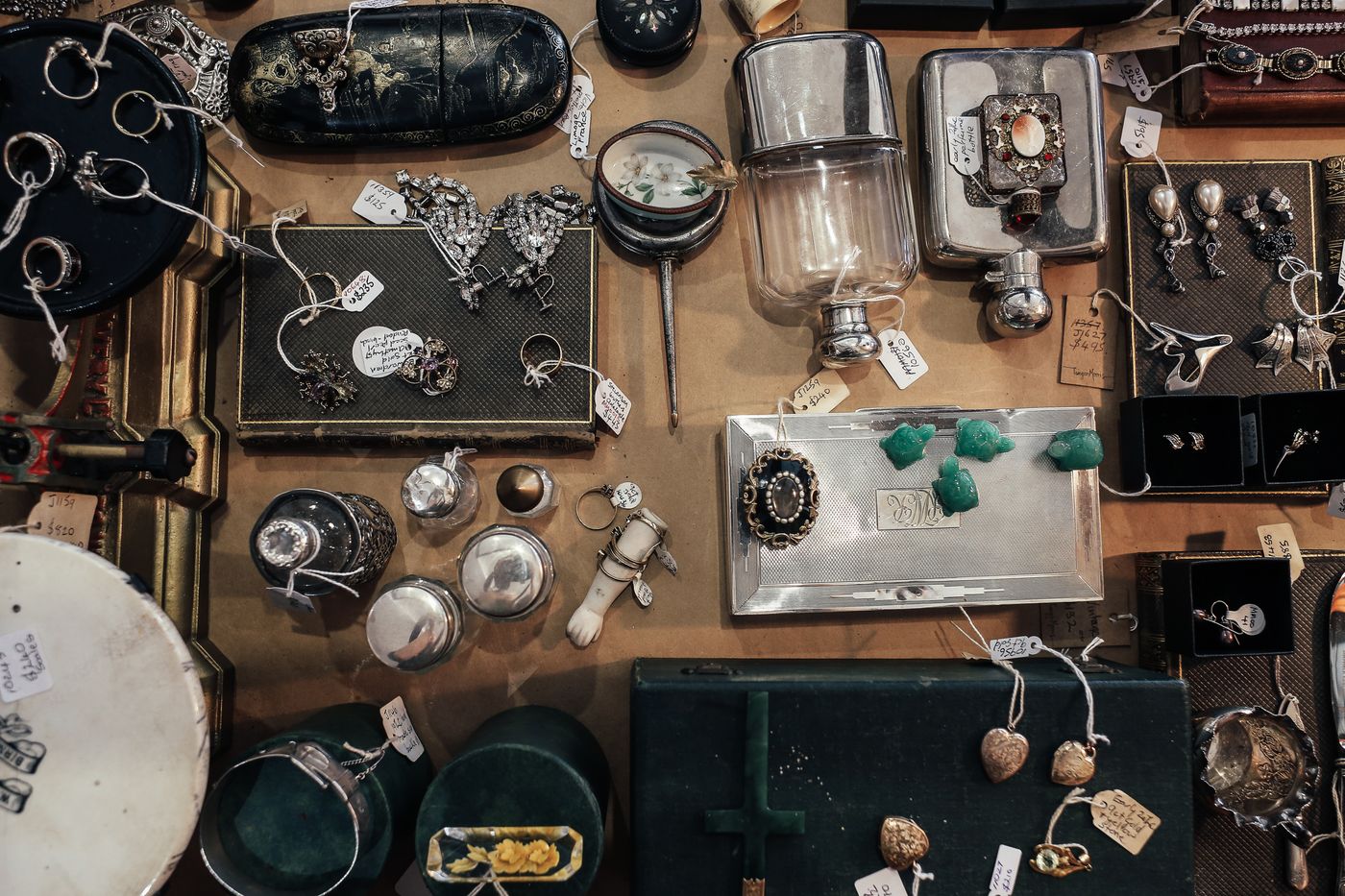
Foto: Rachel Claire · Pexels
Rokit Brick Lane (101 Brick Lane) — dependable, huge, strong on denim and outerwear. The jewellery section is often overlooked, but it is worth a dig. Prices start from around £20, and you can find everything from 1960s plastic bangles to 1980s gold-tone chains. The staff are friendly and used to browsers, so take your time.
Blitz London (55-59 Hanbury Street) — department-store scale, everything properly sorted. This is the place to go if you want a curated selection. The jewellery is behind glass, and the staff are knowledgeable. Prices are higher, from around £45, but the pieces are in good condition and often come with a story. I once found a 1930s paste brooch here that I still wear regularly.
Portobello Road Market (Portobello Road, Notting Hill) — Friday and Saturday for the serious dealers. The market is a London institution, and the jewellery stalls are a mix of high-end antiques and bric-a-brac. Arrive early (before 9am) to beat the crowds and get the best pick. Prices start from around £60, and you can haggle. The dealers know their stuff, so do not be afraid to ask questions.
Retromania (6 Upper Tachbrook Street) — charity-shop prices, genuinely good finds. This is a hidden gem near Victoria Station. It is small and slightly chaotic, but that is part of its charm. You can find a Victorian cameo for the price of a sandwich. I once picked up a 1920s jet brooch for £10. The stock changes daily, so pop in whenever you are passing.
Go on a weekday morning if you can. The rails are fullest before the weekend crowd arrives, and staff have time to show you what came in overnight. Tuesday and Wednesday are often the best days, as new stock is put out after the weekend rush.
What to Look For
Look for hallmarks inside the band or on the clasp. A stamped 9ct, 14k or 925 is your proof of metal content. If you see a hallmark, you can be confident that the piece is genuine gold or silver. If there is no hallmark, be wary. It might be costume jewellery, which can still be lovely, but you should pay a costume price.

Cameos should be carved shell or stone, which feels cool and slightly translucent at the edges. Moulded resin does not. To test, hold the cameo up to the light. If it is translucent at the edges, it is likely shell. If it is opaque and warm to the touch, it is probably resin. Also, check the carving: a real cameo will have intricate details, while resin ones are often blurry.
Test a clasp before buying. A worn spring ring is a cheap fix, but a broken hinge on an old brooch rarely is. If the clasp feels loose, ask for a discount or move on. A broken hinge can be expensive to repair, and it may not be worth the hassle.
One last thing: try it on properly, walk around in it, and sit down. A piece of vintage jewellery that only works standing still is not going to survive your actual life. It should feel comfortable, sit well, and not snag on your clothes. If it feels awkward in the shop, it will feel awkward in the real world.
The History Behind the Pieces
The chunky gold chain that is so popular now is a direct descendant of the 1970s, when Italian designers like Elsa Peretti for Tiffany and Aldo Cipullo for Cartier were making bold, sculptural pieces. They were a reaction against the delicate, feminine jewellery of the 1950s and 1960s. These chains were meant to be worn with everything, from jeans to evening wear, and they still have that versatility.
Victorian cameos, on the other hand, take us back to the 19th century, when Queen Victoria herself popularised them. She wore them as a sign of mourning after her husband Albert died, and the fashion spread. Cameos were carved from shell, lava, and even coral, and they depicted classical scenes or portraits. They were a way of carrying a piece of art with you, and they were often given as tokens of affection.
When you buy a vintage piece, you are not just buying a thing. You are buying a story, a slice of someone else's life. That is what makes vintage jewellery so special. It has a soul, a history, and a patina that cannot be replicated. And in a city like London, where history is around every corner, it feels particularly fitting to wear a piece of that history on your sleeve.
Final Thoughts
Vintage jewellery is not just an accessory; it is a statement. It says that you value craftsmanship, history, and individuality. It says that you are not afraid to stand out. And in a world of fast fashion and mass production, that is a beautiful thing.
So next time you are in London, take a detour to one of these spots. Spend an hour digging through trays of old chains and brooches. You never know what you might find. A piece that speaks to you, that fits your hand perfectly, that makes you feel like the person you are meant to be. That is the magic of vintage. That is why we keep coming back.
 ✦ The Edit
One to watch
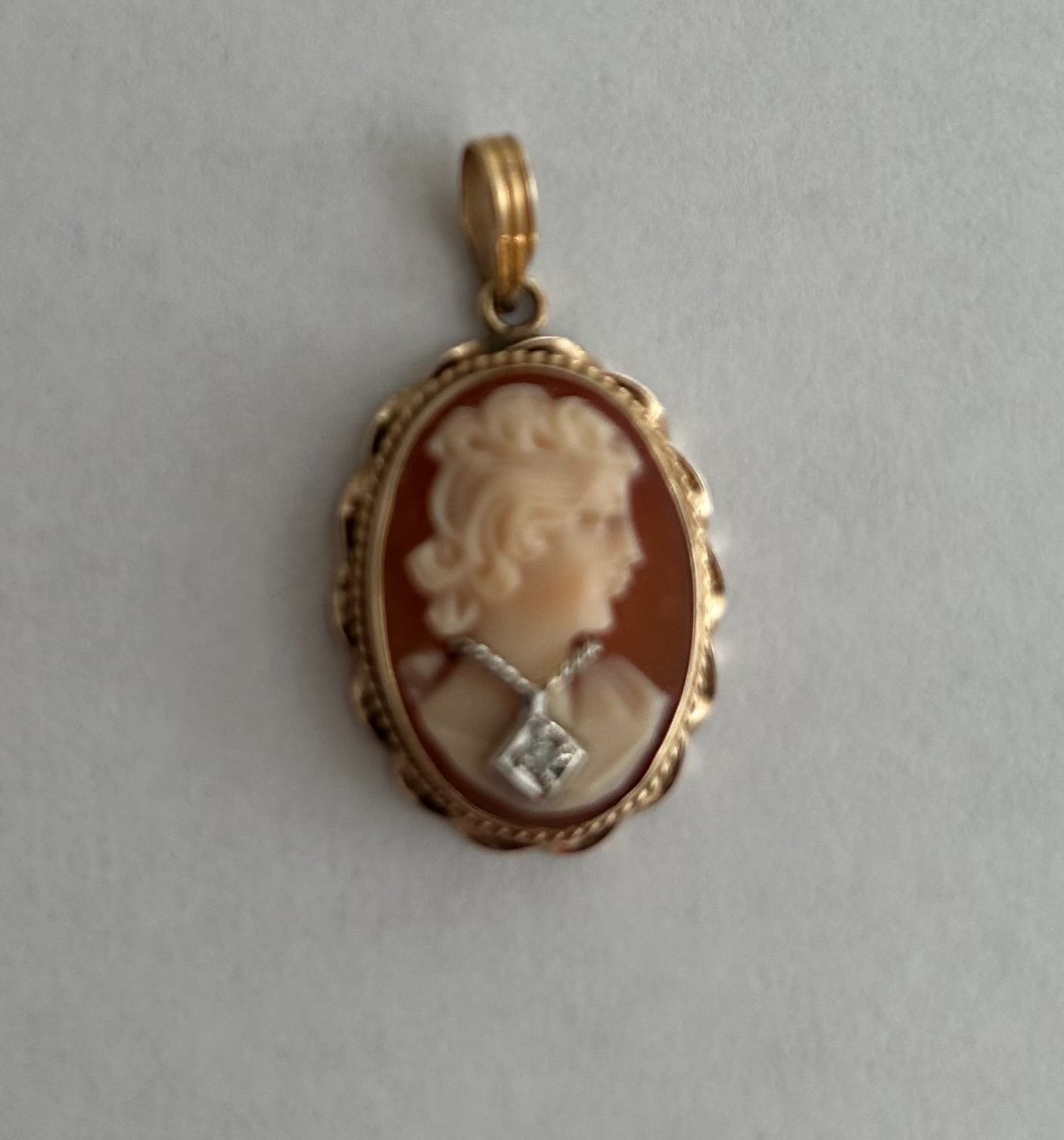
Vintage Shell Cameo Brooch Pendent. 14k Gold With A Diamond. Beautiful.
A piece like this is the fastest way to add a little history to anything you own. This honestly worn piece in gold and diamond is the kind of piece that tells a story before you have said a word. A piece like this is not really bought, it is kept.
On the market now
The names
Meet the designers
The minds behind this story — each with a piece currently on the market.
Diesel
Italy · 1970s
Washed denim & streetwear
Washed denim & streetwear
Top piece
View →
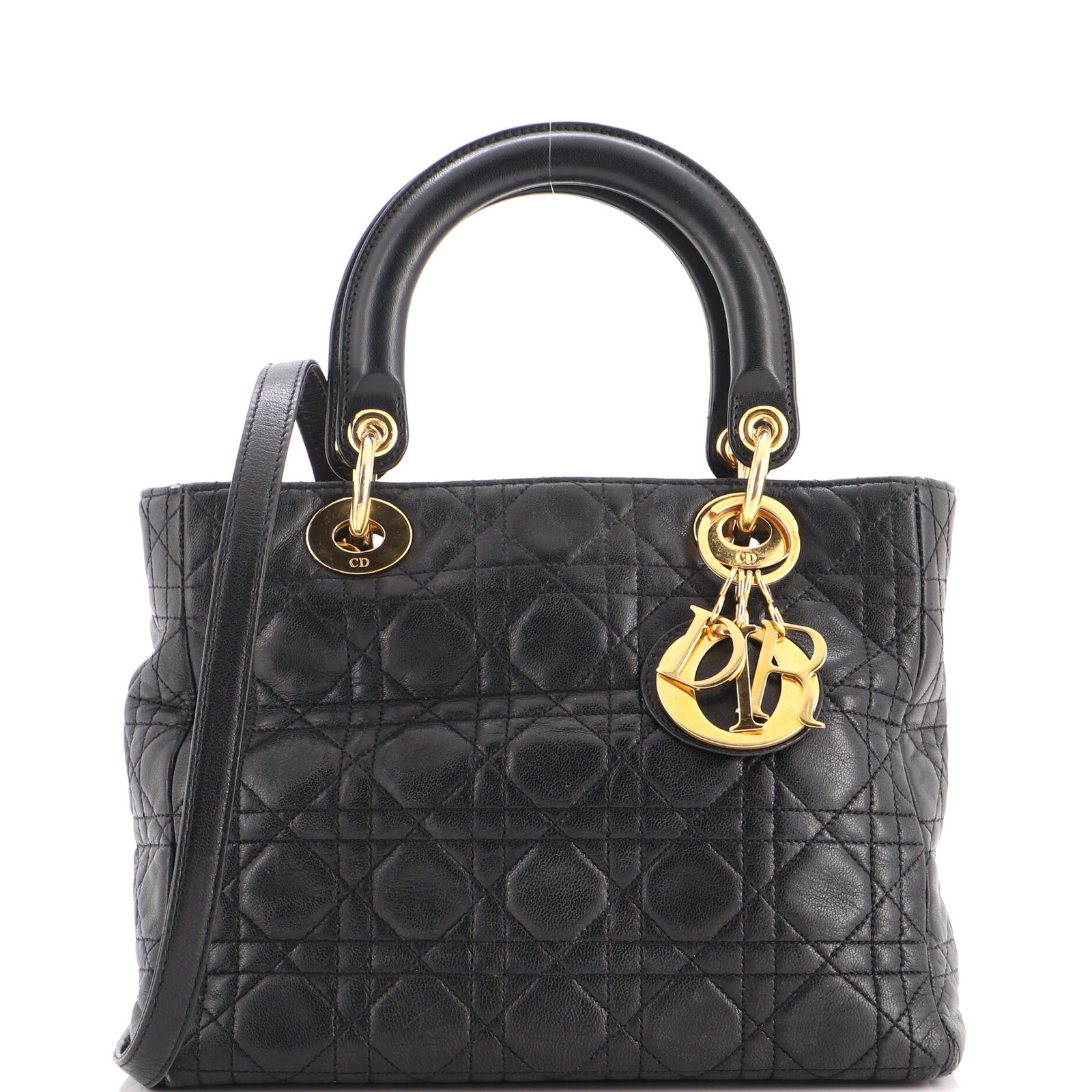
Dior
France · 1940s
The New Look & the Lady Dior
The New Look & the Lady Dior
Top piece
View →
Issey Miyake
Japan · 1970s
Pleats Please & techno-fabric
Pleats Please & techno-fabric
Top piece
View →
Levi's
USA · 1850s
The 501 & Americana denim
The 501 & Americana denim
Top piece
View →
Continue the edit
Further stories from the same world
Three more walks through the same vintage universe.

The Band Tee Guide for London
A band tee is a souvenir somebody else brought home. The faded print, the softened cotton, the fact that it survived thirty years of washing.
Read the story →
London's Best Bag Hunting, Shop by Shop
The small shoulder bag is back, and the originals are still out there. A nylon bag from 1999 or a mini baguette from the same year carries a specific kind of confidence.
Read →
The Leather Jacket That Earns Its Scars
A good vintage leather jacket is not a costume. It is a second skin with a past, and the trick is learning to wear the story without letting it wear you.
Read →