
 Sign in
✦ Culture · London
London's Best Furniture Finds
Mid-century furniture survives because it was made from solid wood by people who expected it to be repaired. A teak sideboard from 1962 will outlive anything flat-packed, and it already has the patina.
 By Louis Trash·
Why Furniture Matter Now
Mid-century furniture survives because it was made from solid wood by people who expected it to be repaired. A teak sideboard from 1962 will outlive anything flat-packed, and it already has the patina. That patina is not a flaw. It is the record of fifty years of dinners, spilled wine, and the occasional elbow. You cannot buy that in a showroom.
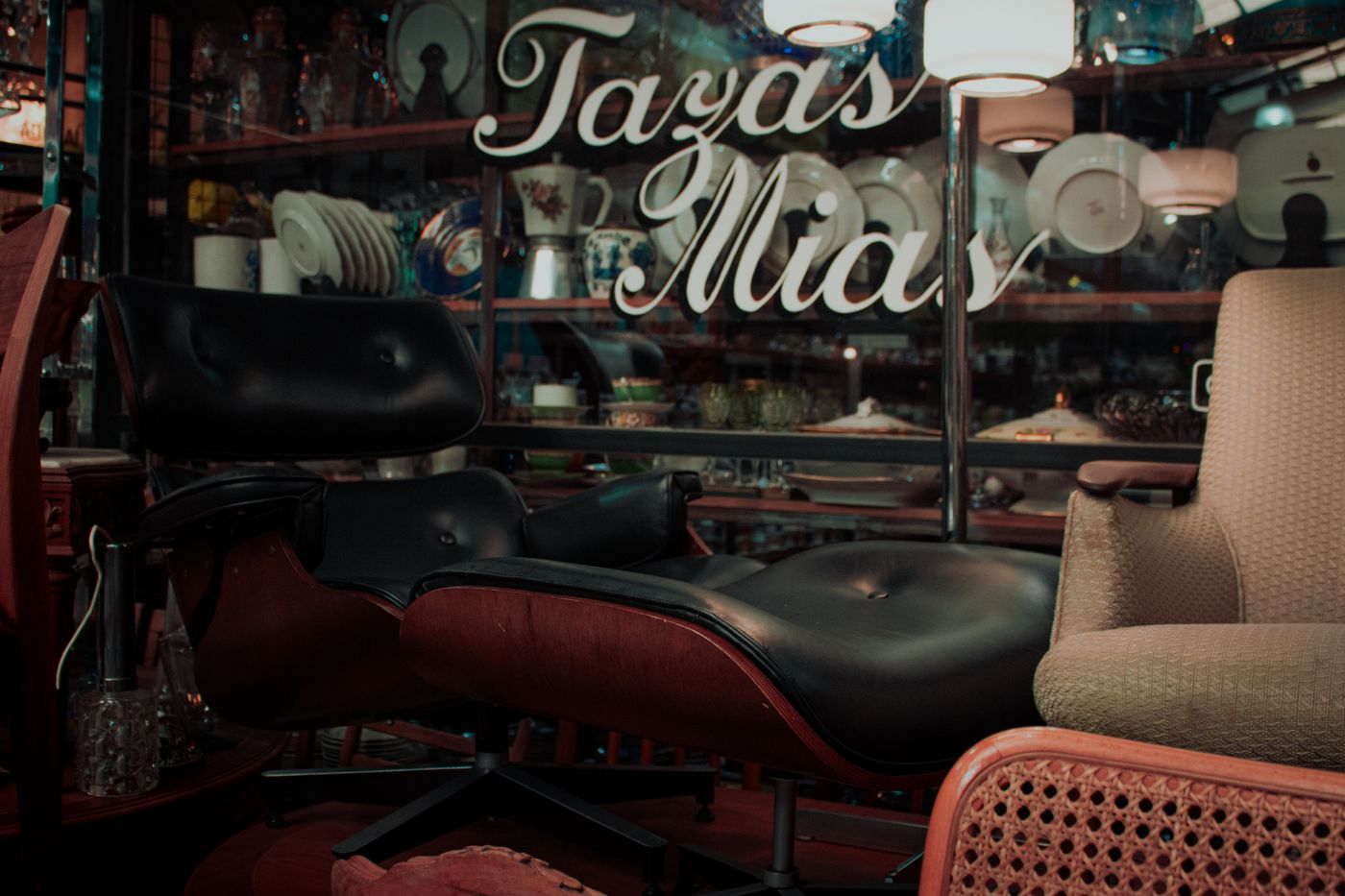
Foto: Mariano Di Luch · Pexels
A scratch on a Danish rosewood table is a story, not a defect. The city itself is a patchwork of eras, and your furniture should match. A perfect minimalist loft with all-matching pieces feels like a stage set. A room with one worn leather chair, a teak sideboard, and a modern sofa feels alive.
How to Wear It
One strong vintage piece in a plain room does more than a whole matching set. A single sculptural chair against a bare white wall becomes the focal point. A sideboard with brass handles anchors an entire dining room. The rest of the room can be quiet; the vintage piece does the talking.
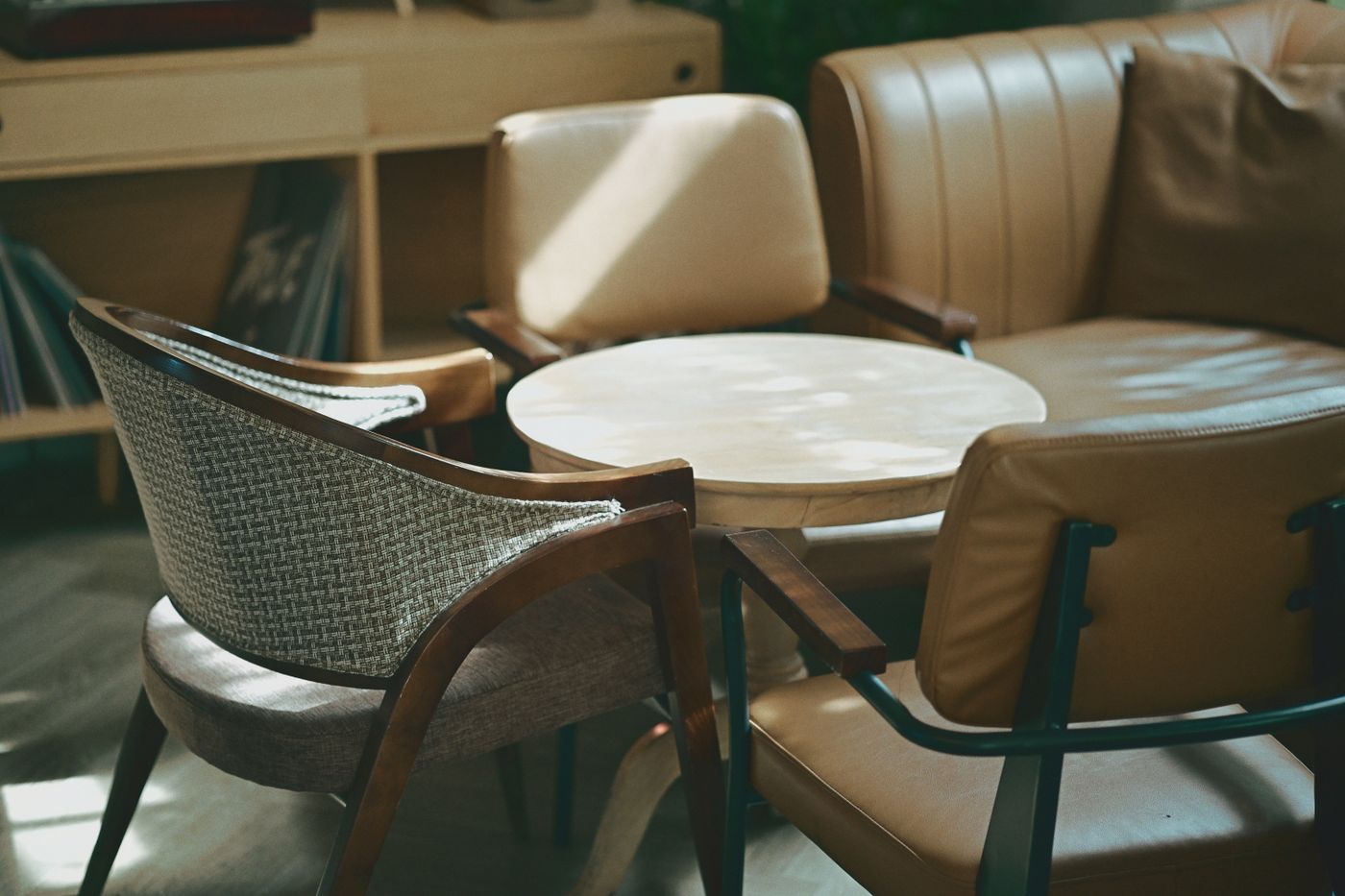
Foto: Việt Anh Nguyễn · Pexels
Mix eras deliberately, a sculptural old chair against a simple modern table. A 1950s Ercol chair next to a glass-and-steel table works because the materials are honest. Do not be afraid of contrast. That is where the energy comes from.
Do not over-restore. A soft oil finish beats a fresh coat of lacquer every time. Lacquer seals the wood in a plastic shell, hiding the natural grain and deadening the sound. Oil feeds the wood, deepens the colour, and lets the surface breathe. If a piece is structurally sound, a day of sanding and oiling will transform it. If it is wobbly, a good joiner can fix the joints for less than the cost of a new flat-pack.
Where to Find Yours in London
- Rokit Brick Lane (101 Brick Lane) - dependable, huge, strong on denim and outerwear, from around 20 euros. The furniture is upstairs, a jumble of teak and chrome. Go early on a Tuesday; the new stock lands on Monday night.
- Blitz London (55-59 Hanbury Street) - department-store scale, everything properly sorted, from around 45 euros. The furniture floor is a treasure hunt. They price by piece, not by trend, so you can find a 1960s G-Plan sideboard for less than a new IKEA one.
- Portobello Road Market (Portobello Road, Notting Hill) - Friday and Saturday for the serious dealers, from around 60 euros. The dealers know their stuff. Ask about provenance; they will tell you the year, the maker, and the story. Thursday is the secret day for furniture, when the market is quiet and dealers are willing to haggle.
- Retromania (6 Upper Tachbrook Street) - charity-shop prices, genuinely good finds, from around 90 euros. This is a small shop run by a retired antiques dealer. He prices to sell, not to sit. You will not find Danish teak here, but you will find sturdy English oak and utility furniture from the 1940s.
Go on a weekday morning if you can. The rails are fullest before the weekend crowd arrives, and staff have time to show you what came in overnight. On a Saturday, the good pieces are gone by noon. On a Tuesday, you can take your time.
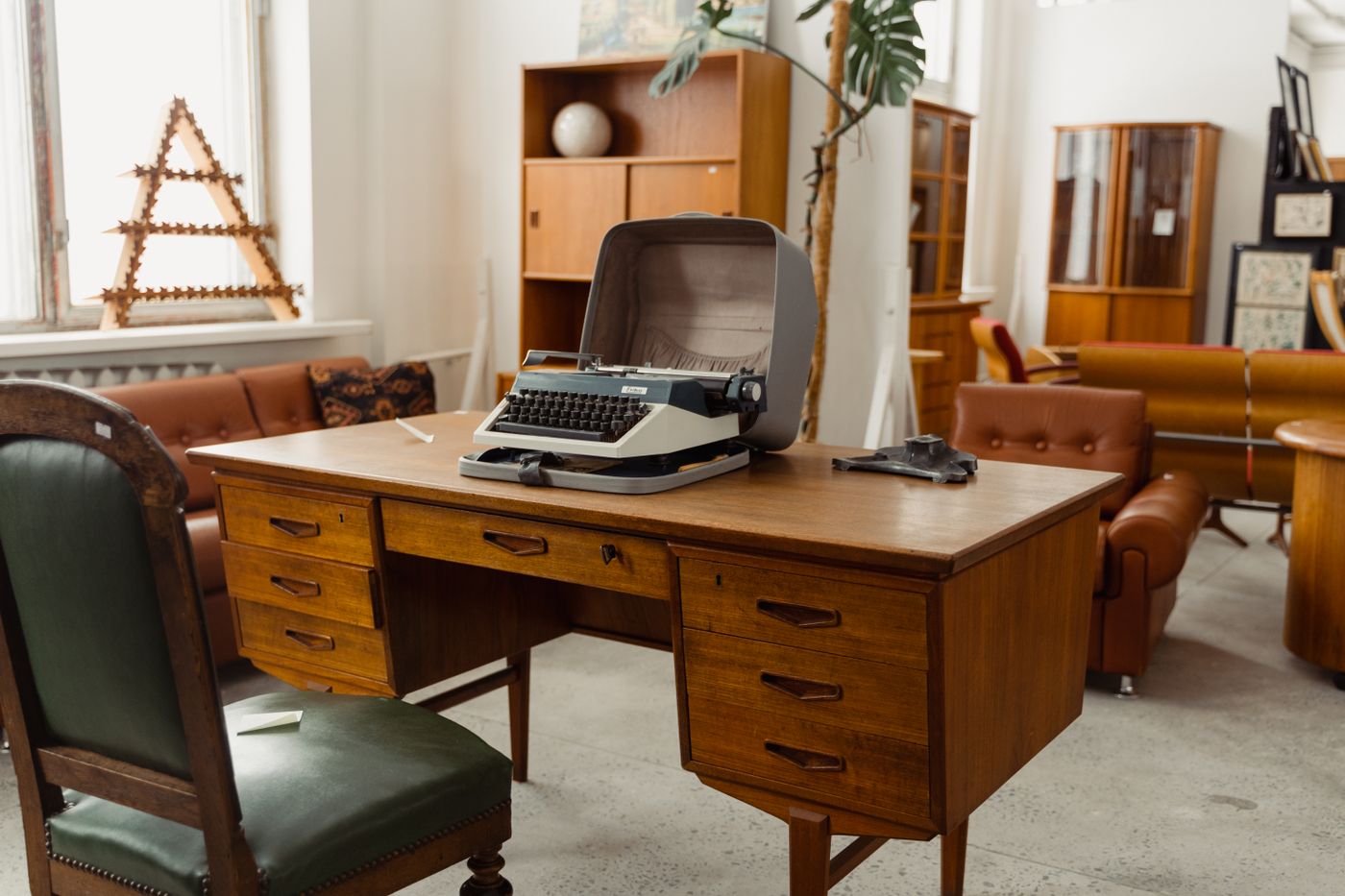
Foto: Tima Miroshnichenko · Pexels
What to Look For
Pull out a drawer and look at the joints: dovetails mean solid construction, staples mean skip it. Dovetails are the interlocking fingers of wood that hold a drawer together. Staple guns are a sign of postwar mass production, and they will not last another decade. If you see staples, put the piece back.

Check underneath for a maker's stamp or a Danish Control mark. The Danish Control mark is a small stamp that certifies the piece was made in Denmark from solid wood. It is not a guarantee of quality, but it is a good sign. Look for names like G-Plan, Ercol, and Nathan. These are the British makers who defined the mid-century look.
Veneer lifting at the edges is a cheap repair; a warped or split top is not. Veneer is a thin layer of decorative wood glued over a cheaper core. If it is lifting, a glue syringe and a clamp will fix it in an afternoon. A warp means the wood has twisted, and it will never sit flat again. A split top is a structural problem that requires a professional.
Always sit in a chair before you commit, old joints announce themselves quickly. A gentle rock, a creak, a wobble, these are the sounds of a joint that has loosened over decades. If you feel a shift, walk away. There are plenty of chairs in London.
One last thing: try it on properly, walk around in it, and sit down. A piece of vintage furniture that only works standing still is not going to survive your actual life. You need a sideboard that can hold a stack of plates, a table that can take a hot pan, a chair that can hold a heavy guest. Vintage furniture was built for daily use, and it will thrive if you treat it that way.
The Hunt Is the Reward
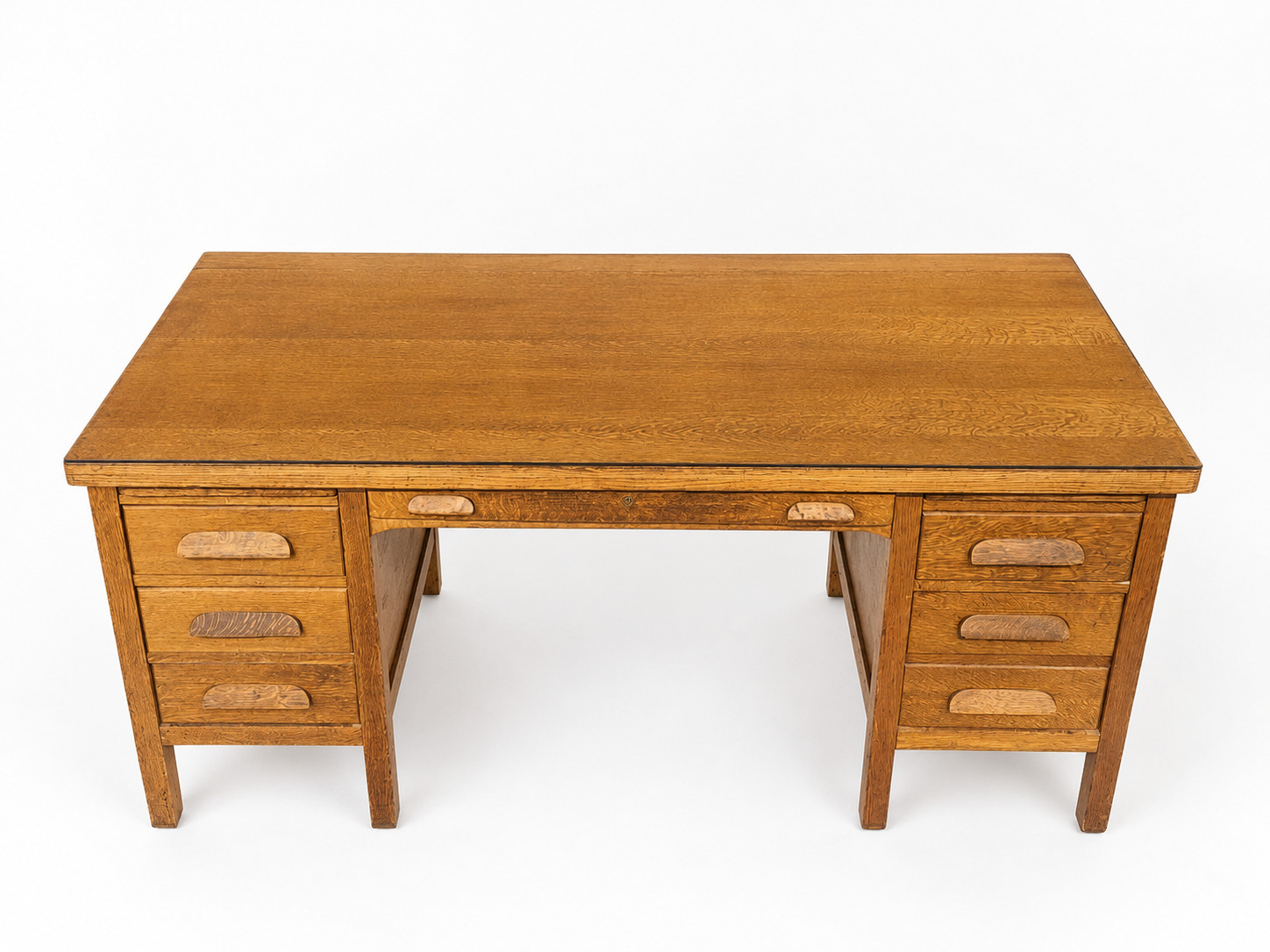
Finding the right piece takes time. You will visit a dozen shops and leave empty-handed. That is fine. The search is part of the pleasure. When you finally find a 1958 teak desk with the original brass handles, you will know. It will feel right in the room, in your hand, in your life. That is the moment you stop being a shopper and become a collector.
London is full of these pieces, hiding in plain sight. They are in the back of charity shops, under piles of clothes in markets, in the corners of warehouses. They are waiting for someone who understands that a piece of furniture is not just a thing. It is a companion for the rest of your life. And in a city that changes so fast, that is worth holding on to.
 ✦ The Edit
One to watch
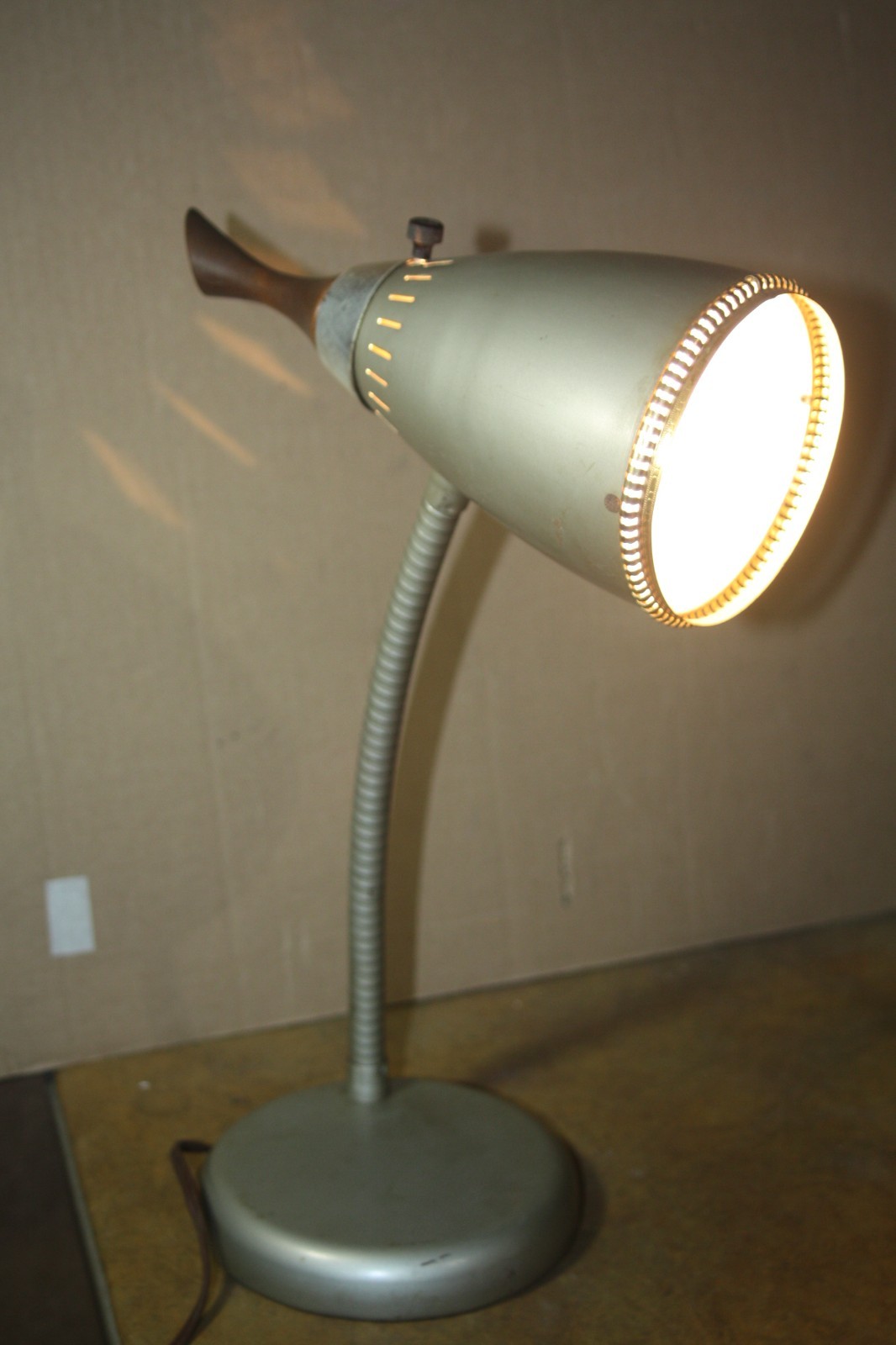
Vintage Mid Century Metal Gooseneck Desk Lamp w/ Brass & Wood Accents - Works
Old furniture was built before flat-pack, with joinery and solid wood you can still smell. This honestly worn piece in brass is the kind of piece that tells a story before you have said a word. Some things you wear until they wear you out; this one wears you in.
On the market now
The names
Meet the designers
The minds behind this story — each with a piece currently on the market.
Børge Mogensen
Denmark · 1940s
The Spanish chair — honest, functional furniture for everyday life.
The Spanish chair — honest, functional furniture for everyday life.
Top piece
View →
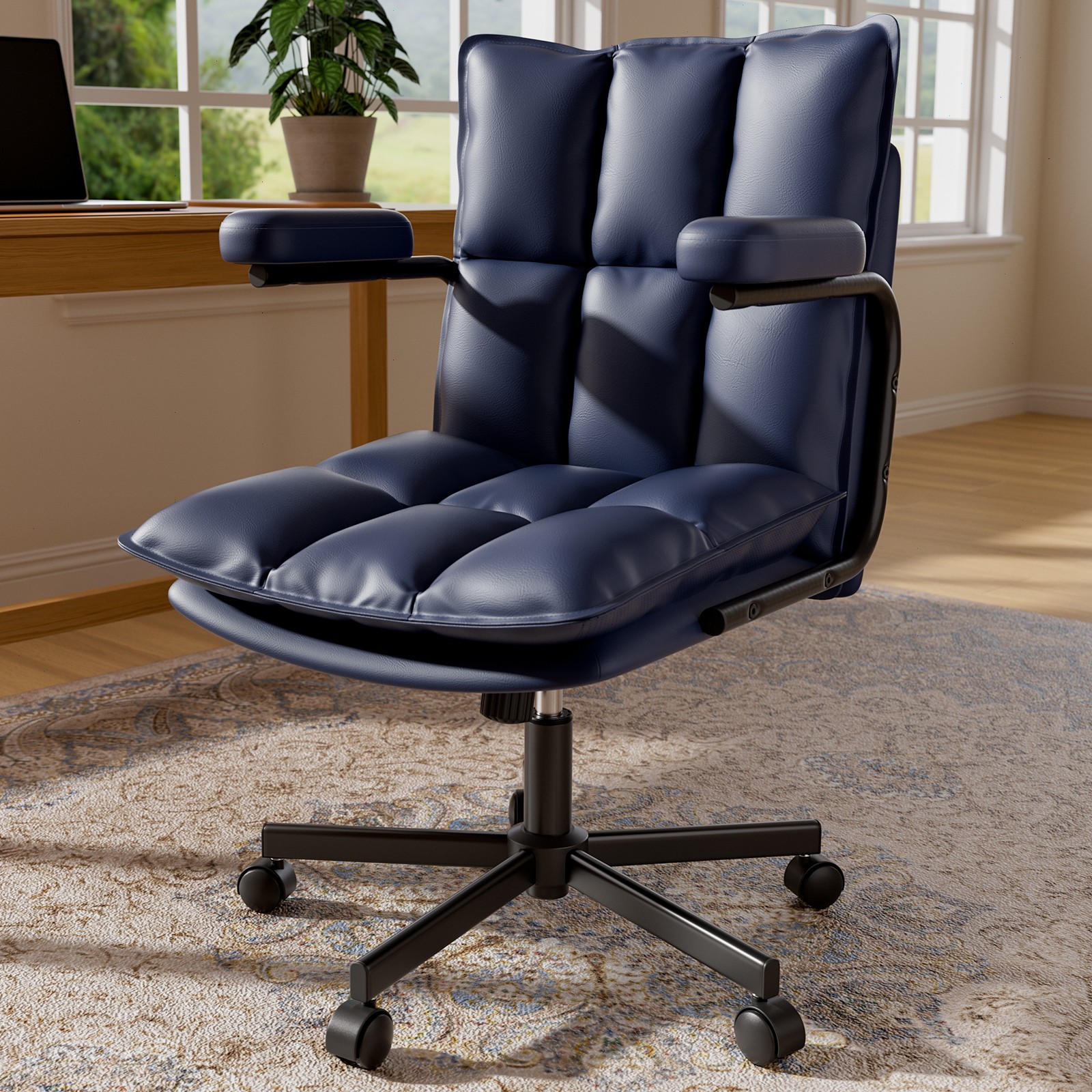
Hans J. Wegner
Denmark · 1940s
The Wishbone & 500 chairs — joinery so pure it needs no ornament.
The Wishbone & 500 chairs — joinery so pure it needs no ornament.
Top piece
View →
Jean Prouvé
France · 1930s
Structural steel & the Standard chair — an engineer of furniture.
Structural steel & the Standard chair — an engineer of furniture.
Top piece
View →
Arne Jacobsen
Denmark · 1950s
The Egg & the Series 7 — chairs turned into quiet sculpture.
The Egg & the Series 7 — chairs turned into quiet sculpture.
Top piece
View →
Continue the edit
Further stories from the same world
Three more walks through the same vintage universe.

The Band Tee Guide for London
A band tee is a souvenir somebody else brought home. The faded print, the softened cotton, the fact that it survived thirty years of washing.
Read the story →
London's Best Bag Hunting, Shop by Shop
The small shoulder bag is back, and the originals are still out there. A nylon bag from 1999 or a mini baguette from the same year carries a specific kind of confidence.
Read →
The Leather Jacket That Earns Its Scars
A good vintage leather jacket is not a costume. It is a second skin with a past, and the trick is learning to wear the story without letting it wear you.
Read →