
 Sign in
🔥 Fashion · London
London's Best Denim Rails
Vintage denim fits differently because it was cut differently. Higher waists, straighter legs, heavier cotton that holds its shape all day.
 By Louis Trash·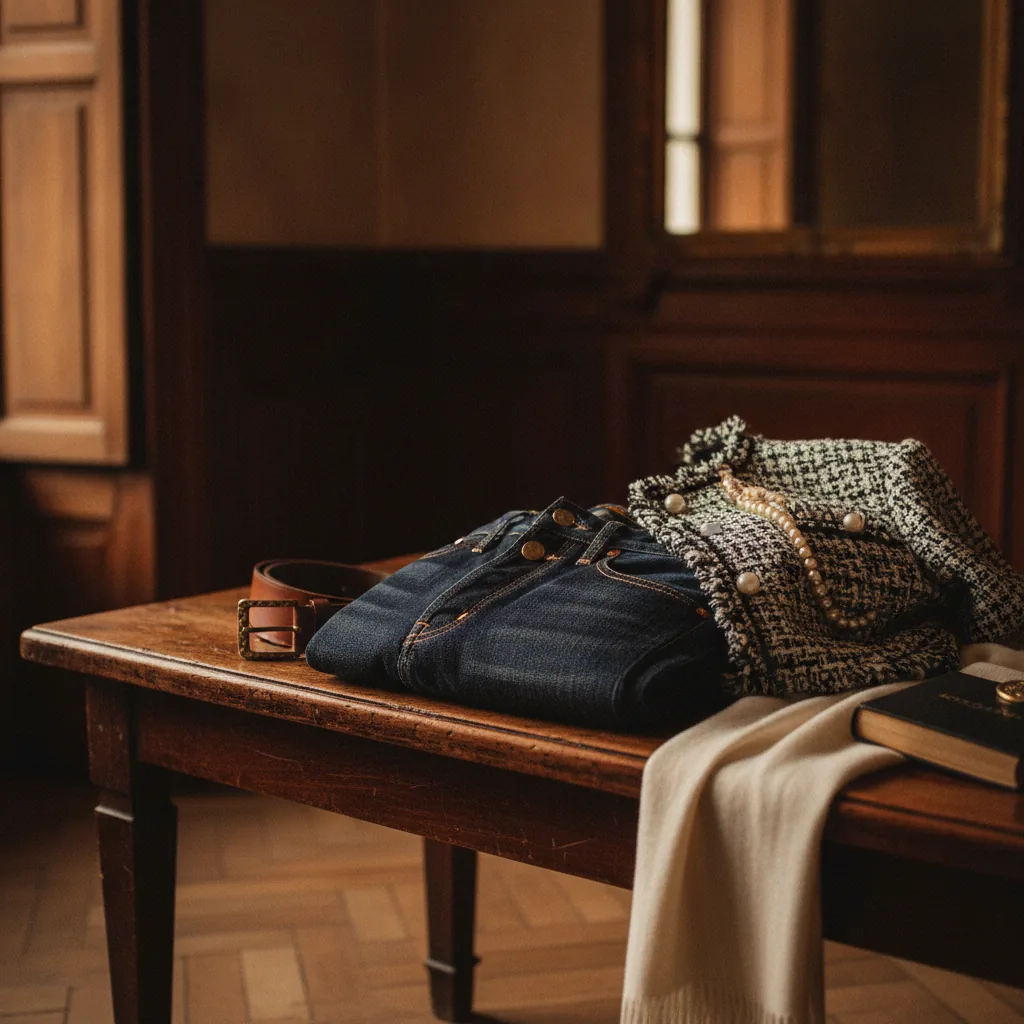
Why Denim Matters Now
Vintage denim fits differently because it was cut differently. Higher waists, straighter legs, heavier cotton that holds its shape all day. And the fade is real, earned by somebody else's decade of wearing. That is the whole point. A pair of 1980s Levi's 501s has already been broken in by someone who sat in them on a bus, knelt to garden in them, spilled coffee on them at a kitchen table in Peckham. The fabric has a memory you can't fake with a stone wash.
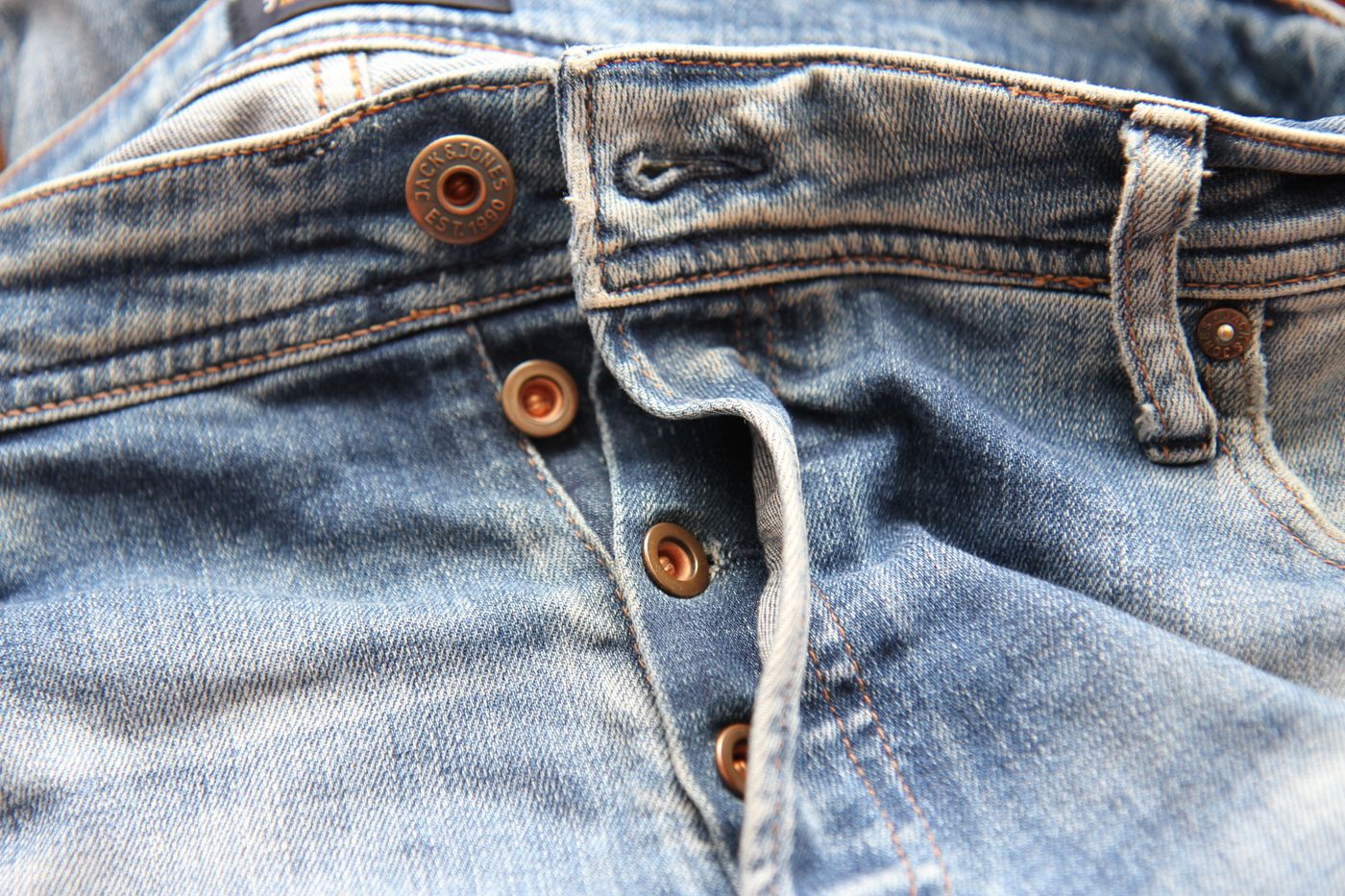
Foto: Dragan Tomić · Pexels
In Paris, vintage denim is often worn with sharp tailoring, as if the jeans are a cheeky aside to a suit. In New York, it's about the label and the rarity. Here, the best-dressed people on the street treat jeans as workwear, even if their work is just walking around Shoreditch. The knees might be worn through, the hems frayed, and that is exactly right. A pair of vintage jeans in London should look like they've been your jeans for a decade, not someone else's for two.
The current obsession with vintage denim has a practical root. Modern jeans are cut with stretch, which means they bag out in the knees by lunchtime. Vintage denim is 100 percent cotton, often 14 or 15 ounces, and it holds a crease. It sits at the natural waist, which is more flattering for most bodies than the hip-hugging cuts that have dominated for years. And because the fabric is rigid, it moulds to your shape over time. Not the other way around.
How to Wear It
Let them sit at the natural waist. That is where the cut was designed to land. A 1980s pair of 501s has a rise of about 11 inches, which puts the waistband at your belly button. That might feel high if you've spent the last decade in low-rise jeans, but trust the cut. Tuck in a t-shirt, or leave a shirt untucked with the hem just grazing the top of the fly. The proportions work because the leg is straight, not skinny, so the volume balances the high waist.

Foto: Cherry’s POV · Pexels
Hem them yourself and leave the raw edge. A clean chop looks better than a factory finish. Use a sharp pair of scissors, put the jeans on, and mark where you want them to fall. Just above the ankle bone if you want them to break over a boot, or an inch above if you plan to cuff. Cut, then wash them once to let the edge fray slightly. Do not ask a tailor to hem them with a folded seam. That looks too precious, too considered. London style is about looking like you didn't think too hard, even when you did.
Pair heavy denim with something soft. Fine knitwear, a silk shirt. Keep the balance right. A chunky cable-knit sweater with raw-edge jeans is a classic London look, but if you want to dress them up, try a pale blue Oxford shirt, unbuttoned at the collar, with a pair of brown suede loafers. The key is contrast. The jeans are rugged, so let the rest of the outfit be gentle. Avoid pairing them with a leather jacket and boots unless you're going for full biker cosplay. That's a costume, not an outfit.
Where to Find Yours in London
- Rokit Brick Lane (101 Brick Lane) - dependable, huge, strong on denim and outerwear, from around 20 euros. The stock turns over fast, so check the denim rail every few weeks. They have a good selection of 90s Levi's and Wranglers, often with original fades. I've found a pair of 1970s Lee cords there for £25 that I still wear.
- Blitz London (55-59 Hanbury Street) - department-store scale, everything properly sorted, from around 45 euros. This is the place to go if you want a specific wash or fit. They label everything by era and style, so you can ask for "straight leg, 1980s, medium wash" and they'll pull out five pairs. The prices are higher, but the curation saves you hours of digging.
- Portobello Road Market (Portobello Road, Notting Hill) - Friday and Saturday for the serious dealers, from around 60 euros. The market has been a denim hunting ground since the 1960s, when the first vintage stalls appeared. On a good Friday, you'll find dealers with racks of Japanese repros and original 1960s Levi's, but you'll have to get there early and be prepared to haggle. Bring cash, because some stalls don't take cards.
- Retromania (6 Upper Tachbrook Street) - charity-shop prices, genuinely good finds, from around 90 euros. This is a small, chaotic shop near Victoria Station that often has a rail of vintage jeans for under £50. The stock is unpredictable, but I've found a pair of 1970s Wrangler flares there for £40 that needed only a hem. The owner doesn't sort by size, so be prepared to rummage.
Go on a weekday morning if you can. The rails are fullest before the weekend crowd arrives, and staff have time to show you what came in overnight. On a Tuesday at 10am, Rokit is quiet enough to take your time. On a Saturday, you'll be elbowed out of the way by teenagers looking for band t-shirts. If you can't go during the week, go when the doors open on a weekend. The first hour is always the best.
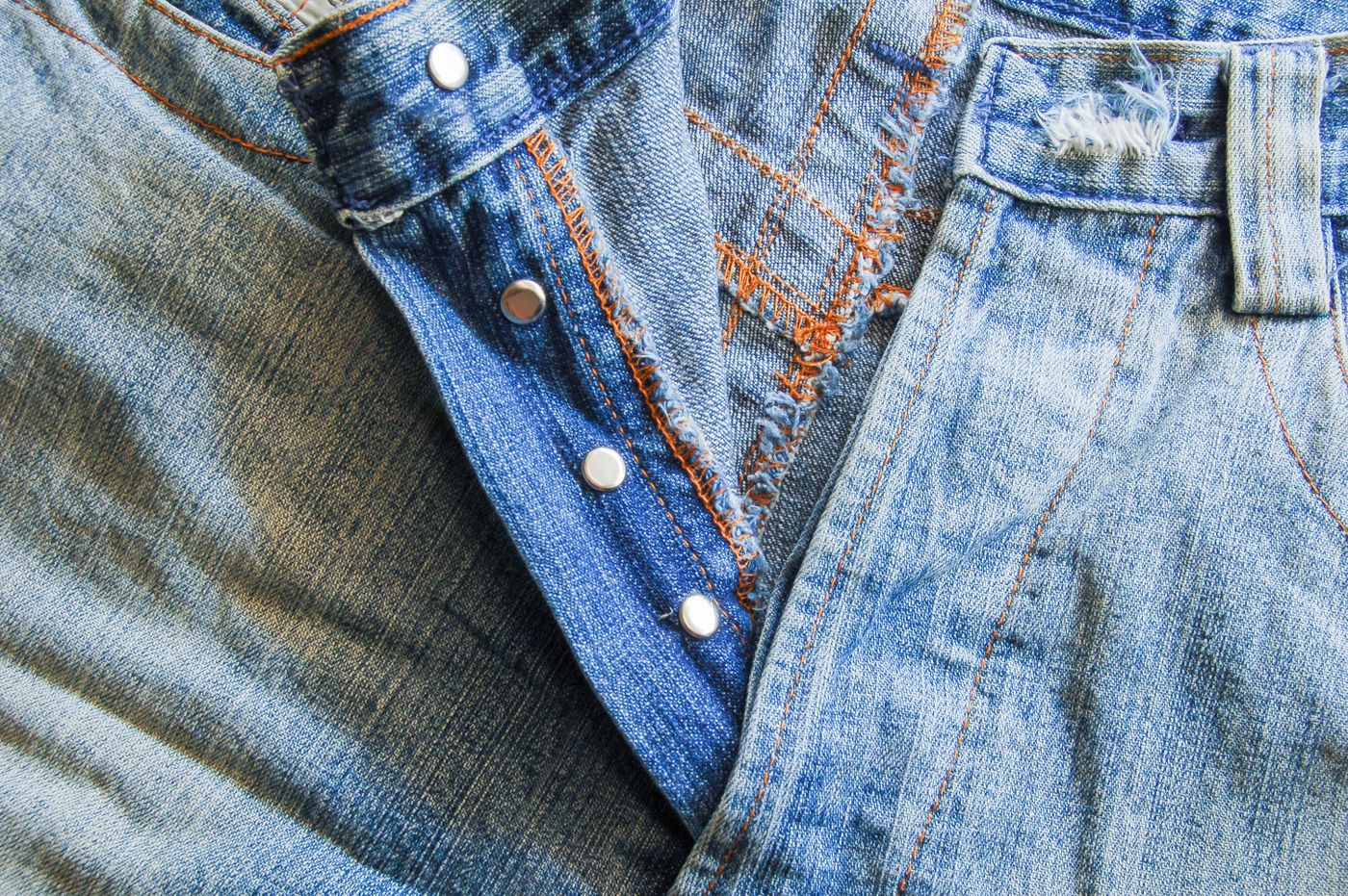
Foto: Srattha Nualsate · Pexels
What to Look For
Check the back patch and the button stamp for a number that dates the pair. On Levi's, the back patch has a number (501, 505, 517) and the button on the fly has a code that tells you the factory and year. A pair with a leather patch and a capital "E" on the red tab dates from before 1971; after that, the "e" is lowercase. That's a quick way to tell a 1960s pair from a 1970s pair. But don't get too caught up in the date. A 1990s pair of 501s is still a great buy if the denim is thick and the fades are natural.

Selvedge. A clean white line inside the outseam. It means older, better cotton. Selvedge denim was woven on narrow looms, which produced a tighter, more durable fabric. It's not essential, but it's a sign of quality. To check, roll up the cuff or look inside the leg opening. If you see a thin white or red line running along the seam, that's selvedge. It also means the jeans were probably made in Japan or the USA, not in a mass-production factory.
Try them on. Vintage sizing runs small, so ignore the number on the tag and trust the waistband. A pair of 1980s Levi's marked 32 will likely measure 31 inches across the waist. That's because denim shrinks over time, and the original owner probably washed them in hot water. So don't be alarmed if the tag says 34 and you normally wear 32. The real test is whether you can button them without sucking in, and whether you can sit down without the waistband digging in.
Fraying at the crotch is the one repair that is rarely worth it. A small hole can be patched, but if the fabric is thinning along the seam, it will keep ripping no matter what you do. Walk away. Other repairs are fine. A missing button can be replaced, a ripped pocket can be sewn, a frayed hem can be chopped. But crotch blowouts are a dealbreaker unless you're buying them for £5 and plan to turn them into shorts.
One last thing. Try it on properly, walk around in it, and sit down. A pair of vintage jeans that only works standing still is not going to survive your actual life. You'll spend hours sitting on buses, walking along the South Bank, crouching to tie your shoes. The jeans need to move with you. If they're too tight in the thigh when you sit, they'll split within a month. If the waistband gapes at the back, they'll slide down when you walk. Take your time. The right pair is worth the hunt.
The names
The designers behind the look
The minds behind this story — each with a piece currently on the market.
Levi's
USA · 1850s
The 501 & Americana denim
The 501 & Americana denim
Armani
Italy · 1970s
The power suit & soft tailoring
The power suit & soft tailoring
Calvin Klein
USA · 1960s
Minimalism & the 90s slip
Minimalism & the 90s slip
Dior
France · 1940s
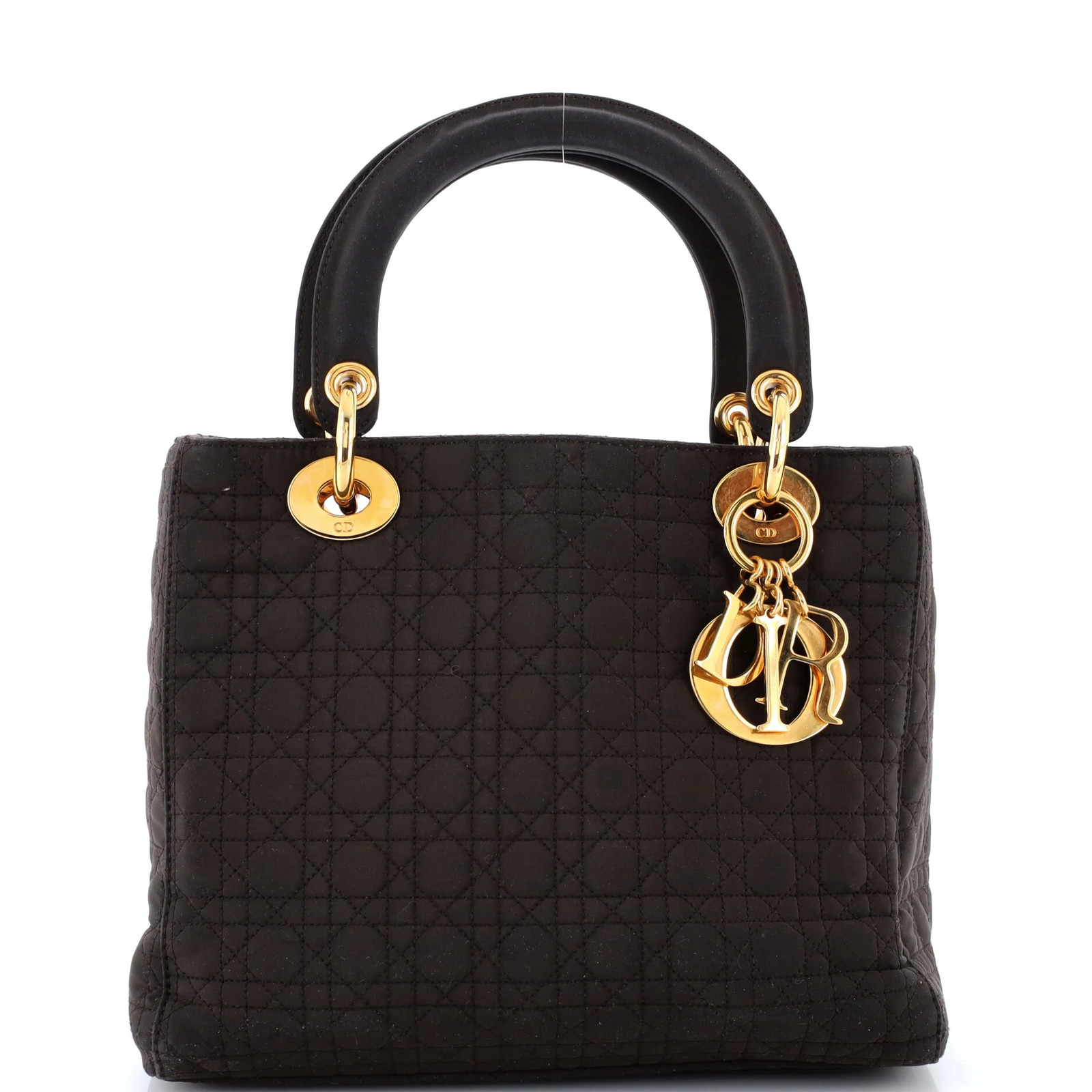
The New Look & the Lady Dior
The New Look & the Lady Dior
Top piece
View →
Continue the edit
Further stories from the same world
Three more walks through the same vintage universe.

The Band Tee Guide for London
A band tee is a souvenir somebody else brought home. The faded print, the softened cotton, the fact that it survived thirty years of washing.
Read the story →
London's Best Bag Hunting, Shop by Shop
The small shoulder bag is back, and the originals are still out there. A nylon bag from 1999 or a mini baguette from the same year carries a specific kind of confidence.
Read →
The Leather Jacket That Earns Its Scars
A good vintage leather jacket is not a costume. It is a second skin with a past, and the trick is learning to wear the story without letting it wear you.
Read →