
 Sign in
✦ Culture · Paris
How to Buy Vintage Sneakers in Paris
Retro sneakers have a shape that modern performance shoes lost: lower, narrower, with a sole that does not look like engineering. Worn ones look right immediately, which is the whole appeal.
 By Louis Trash·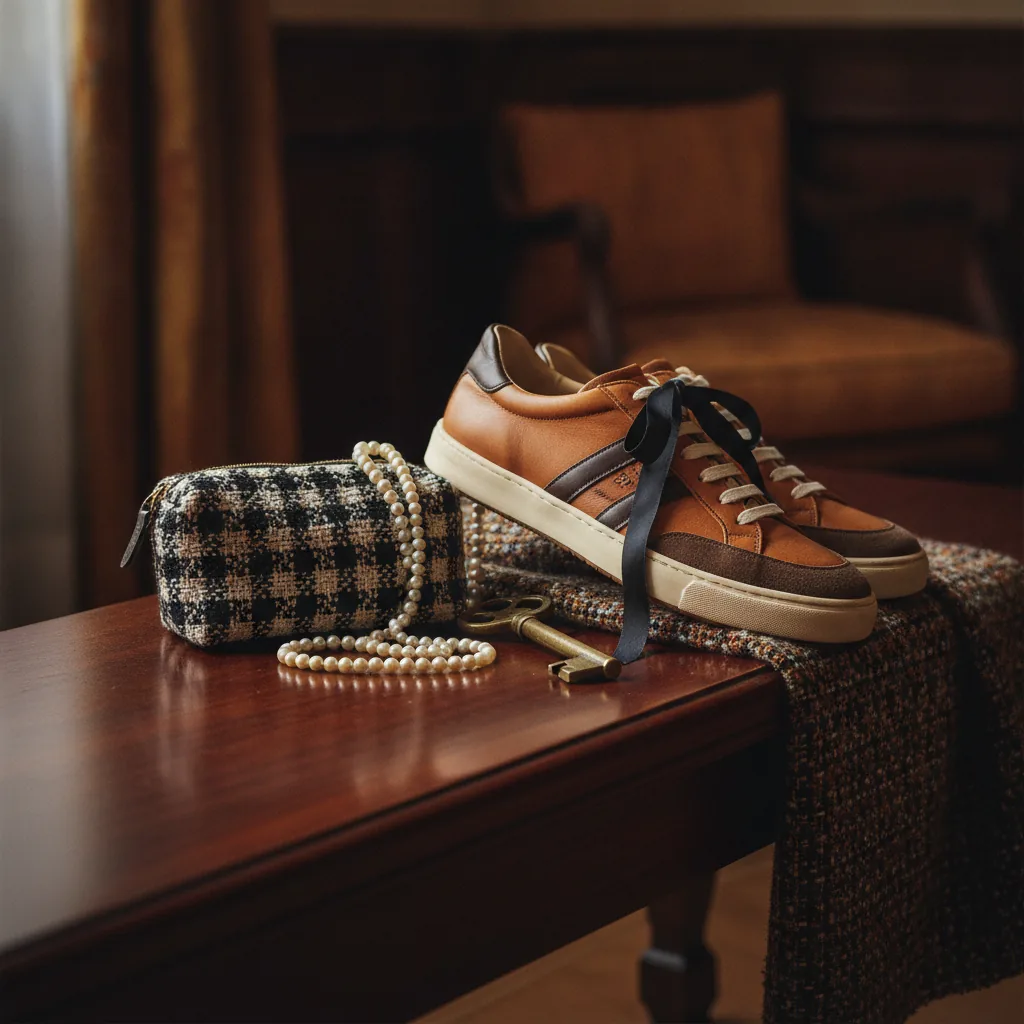
Why Sneakers Matter Now
Retro sneakers have a shape that modern performance shoes lost: lower, narrower, with a sole that does not look like engineering. Worn ones look right immediately, which is the whole appeal. The chunky, high-tech trainers of today are designed for cushioning and bounce, but they forgot about elegance. A retro pair from the 1970s or 1980s sits close to the ground, with a slim profile that slides under a tailored trouser without a fight. The leather may be scuffed, the rubber yellowed, but that patina is the point. It says you've lived, not just run.

Foto: Jonathan Cooper · Pexels
That is the whole trick. A vintage sneaker is the kind of piece that can anchor an outfit if you let it. On the metro, in a café, walking along the Seine, it whispers rather than shouts. The French have a term, 'je ne sais quoi', that elusive quality of effortless style. A pair of vintage sneakers, worn with a crisp shirt and unstructured blazer, captures it better than any new purchase.
How to Wear It
Go with a cropped or cuffed trouser so the whole shoe is visible. The hem should hover just above the ankle, showing off the low cut and the curve of the sole. A slight break in the front, a clean line in the back. That's the goal. Avoid puddling fabric; it hides the very details that make retro sneakers special.
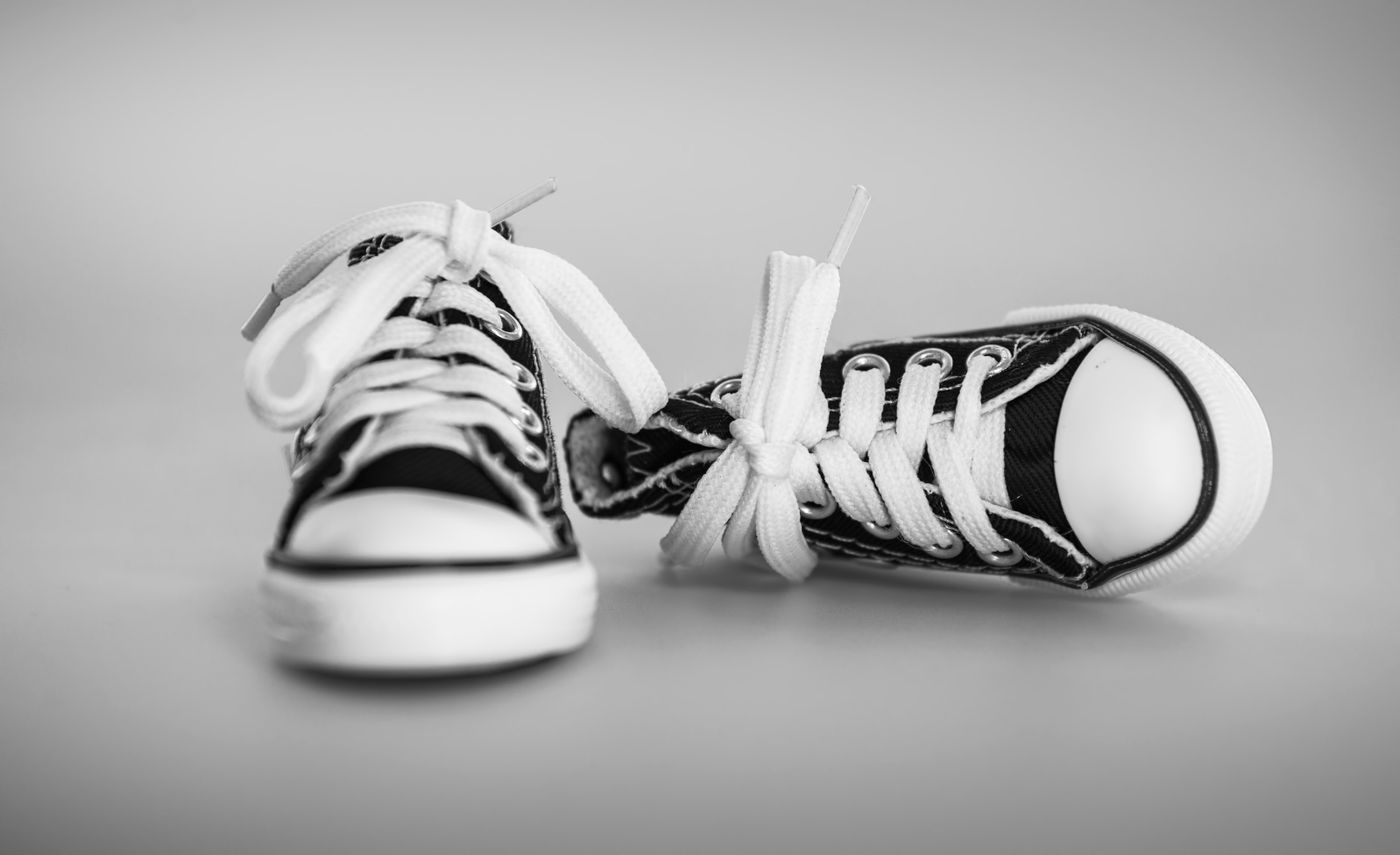
Foto: Frans van Heerden · Pexels
Old sneakers with tailoring is still the best trick in menswear. The contrast between a structured jacket and a worn-in sneaker creates a tension that's both relaxed and sharp. For women, the same principle applies: pair them with a midi skirt and a silk blouse, or with wide-leg trousers and a fitted turtleneck. The key is to let the sneaker be the unexpected element, not the whole story.
Leave the scuffs. Cleaning them to perfection kills the effect. A vintage sneaker that looks like it just came off the shelf is a dead giveaway that you paid too much and don't understand the culture. The worn leather, the creased toe box, the faded sole. Those are the signs of a shoe that has been lived in, and that's precisely what makes it stylish. If you must clean, use a damp cloth and saddle soap, but don't go after every mark. Embrace the imperfection.
Where to Find Yours in Paris
- Kilo Shop Marais (69 Rue de la Verrerie) — priced by weight, dig properly and you win, from around 20 euros. This is the treasure hunt of the vintage world. You weigh your finds, and the price depends on the total weight. A pair of 1980s Adidas might be lumped in with a pile of generic trainers, so you need to sift through the bins with patience. Look for leather quality and the classic three stripes or a swoosh. The best pairs are often buried under newer stuff.
- Free'P'Star (8 Rue Sainte-Croix de la Bretonnerie) — the basement bins reward patience, from around 45 euros. This is a grungy, chaotic shop that feels like a flea market in a basement. The sneakers are mostly in the back, piled in bins. You'll have to dig, but that's part of the fun. I once found a pair of 1987 Con Weapons in near-perfect condition for 50 euros. The trick is to go when they're not busy, because the staff will let you rummage without judgement.
- Thanx God I'm a V.I.P. (12 Rue de Lancry) — sorted by colour, designer rails near the front, from around 60 euros. This shop is more curated, with a focus on high-end vintage. The sneakers are behind a glass case, but you can ask to see them. They have a rotating stock of 1990s Nike, Adidas, and occasionally rare gems like a pair of vintage New Balance 990s. The staff know what they have, so the prices are higher, but the condition is usually excellent.
- Marche aux Puces de Saint-Ouen (142 Rue des Rosiers, Saint-Ouen) — weekend only, Vernaison for the rare things, from around 90 euros. The largest antique market in the world, and it's a Saturday morning ritual for Parisians. The Vernaison section has a few stalls dedicated to vintage clothing and sneakers. Here you'll find dealers who know their stuff, so you'll pay a premium, but you might also find a rare pair of 1970s Pumas or a pair of original Adidas Gazelles from West Germany. Go early, before the crowds, and bring cash. Many stalls don't take cards.
Go on a weekday morning if you can. The rails are fullest before the weekend crowd arrives, and staff have time to show you what came in overnight. On a Tuesday at Kilo Shop, I had the place almost to myself. The staff pulled out a box of 1980s Reebok Classics that hadn't hit the floor yet. That's the kind of access you get when you're not fighting for space.
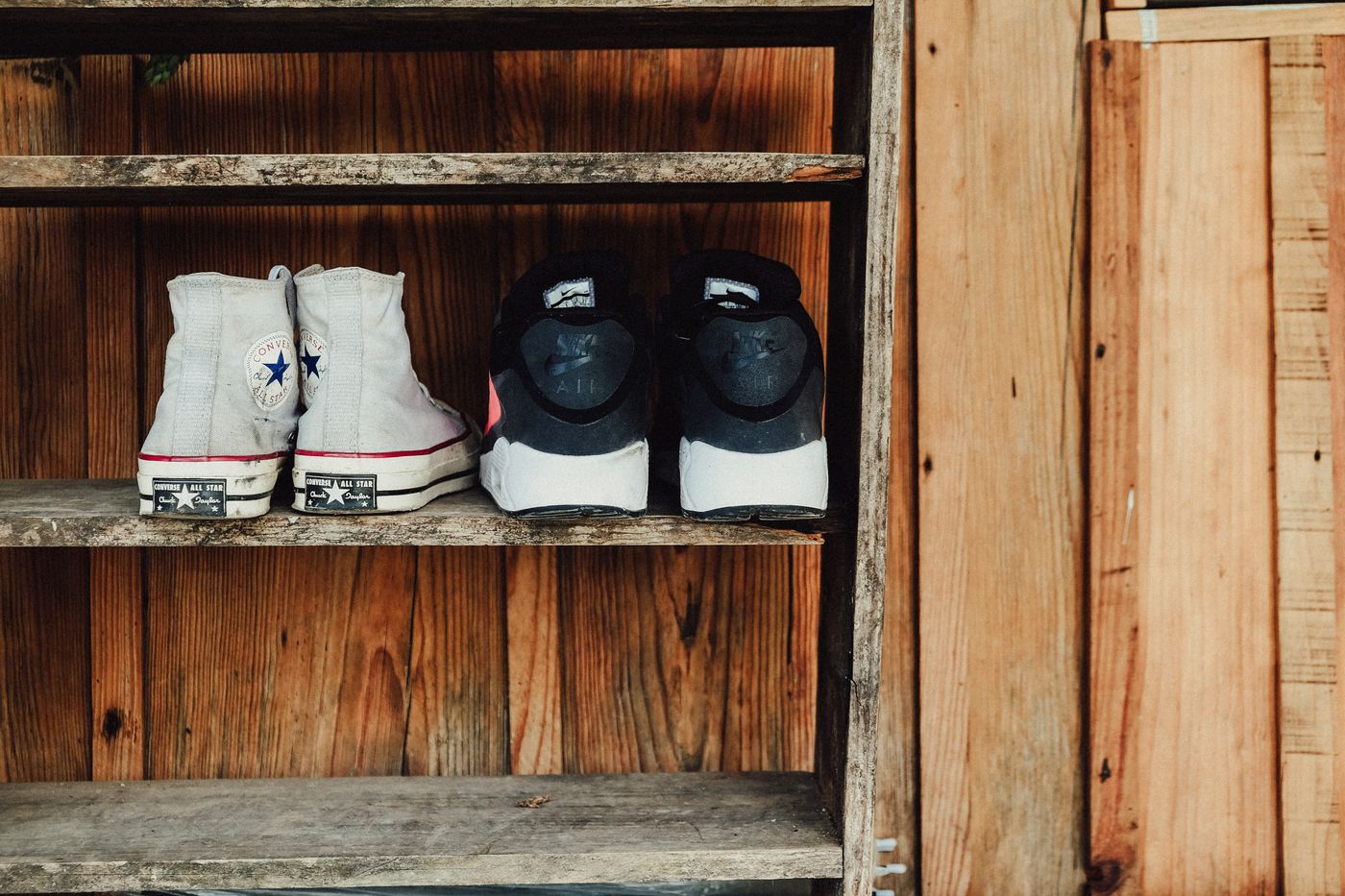
Foto: Dương Nhân · Pexels
What to Look For
Press the midsole with a thumb. If it crumbles or feels chalky, the foam has gone and no amount of style will save it. This is the single most important test. The midsole of a vintage sneaker is made of polyurethane, which degrades over time, especially if it's been stored in a hot attic. If it cracks or flakes, the shoe is done. You can't repair it, and it will fall apart the first time you walk a mile.
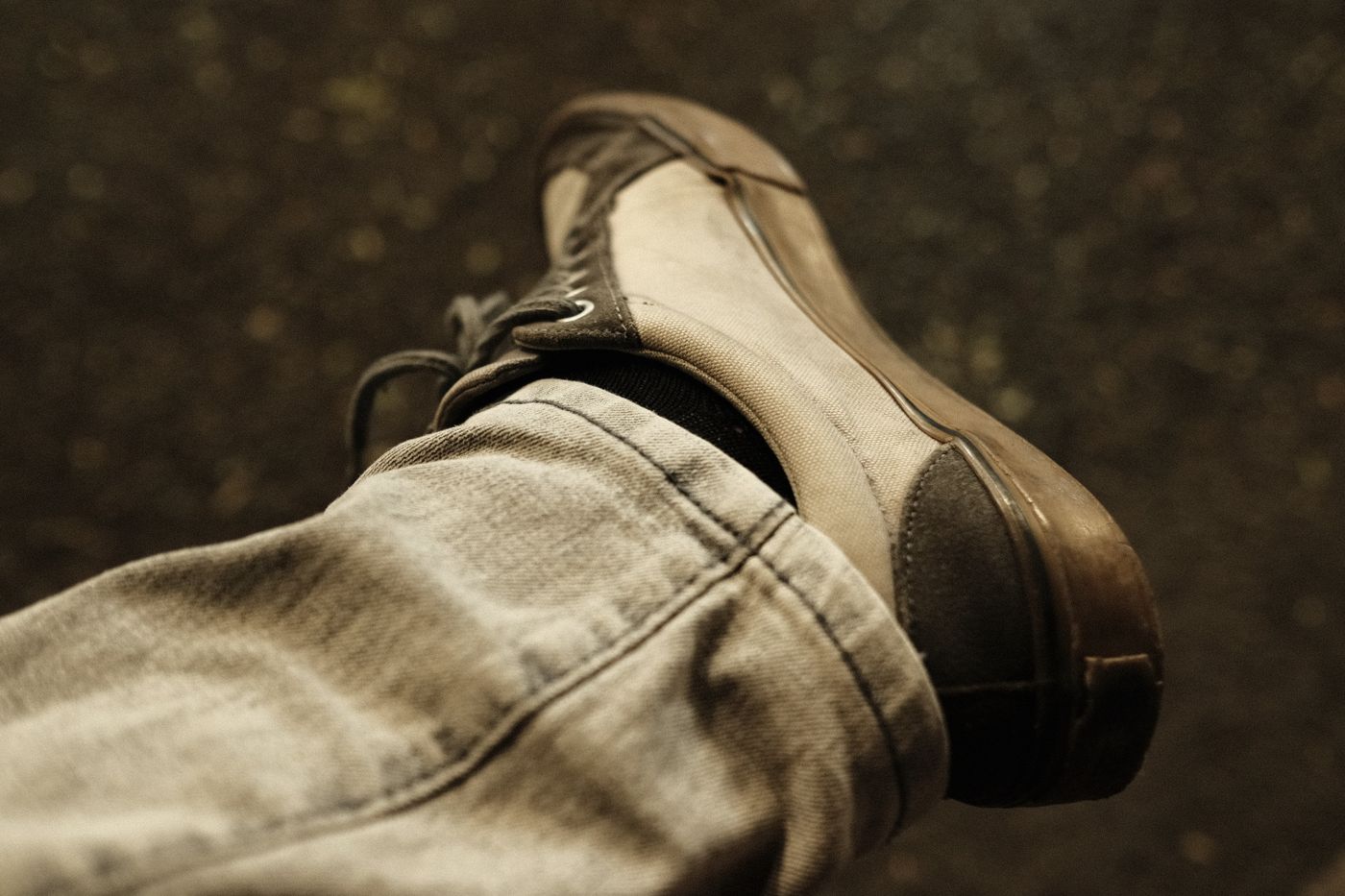
Foto: Nguyễn Minh Thắng · Pexels
Check the glue line at the toe for lifting. The toe cap is where the upper meets the sole, and if the glue has dried out, the sole will start to separate. Look for any gaps or peeling. A little separation can be fixed by a cobbler, but if it's extensive, it's not worth the hassle.
Look inside at the heel for a date stamp. Many vintage sneakers have a manufacturing date printed on the heel or the tongue. It can be a simple four-digit code, like 0481 for April 1981, or a more complex code. This helps you verify the age and authenticity. A genuine vintage pair from the 1980s will have a different construction and materials than a modern reissue, and the date stamp is your proof.
Deadstock is lovely but old glue fails, so shoes that have been worn a little often last longer. A pair that has been worn has already passed the test of time. If the glue held, it's likely to hold for a while longer. Deadstock, on the other hand, has been sitting in a box for decades, and the glue may be brittle. I've seen deadstock pairs crumble within a month of wearing. So don't be afraid of a little wear; it might be your best bet for longevity.
The History of the Retro Sneaker
The story of the retro sneaker begins in the 1970s, when running shoes were still minimal. The Nike Waffle Trainer, introduced in 1974, used a waffle iron to create a sole with better traction. That shoe, with its low profile and simple leather and nylon upper, is a perfect example of what we now call retro. In the 1980s, the jogging boom made sneakers mainstream, and brands like Adidas, Puma, and New Balance competed for the streets. The Adidas Stan Smith, originally a tennis shoe from 1965, became a fashion staple in the 1970s and never really went away. It's the quintessential retro sneaker: clean, white, and understated.
In Paris, the retro sneaker has always had a place. In the 1980s, the 'French Tuck' — a look popularized by the fashion icon Jean Paul Gaultier — paired a tucked-in shirt with high-waisted trousers and a pair of low-top sneakers. That aesthetic has influenced how Parisians dress today. The vintage sneaker is not just a shoe; it's a piece of history that you can wear.
When you buy a vintage sneaker in Paris, you're buying into that history. You're walking in the footsteps of the artists, musicians, and writers who populated the Left Bank in the 1950s, the hip-hop heads of the 1980s, and the fashionistas of the 2000s. Each scuff tells a story. And in a city that values style above all, that's worth more than any new pair.
So, take your time, dig through the bins, try on a few pairs, and when you find the one, walk out of the shop with a spring in your step. You're not just buying a pair of shoes; you're buying a piece of Parisian style, and that's something that never goes out of fashion.
City
Paris
Category
vintage sneakers
Published
8 August 2026
The names
Meet the designers
The minds behind this story — each with a piece currently on the market.
Adidas
Germany · 1940s
The three stripes & the Samba
The three stripes & the Samba
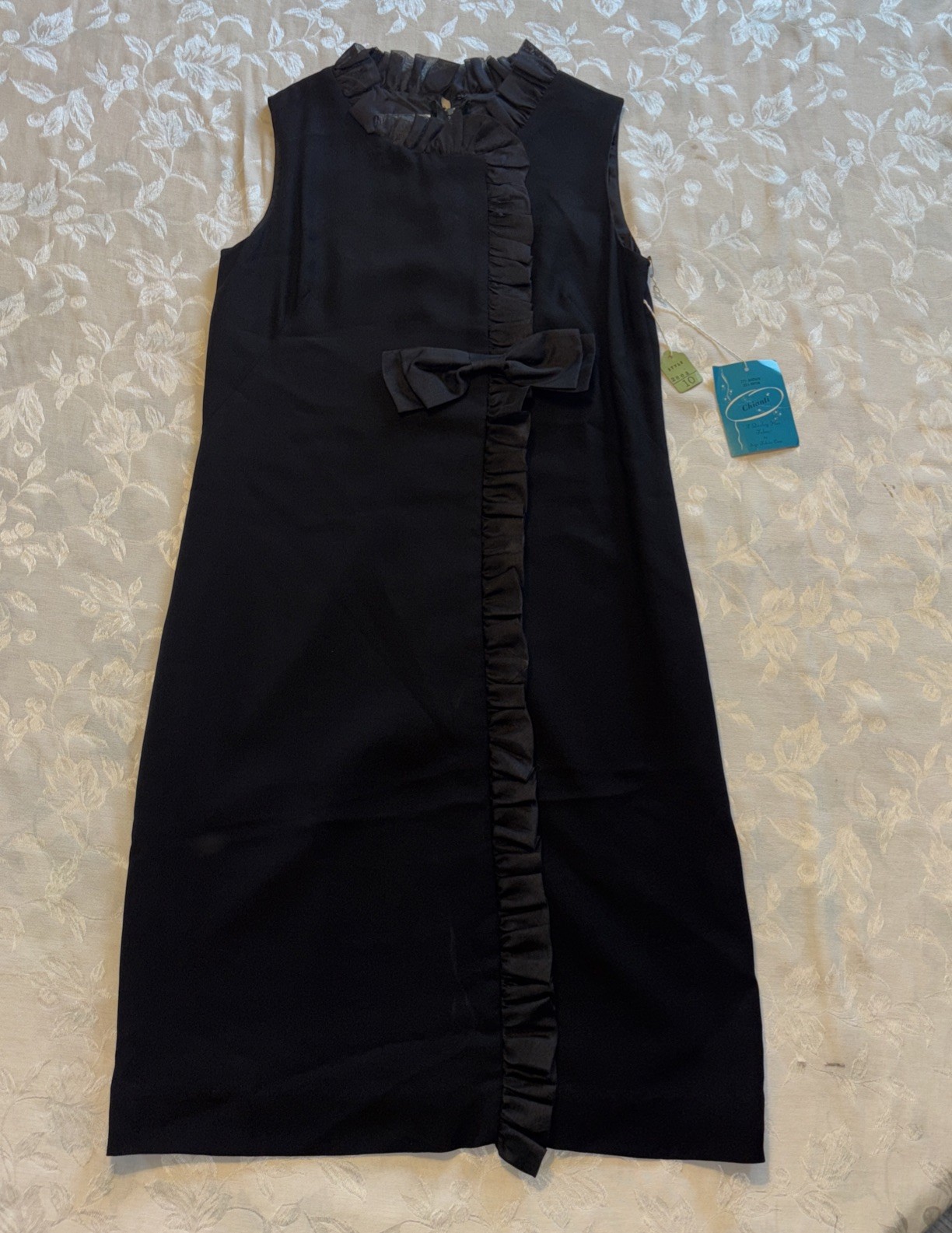
New Balance
USA · 1900s
The 550 & dad-shoe comfort
The 550 & dad-shoe comfort
Top piece
View →
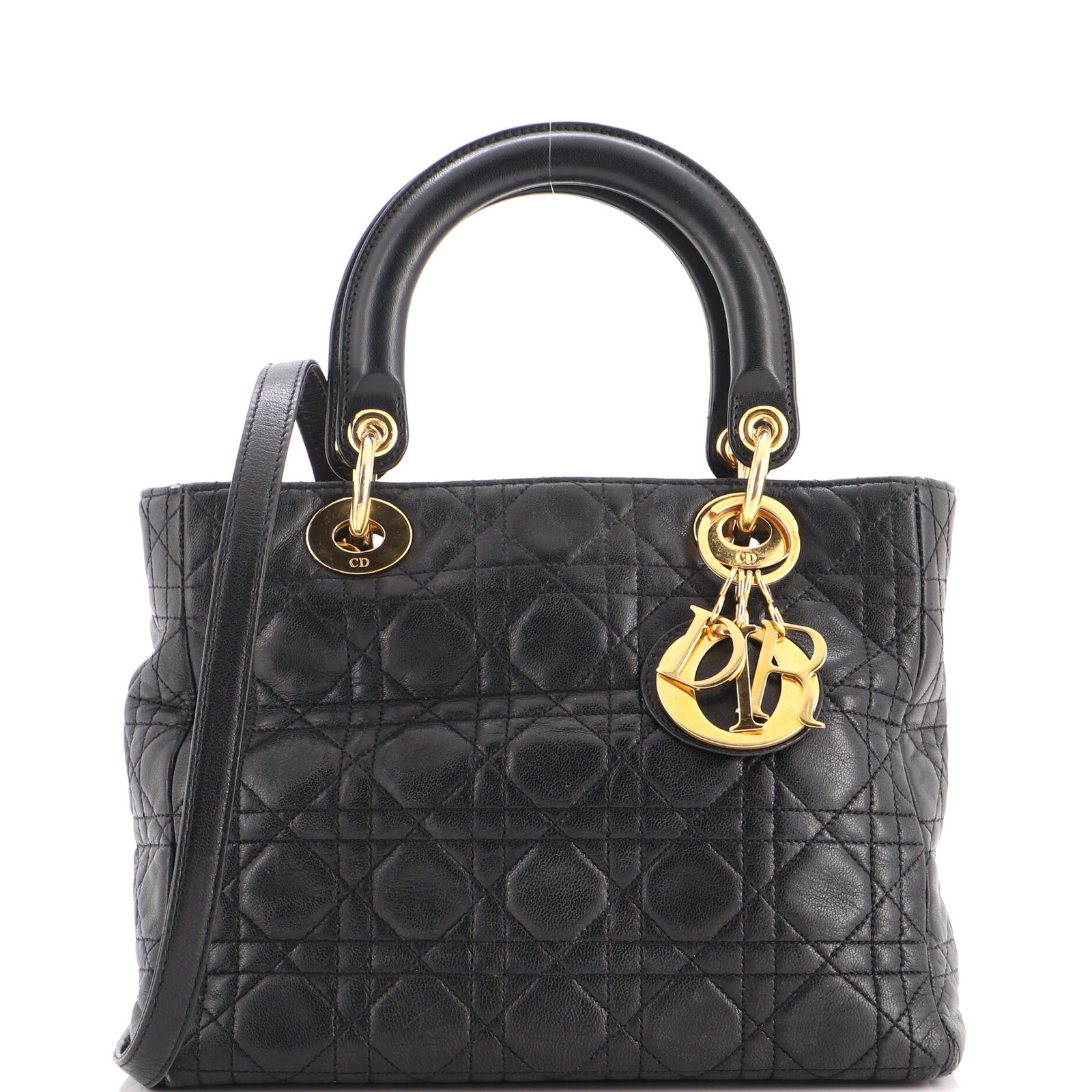
Dior
France · 1940s
The New Look & the Lady Dior
The New Look & the Lady Dior
Top piece
View →
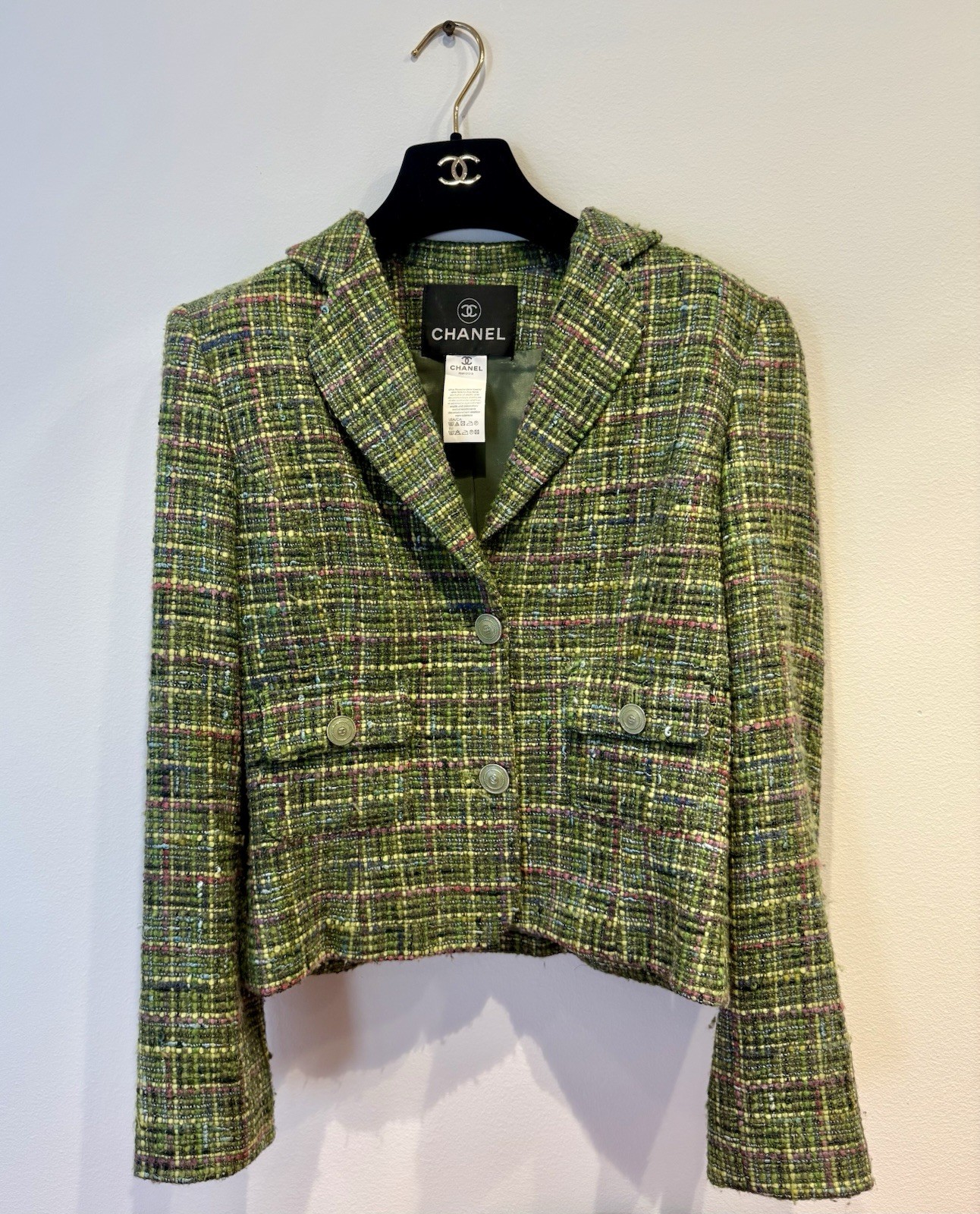
Chanel
France · 1910s
The little black dress & the 2.55
The little black dress & the 2.55
Top piece
View →
Continue the edit
Further stories from the same world
Three more walks through the same vintage universe.

How to Find Jeans That Actually Fit in Paris
Vintage denim fits differently because it was cut differently. Higher waists, straight legs, heavier cotton that holds its shape all day.
Read the story →
The Quiet Authority of Vintage Italian Furniture
How to wear Gio Ponti's legacy without looking like a museum piece.
Read →The Gio Ponti Chair You Can Wear
Forget the auction paddles. A 1950s Gio Ponti chair is a silhouette that will sharpen everything you already own. Here's how to live with one, and how to spot a real one.
Read →