
 Sign in
✦ Culture · Berlin
Berlin Time: Wearing Vintage Watches with Purpose
A vintage watch in Berlin is a working object, not a museum piece. It is a small machine that ticks along with you as you cross the Spree, queue for a gallery opening, or sip a late espresso in Mitte.
 By Louis Trash·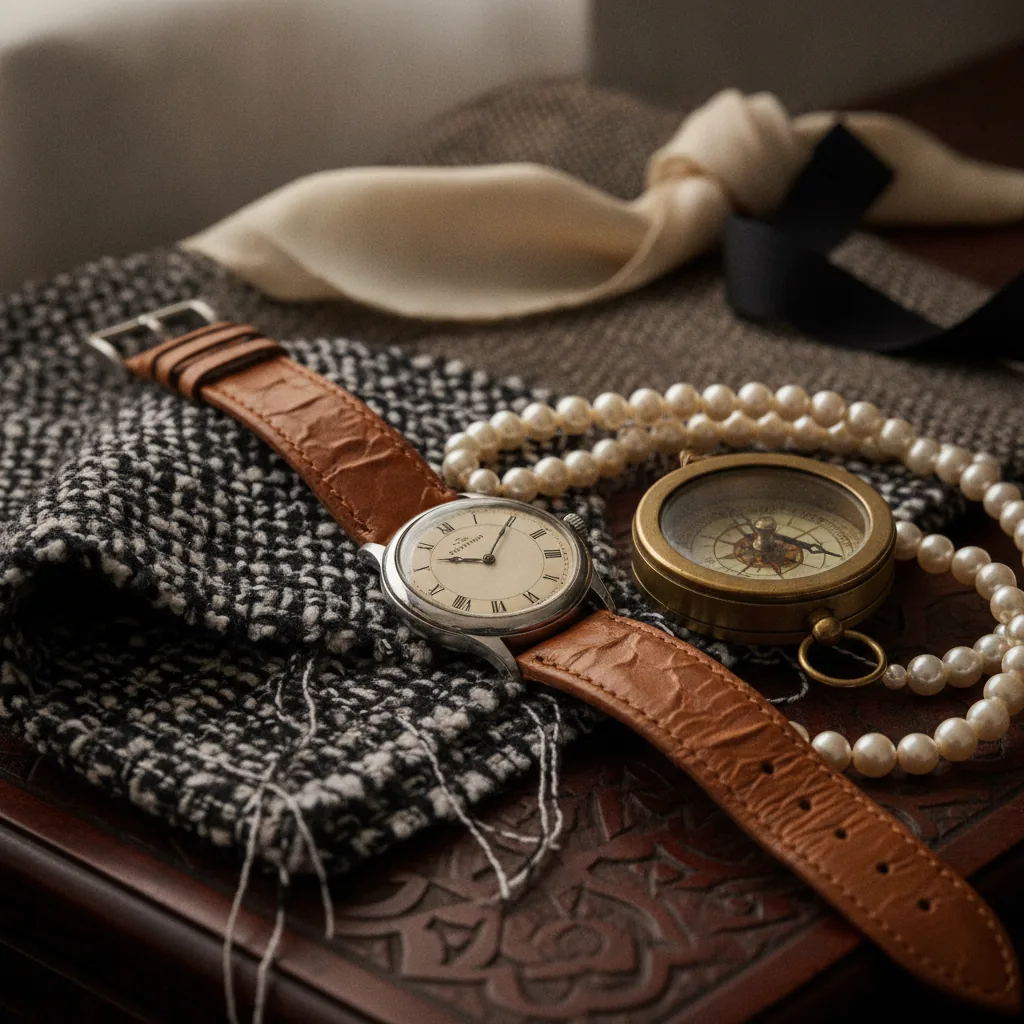
Berlin Time: Wearing Vintage Watches with Purpose
A vintage watch in Berlin is a working object, not a museum piece. It is a small machine that ticks along with you as you cross the Spree, queue for a gallery opening, or sip a late espresso in Mitte. The right one feels like it has always been part of your life, even if it left a Swiss factory decades ago.
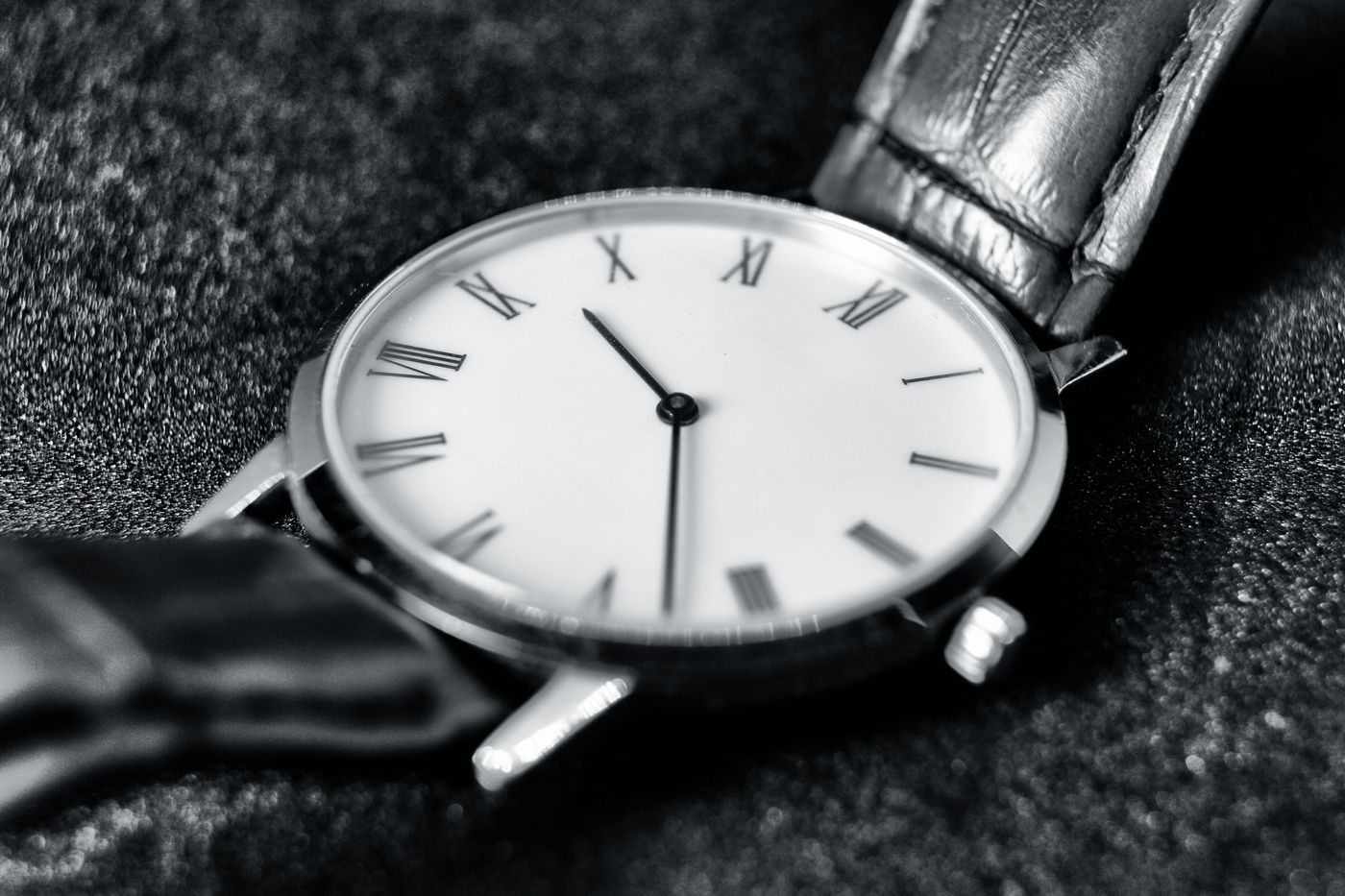
Foto: Mat Brown · Pexels
The Strap Sets the Tone
Start with the strap. In Berlin, leather matters. A worn, dark brown strap with a faded patina suits the city's mix of rough edges and quiet elegance. Avoid shiny metal bracelets unless they are genuinely from the era. Pair a 1960s manual-wind piece with a simple linen shirt and a worn denim jacket. Let the watch sit slightly loose, not tight. That is the Berlin way: comfortable, unbothered, ready for a bike ride.
I remember a friend who wears a 1960s Junghans with a cracked leather strap. He never replaces it. The crack runs along the lug, and he says it records every fall and every late-night U-Bahn ride. That strap is more Berlin than any new watch.
Embrace Imperfection
When you look for a watch, ignore perfection. A dial with a slight fade, a case with honest scratches, a crown that takes an extra second to screw down. These are not flaws. They are stories. A watch that has been serviced and runs well is worth more than a mint example that sits in a drawer. In Berlin's flea markets and small shops, ask to see the movement. A clean, ticking heart matters more than a shiny case.
At Mauerpark flea market on a Sunday, you might find a seller who knows every scratch on his watches. He will tell you which ones have been serviced, which ones run fast, which ones need a new crystal. Trust him. He is not selling investments; he is selling timepieces that work.
The 1970s: Concrete and Color
One era to keep in mind: the 1970s. This was a decade of bold design, and Berlin's brutalist architecture pairs perfectly with a chunky, cushion-shaped case from that time. Think of a Heuer or a Zodiac with a vivid dial, orange or deep blue. These watches were built for action, not for boardrooms. They fit the city's energy, its love of concrete and creativity. If you find one with a date window that pops, you are set.
A 1970s Heuer with a blue dial can be found for around €800 to €1,200 if you are patient. It is a heavy, solid piece that feels like it could survive a construction site. Wear it with a field jacket and a pair of sturdy boots. It will not look out of place at a techno club or a gallery opening in Kreuzberg.
The 1950s Dress Watch: A Quiet Chameleon
Another story: the 1950s dress watch. In Berlin, where evenings can turn from a casual dinner to a late-night club without warning, a slim, hand-wound piece with a silver dial is a quiet chameleon. It works with a blazer or a turtleneck. The key is to wear it with confidence, not as a precious object. Let it bump against doorframes. Let it live.
A 1950s Dugena with a silver dial and a hand-wound movement is a perfect example. It is thin, understated, and fits under a shirt cuff. You can find one for €300 to €500. It will not impress a collector, but it will accompany you from a business meeting to a late-night bar without missing a beat.
Seek Local Character
Avoid the trap of buying what is popular. In Berlin, individuality is the currency. A lesser-known brand from the 1960s, a German maker like Dugena or Junghans, often offers more character than a famous Swiss name. These watches have a local soul. They were worn by people who walked the same streets you walk now. That connection is what makes a vintage watch truly special.
Junghans has a long history in Germany, and their 1960s manual-wind pieces are reliable and affordable. A Dugena from the same era might have a quirky design that you will not see on another wrist. These brands were made for everyday people, not for collectors, and that shows in their honest, functional design.
The Private Conversation
Finally, remember: a vintage watch is not a statement to others. It is a private conversation between you and time. In Berlin, where the past and present collide on every corner, that conversation is always worth having. Choose a watch that speaks to you, not to a collector's guide. Wear it daily, wind it, let it tick. That is the only way to truly own it.
I have a 1960s Junghans with a faded black dial. It cost me €250 at a shop near Alexanderplatz. It runs fast by about a minute a day, but I do not care. It reminds me of the city's rhythm, which is never precise and always alive. That is what a vintage watch should do: fit your wrist and your life, not the other way around.
Practical Buying Tips
If you are new to vintage watches, start with a budget. You can find a decent 1960s or 1970s piece for €300 to €800 if you are flexible on brand and condition. Look for a watch that has been recently serviced, or factor in the cost of a service (around €150 to €300) when negotiating. Check the case for dents, the crystal for cracks, and the crown for smooth winding. A watch with a slightly faded dial is often more affordable and more charming than a pristine one.
In Berlin, try these places: the Mauerpark flea market on Sundays, the antique shops in Prenzlauer Berg, and the small watch dealers near Kurfürstendamm. Do not be afraid to ask questions. A good seller will be happy to show you the movement and explain the watch's history.
Wear It, Don't Store It
The worst thing you can do with a vintage watch is keep it in a drawer. These machines are meant to run. Wear your watch daily. Let it accumulate new scratches. Let it become part of your own story. In a city like Berlin, where history is everywhere, a vintage watch is a way to carry a piece of that history with you, not as a relic, but as a living tool.
So next time you see a vintage watch at a flea market, pick it up. Wind it. Listen to the tick. If it feels right, buy it. Then wear it until it feels like an extension of your arm. That is the Berlin way.
 ✦ The Edit
One to watch
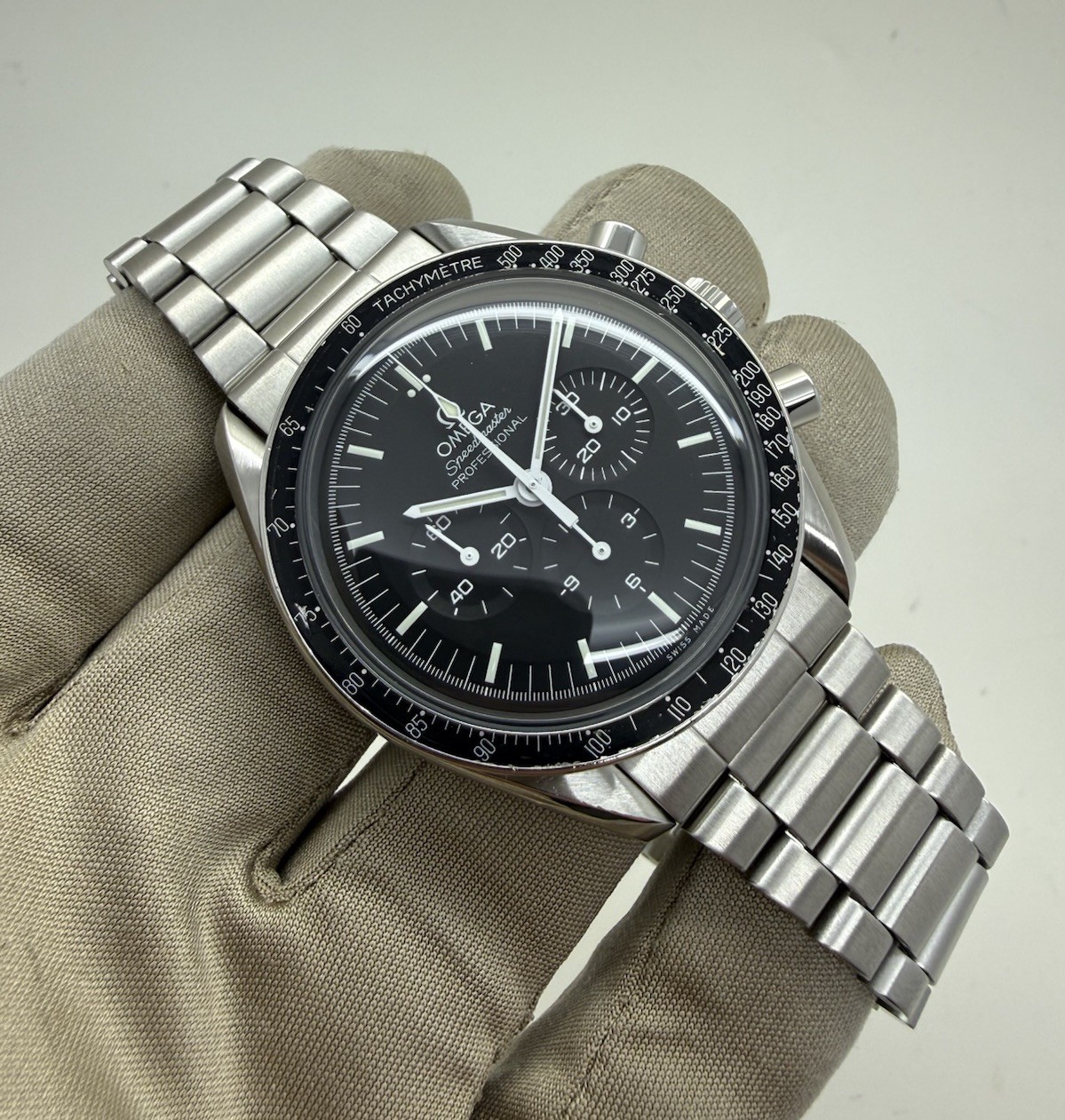
Omega Speedmaster Vintage Black Dial 42mm Steel Manual Wind Watch 145.022-69ST
The watch that went to the moon. This honestly worn watch in steel and black carries exactly the quality that made Omega worth collecting in the first place. This is the kind of thing that only improves the longer you live with it.
On the market now
The names
Meet the designers
The minds behind this story — each with a piece currently on the market.
Calvin Klein
USA · 1960s
Minimalism & the 90s slip
Minimalism & the 90s slip
Top piece
View →
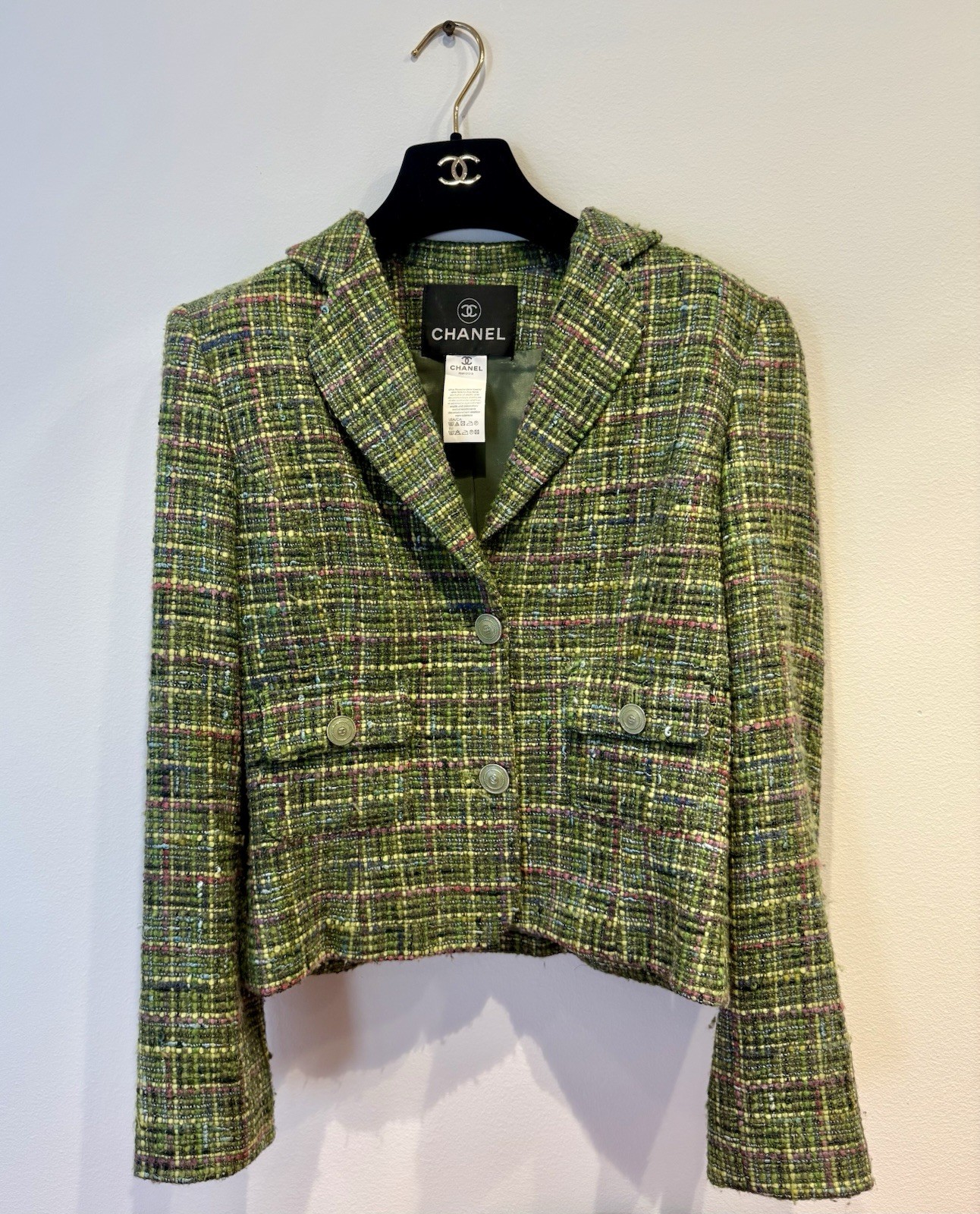
Chanel
France · 1910s
The little black dress & the 2.55
The little black dress & the 2.55
Top piece
View →
Diesel
Italy · 1970s
Washed denim & streetwear
Washed denim & streetwear
Top piece
View →
Dior
France · 1940s
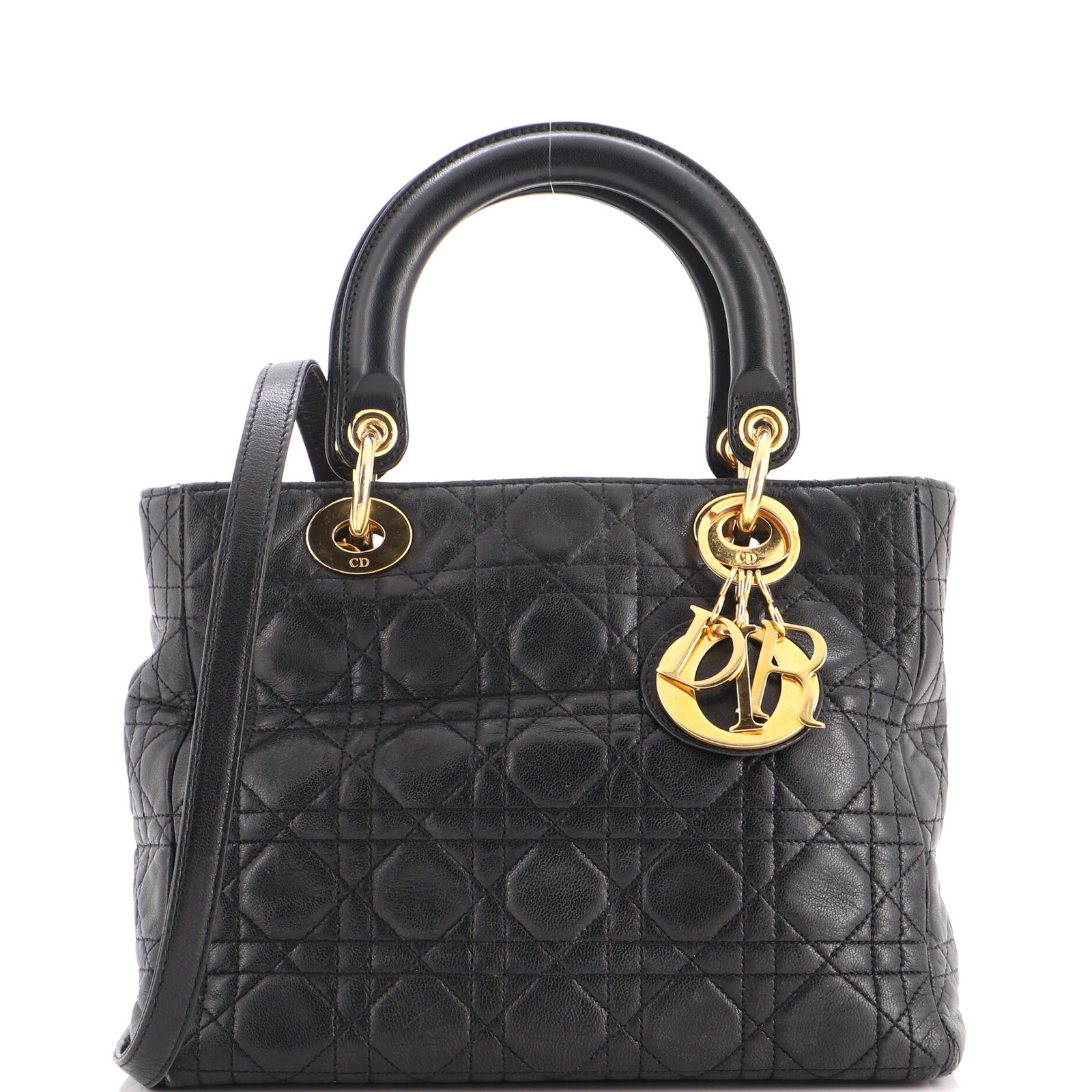
The New Look & the Lady Dior
The New Look & the Lady Dior
Top piece
View →
Continue the edit
Further stories from the same world
Three more walks through the same vintage universe.

The Vintage Designer Bag You'll Actually Wear
A Fendi Baguette from 1999, a Versace Medusa clutch from 1992, a Chanel quilted lambskin from 1985. These are clothes, not investments. Here is how to wear them without looking like a museum docent, and what to check before you hand over your card.
Read the story →The Art of the Carry: Wearing Vintage Designer Bags
Vintage designer bags are not relics. They are the original statement pieces, waiting for a modern hand. Here's how to wear them with intent, buy them with confidence, and know the stories they carry.
Read →
The Art of Wearing Vintage Band T-Shirts
A guide to styling, sourcing, and understanding vintage band tees, for the wearer who values history and fit over hype.
Read →