
 Sign in
✦ Culture · Berlin
Berlin's Vintage Furniture: A Guide to Wearing the Past
In Berlin, vintage furniture is more than a trend. It's a way to live with history. The city's past is layered, and its flea markets and second-hand shops are time machines.
 By Louis Trash·
The Art of Living with History
In Berlin, vintage furniture is more than a trend. It's a way to live with history. The city's past is layered, and its flea markets and second-hand shops are time machines. For those who buy vintage to wear, not to trade, the hunt is personal. You're not looking for an investment. You're looking for a piece that speaks to you, that fits your rhythm, that makes your flat feel like a story.
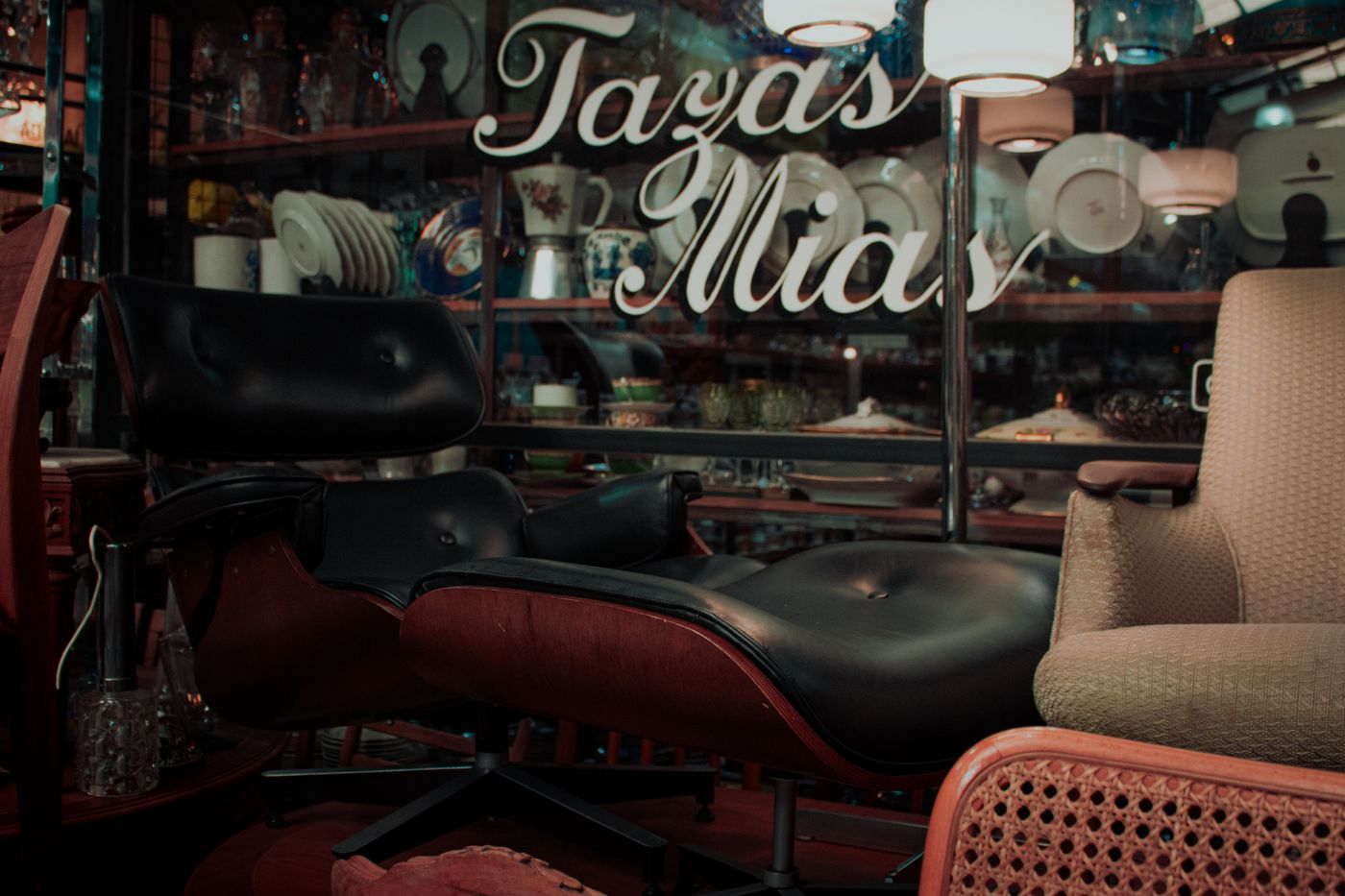
Foto: Mariano Di Luch · Pexels
Take the Thonet chair I found last spring at the Mauerpark flea market. It was a No. 14, the classic bentwood café chair, with a worn seat and a wobbly leg. The seller wanted €45. I offered €30, he countered with €40, and we settled on €35. It now sits at my kitchen table, and every time I pull it out, I think of the hands that touched it before mine. That's the essence of vintage in Berlin: you're buying a piece of someone else's life, and you're adding your own chapter.
What to Look For
Start with what you love, not what's 'hot'. Berlin's vintage scene is rich with mid-century modern and GDR-era pieces. Look for solid wood, clean lines, and honest materials. Check the joints, the drawers, the patina. A scratch is a memory, not a flaw. But avoid pieces that have been over-restored. You want the character, not a museum piece.
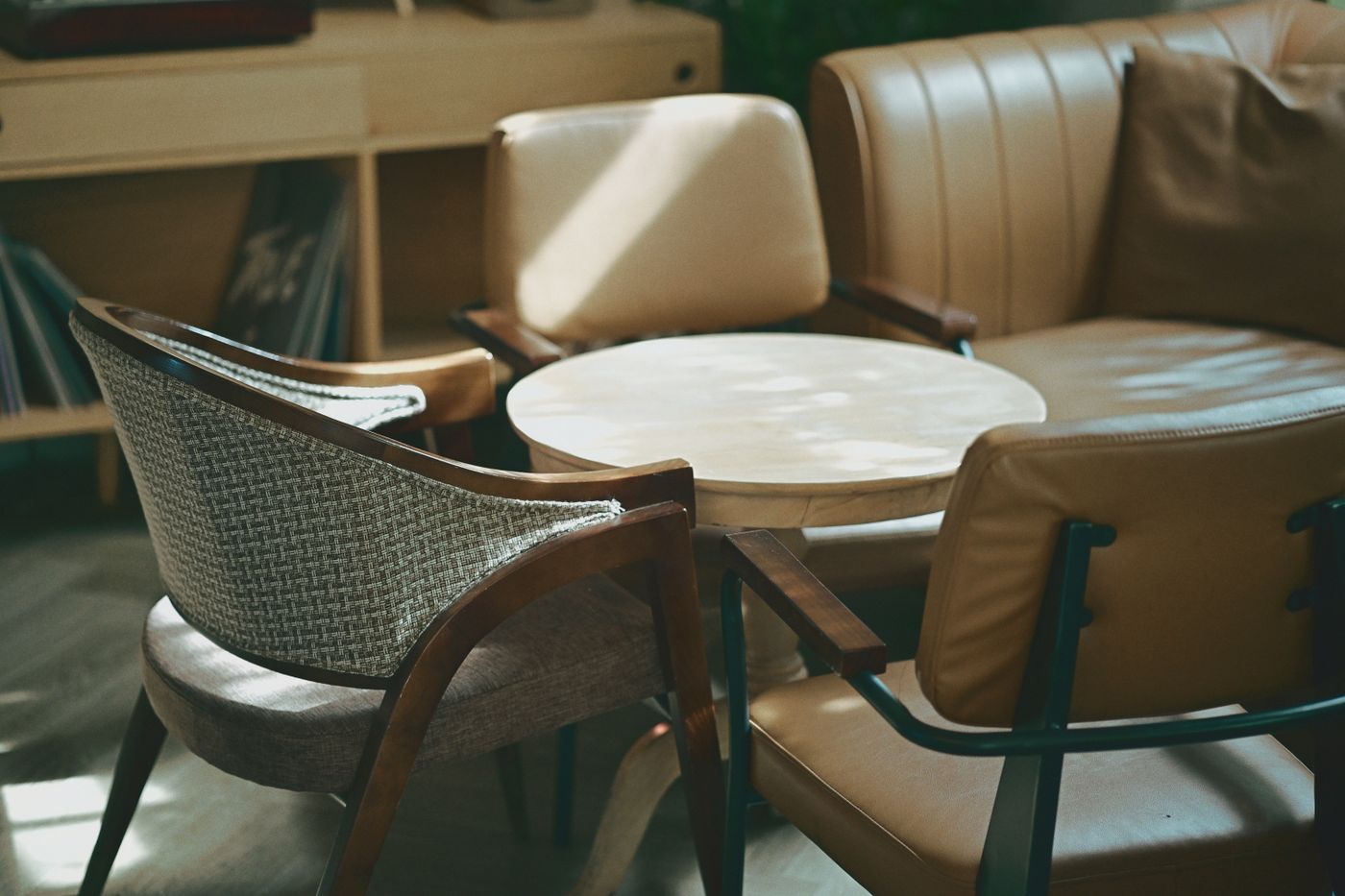
Foto: Việt Anh Nguyễn · Pexels
For a true Berlin feel, mix eras. A 1950s Danish sideboard next to a GDR-era chair from the 1970s. It's a conversation between decades. And don't be afraid to haggle. Flea markets like Mauerpark are for bargaining, but always with a smile.
When you're inspecting a piece, open every drawer. Run your hand along the back edges. Look for maker's marks or labels. In GDR furniture, you'll often find a small stamp with the VEB (Volkseigener Betrieb) name and a year. That's a direct line to the past. A scratched surface isn't a flaw; it's a map of someone's coffee cups, keys, and careless elbows.
The Bauhaus Connection
Berlin is the spiritual home of Bauhaus. The movement's clean, functional designs still inspire. A Wassily chair or a Marcel Breuer table can be a statement, but they're not the only names. Look for lesser-known designers like Gustav Hassenpflug, who worked with wood and metal to create pieces that are both simple and striking. His 'Hassenpflug chair' from the 1930s is a gem if you can find it.
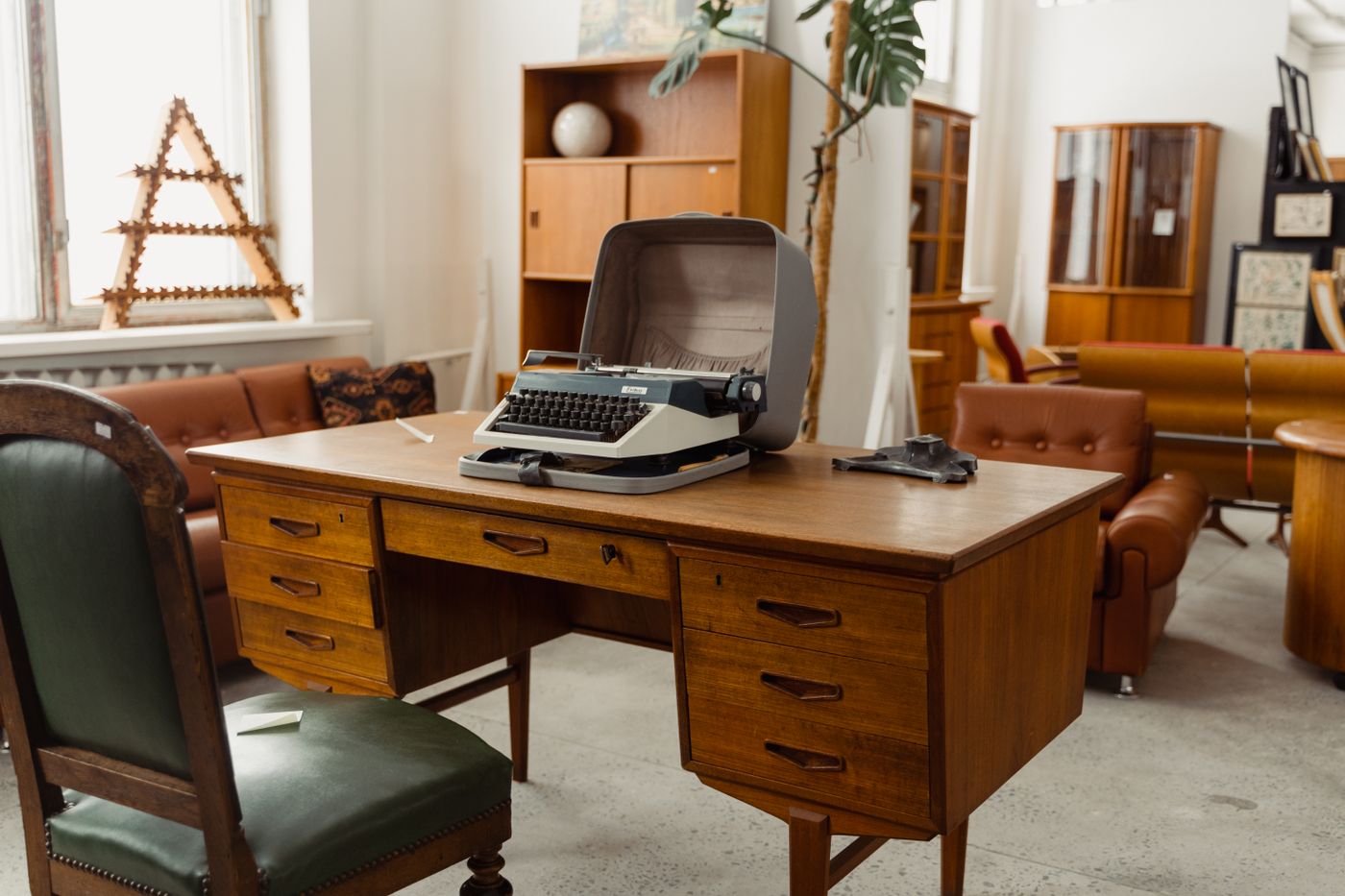
Foto: Tima Miroshnichenko · Pexels
Hassenpflug studied at the Bauhaus under Marcel Breuer, and his work reflects that training: tubular steel frames, cantilevered seats, and an obsession with geometry. But where Breuer went for the iconic, Hassenpflug went for the practical. His chairs were designed for mass production, for schools and offices, not galleries. That's why they're so rare today. I once saw one at a shop in Prenzlauer Berg, priced at €1,200. It was a 1932 model with a black leather seat and a chrome frame that still gleamed. I didn't buy it, but I still think about it.
The GDR's Hidden Treasures
East Germany's design was practical, but it had soul. The 'Kinderwagen' or the simple, sturdy furniture from the 1960s and 1970s are undervalued. A GDR sideboard with its characteristic wood grain and minimalist handles can anchor a room. And the story it carries, of a divided city, adds depth to your space.

Take the Deutsche Werkstätten, a state-run furniture company that produced pieces under the VEB label. Their sideboards from the 1970s feature a distinctive oak veneer with a satin finish, and the handles are often simple metal bars. You can find them at flea markets for €200-€400, but they're getting harder to come by. I bought mine at a warehouse sale in Hohenschönhausen for €250. It's got a few scratches and a missing key, but it's solid, and it holds my vinyl collection perfectly.
Where to Hunt
Berlin's streets are your guide. In Kreuzberg, small shops hide behind unassuming facades. On Oranienstraße, there's a shop called "Alte Dinge" that's been there since 1998. The owner, a woman named Gisela, will tell you the story of every piece if you ask. In Prenzlauer Berg, you'll find curated collections in former bakeries. At "Die Möbelbäckerei" on Kollwitzstraße, the floor is still tiled from when it was a bakery, and the furniture is arranged like a stage set. And in the outskirts, like in Hohenschönhausen, there are warehouse sales that feel like archaeological digs. I once found a 1960s GDR desk buried under a pile of old radios. It cost me €80 and a half-hour of dusting.
Always ask where a piece came from. The story is half the value. A sideboard from a Kreuzberg squat has a different soul than one from a Prenzlauer Berg apartment. And a chair that came from a GDR kindergarten has a story that will make your dinner guests lean in.
The Joy of Wearing Vintage
When you bring a vintage piece home, you're not just filling a room. You're starting a dialogue. Your furniture becomes a witness to your life, just as it witnessed another's. In Berlin, where the past is always present, that's the true vintage spirit.
I have a friend who bought a GDR-era armchair for €50. It's upholstered in a mustard-colored fabric that was popular in the 1970s. She re-covered it in a grey linen, but she kept the original springs, which creak when you sit down. Every time she has guests, someone comments on the creak. It's a conversation starter, a reminder that this chair has held a hundred bodies before yours. That's the joy of wearing vintage. You're not just decorating your home; you're dressing it in memories. And in Berlin, those memories are everywhere.
City
Berlin
Category
vintage furniture
Published
23 August 2026
Where to find it
Shop the signals
What the market is offering right now on this exact subject.
stoelen
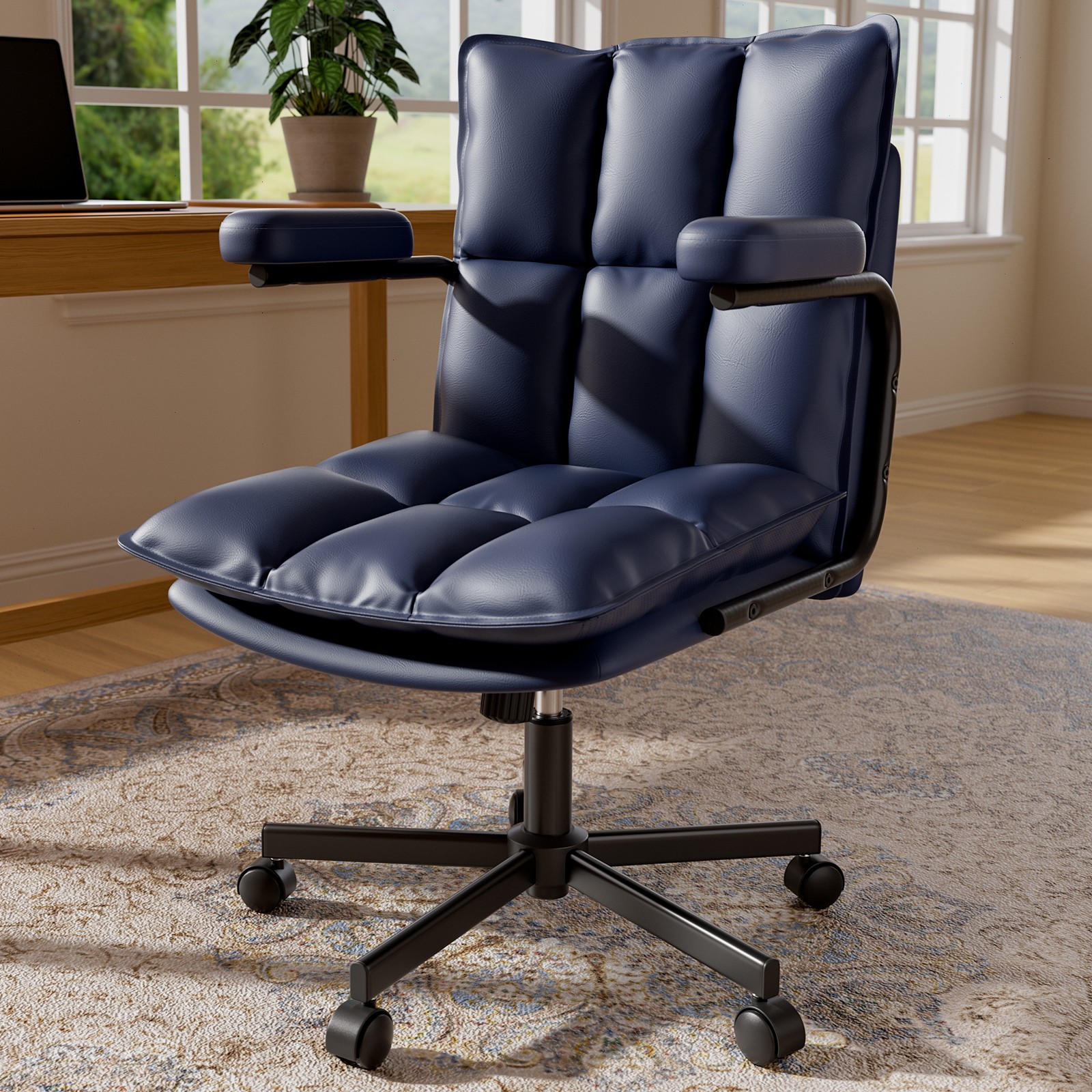
Small Office Chair Mid Century Modern Desk Chair Vintage Leather Computer Chair
stoelen
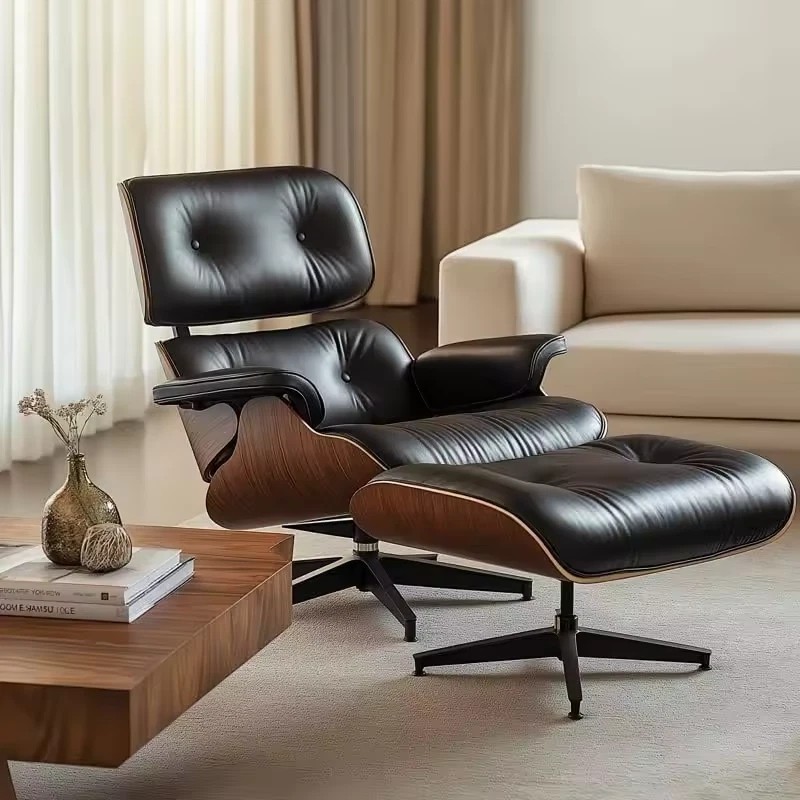
Vintage Pro Tall Eames Lounge Chair With Ottoman Cowhide Leather Armchair Swivel
meubels
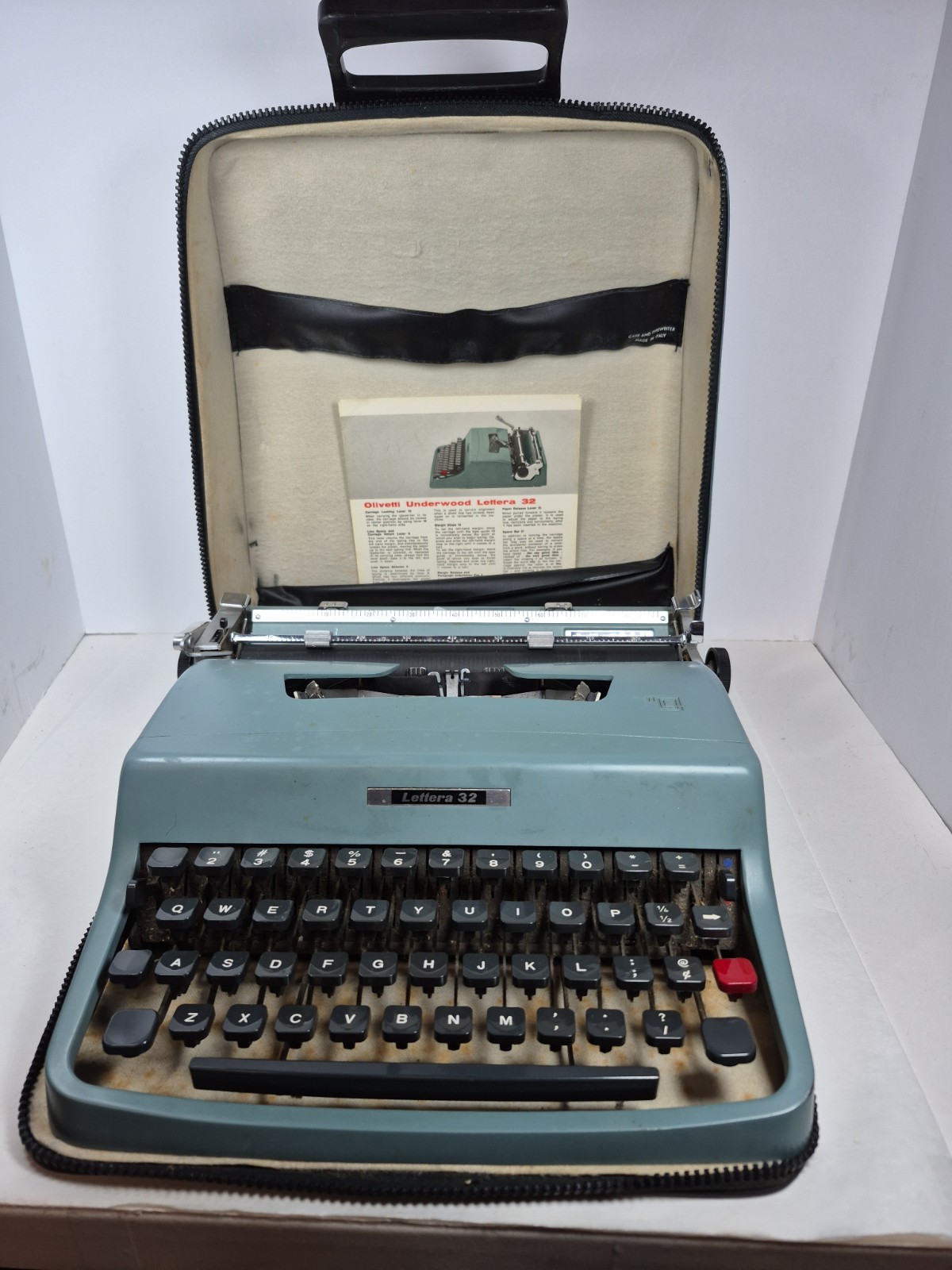
Vintage Olivetti Underwood Lettera 32 Typewriter UNTESTED With Zippered Case
meubels
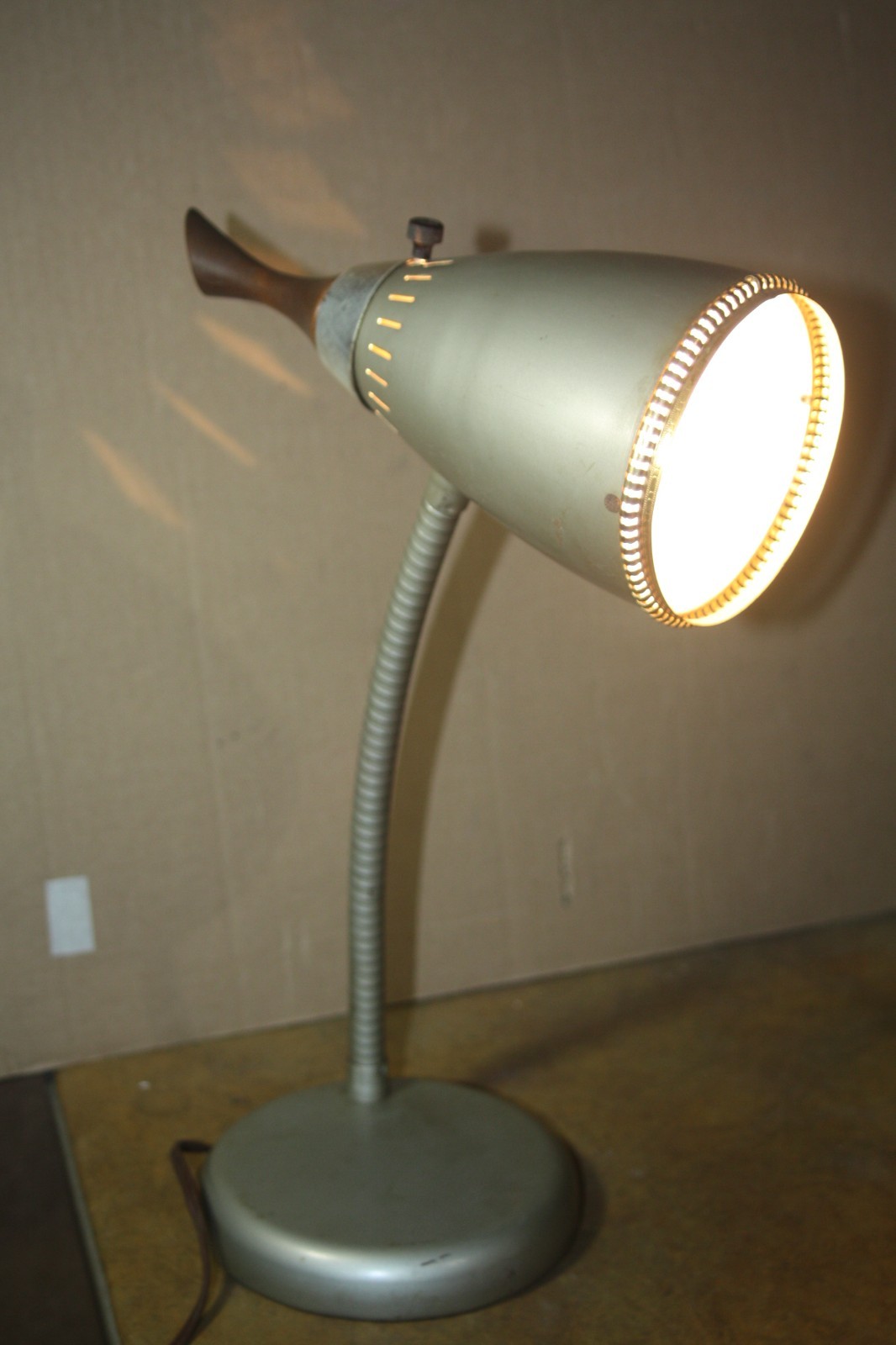
Vintage Mid Century Metal Gooseneck Desk Lamp w/ Brass & Wood Accents - Works
stoelen
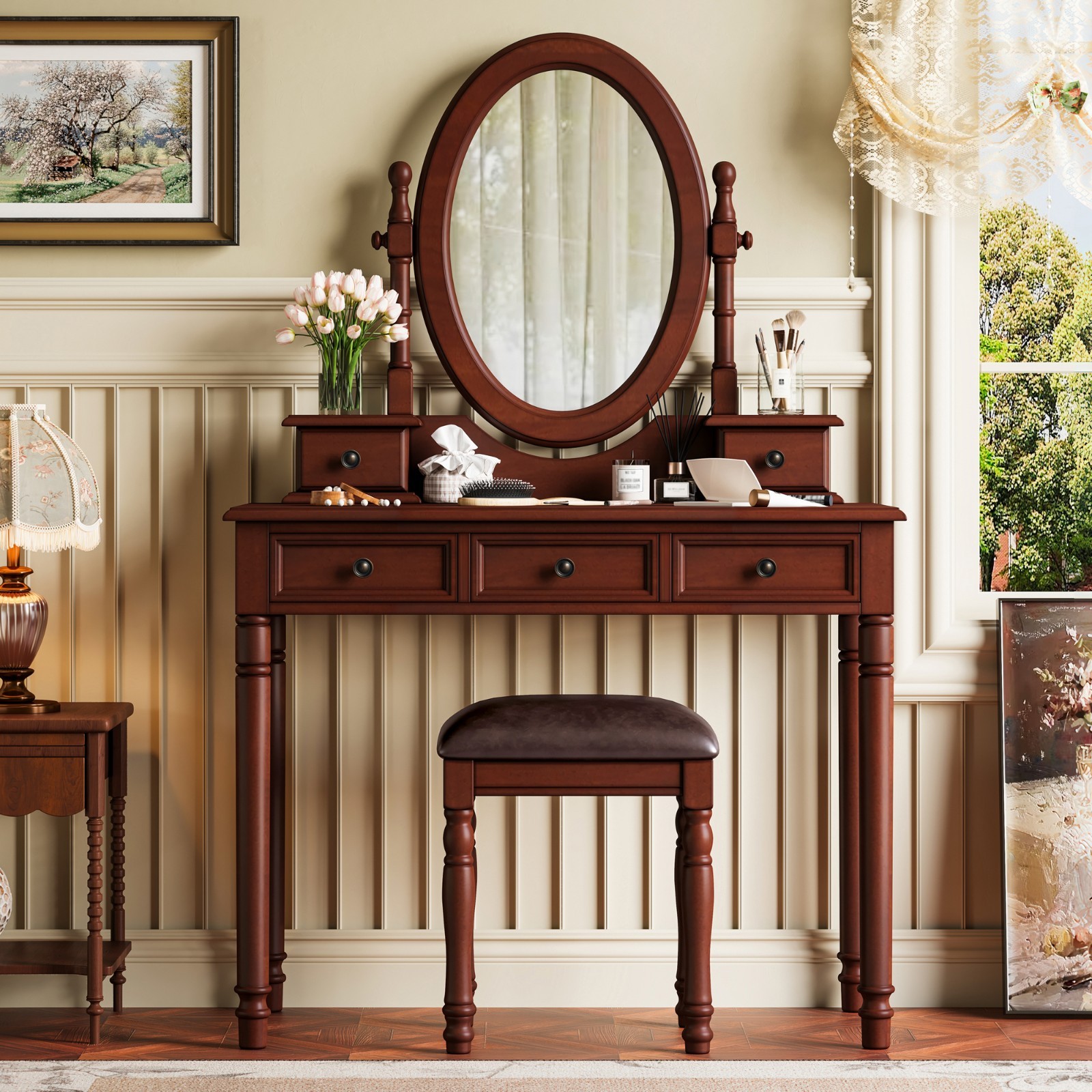
Vanity Desk w/Adjustable Angle Mirror,Vintage Vanity Makeup Table w/Stool Walnut
meubels
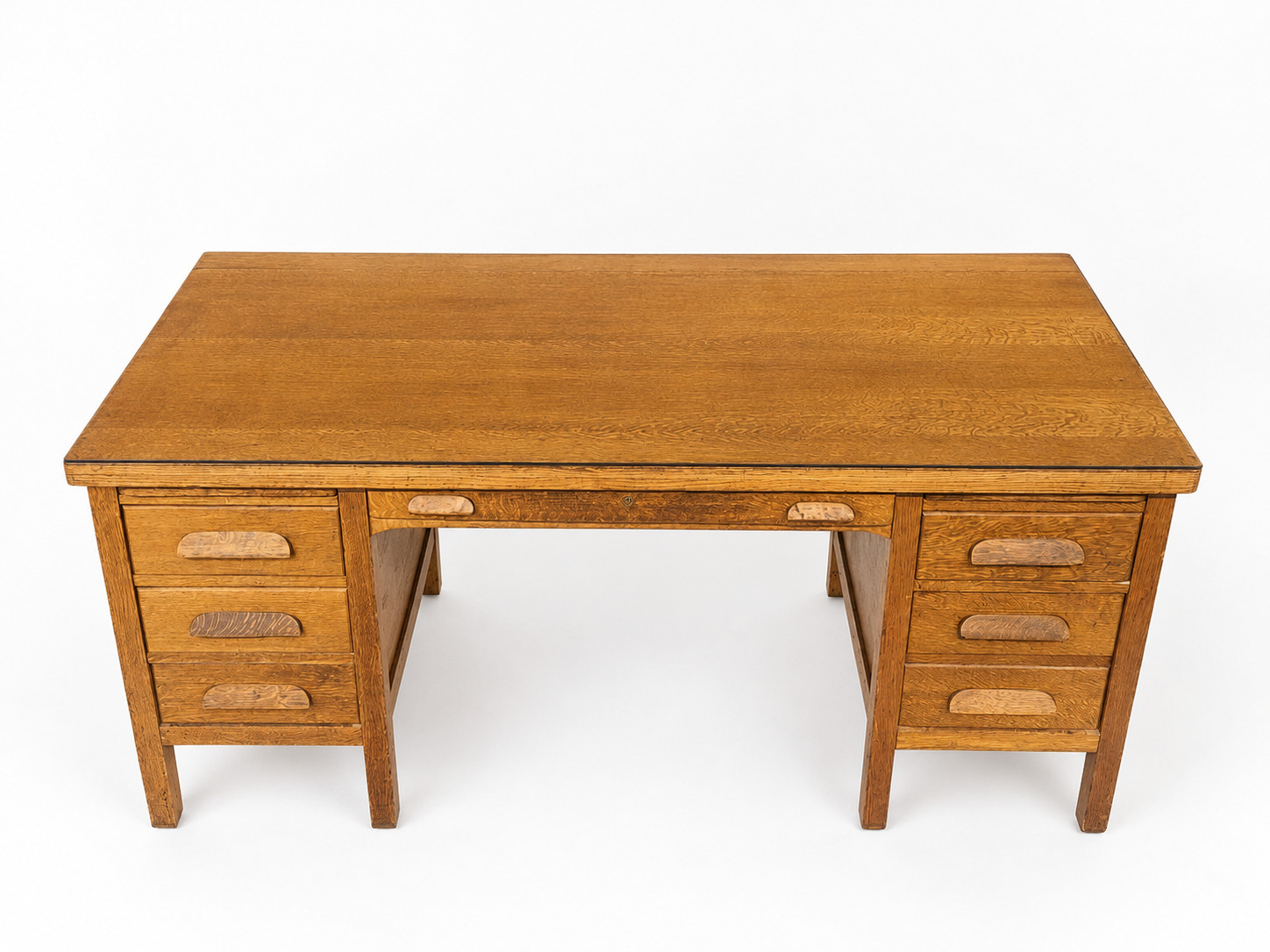
Antique Oak Executive Desk Tiger Oak Wood Pedestal Writing Desk Vintage Office
meubels
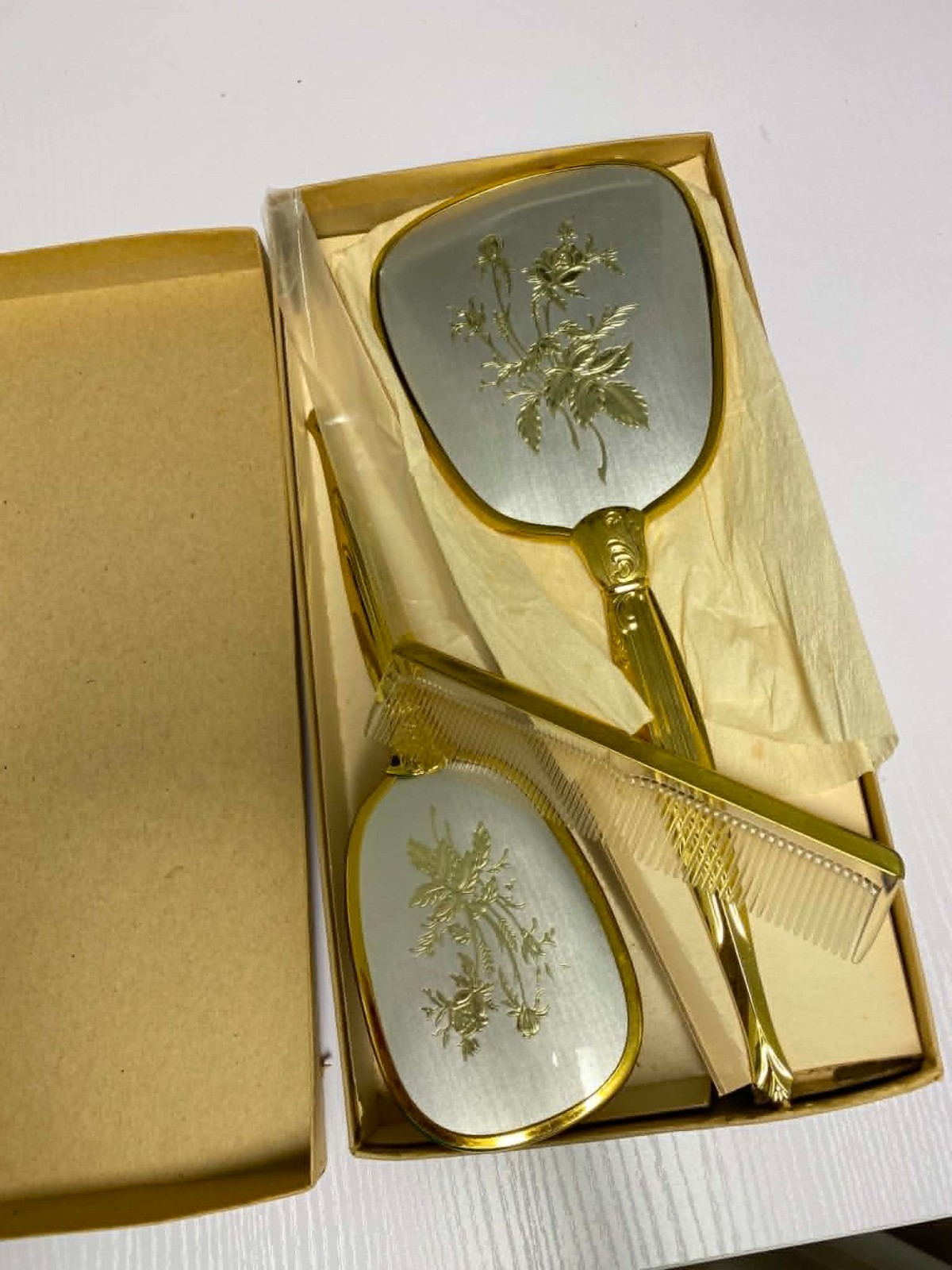
Vintage Handheld Vanity Mirror and Hairbrush Comb Set (NIB)
meubels
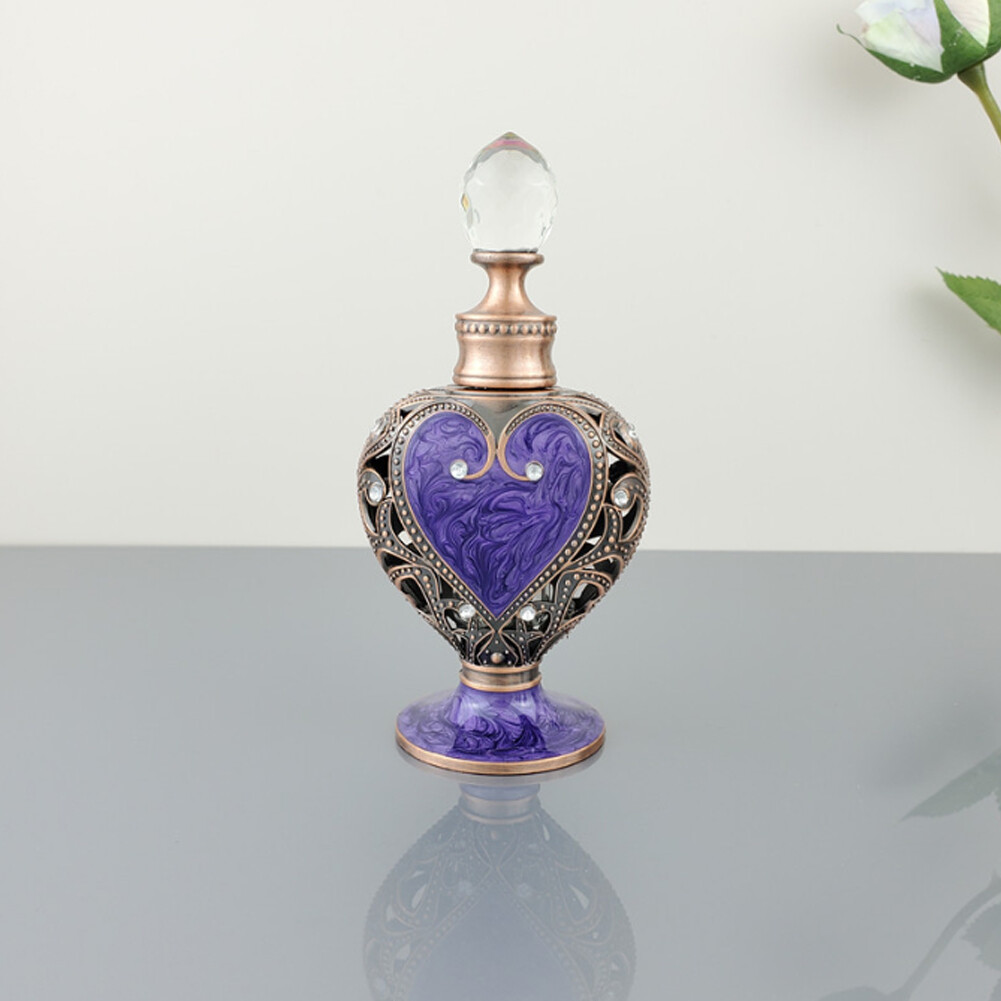
Vintage Purple Perfume Glass bottle Crystal Openwork Refillable Metal Empty Gift
The names
Meet the designers
The minds behind this story — each with a piece currently on the market.
Børge Mogensen
Denmark · 1940s
The Spanish chair — honest, functional furniture for everyday life.
The Spanish chair — honest, functional furniture for everyday life.
Top piece
View →
Arne Jacobsen
Denmark · 1950s
The Egg & the Series 7 — chairs turned into quiet sculpture.
The Egg & the Series 7 — chairs turned into quiet sculpture.
Top piece
View →
Hans J. Wegner
Denmark · 1940s
The Wishbone & 500 chairs — joinery so pure it needs no ornament.
The Wishbone & 500 chairs — joinery so pure it needs no ornament.
Top piece
View →
Jean Prouvé
France · 1930s
Structural steel & the Standard chair — an engineer of furniture.
Structural steel & the Standard chair — an engineer of furniture.
Top piece
View →
Continue the edit
Further stories from the same world
Three more walks through the same vintage universe.

The Vintage Designer Bag You'll Actually Wear
A Fendi Baguette from 1999, a Versace Medusa clutch from 1992, a Chanel quilted lambskin from 1985. These are clothes, not investments. Here is how to wear them without looking like a museum docent, and what to check before you hand over your card.
Read the story →The Art of the Carry: Wearing Vintage Designer Bags
Vintage designer bags are not relics. They are the original statement pieces, waiting for a modern hand. Here's how to wear them with intent, buy them with confidence, and know the stories they carry.
Read →
The Art of Wearing Vintage Band T-Shirts
A guide to styling, sourcing, and understanding vintage band tees, for the wearer who values history and fit over hype.
Read →