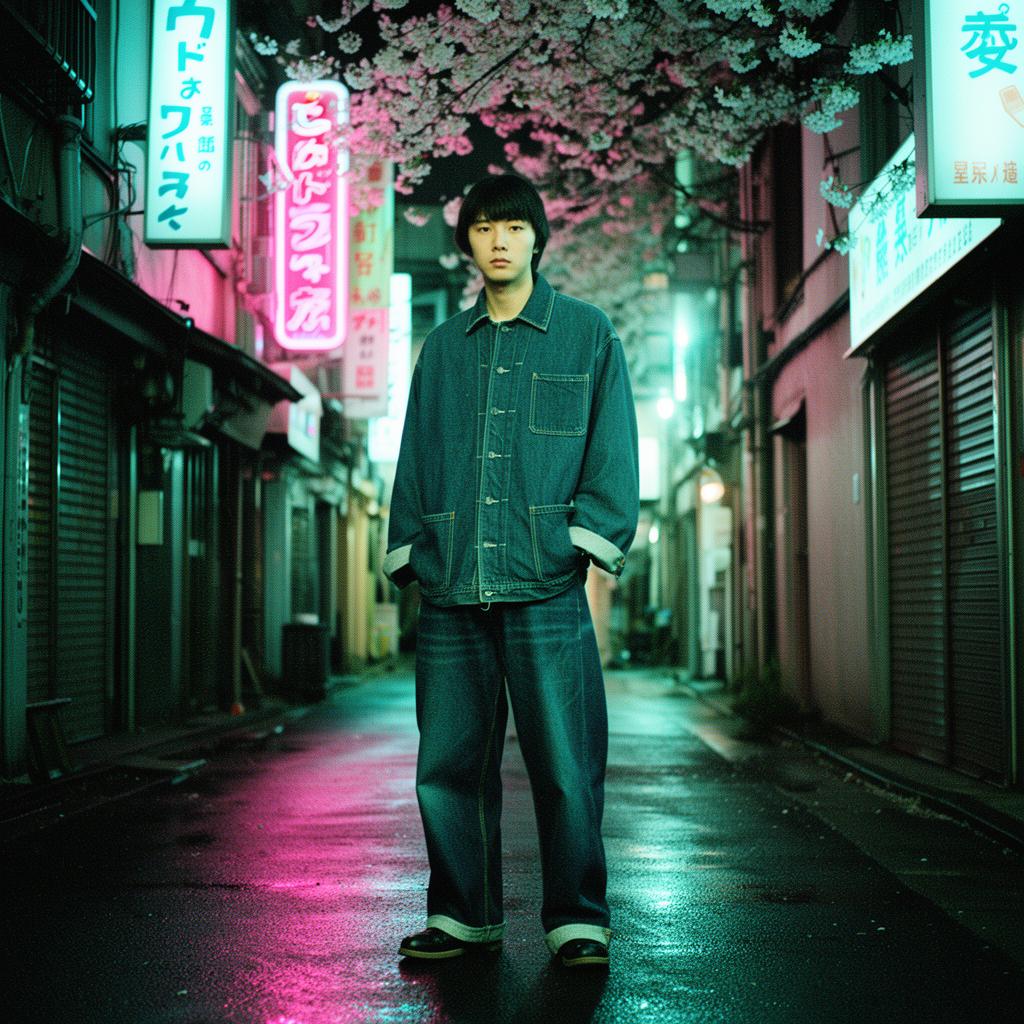
Tokyo is a city of exquisite contradictions—neon and temple, robot and teahouse—but for the dedicated vintage hunter, it’s a labyrinth of pure, unadulterated gold. Forget the fast-fashion hum of Shibuya. The real pulse of Tokyo’s sartorial soul beats in its neighborhoods, where each district offers a distinct flavor of retro, from pristine archival pieces to the gloriously grunge.
Let’s start in Koenji, the undisputed spiritual home of Tokyo’s thrift scene. This low-rise, bohemian enclave is where you go to dig. The main drag, Look Street, is lined with shops that feel like Aladdin’s caves curated by a punk-rock uncle. Here, you’ll find New York Joe Exchange, a legendary multi-floor emporium where the inventory is ruthlessly edited. They’re famous for their deadstock American workwear—Levi’s 501s from the 70s with the tags still attached, pristine leather bombers, and heavy flannels. But don’t sleep on the women’s floor, where you can unearth silk slips and 80s Yohji Yamamoto pieces for a fraction of their current resale value. The trick in Koenji? Arrive early on a Saturday, before the rails are picked over, and bring cash—some of the best stalls in the side alleys are card-free.
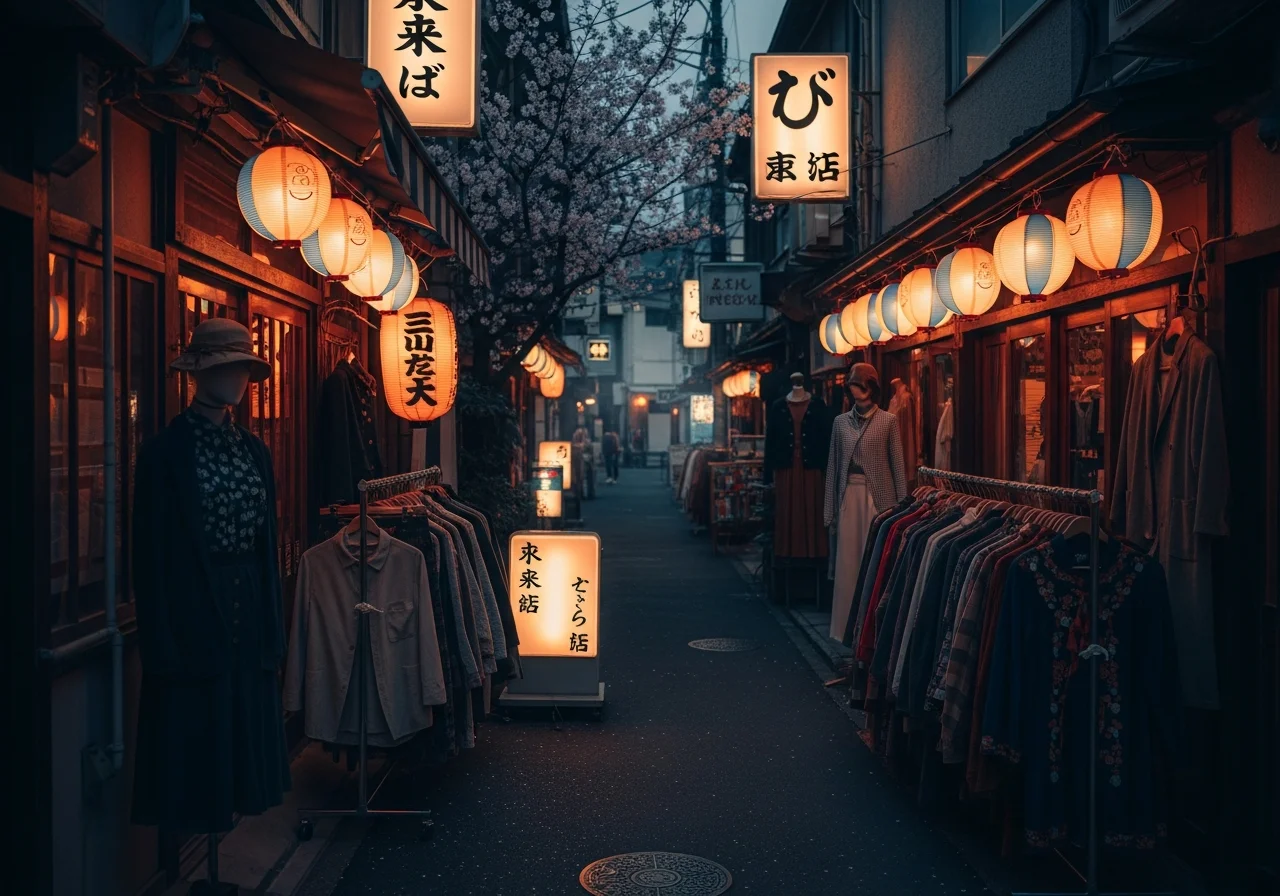
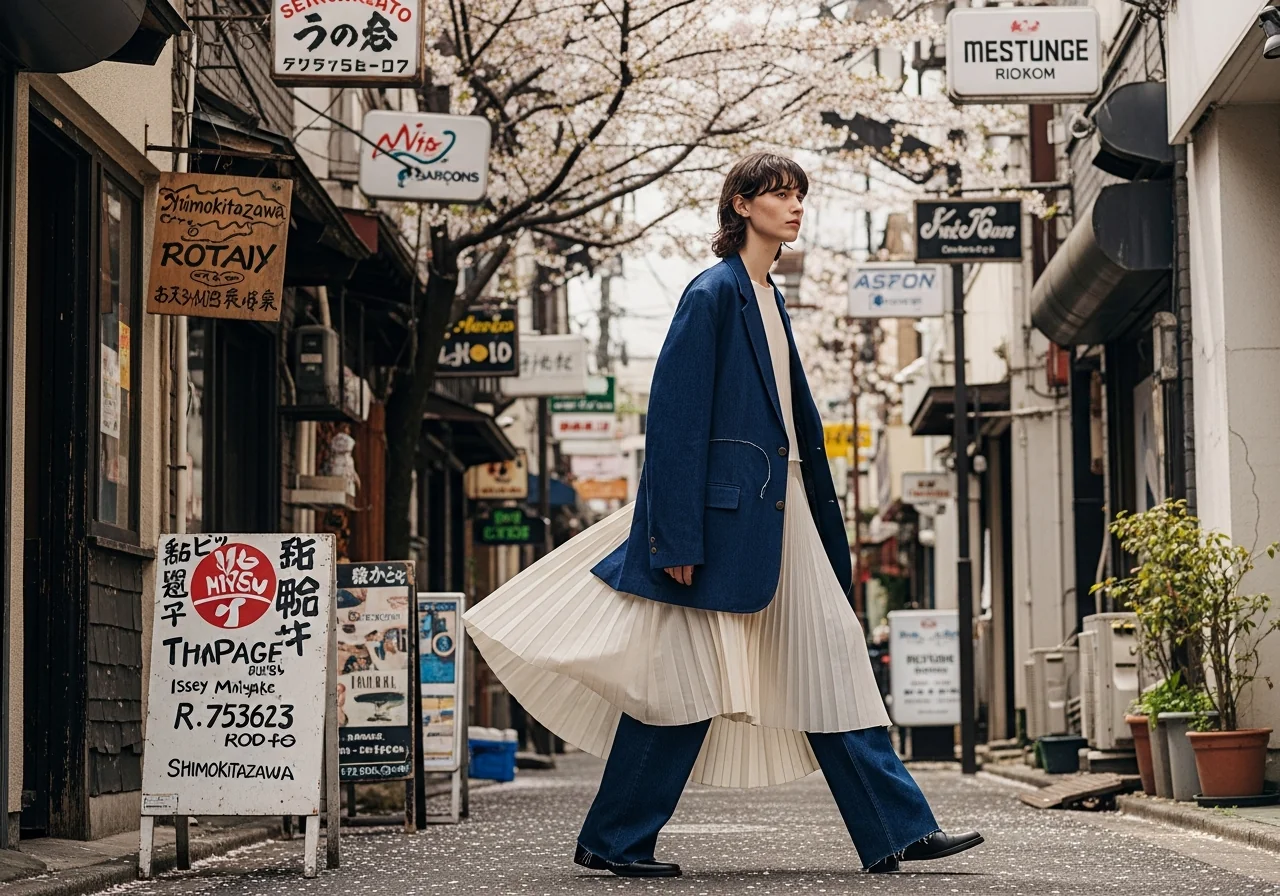
Then, hop a train to Shimokitazawa (or “Shimokita”), the perpetually cool, slightly scruffy little sister. This is the neighborhood for curated chaos. The main streets are a riot of small boutiques, but the real magic happens off the beaten path. You have to wander into the backstreets, past the tiny ramen shops, and into the narrow lanes where secondhand stores spill out onto the pavement. A non-negotiable stop is Flamingo, an institution that balances kitsch with high fashion. Their ground floor is a fever dream of Hawaiian shirts, vintage band tees, and 90s sportswear. But climb the narrow stairs, and you enter a hushed temple of luxury: pristine Chanel tweed jackets, Hermès scarves, and deadstock Louis Vuitton from the Marc Jacobs era. The trick here is to look for the “new arrival” rack by the register—it’s restocked daily, and the most desirable pieces vanish within hours.
For the true connoisseur, a day trip to Harajuku’s backstreets (specifically Ura-Hara) is essential, but you have to know where to look. Skip the main drag of Takeshita Street. Instead, head to the quiet lanes near Cat Street. There, you’ll find Chicago, a multi-floor maze that feels like stepping into a time capsule. Their basement is a haven for vintage denim heads—raw, unsanforized, and perfectly faded. But Chicago’s real draw is their curated selection of Japanese designer vintage: Commes des Garçons, Junya Watanabe, and Issey Miyake pleats. The pricing is high (this is Tokyo), but the condition is often museum-quality. The insider move? Ask the staff if they have anything in the back. They often keep the rarest, most damaged-but-beautiful pieces for those who ask.
Finally, for the seasonal hunter, time your trip for the Shinjuku Vintage Flea Market, held monthly at the Shinjuku Central Park. This isn’t your typical tourist tat. It’s a serious, curated event where local collectors and stylists sell off their personal finds. You’ll see racks of 60s Vivienne Westwood, deadstock Japanese indigo, and military surplus that’s been lovingly patched. The energy is electric, and the haggling is polite but firm. Bring a tote bag and a willingness to dig—the best pieces are often buried at the bottom of a cardboard box.
Tokyo’s vintage scene rewards the patient. It’s not about instant gratification; it’s about the thrill of the hunt, the discovery of a label you’ve never seen, the perfect waistband on a pair of jeans. So lace up your walking shoes, carry a reusable bag, and let the city’s hidden archives reveal themselves. You’ll leave with a story—and an outfit no one else will have.