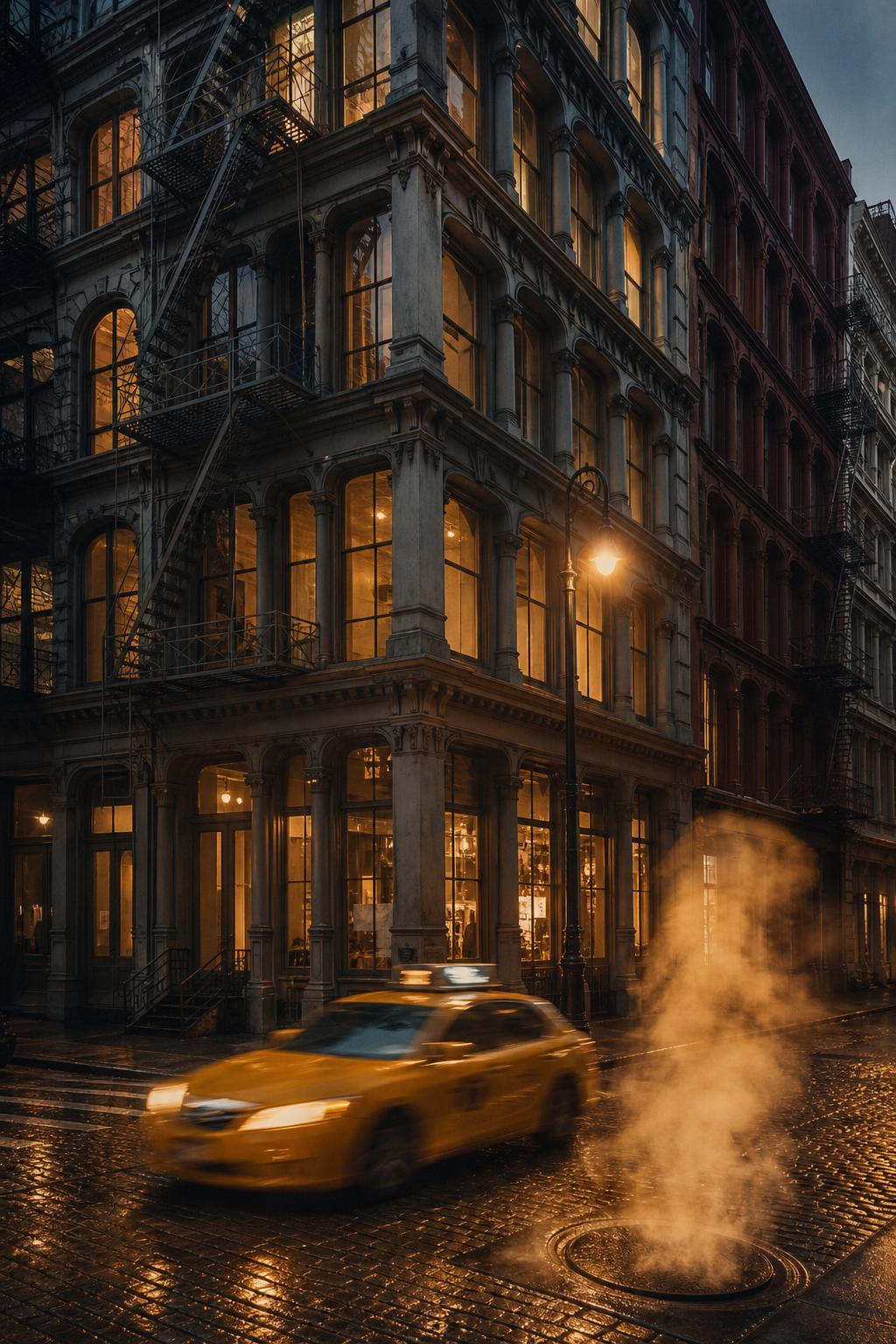
The city begins not with a skyline, but with a sound. The clatter-clang of the F train as it emerges from the tunnel, a subway saxophonist wailing a Coltrane riff that mixes with the greasy-sweet scent of a pretzel cart. You are here to find the threads of the past, stitched into the present. And in New York, those threads are spun from ghosts, from grit, from a particular shade of patinaed gold.
Start, as any bohemian pilgrimage should, at the Chelsea Hotel. Before the condos and the lobby renovations, there is still the velvet-draped hush of the entrance, the stained-glass light falling on the mosaic floor. You can almost feel the weight of the ghosts—Patti Smith’s whispered poetry, Dylan Thomas’s last breath, the spectral echo of a Sid Vicious knife blade. It is a place where the wallpaper seems to sweat artistic ambition. Stand in the lobby, feel the worn carpet underfoot, and know you are standing on a sacred plot of downtown cool. The Chelsea is not just a hotel; it is a reliquary for the city’s most beautifully broken souls.
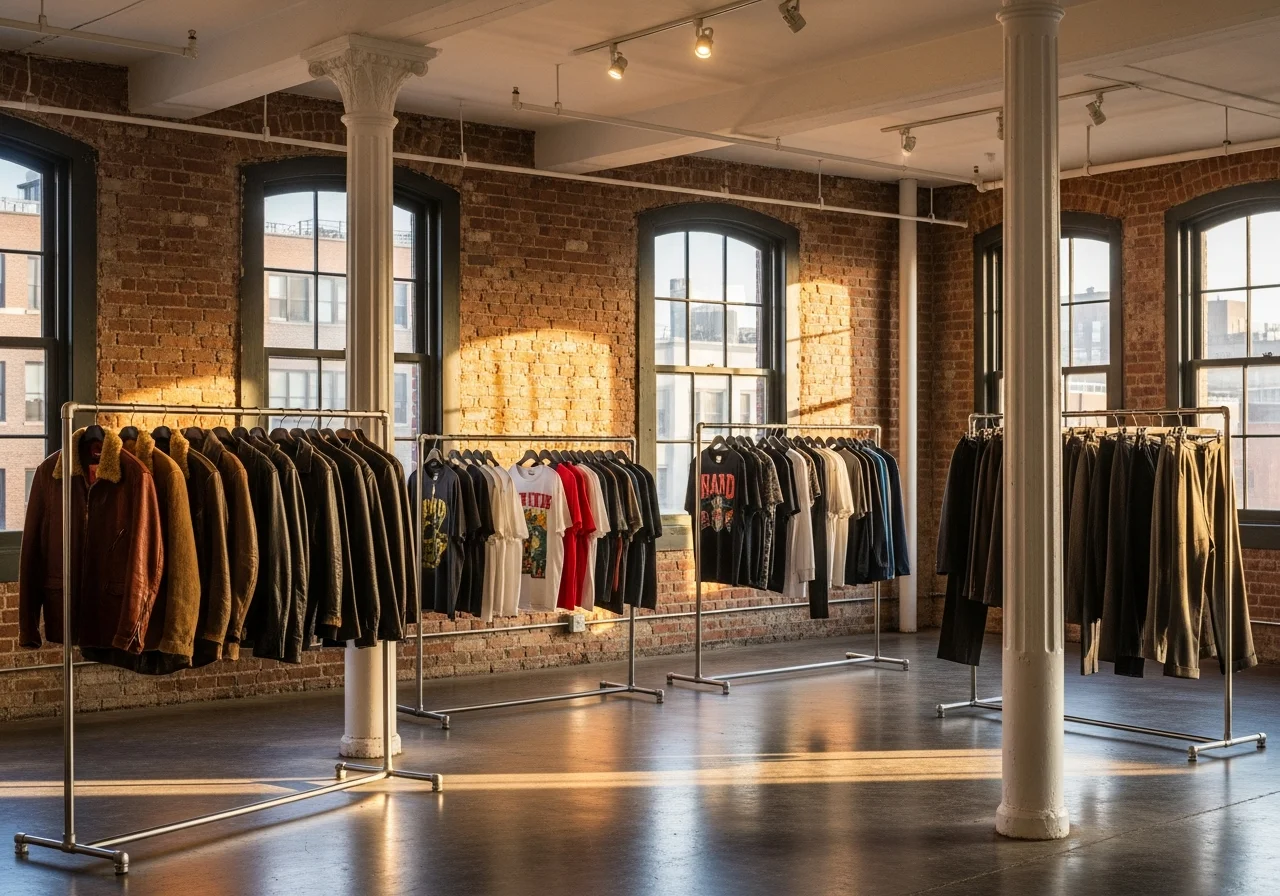
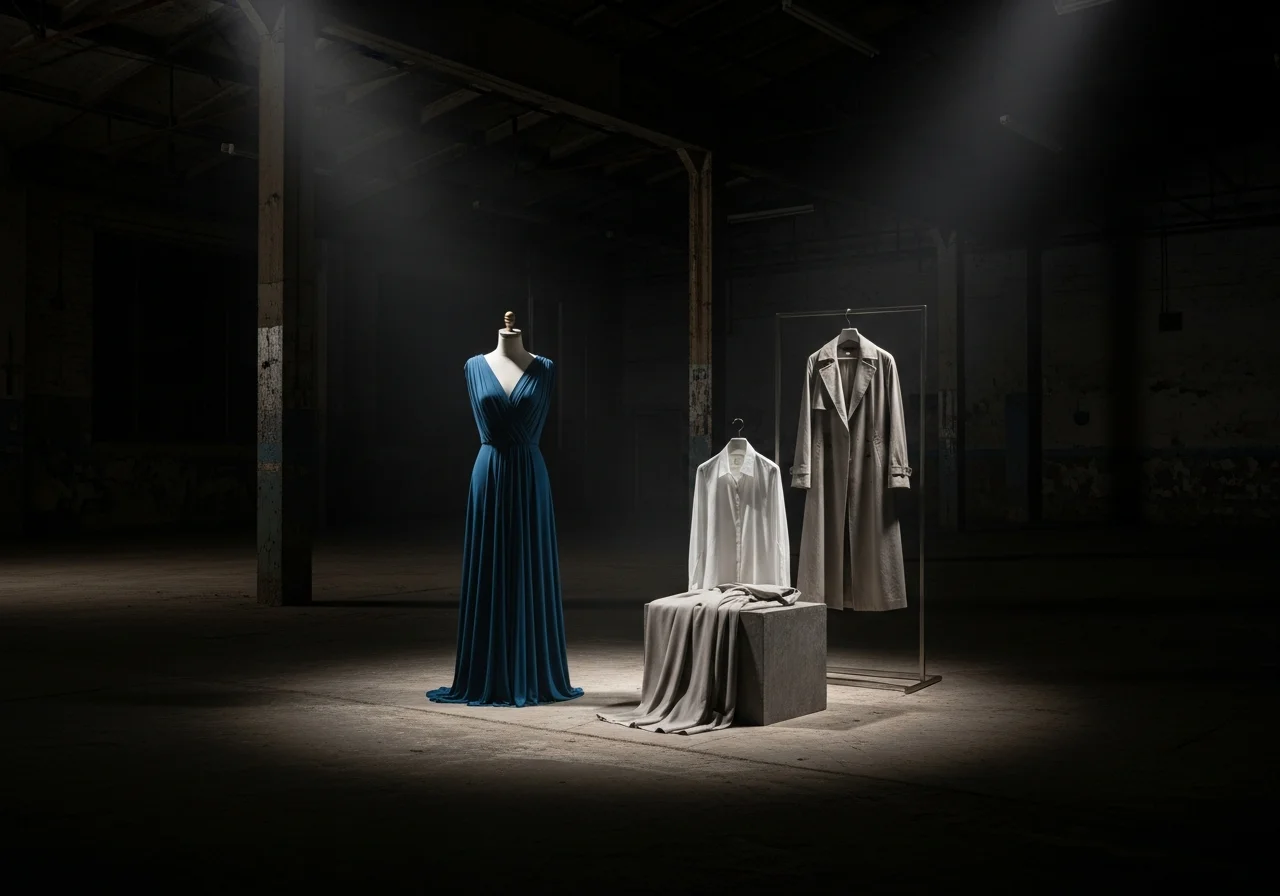
From the hallowed halls of the ancients, you must cross the river to the temple of the contemporary thrifter: Beacon’s Closet in Williamsburg. This is no boutique; it is a pilgrimage. The air smells of dry-cleaning solution and secondhand ambition. The racks are a battlefield, a democratic chaos where a 1990s Versace blazer might hang next to a faded Grateful Dead tee. The thrill is the hunt, the quiet victory of finding a pristine pair of 1970s leather trousers for the price of a mediocre cocktail. It is a rite of passage, the place where Williamsburg’s carefully curated grime meets the raw, unvarnished joy of the find.
But the narrative arc must ascend, from the democratic chaos to the curated cathedral. On Madison Avenue, the Rhinelander Mansion stands as a monument to a fantasy of old-world America. It is the Ralph Lauren flagship, but to call it a store is like calling the Sistine Chapel a room with a good ceiling. Here, the air is thicker, scented with cedar and polished leather. You walk through rooms that feel like a Connecticut hunting lodge, a Palm Beach library, a Manhattan private club. Each floor tells a story of opulence, of a pre-lapsarian America where everyone wore tweed and drove a wood-paneled station wagon. The cashmere is impossibly soft, the silver heavy in your hand. It is a fantasy, of course, but an exquisitely curated one, and a reminder that vintage is not just about the past, but about the dream of a better, more elegant one.
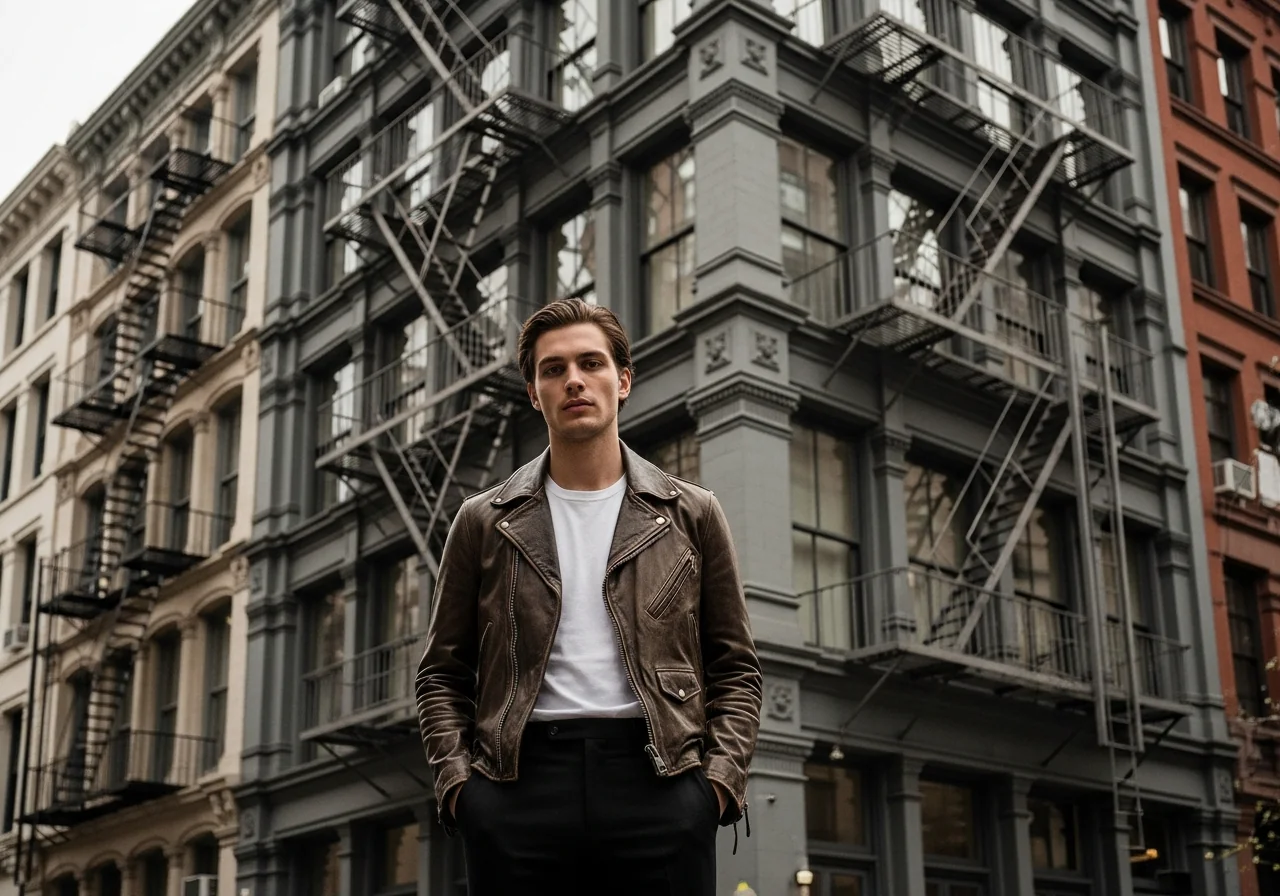
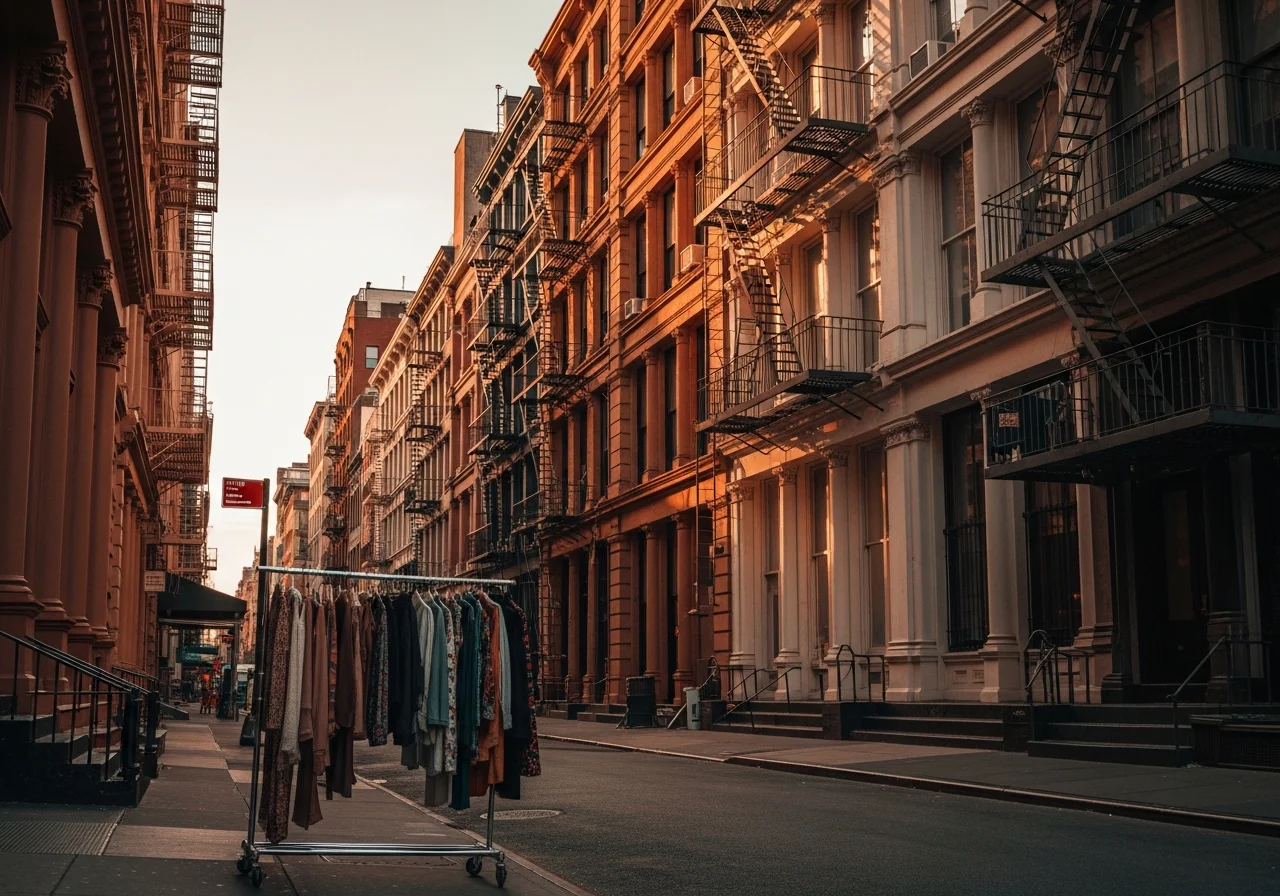
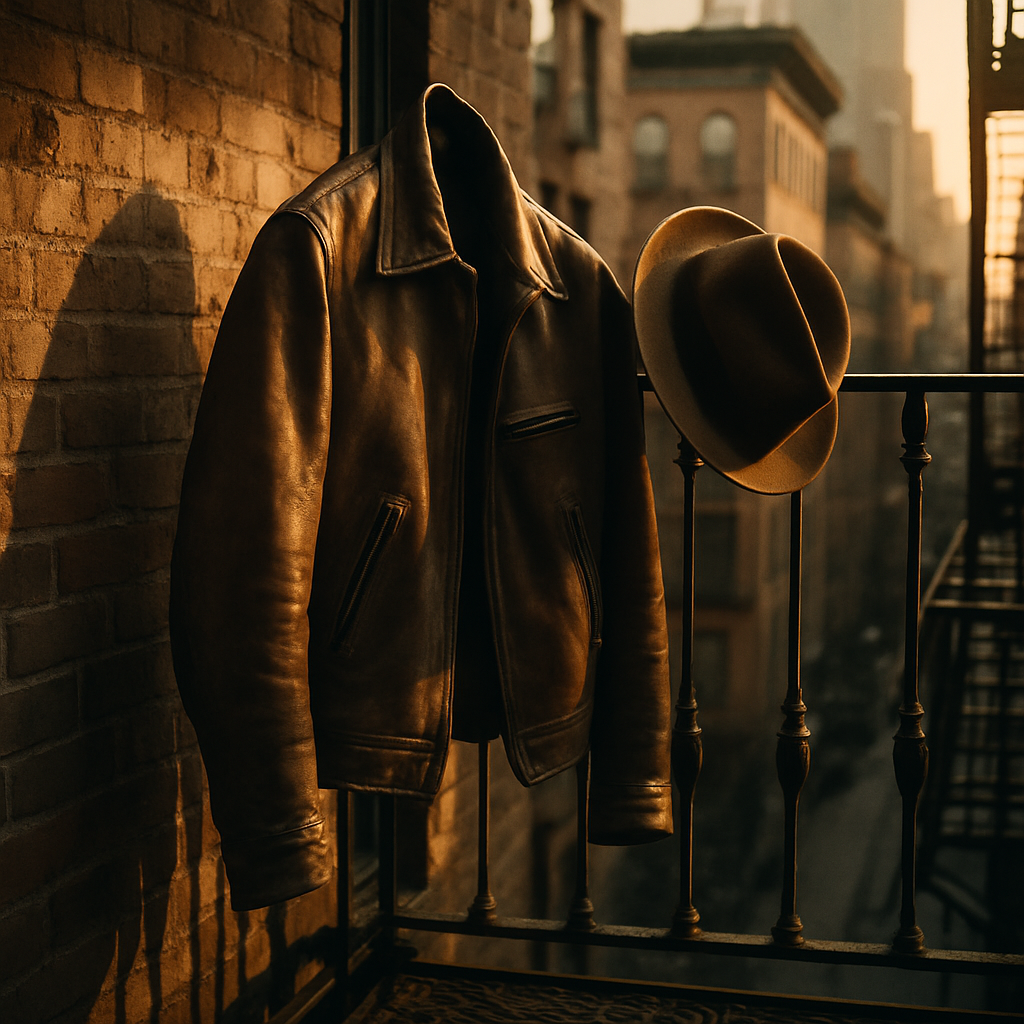
As dusk falls, return to Williamsburg. The weekend flea market under the Williamsburg Bridge is a symphony of textures: the rough hemp of a vintage tapestry, the smooth crackle of an old vinyl record, the soft, buttery feel of a 1970s leather jacket that smells of someone else’s stories. The independent boutiques along Bedford Avenue offer a more edited vision—a single rack of pristine 1940s day dresses, a corner dedicated to vintage Rolexes, a man selling handmade leather wallets from a card table. The sound of the L train rumbles beneath your feet, a constant, low hum of motion.
You have walked through eras, from the bohemian haunt to the democratic treasure hunt, from the Gilded Age fantasy to the gritty, glamorous real. New York is a city of layers, and the best way to wear it is on your back.
For more journeys into the fabric of the past, explore the full narrative at TheVintageGuide.com.