Introduction
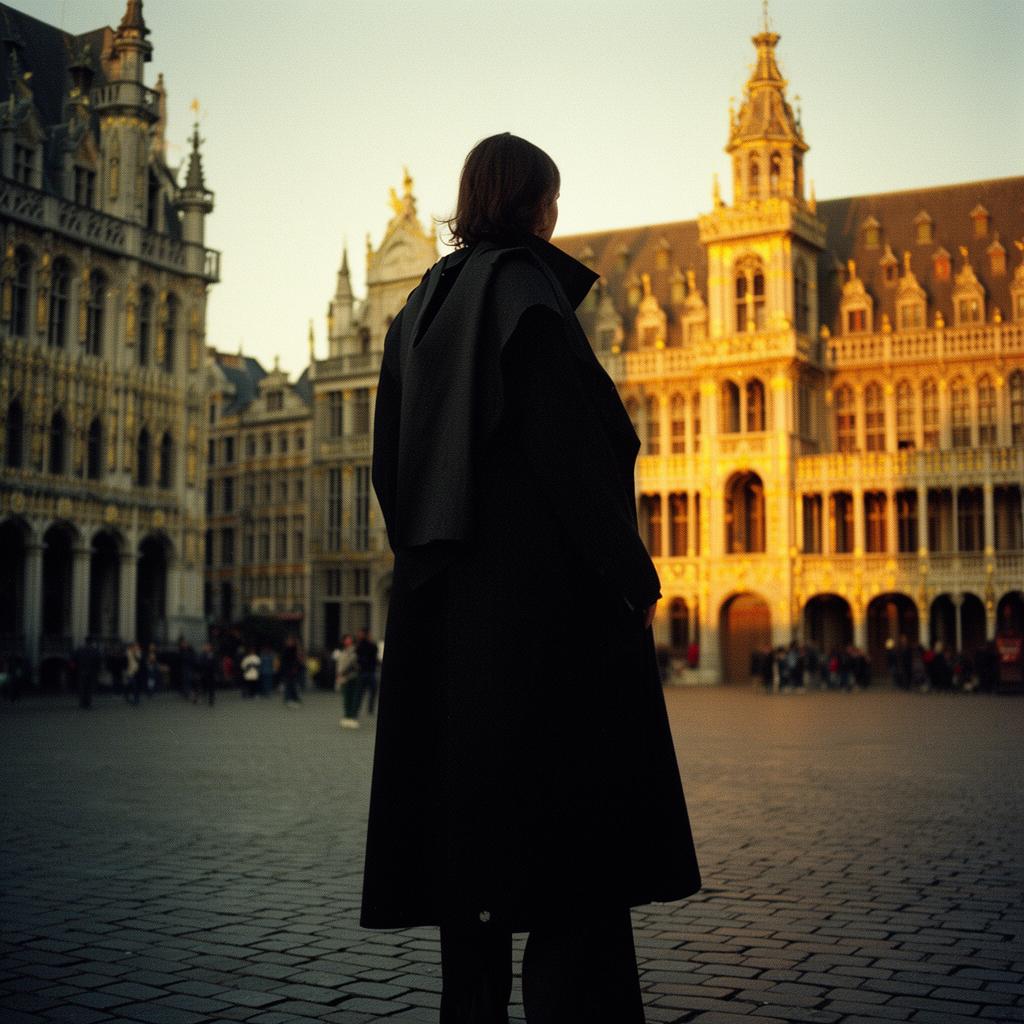
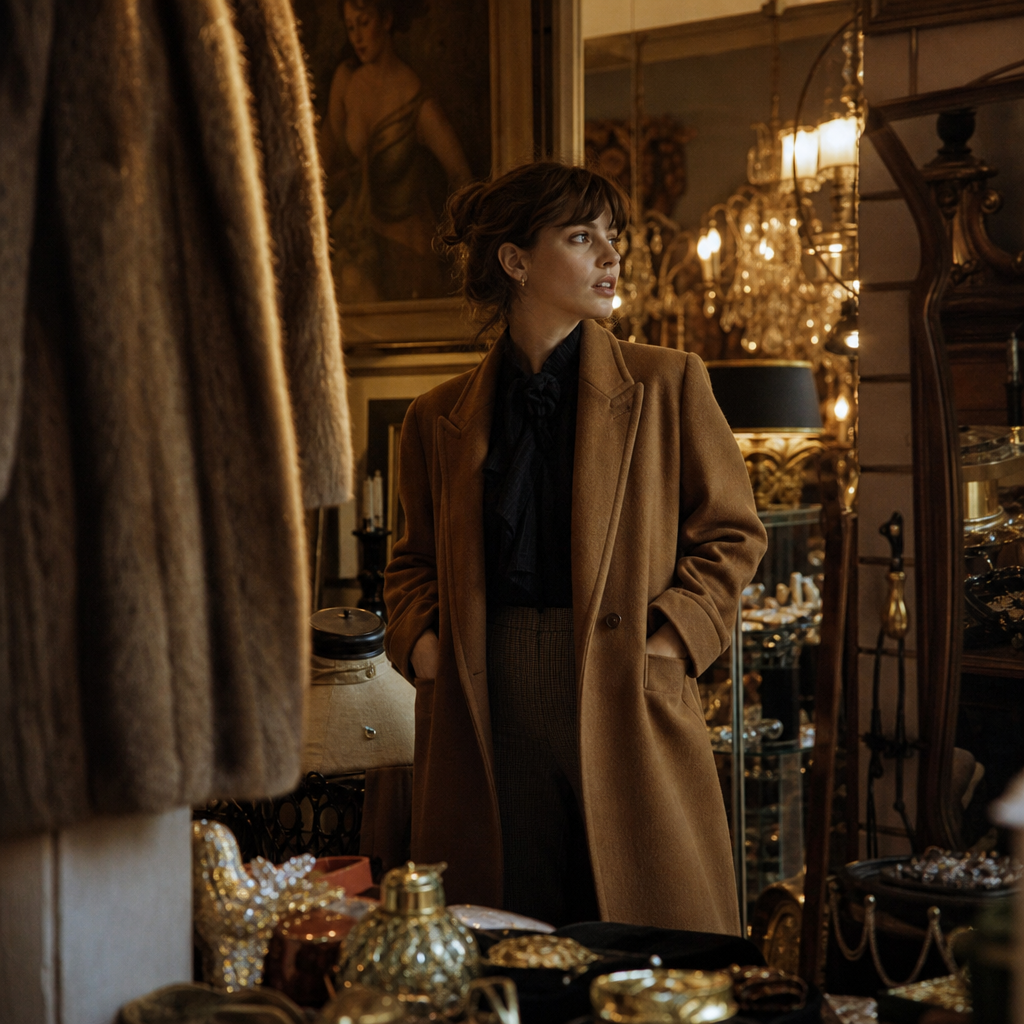
Brussels is a treasure trove for vintage fashion hunters. The city's brocantes – flea markets that blend antique furniture, bric-a-brac, and hidden fashion gems – are legendary. Whether you're chasing a pristine Ann Demeulemeester blazer or a quirky Belgian print dress, the key is knowing where and when to dig. Here's your curated guide to the best markets this season.
Place du Jeu de Balle – The Marollen Soul
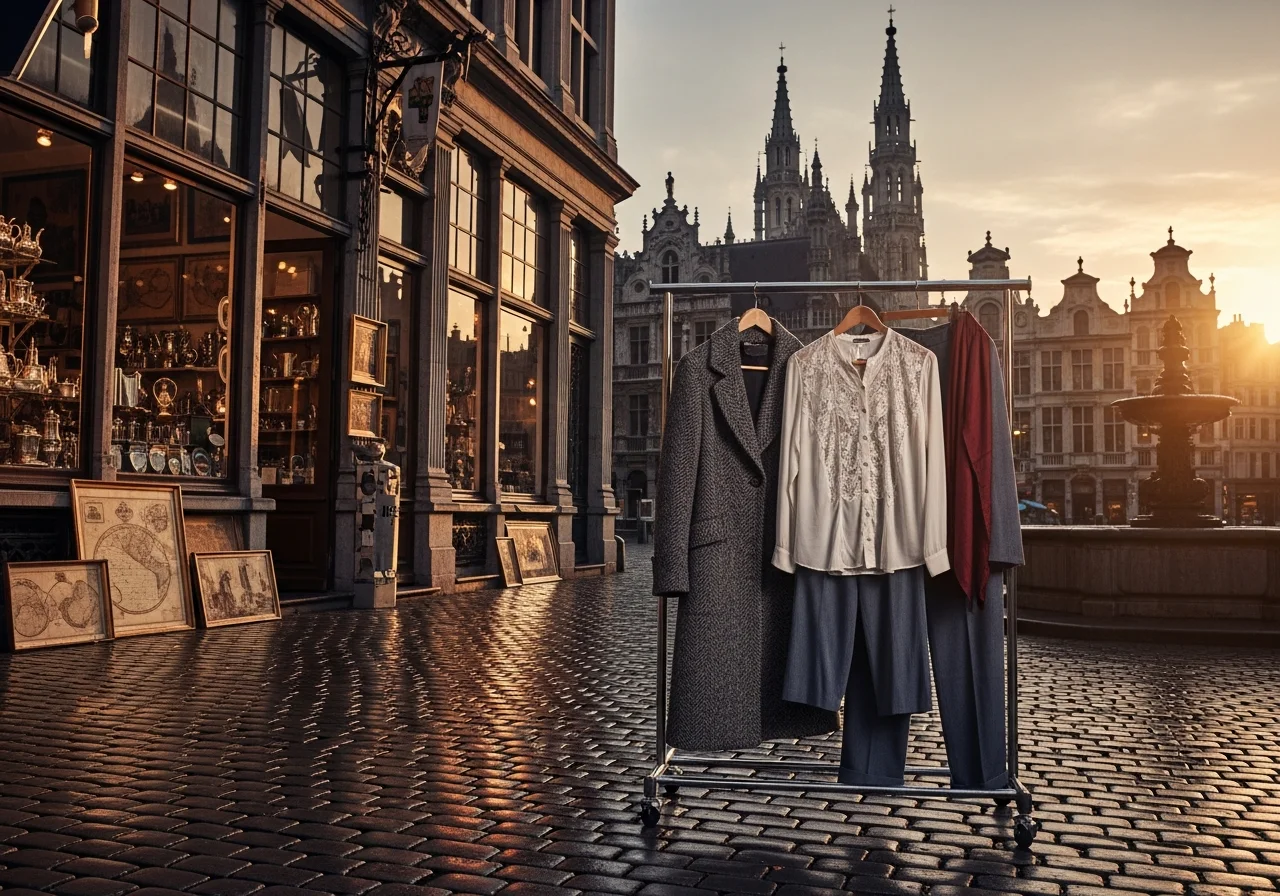
Every day from dawn till 2 PM, the Place du Jeu de Balle in the Marollen district buzzes with energy. This is Brussels' oldest and most authentic flea market. It's chaotic, gritty, and utterly addictive. For fashion hunters, the early bird catches the worm: arrive by 7 AM to sift through piles before dealers pick the best pieces.
What to look for: Vintage Belgian linen, 1970s leather jackets, and unexpected designer labels. I once found a pristine Yohji Yamamoto blazer buried under linens for €20. Haggle with a smile – vendors expect it. Start at half the asking price, but be respectful. Cash is king.
Sablon/Zavel – The Weekend Antique Affair
Every Saturday and Sunday, the Grand Sablon transforms into an upscale antique market. This is where Brussels' elite shop, so prices are higher, but so is quality. For fashion, focus on the stalls near the church and along the side streets.
Designer hunting: This is your best bet for Belgian avant-garde. Look for Dries Van Noten's earlier collections – his floral prints and eclectic patterns are distinctive. Ann Demeulemeester's monochromatic tailoring also appears. Check the labels carefully; some pieces are from private collections. Prices can be steep, but negotiation is possible, especially later in the afternoon.
Les Puces du Canal – The Industrial Chic Hunt
Held on Sundays at the Tour & Taxis site, Les Puces du Canal is a sprawling indoor-outdoor market. It's curated but not pretentious, with a focus on mid-century furniture and fashion. The vibe is hipster-meets-antique dealer.
Fashion tips: The vintage clothing section is a goldmine for 1960s-80s pieces. Look for Belgian designers like Olivier Theyskens or lesser-known labels from the Antwerp Six era. Arrive early for the best selection, but late for deals – many vendors discount as they pack up. Don't miss the food trucks for a frites break.
Seasonal Brocantes in Ixelles and Saint-Gilles
Beyond the regular markets, seasonal brocantes pop up in spring and fall. The Ixelles Brocante (usually May and September) on the Chaussée d'Ixelles is a neighborhood affair with a mix of vintage clothing and household goods. Saint-Gilles hosts a similar event near the Parvis de Saint-Gilles, often with a focus on art deco pieces.
Strategy: These are smaller, so you can be thorough. Chat with vendors – many are locals selling family heirlooms. Look for embroidered linens, vintage scarves, and costume jewelry. For fashion, the key is patience; treasures are often hidden in boxes under tables.
Haggling Culture & Best Times
Brussels' brocantes have a relaxed haggling culture. Always be polite and start with a friendly "Bonjour." If you're buying multiple items, ask for a package deal. The best times for fashion are early morning (first pick) and late afternoon (vendors want to lighten their load). Avoid midday crowds.
Plan Your Hunt
- Sunday morning: Start at Place du Jeu de Balle (7 AM), then head to Sablon (10 AM), and finish at Les Puces du Canal (afternoon).
- Weekday: Only Jeu de Balle is open daily. Perfect for a midweek scavenge.
- Seasonal: Check local tourism sites for Ixelles and Saint-Gilles dates. Arrive by 9 AM.
- What to bring: Cash (small bills), a reusable bag, comfortable shoes, and a keen eye.
Brussels' brocantes are more than markets – they're a cultural experience. Happy hunting!