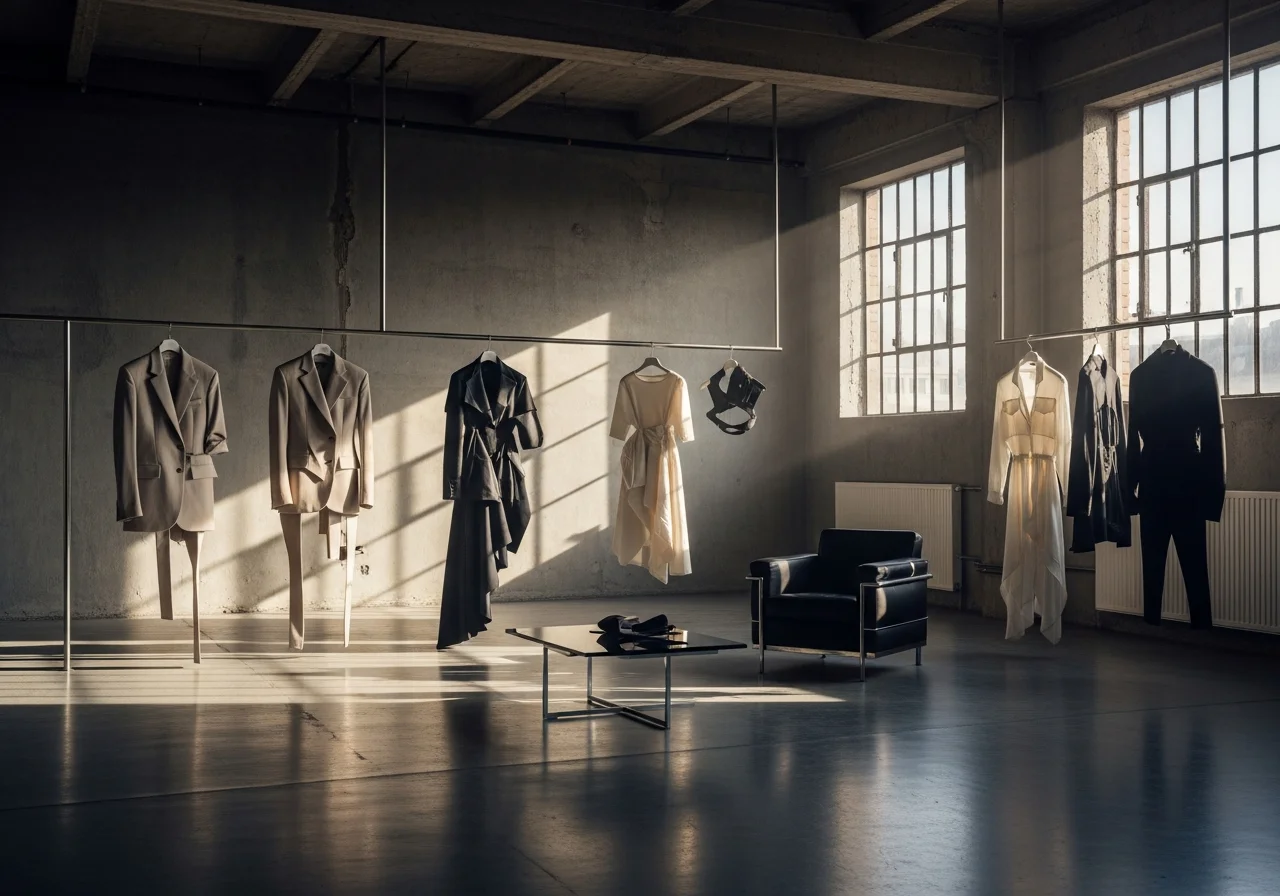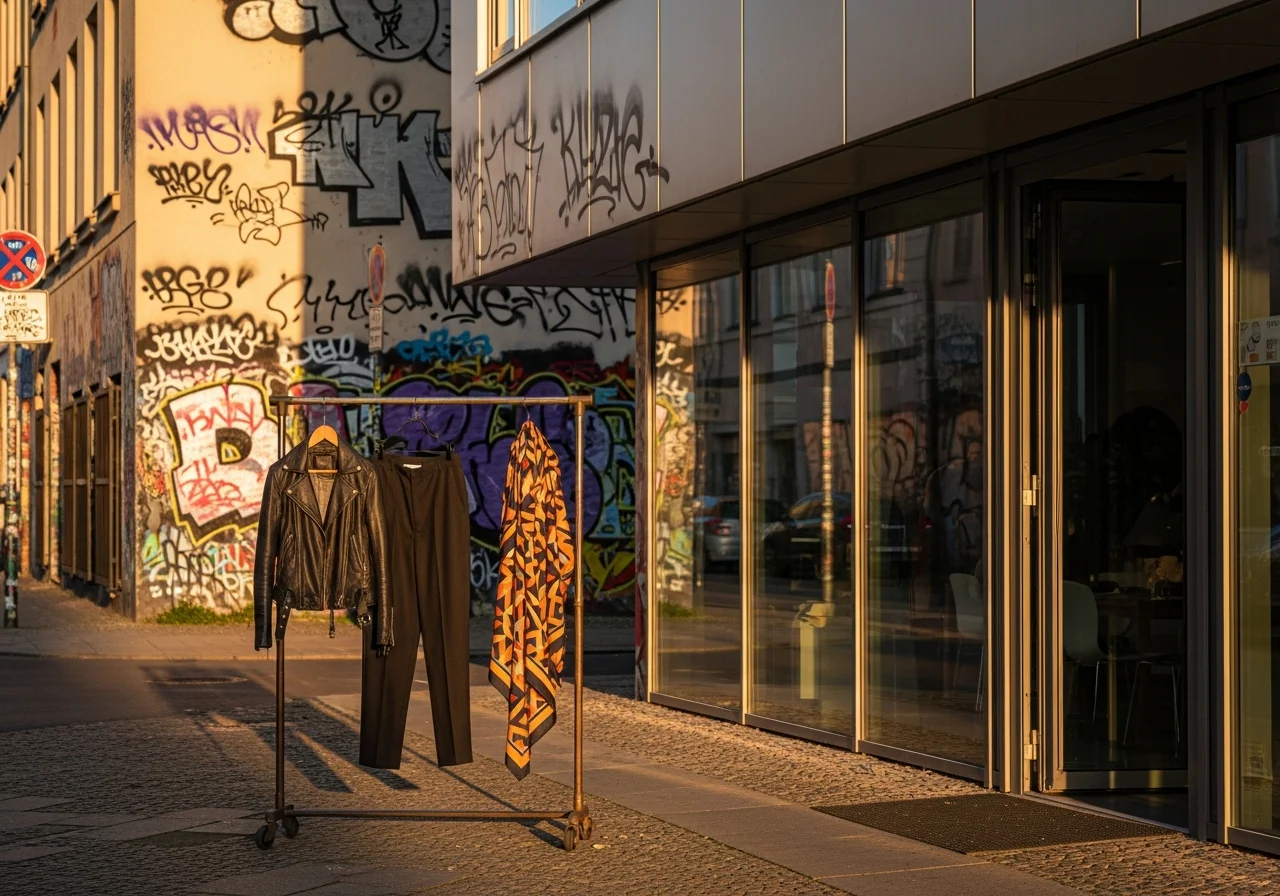
The smell of coal smoke and damp cobblestones hangs in the winter air as you emerge from the U-Bahn at Weinmeisterstraße. Mitte, once the silent heart of East Berlin, now pulses with the quiet hum of curation. Here, the city’s history is stitched into fabric—literally. In former industrial courtyards, behind corroded factory doors, vintage boutiques have transformed the detritus of a divided past into something almost devotional. At Vintage Galerie, a converted warehouse on Torstraße, the racks are arranged like minimalist sculpture: a 1960s silk blouse in the pale grey of Berlin’s winter sky, a pair of 1970s leather boots with soles worn smooth by decades of Kreuzberg pavement. The curation is ruthlessly edited, as sparse and deliberate as a Bauhaus manifesto.
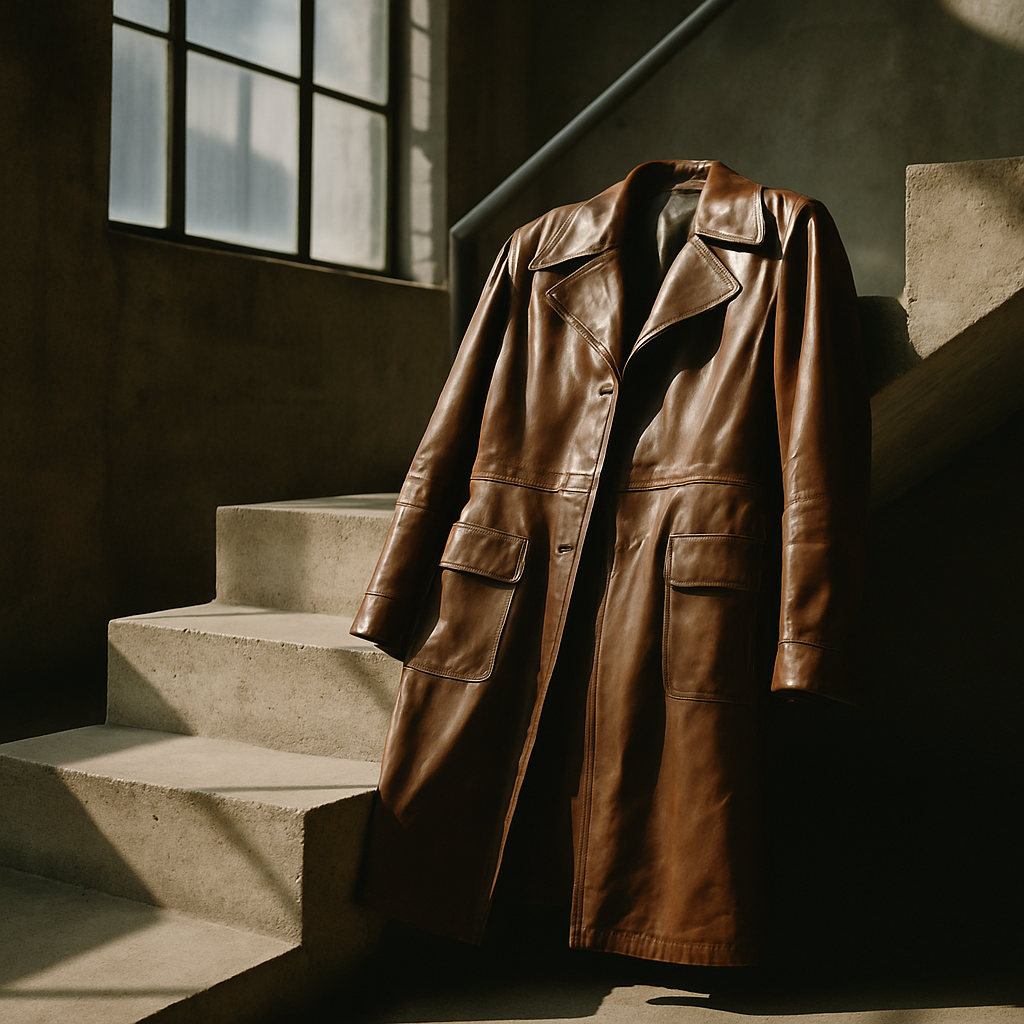
And that Bauhaus legacy is no mere footnote. As you run your fingers along a crisp 1930s linen dress—its line pure, its construction unadorned—you feel the ghost of the Bauhaus movement. Walter Gropius and his disciples insisted that beauty was born of function, that a garment should move with the body, not encumber it. That same ethos echoes through Berlin’s vintage scene today. The city’s contemporary designers, many of whom source from these very racks, have inherited that reverence for clean geometry, for quality over ornament. The long, lean coats that hang in the windows of Picknweight and Humana are not just remnants of another era; they are the living continuation of a design philosophy that rejected frivolity for integrity.
For the grand gesture, you turn west, to Kurfürstendamm. This boulevard, once the glittering spine of West Berlin’s consumer dream, still holds a pre-war glamour in its bones. The tourist throngs blur as you slip into a side street—Fasanenstraße, perhaps, or Mommsenstraße—where the facades are quieter, the windows more intimate. Here, in tiny ateliers and second-floor showrooms, you find the real treasure: a 1950s Dior jacket, its structure as precise as a building by Mies van der Rohe; a 1970s Yves Saint Laurent blouse, the silk whispering of Parisian nights that never made it to the Wall. A short walk away, KaDeWe—the continent’s second-largest department store—offers its own dizzying spectacle, but the real couture, the true vintage, hides in these unmarked doorways, waiting for the patient eye.
Finally, you arrive at the Brandenburg Gate. It is not a place for shopping, but for understanding. The sandstone columns, scarred by war and weather, now frame a pedestrianized space where teenagers on scooters weave past tourists sipping mulled wine. The gate is the symbolic heart of the city’s divided history, and its reunification energy is palpable—a restless, creative recycling of memory. The same impulse that turned a no-man’s-land into a park, that filled abandoned power stations with techno and art, also fuels the vintage economy. Every thread is a story of survival, of making something beautiful from the rubble.
As the evening light fades over the Tiergarten, you realize: Berlin does not preserve its past in museums alone. It wears it. For a deeper journey into the city’s hidden ateliers and curated racks, explore more at TheVintageGuide.com.