Berlin: The Vintage Shopping Capital of Europe
In the two decades since the fall of the Wall, Berlin has transformed into a global mecca for vintage fashion. The city’s unique history—divided, reunited, and reborn—has created a secondhand culture unlike anywhere else. From the sprawling flea market at Mauerpark to the curated racks of Neukölln’s thrift stores, Berlin offers a treasure trove for those who seek style with a story.
The Mauerpark Flea Market: A Sunday Ritual
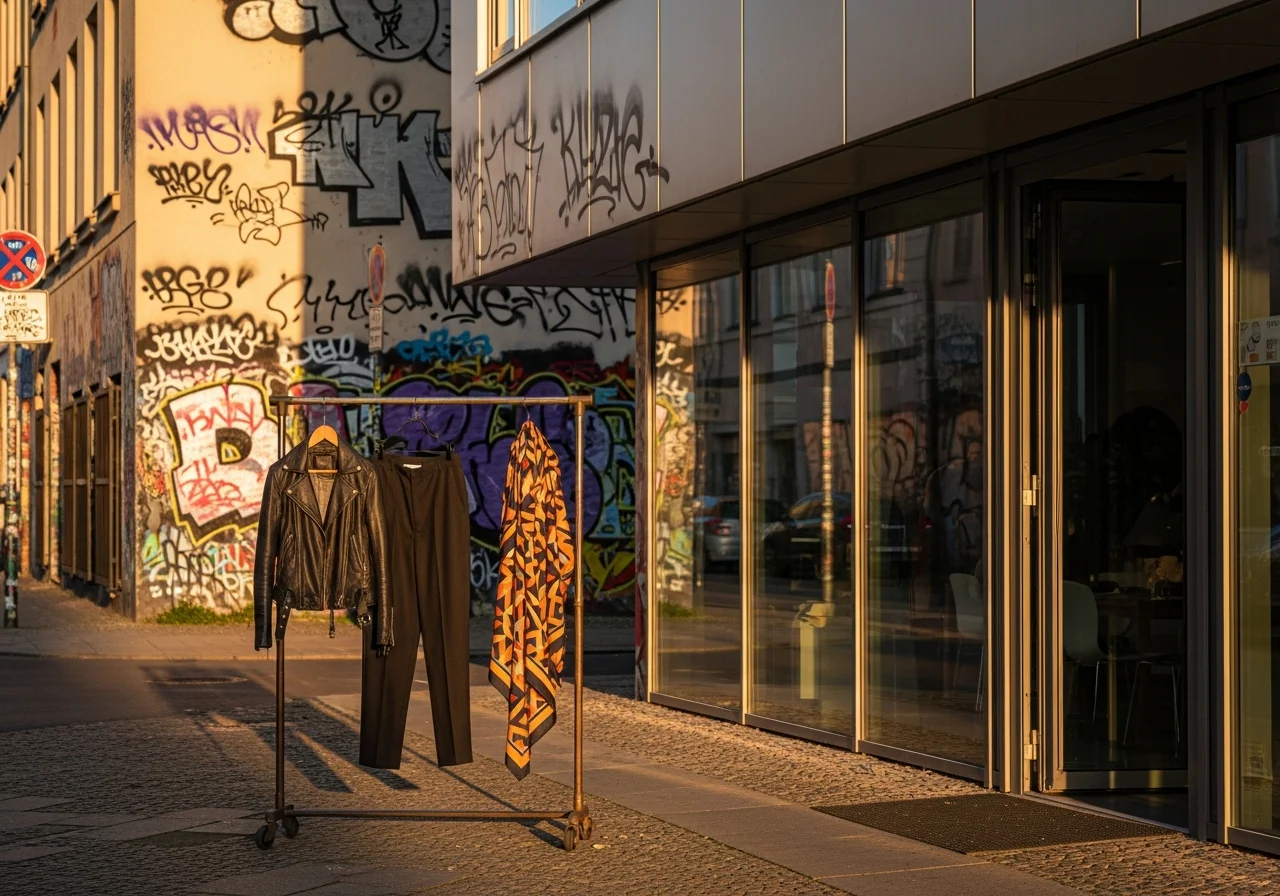
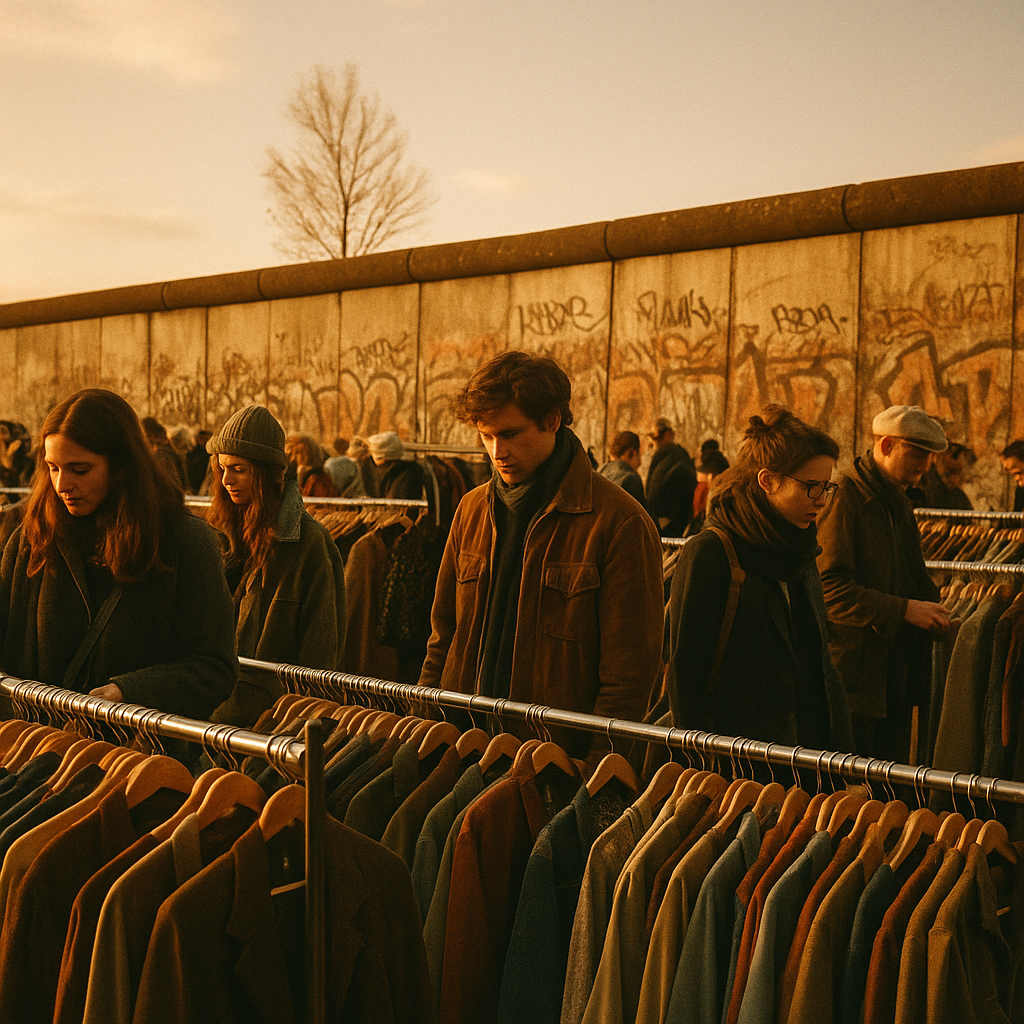
Every Sunday, the Mauerpark flea market draws thousands of Berliners and tourists alike. Set against the backdrop of the Berlin Wall memorial, this market is a living archive of the city’s past. Vendors sell everything from East German military jackets to 1970s Italian leather bags. The atmosphere is electric—live music, street food, and a palpable sense of discovery. For the savvy shopper, arriving early is key; by noon, the best pieces are often gone. But even latecomers can find hidden gems among the racks of vintage denim, silk scarves, and retro sunglasses.
Neukölln: Thrifting’s Underground Hub
Cross the Spree into Neukölln, and you enter a district where thrift stores cluster like mushrooms after rain. Here, the vibe is grittier, more alternative. Shops like Humana and Picknweight offer clothing by the kilo, while smaller boutiques like Vintage & Rags curate carefully selected pieces. The aesthetic leans toward the eclectic—think 1980s blazers, floral prairie dresses, and chunky platform boots. Neukölln’s thrift stores are a testament to Berlin’s embrace of individuality; no two finds are alike.
Garage: The Designer Vintage Destination
For those seeking high-end vintage, Garage in Mitte is the place. This multi-level emporium houses over 30 dealers specializing in luxury labels from Chanel to Yves Saint Laurent. The prices are higher, but the quality is impeccable. Each piece is authenticated and often in pristine condition. Garage also hosts regular events, from styling workshops to trunk shows, cementing its status as a destination for fashion insiders.
The Post-Reunification Secondhand Culture
Berlin’s vintage boom is rooted in its recent history. After reunification, the city became a melting pot of East and West, with wardrobes reflecting both sides. East Germans discarded their utilitarian clothing, while Westerners brought in surplus from thrift shops. This cross-pollination created a unique secondhand ecosystem. Today, Berlin’s vintage culture is fueled by sustainability, creativity, and a rejection of fast fashion. It’s not just about finding a bargain; it’s about wearing a piece of history.
Tips for the Vintage Hunter
To make the most of Berlin’s vintage scene, plan your itinerary. Start early at Mauerpark (check for seasonal hours), then head to Neukölln for afternoon browsing. Don’t skip the smaller shops off the main streets—they often have the best prices. And remember, cash is king at flea markets. For a splurge, schedule a visit to Garage before it gets crowded.
Berlin’s vintage shopping is more than a trend; it’s a cultural institution. Whether you’re a seasoned collector or a curious novice, the city’s secondhand scene offers an authentic, stylish journey through time.