Cut and Construction over Ornament
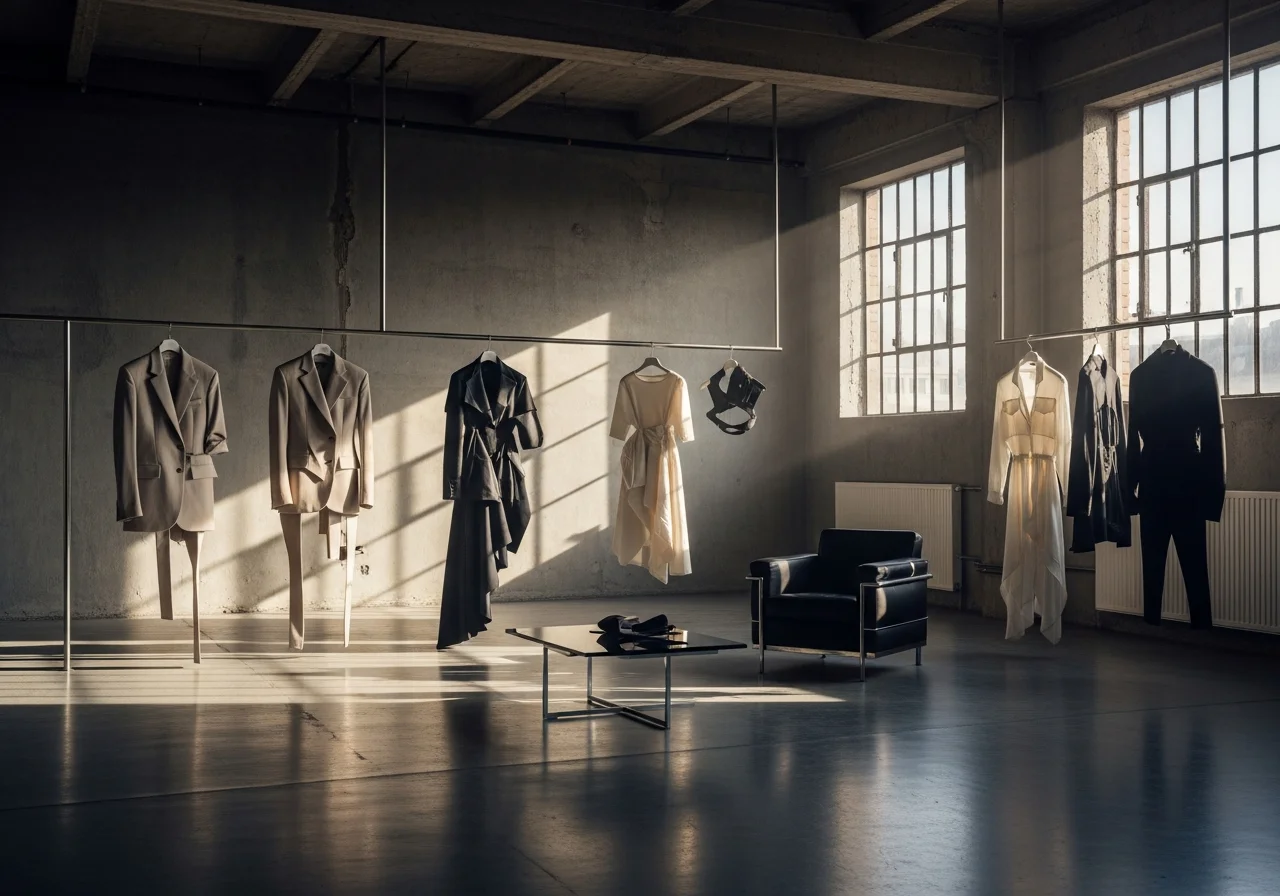
Berlin's vintage scene holds a particular thread: the Bauhaus legacy. Between 1919 and 1933, the school taught that form follows function. That logic landed directly on dress. Designers like Marcel Breuer applied tubular steel to furniture, but the same thinking appears in 1920s shift dresses and 1930s tailored jackets found in Prenzlauer Berg shops.
At Humana on Frankfurter Tor, look for wool jersey dresses with dropped waists and no fastenings — pure geometry. The fabric moulds to the body without darts. That is Bauhaus construction: the material does the work. Over in Neukölln, Picknweight stocks 1960s German workwear with the same ethos — canvas trousers, linen smocks, fastenings replaced by elastic or ties.
The Ulm School Echo
Postwar, the Hochschule für Gestaltung Ulm (1953–1968) carried Bauhaus principles into industrial design. Their influence appears in 1960s West German ready-to-wear: boxy shift dresses, modular separates, synthetic knits that hold shape without ironing. At Café Luzia on Oranienstraße, the locals wear these — a cream 1965 acrylic cardigan, straight skirt, no lace, no fuss.
Where to Find the Line
- Vintage & Rags, Torstraße: 1930s Saxony wool jackets, hand-stitched buttonholes.
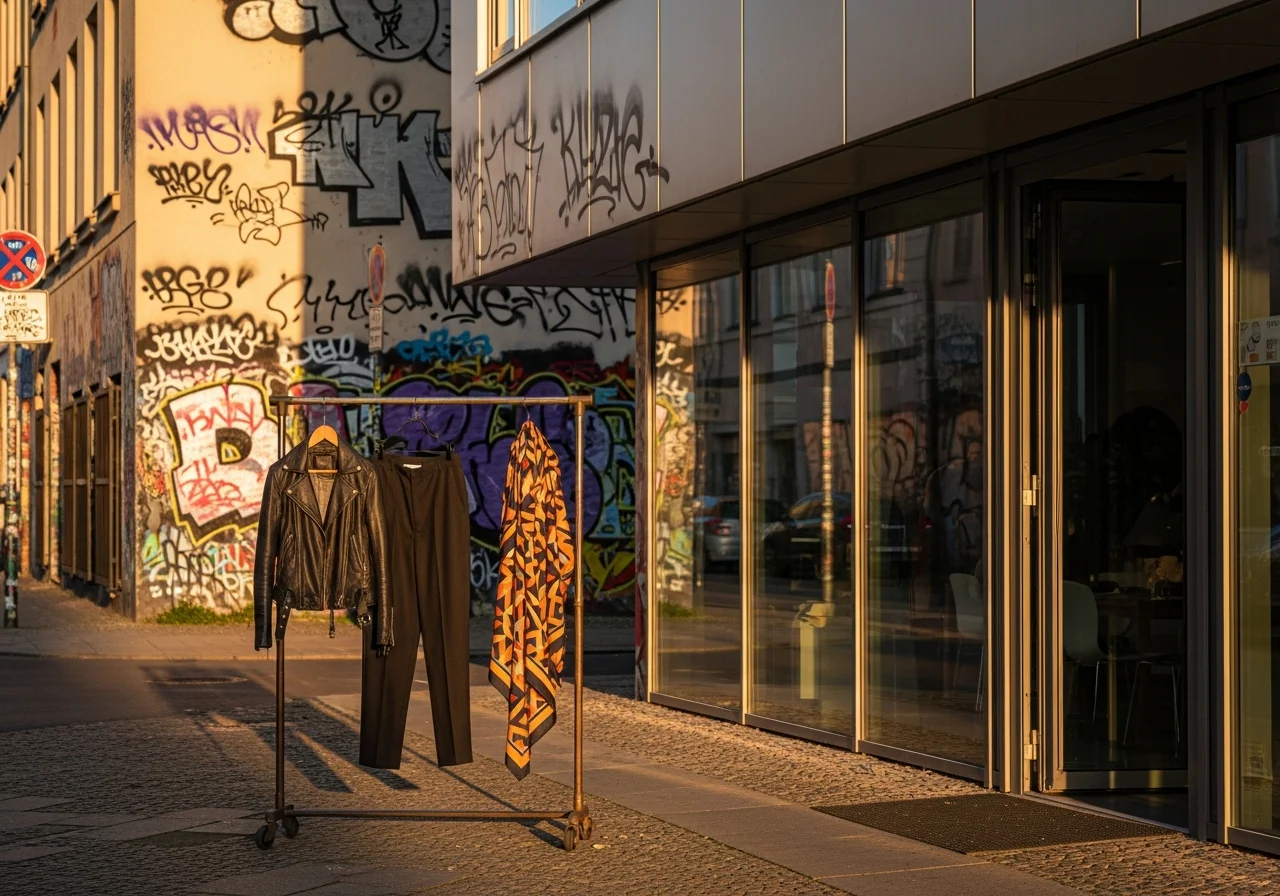
- Mauerpark Flea Market, Sundays: Look for 1920s silk scarves with geometric prints, often by anonymous Bauhaus weaving workshops.
- Colours, Schönhauser Allee: 1950s–1970s German separates — think raw-edge jackets, asymmetric hems, hidden pockets.
Why It Matters
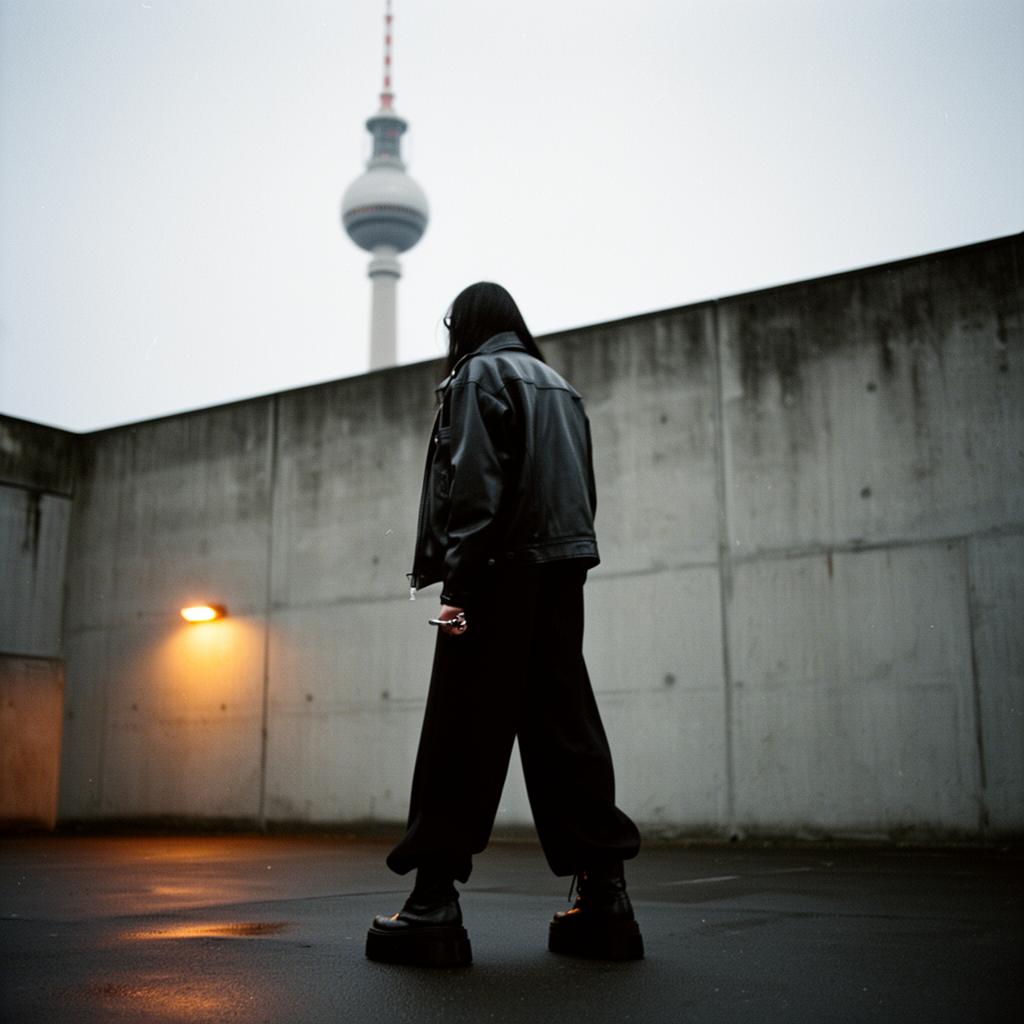
Bauhaus vintage is not about labels. It is about seeing the bone structure of a garment. The shoulder seam falls at the natural shoulder. The hem is straight. The closure is a single hidden button. In Berlin, this is not costume; it is daily uniform. The city's architecture — concrete, steel, glass — mirrors the clothes. A 1927 Bauhaus dress and a 1960s Plattenbau balcony share the same grammar: minimal, honest, built to last.