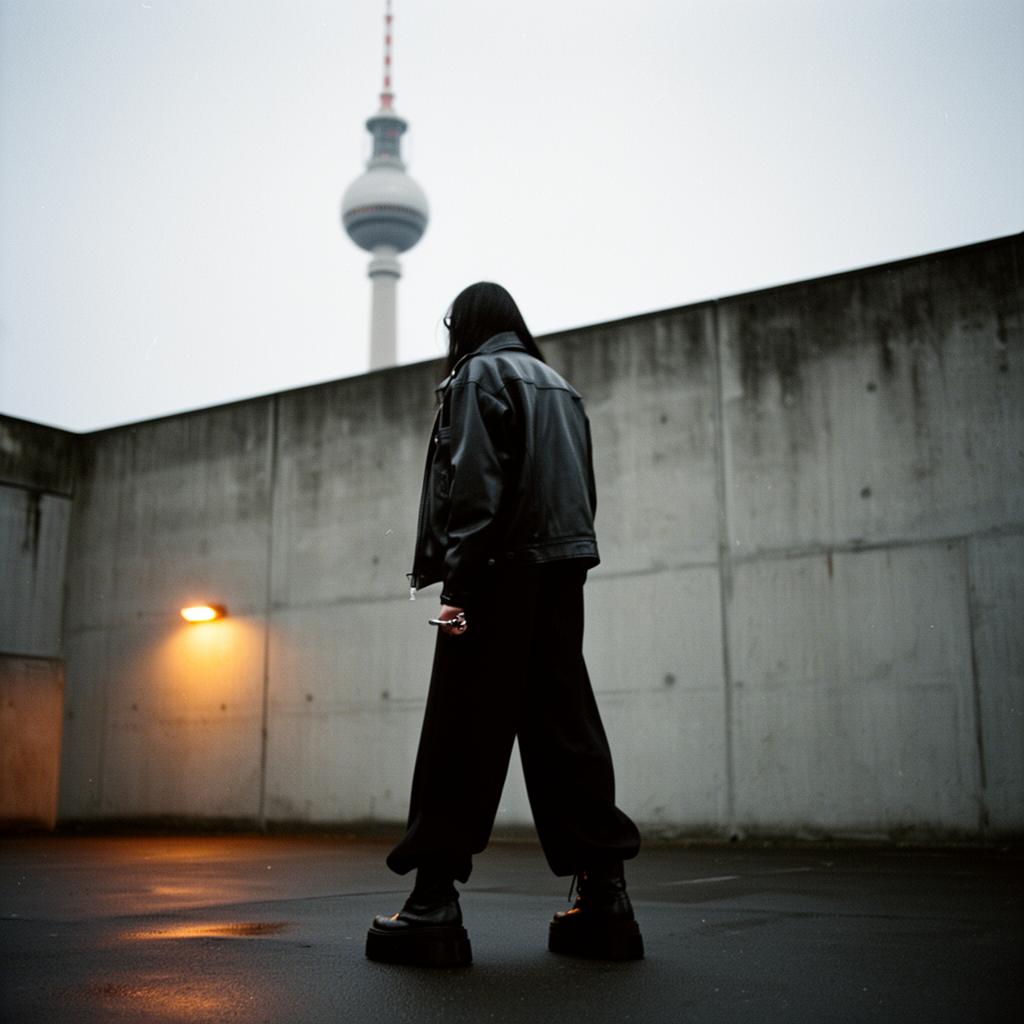
Berlin’s punk scene in the 1990s wasn’t about safety pins and mohawks borrowed from London. It was a raw response to the city’s post-Wall chaos. Squats in Mitte, abandoned factories in Friedrichshain, and the no-man’s-land of the former border strip bred a style that was utilitarian, aggressive, and deeply local.
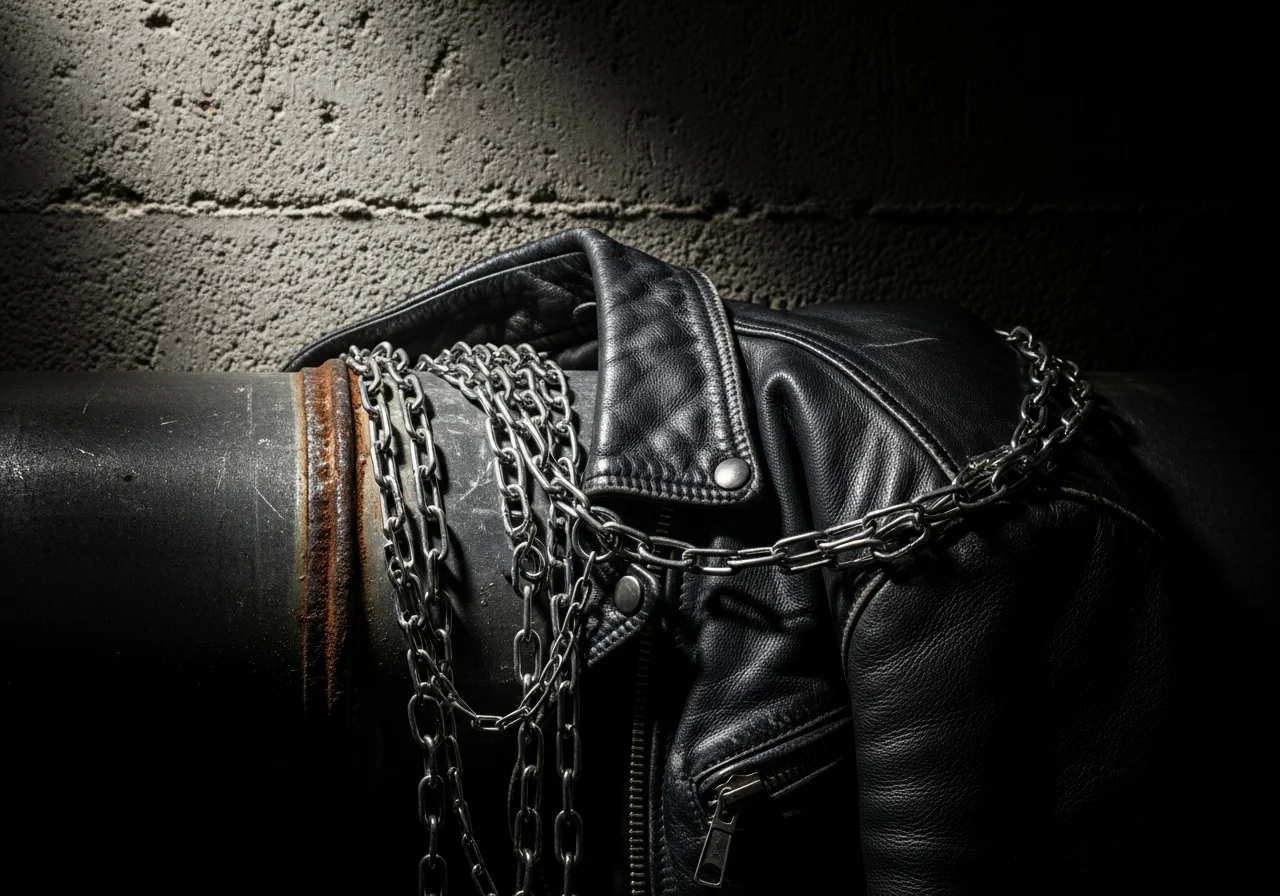
The uniform: ripped black denim, often from second-hand shops like Humana or the flea market at Mauerpark. Leather jackets were mandatory—distressed, patched with band logos from Einstürzende Neubauten or Die Toten Hosen. Boots were heavy, scuffed, usually Dr. Martens or army surplus. The look was functional: layers against Berlin’s harsh winters, multiple zippers, cargo pockets for carrying flyers and spray cans.
Key details set Berlin apart. DIY patches and pins from local venues like SO36 in Kreuzberg or the now-closed Knaack Club in Prenzlauer Berg. Hair was shaved or chopped unevenly, dyed black or blood red with cheap drugstore color. Piercings were homemade, often with earring studs or safety pins through the ear.
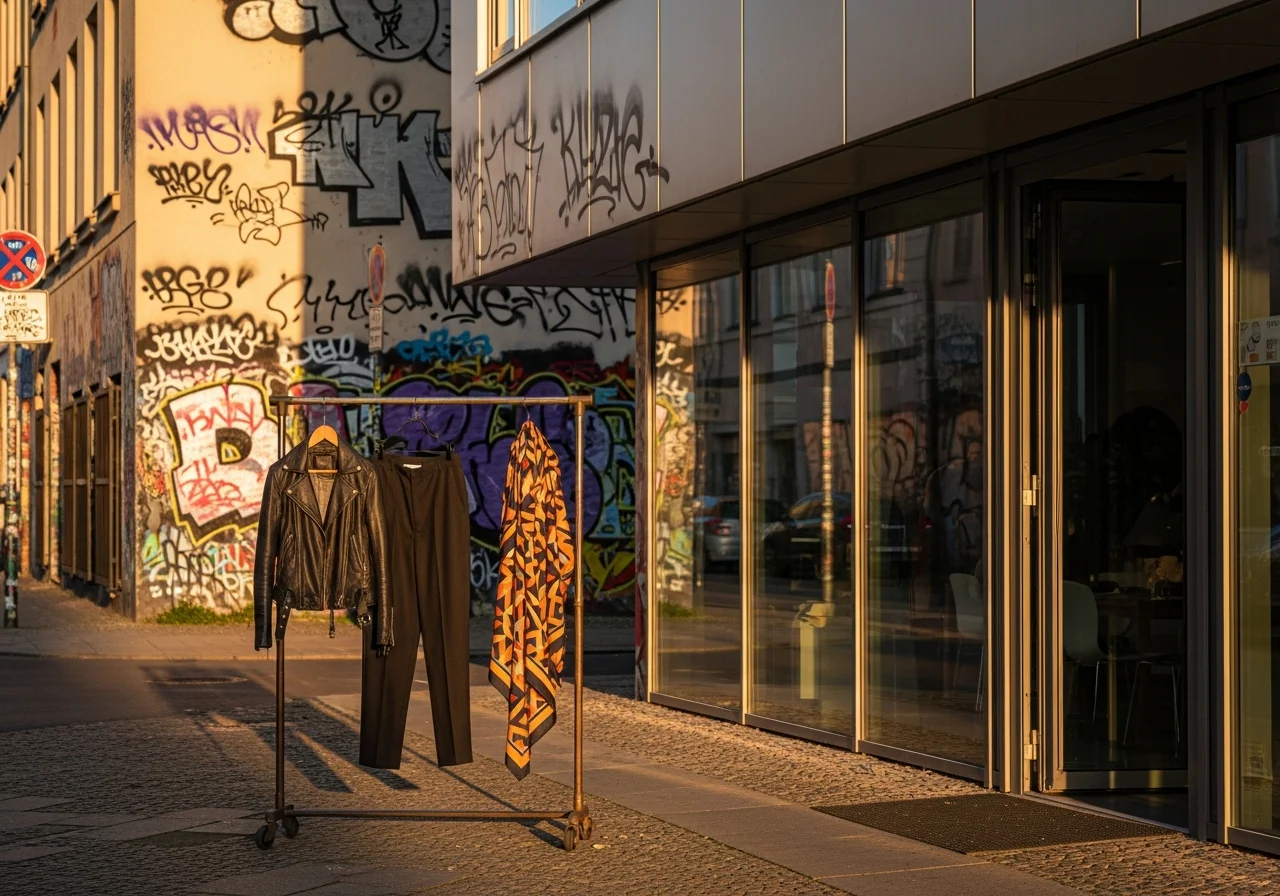
Today, this aesthetic survives in the city’s vintage economy. Shops like Made in Berlin on Torstraße carry original 90s band tees and distressed leather from that era. PicknWeights in Neukölln has racks of bullet belts and bondage trousers sourced from former punks clearing their closets. The flea market at Arkonaplatz still yields original patches and boots.
The difference between a 90s Berlin punk jacket and a modern reproduction is in the wear—the genuine fraying from mosh pits, the paint stains from street protests, the cigarette burns. It’s an aesthetic that can’t be faked, only inherited.