
 Sign in
✦ Culture · Paris
Why Vintage Band T-Shirts Matter Now
A worn-in tour tee is the most honest thing in a wardrobe. Here is how to wear one without looking like a costume, and how to tell a 1977 original from a 2022 reprint.
 By Louis Trash·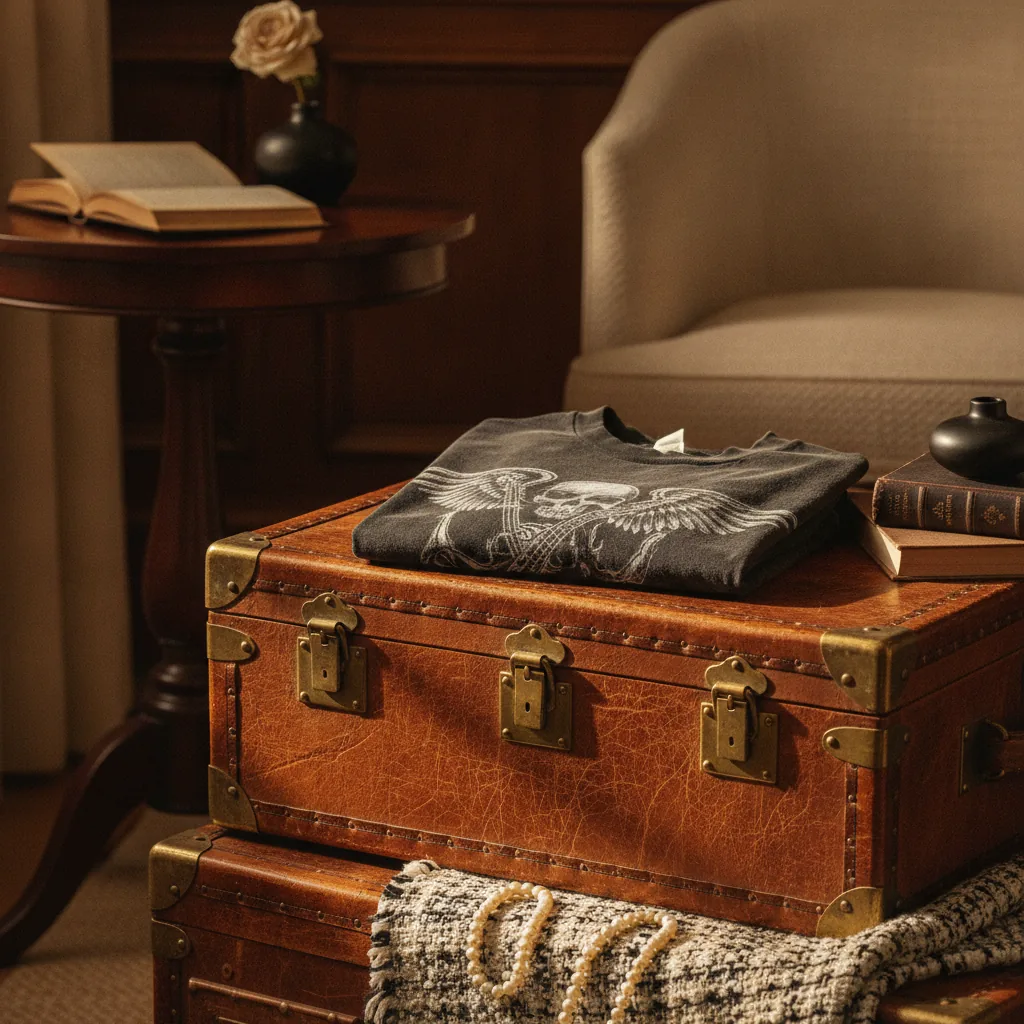
The shirt that already knows you
A good vintage band tee has been through more than you have. It was screen printed in a basement in 1977, worn to a show that smelled like spilled beer and cigarettes, washed four hundred times, and somehow survived. That history is the whole point. You are not buying a graphic. You are buying a garment that has already softened into something no factory can fake.
I own a faded Rolling Stones tee from the 1978 Some Girls tour. The cotton is paper thin at the shoulder blades. The ink has cracked into a map of tiny rivers across the lips logo. When I wear it, I do not feel like I am wearing a band. I feel like I am wearing a decade that no longer exists.
That is the appeal. And it is why these shirts now sit in the same mental category as a good leather jacket or a broken-in pair of jeans. They are not merchandise. They are clothing.
How to wear one without looking like a tourist
The mistake most people make is treating a band tee as a costume. They pair it with tight black jeans and a leather jacket and suddenly they are auditioning for a Ramones tribute band. That is fine if you are 22. It is less fine if you are 45 and have a mortgage.
The better move is contrast. Wear a faded tee with something that has structure. A tailored wool blazer in charcoal or navy. A long, fluid silk skirt in a muted colour. High-waisted wide-leg trousers in cream or olive. The tension between the worn cotton and the crisp tailoring is what makes it work.
Proportions matter more than anything. If the tee is oversized, keep the bottom half slim. If the tee is cropped or fitted, go wide on the bottom. A vintage tee tucked into pleated trousers with a belt and loafers is one of the most reliable outfits I know. A tee left loose over a slip skirt and flat sandals is the summer version.
Layer it under a button-down shirt with the collar open. Wear it under a cardigan with the sleeves pushed up. Put it under a jumpsuit. The shirt should look like it belongs to you, not like you borrowed it from a teenager.
One rule: do not wear a band you cannot name a song by. That is not gatekeeping. That is just dignity.
What to look for before you hand over the cash
The first thing to check is the tag. A single-stitch tee from the 1970s will have a paper-thin label, often with a union stamp. Screen Stars, Hanes, Fruit of the Loom, and Champion are the names you want. A 1980s shirt will have a double-stitched hem and a slightly thicker cotton. A 1990s shirt will have a more generous cut and often a Brockum or Winterland tag.
Foto: Atlantic Ambience · Pexels
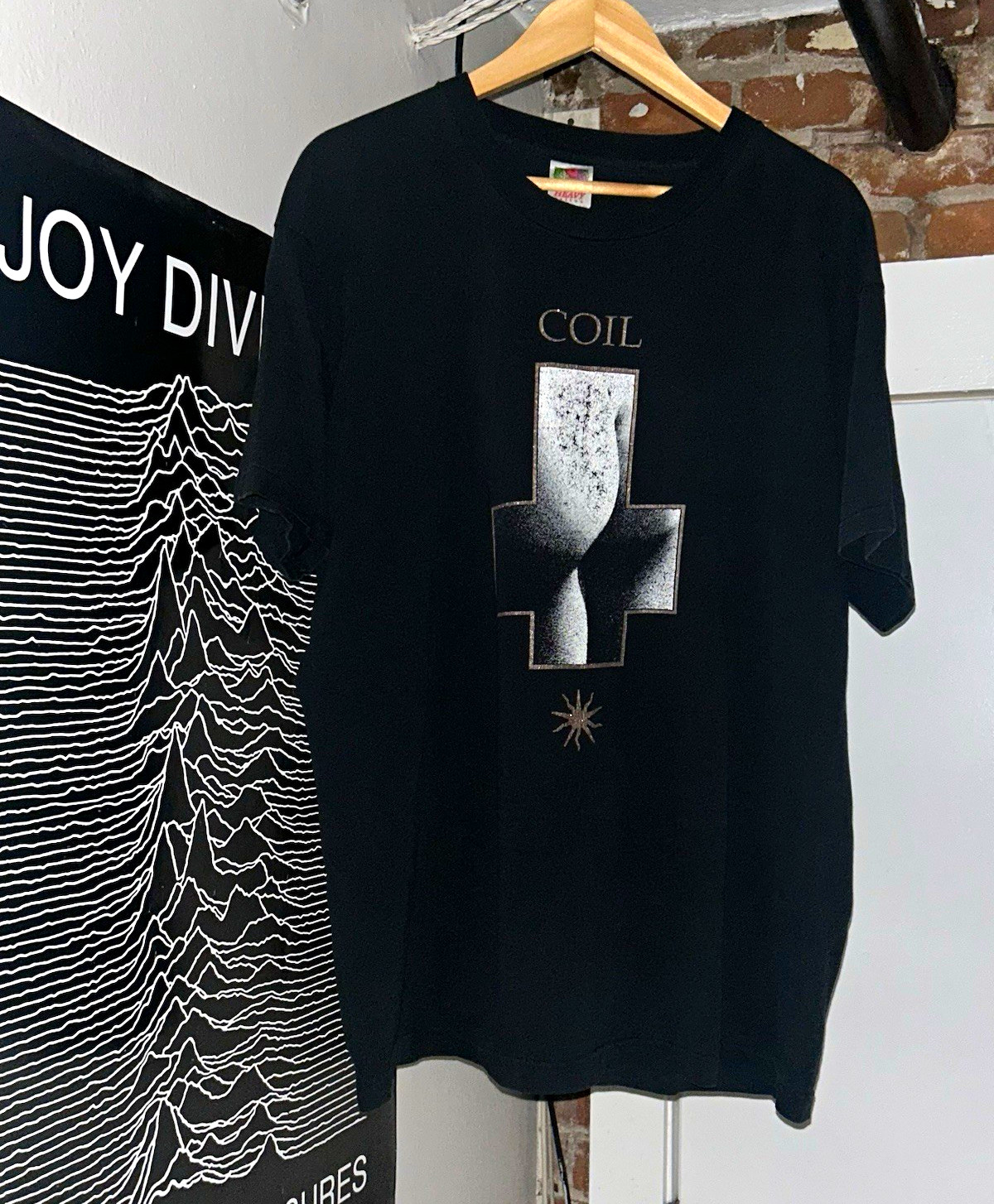
Look at the print. Original tour tees from the 1970s and early 1980s were screen printed with plastisol ink. That ink cracks over time. It feels slightly raised and rubbery. A modern reprint will have a smooth, flat print that looks too perfect. If the graphic is sharp and the cotton is stiff, it is probably new.
Check the seams. Single stitch at the hem and sleeves means pre-1990s. Double stitch means later. That is not a hard rule, but it is a useful guide.
Look for wear. A small hole at the collar, a frayed hem, a faded print. Those are good signs. They mean the shirt was worn and loved. A pristine 1975 tee is almost certainly a fake or a reissue.
Colours matter too. A true vintage black tee will have faded to a soft charcoal or even a brownish grey. A true vintage white tee will have yellowed slightly. That patina is the point. Do not try to bleach it out.
Expect to pay around $157.53 for a good example. That is not cheap, but it is less than a new designer tee that will never look this good.
The real history, told properly
The band tee as we know it started with the Grateful Dead. In 1967, they began selling shirts at their shows, printed with psychedelic artwork by artists like Rick Griffin and Stanley Mouse. Those shirts were not fashion. They were souvenirs. But they were also the first time a band's visual identity became something you could wear.
Foto: Svetlana Tumina · Pexels
The 1970s turned it into an industry. The Rolling Stones, Led Zeppelin, Pink Floyd, and The Who all toured with merchandise stands. The shirts were printed on cheap cotton, sold for a few dollars, and often thrown away. That is why they are rare now. Nobody thought to keep them.
The 1980s changed the scale. Bruce Springsteen's Born in the U.S.A. tour in 1984 sold millions of shirts. The designs became bolder, the colours brighter. By the 1990s, bands like Nirvana and Pearl Jam made the tee a uniform for a generation. Kurt Cobain wore a Flipper tee on the cover of Rolling Stone in 1992. That image did more for the vintage tee than any advertising campaign.
Film played its part too. In 1976, Taxi Driver put a young Jodie Foster in a faded tee. In 1983, Flashdance made the oversized sweatshirt and tee combination look like something you could actually wear. By the 1990s, the tee was everywhere.
What to avoid
The biggest trap is buying a shirt that is too clean. A vintage tee should look like it has lived. If it is crisp and bright, it is probably a reprint. If it smells like a thrift store, that is fine. Wash it once, gently, and it will smell like you.

Foto: Jefferson Rosier · Pexels
Avoid shirts that are too small. Vintage sizing runs smaller than modern sizing. A 1970s large is closer to a modern medium. Always check the measurements, not the label.
Avoid shirts with iron-on transfers. Those were common in the 1980s, but they crack and peel. A screen print is always better.
And avoid anything that feels like a costume. If you would not wear it to the grocery store, do not buy it.
The shirt you will still be wearing in ten years
A vintage band tee is not an investment. It is a garment. The best ones are the ones you wear until they fall apart. I have a friend who has worn the same 1979 Clash tee for twenty years. It is now more hole than shirt. She still wears it. That is the point.

Foto: Muhammad Dzaki Zaidan · Pexels
Buy one because you love the band. Buy one because the cotton feels like nothing else. Buy one because you want to wear something that has a history. Then wear it. Wash it. Wear it again. The shirt will get better. So will you.
City
Paris
Category
vintage band tee
Published
22 September 2026
The names
Meet the designers
The minds behind this story — each with a piece currently on the market.
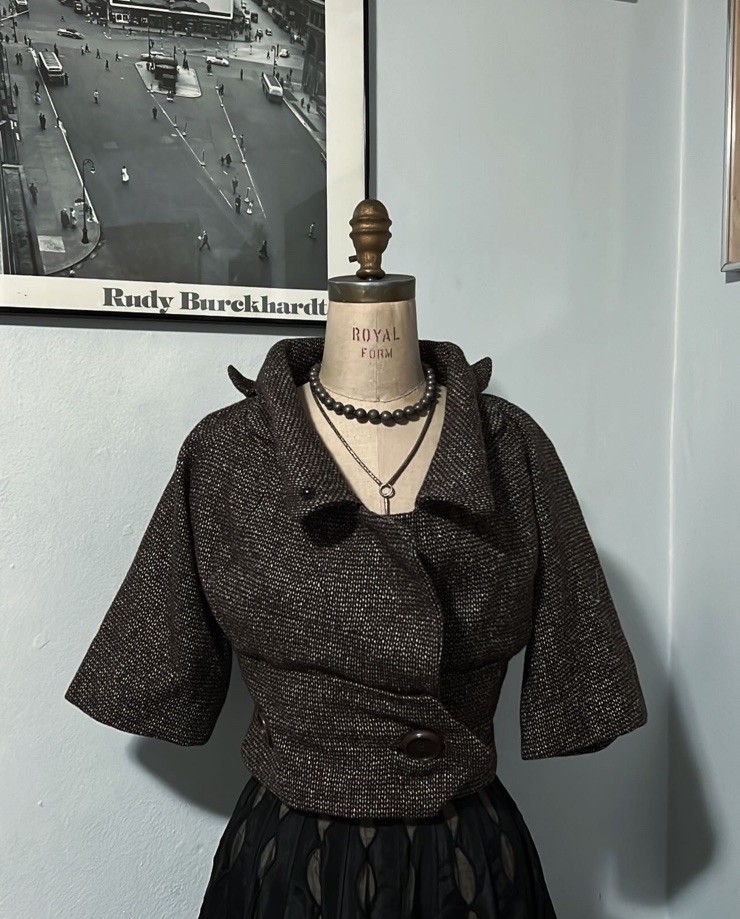
Dior
France · 1940s
The New Look & the Lady Dior
The New Look & the Lady Dior
Top piece
View →
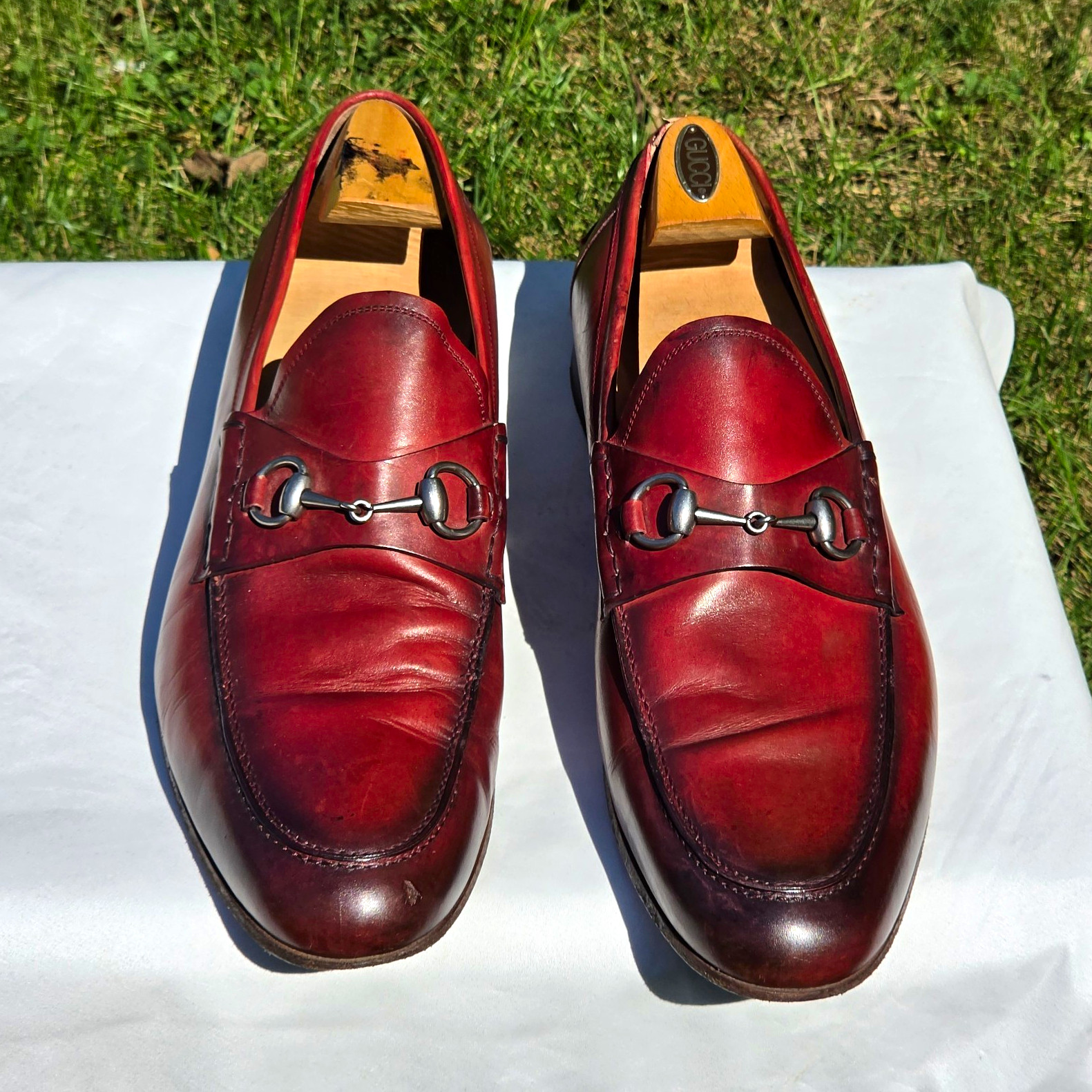
Gucci
Italy · 1920s
The bamboo handle & the double-G
The bamboo handle & the double-G
Top piece
View →
Yohji Yamamoto
Japan · 1970s
Black, drape & poetic deconstruction
Black, drape & poetic deconstruction
Ann Demeulemeester
Belgium · 1980s
Romantic goth, asymmetric leather
Romantic goth, asymmetric leather
Continue the edit
Further stories from the same world
Three more walks through the same vintage universe.
The Art of Wearing a Vintage Band Tee Without Looking Like a Costume
A guide to styling, sourcing, and understanding the history of vintage band t-shirts, from a writer who has worn them for decades.
Read the story →The Bauhaus Tee: How to Wear the Band Shirt That Outlived the Band
Bauhaus broke up in 1983, but their t-shirts never stopped. Here's how to wear one without looking like you're stuck in a time capsule.
Read the story →The Vintage Band Tee: Wear It Like You Mean It
A 1978 Rolling Stones jersey from the Some Girls tour. A faded 1991 Nirvana tee with the smiley face. These are clothes, not collectibles. Here is how to wear them without looking like you are in costume.
Read the story →