
 Sign in
🔥 Fashion · Amsterdam
Vintage Denim in Amsterdam: A Buyer's Guide
Vintage denim fits differently because it was cut differently: higher waists, straighter legs, heavier cotton that holds its shape all day. And the fade is real, earned by somebody else's decade of wear.
 By Louis Trash·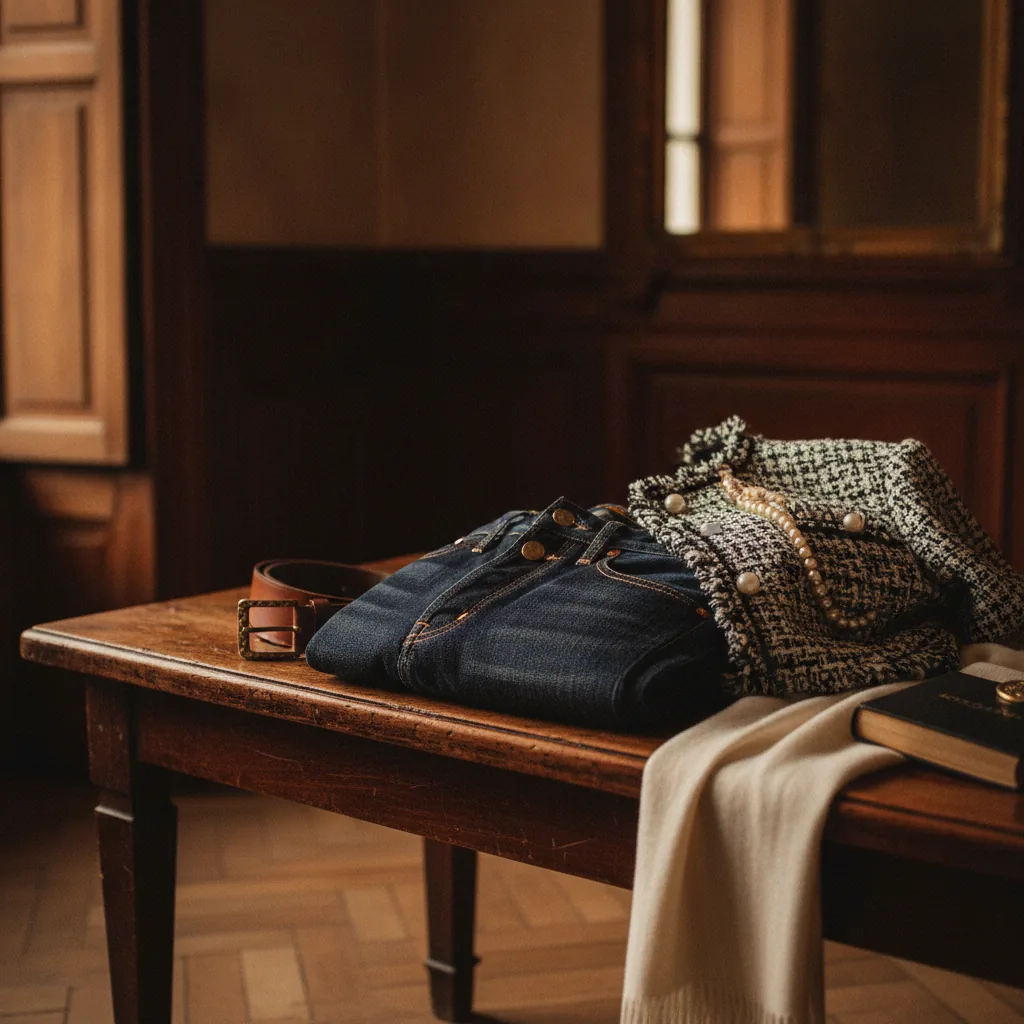
The Case for Old Denim
Vintage denim fits differently because it was cut differently: higher waists, straighter legs, heavier cotton that holds its shape all day. And the fade is real, earned by somebody else's decade of wear. A pair of 1980s Levi's 501s feels like armor compared to the stretchy, paper-thin stuff sold today. The denim was woven tighter, often on shuttle looms that produced a 14-ounce fabric with a pronounced twill. That weight is why they stand up to the daily grind of city life. In Amsterdam, that grind involves a bicycle. Every garment here has to survive a canal breeze, a sudden rain shower, and the constant motion of pedaling, all while still looking considered. Vintage denim, with its sturdy construction and timeless cut, is the perfect uniform.
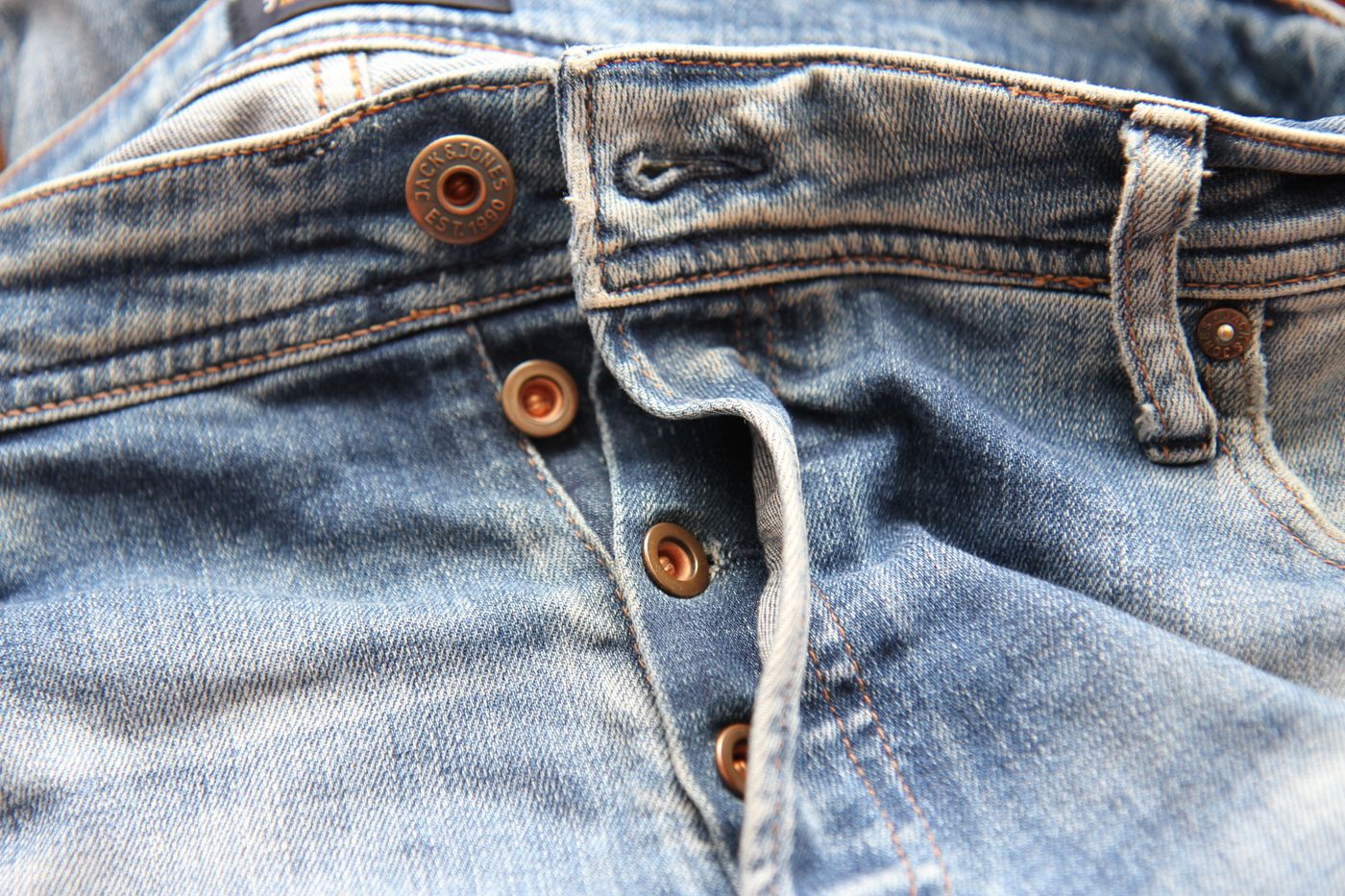
Foto: Dragan Tomić · Pexels
How to Wear Them in Amsterdam
The first rule is to let them sit at the natural waist. That is where the cut was designed to land, just above the hip bone, and it's the most flattering for most body types. High-waisted jeans also keep your lower back warm when you're cycling into a cold wind. Pair them with a tucked-in shirt to show off the rise. If you're on a bike, the extra coverage means you won't flash your lower back when leaning forward.

Foto: Cherry’s POV · Pexels
Hem them yourself and leave the raw edge. A clean chop looks better than a factory finish. You can do it with a pair of scissors and a ruler, or take them to a tailor for a professional job. Raw hems fray beautifully over time and add to the worn-in look. Aim for a length that just grazes the top of your shoes when you're standing, and bunches slightly when you're on the pedals.
Balance the heaviness of the denim with something soft. A fine knit sweater, a silk blouse, or a linen shirt in summer. This contrast keeps the outfit from feeling too rugged. In Amsterdam, where the weather changes quickly, layering is key. A vintage denim jacket over a cashmere turtleneck, with your jeans, is a classic Dutch look. Don't be afraid to mix decades: a 1970s pair with a modern minimalist top, or a 1990s baggy fit with a fitted blazer.
Where to Find Yours in Amsterdam
Amsterdam has a thriving vintage scene, with shops catering to every taste and budget. Here are four places worth your time, each with its own personality.
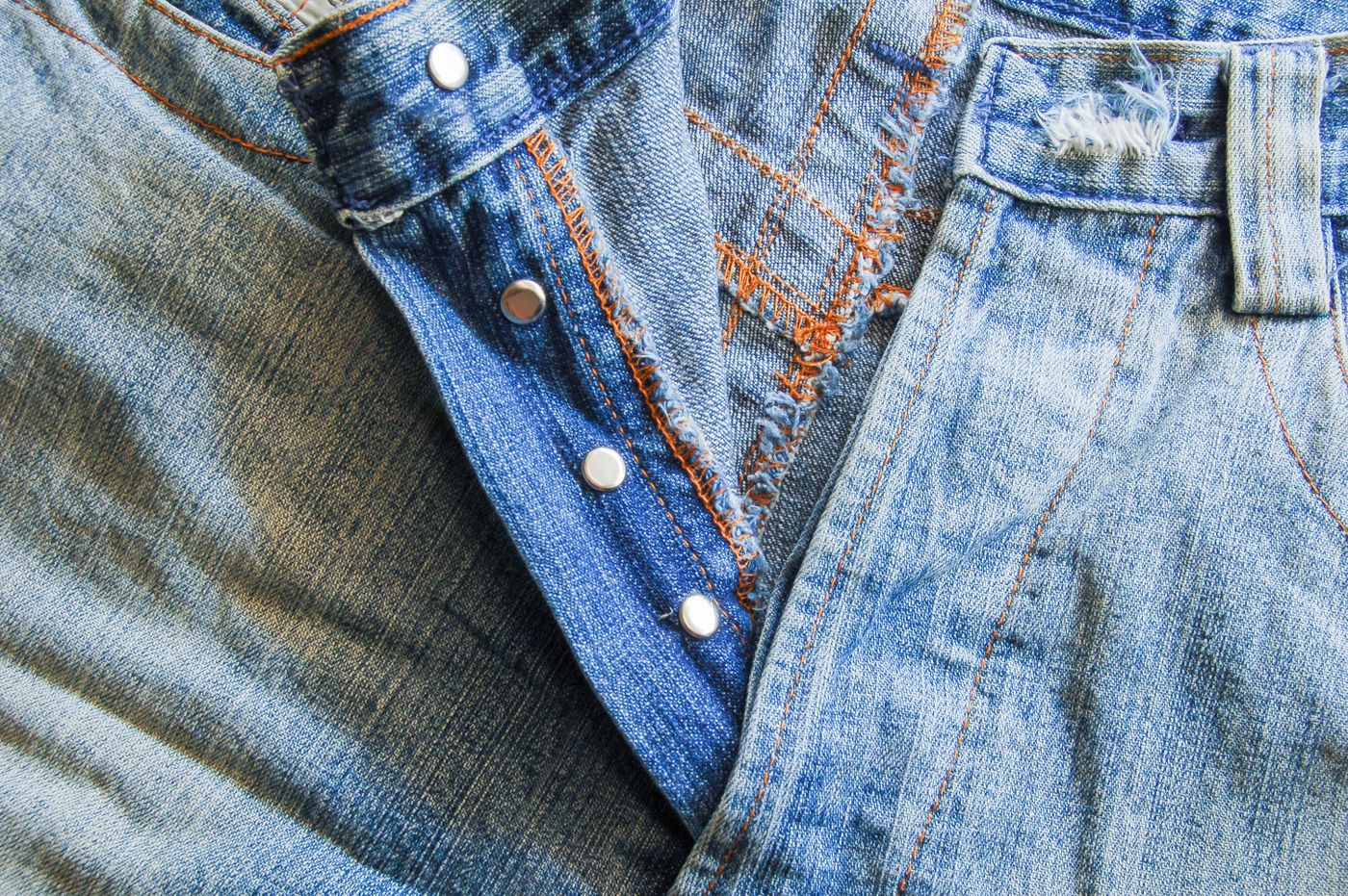
Foto: Srattha Nualsate · Pexels
Episode De Pijp (Gerard Doustraat 63) is a good starting point. The racks are massive and constantly restocked, with a mix of everything from 1960s Levis to 1990s Wranglers. Prices start around 20 euros, making it a place to dig for bargains. Go on a weekday morning, right after they put out new stock. The staff are friendly but busy, so ask them to point you to the denim section if you're overwhelmed.
Concrete Matter (Huidenstraat 13) is a menswear-focused shop with a curated selection. They specialize in vintage Levi's, Lee, and Wrangler from the 1950s to 1980s, with real provenance. The good stuff is at the back, so don't be shy about asking to see what they have. Prices start around 45 euros, but you'll pay more for rare pieces. The owner, Jasper, is a walking encyclopedia of denim history and can tell you the exact year your jeans were made from the stitching details.
Bij Ons Vintage (Nieuwezijds Voorburgwal 150) is a treasure trove for designer vintage. They carry pieces from European and American brands, often from the 1970s and 1980s. Ask about the pieces behind the counter; that's where they keep the best finds. Prices start around 60 euros, but you might find a pair of vintage Levi's SilverTab or even a rare Japanese repro. The staff are helpful and will let you try on as many pairs as you like.
Waterlooplein Market (Waterlooplein 2) is the classic flea market in the city center. It's unsorted and chaotic, but if you're willing to dig, you can find amazing deals. Go early, bring cash, and be prepared to haggle. Prices start around 90 euros for the good stuff, but you can find gems for less. The market is also a great place to find non-denim vintage, like leather jackets and sweaters.
If you're serious, make a day of it. In the morning, hit Waterlooplein for the bargains. In the afternoon, visit Concrete Matter and Bij Ons for higher quality. End at Episode De Pijp to round out your collection.
What to Look For
Before you hand over your money, check the back patch and the button stamp for a number that dates the pair. Levi's, for example, used a two-digit number on the back patch from 1967 to 1971, and later a three-digit code. The care tag, if it's still intact, is a goldmine of information. Look for the RN number or the factory code, which can tell you where and when the jeans were made.

Selvedge is a sign of quality. A clean white line inside the outseam means the denim was woven on a narrow shuttle loom, which produces a tighter, more durable fabric. Selvedge denim was the standard until the 1970s, when modern looms made it cheaper to produce wider rolls. Today, selvedge is prized by denim heads for its authenticity and longevity.
Try them on. Vintage sizing runs small, so ignore the number on the tag and trust the waistband. A pair of 32-inch waist jeans from the 1970s might fit like a modern 30-inch. Also check the rise, the distance from the crotch to the waistband. High-rise jeans are more forgiving and more flattering for most people.
Examine the condition. Look for holes, stains, and excessive wear, especially in the knees and the crotch. Fraying at the crotch is the one repair that is rarely worth it. The fabric is weakened, and even a professional patch will likely fail. Check the seams for any signs of unraveling. A pair with a small hole in a non-stress area is a good candidate for a repair, but a crotch blowout is a deal-breaker.
One last thing: try it on properly, walk around in it, and sit down. A pair of vintage jeans that only works standing still is not going to survive your actual life. In Amsterdam, that means cycling, bending to lock your bike, and sitting in a café for hours. The jeans should feel comfortable from the moment you put them on, with no pinching or sagging.
The History in the Seams
When you buy vintage denim, you're not just buying a piece of clothing; you're buying a piece of history. The Levi's 501, first patented in 1873, was designed as workwear for miners. The original design featured a button fly, a cinch back, and a single back pocket. Over the decades, the fit evolved to reflect the times: the wide-legged 1930s jeans, the slimmer 1960s cuts, the bell-bottoms of the 1970s, and the baggy styles of the 1990s. Each pair tells a story, and wearing them is a way of connecting to the past.
In the 1980s, Japanese denim enthusiasts began buying up vintage Levi's and studying every detail, from the stitching to the rivets, to recreate them. This sparked a worldwide obsession with vintage denim, leading to the rise of brands like Evisu and Denime. Today, vintage Levi's are considered some of the most collectible items in fashion, with rare pairs selling for thousands of dollars. But you don't need to spend a fortune to find a good pair. The thrill is in the hunt, and the satisfaction of finding a pair that fits perfectly and has a story to tell.
In Amsterdam, vintage denim is not just a trend; it's a way of life. The city's cycling culture demands practicality, and vintage denim provides it. The high waist keeps you warm, the sturdy fabric protects you from the elements, and the timeless style ensures you always look good. So next time you're in the city, take a morning to explore the vintage shops. You never know what you'll find, and that's the beauty of it.
The names
The designers behind the look
The minds behind this story — each with a piece currently on the market.
Levi's
USA · 1850s
The 501 & Americana denim
The 501 & Americana denim
Calvin Klein
USA · 1960s
Minimalism & the 90s slip
Minimalism & the 90s slip
Dior
France · 1940s
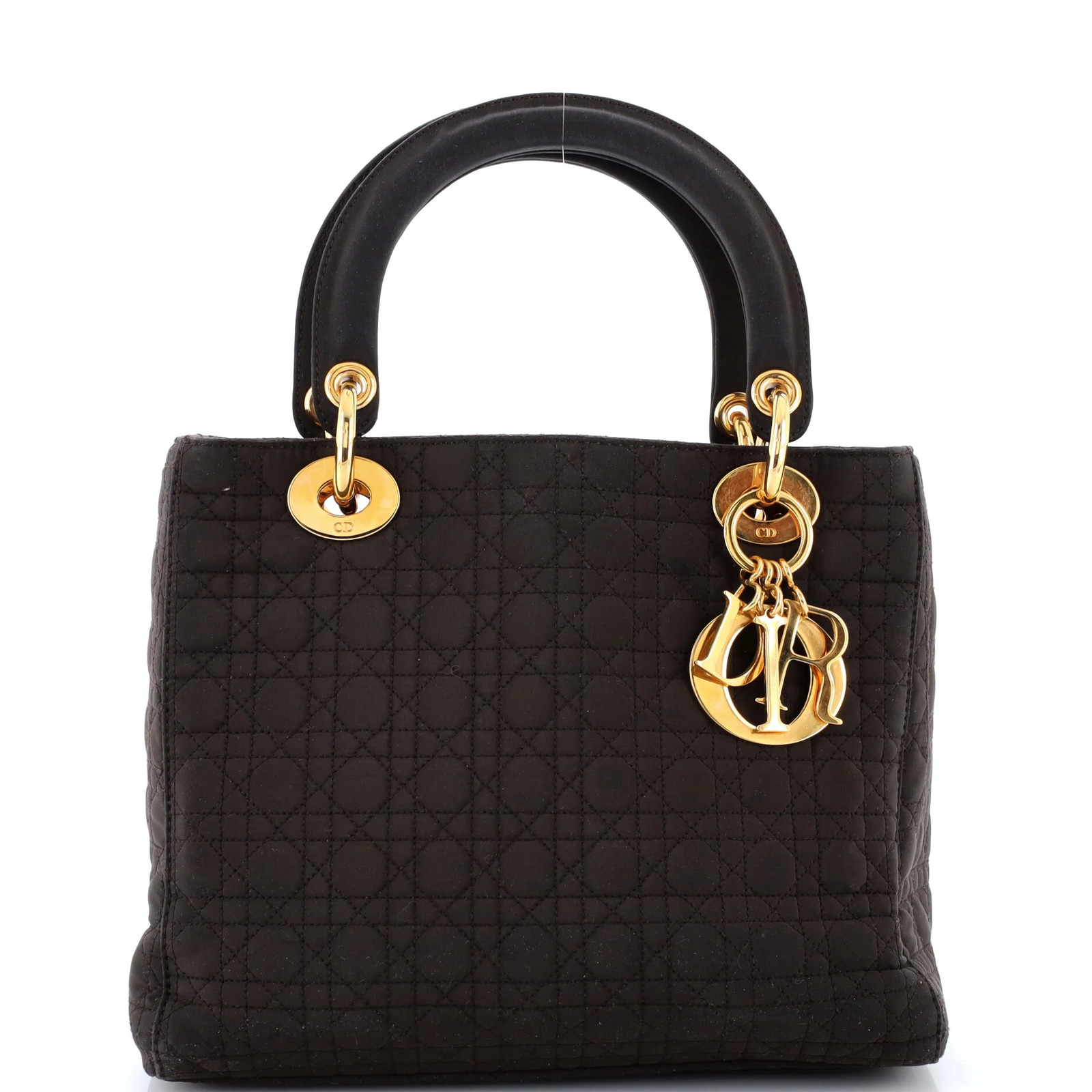
The New Look & the Lady Dior
The New Look & the Lady Dior
Top piece
View →
Issey Miyake
Japan · 1970s
Pleats Please & techno-fabric
Pleats Please & techno-fabric
Continue the edit
Further stories from the same world
Three more walks through the same vintage universe.

The Silk Scarf Is the Quiet Flex of Amsterdam
A silk scarf is the cheapest way into a serious label. The prints are small paintings, the hand-rolled edges are proper craft, and a good one costs less than a mediocre dinner.
Read the story →
The Leather Jacket Is Back, and Amsterdam Wears It Best
A leather jacket is the rare piece that looks better the longer you own it. Vintage ones arrive already broken in. The collar softened, the cuffs scuffed, the lining a little tired in the best way.
Read →
The Art Deco Furniture You Can Wear: A Styling Guide for Grown-Ups
Art Deco furniture is not just for your living room. Here is how to wear its geometry, materials, and glamour without looking like a costume.
Read →