
 Sign in
✦ The City Edition
Amsterdam
Vintage Bridal in Amsterdam: Where to Look
Vintage bridal is where the real craft hides. Hand-worked lace, silk that actually hangs, veils edged by somebody's grandmother.
 By Louis Trash·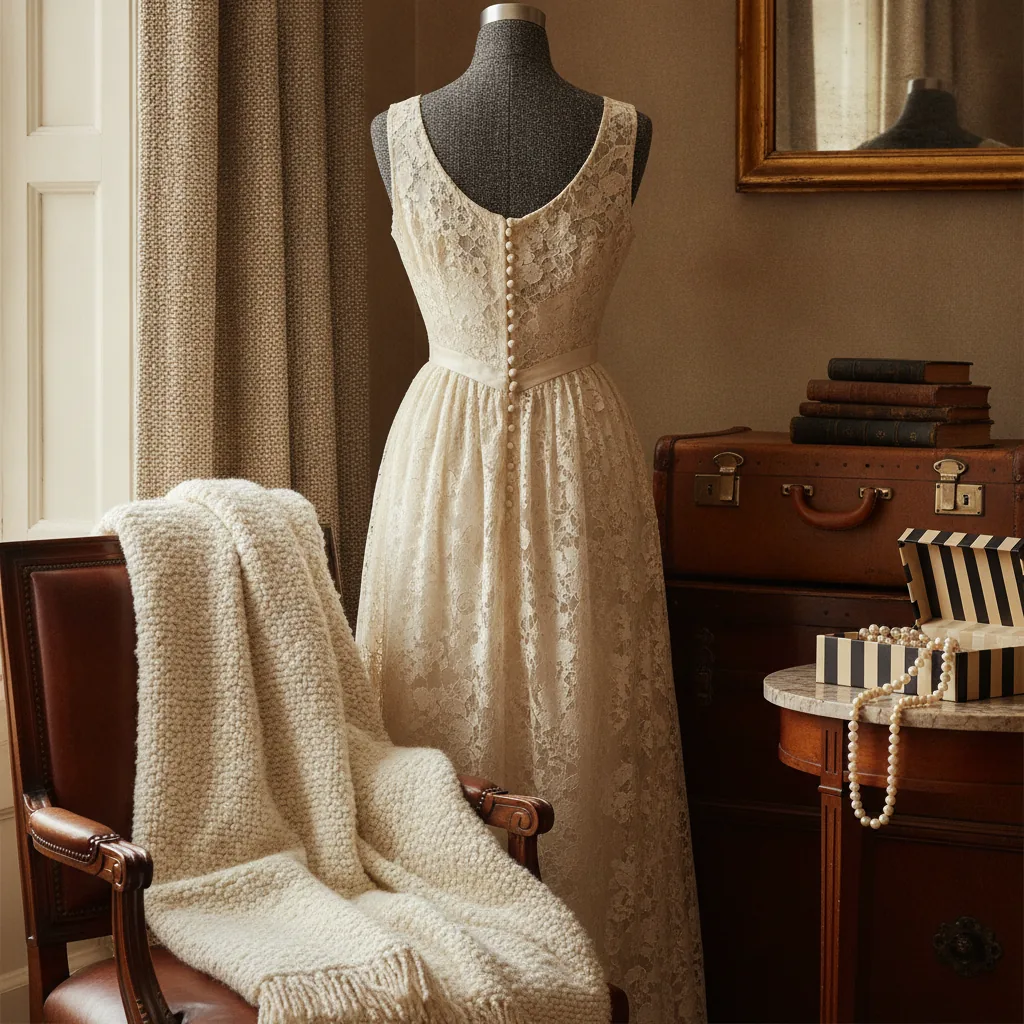
Why Bridal Matter Now
Vintage bridal is where the real craft hides. Hand-worked lace, silk that actually hangs, veils edged by somebody's grandmother. It also costs a fraction of a new gown, and no one else will be wearing it. In a city that pedals through drizzle and cobblestones, a vintage gown has already proven it can survive real life. Everything here has to withstand a canal breeze and still look considered. A 1950s tea-length dress with a nipped waist? It moves. A 1920s silk shift? It floats. New gowns often feel stiff, theatrical, waiting for a spotlight. Vintage has already been lived in, danced in, toasted in. That history is the real luxury.
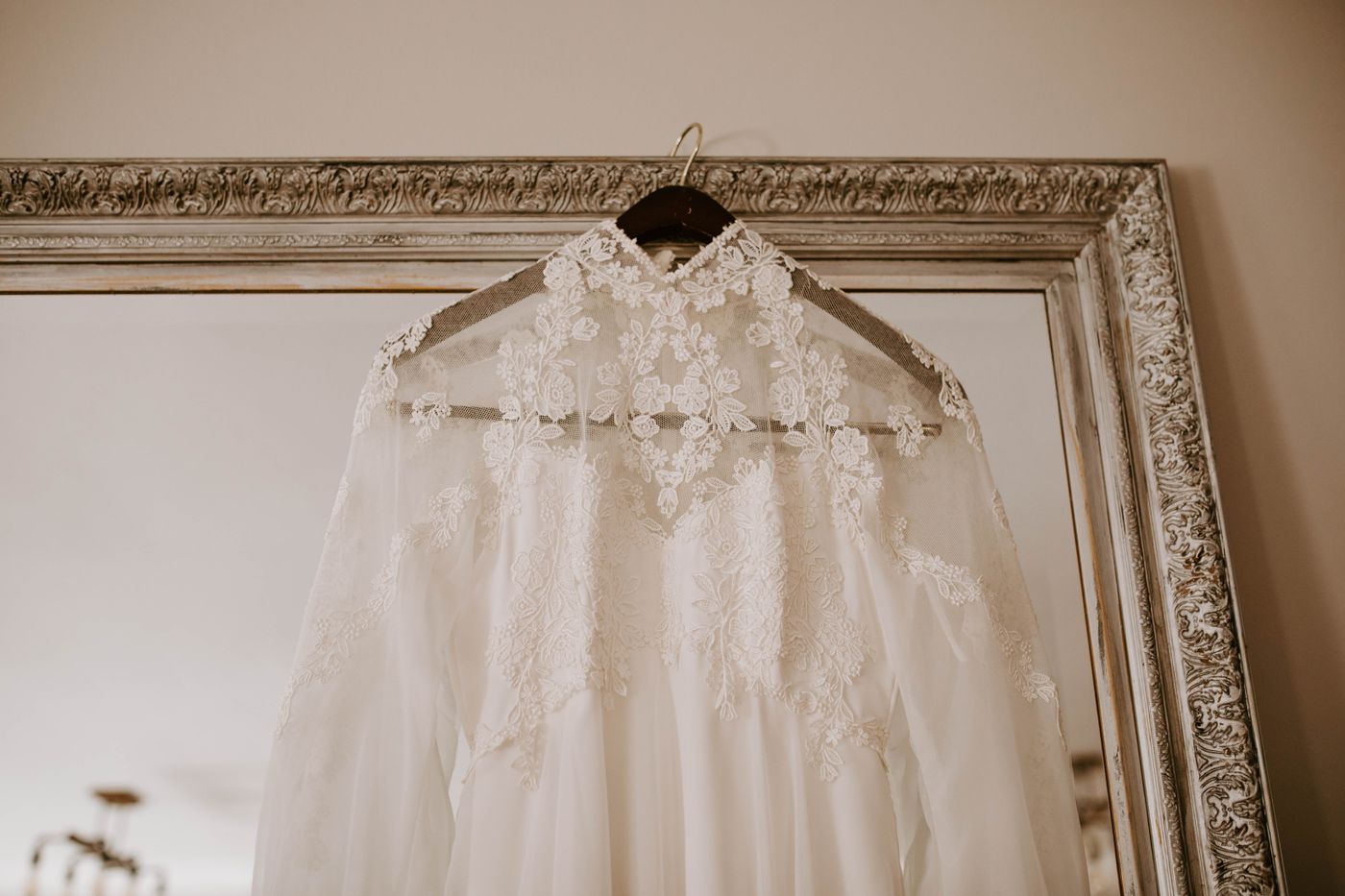
Foto: Tara Winstead · Pexels
Think of the craft. Before mass production, bridal wear was a showcase of handiwork. Lace was bobbin-made, each flower and leaf a tiny knot of patience. Silk was spun from silkworms fed on mulberry leaves, then woven on looms that clicked for weeks. Seams were finished with French tucks, buttons covered in self-fabric, hems weighted with horsehair braid. You can see it if you look closely. Hold a vintage veil to the light and you’ll find irregular loops, tiny variations, the fingerprint of a human hand. Machine-made lace is perfectly even, sterile, dead. That irregularity is life.
And the price? A new designer gown starts at two thousand euros. Vintage in Amsterdam? Fifty to five hundred, depending on where you hunt. Even with cleaning and alterations, you’ll spend a fraction. And you’ll never walk into a party and see the same dress on someone else. That alone is worth the hunt.
How to Wear It
One vintage element is often enough. A borrowed-era veil with a simple modern dress. A 1960s pillbox hat with a silk shift. A 1930s slip dress under a contemporary blazer. The key is restraint. Vintage bridal is not a costume. It’s a piece of history that should feel like it belongs to you, not the other way around.
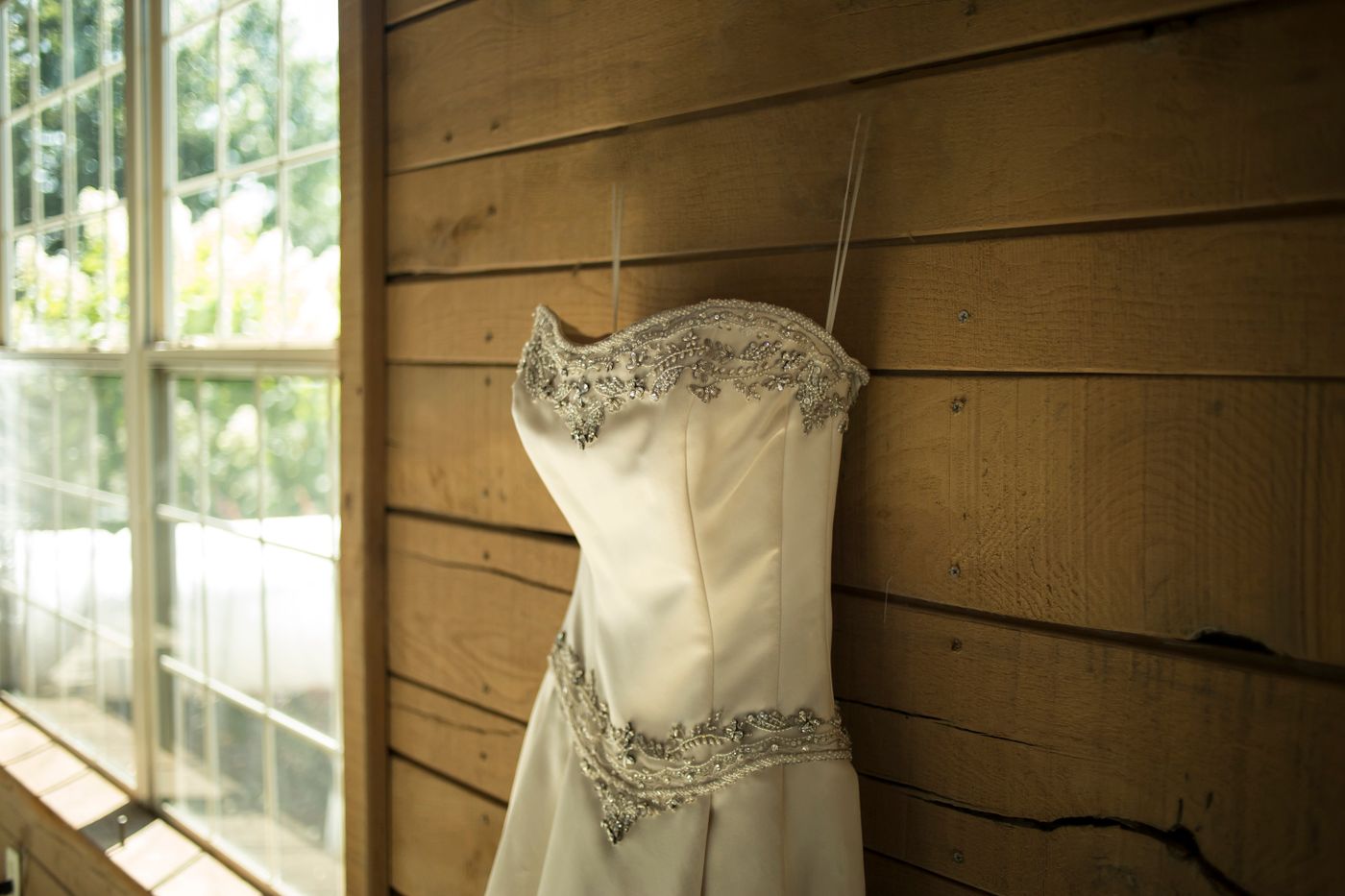
Foto: Stephen Leonardi · Pexels
Start with the silhouette. If you’re wearing a full-skirted 1950s gown, balance it with a sleek updo and minimal accessories. If it’s a bias-cut 1930s slip, let it drape—no crinoline, no petticoat. The fabric does the work. For a modern dress, add a vintage veil or a pair of heirloom earrings. That single piece will anchor the look without overwhelming it.
Have the lace altered rather than the silhouette. A good seamstress can move almost anything—sleeves, collars, even entire panels of lace. But changing the shape of a vintage gown is risky. The cut is often integral to the design. A 1920s drop-waist loses its charm if you raise the hem. A 1950s sweetheart neckline falls apart if you make it a V. So find a dress that fits your frame, then adjust the details. Shorten the hem. Take in the sides. Replace the buttons if they’re missing. But don’t fight the architecture.
Wear old lace with bare skin and minimal jewellery. It does not need help. A strand of pearls might be too much. A simple silver bracelet is enough. Let the lace speak. And think about your day. You’ll be hugging people, dancing, maybe cycling to the venue. Choose a dress that lets you move. If you can’t sit down comfortably, it’s not the one.
Where to Find Yours in Amsterdam
Amsterdam has a scrappy vintage scene. No glitzy bridal boutiques, but plenty of places where the good stuff hides among the ordinary. You have to dig. That’s part of the fun.
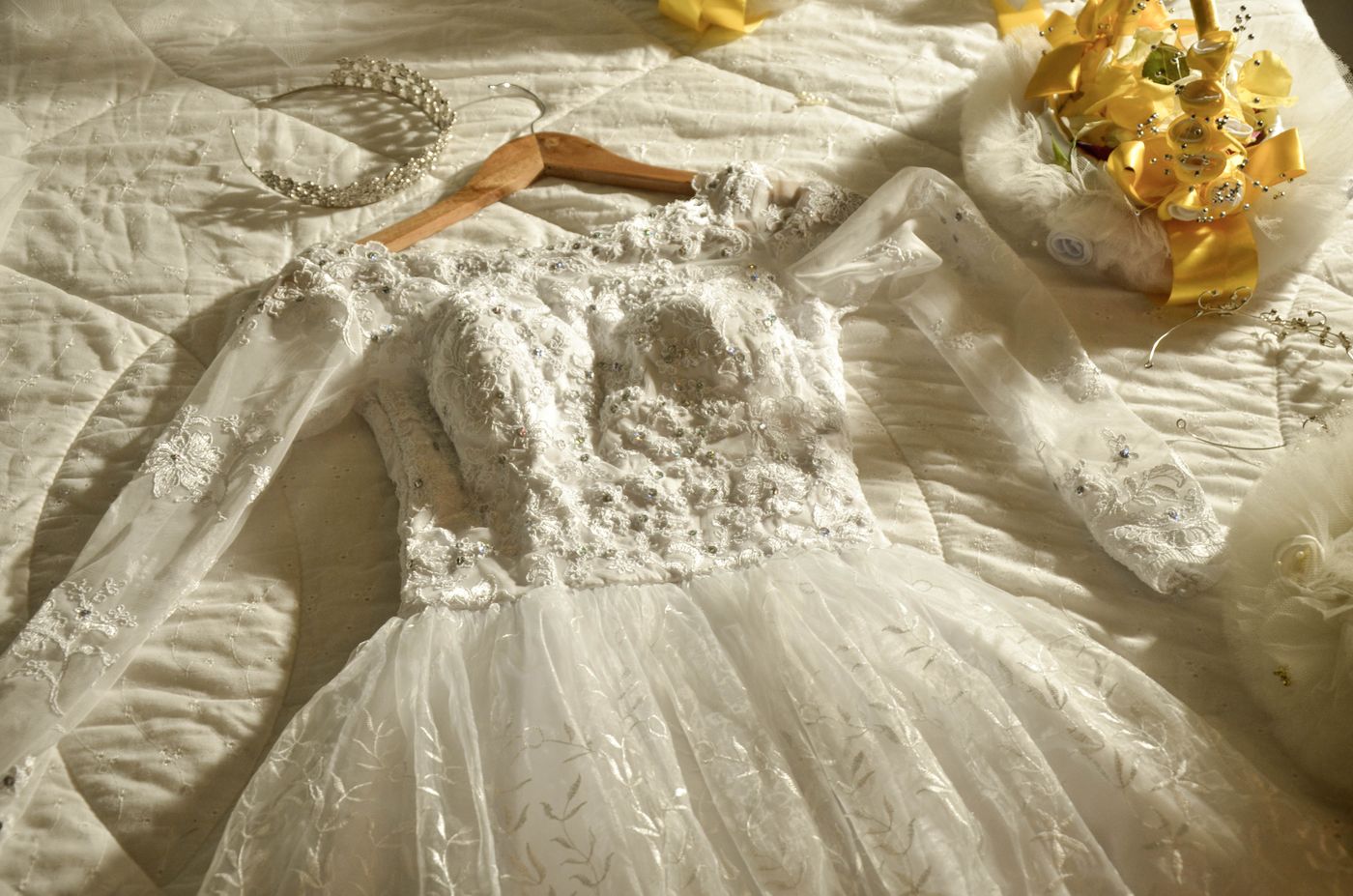
Foto: Gustavo Santana · Pexels
Episode De Pijp (Gerard Doustraat 63) — big racks, honest prices, restocked most mornings. This is a chain, but the De Pijp branch is the best. They sort by colour, so you can scan for whites and creams. Prices start around 20 euros for a simple slip, but the real finds—a 1960s organza number, a 1970s polyester crepe—are usually 50 to 150. Go early. The good pieces go fast.
Concrete Matter (Huidenstraat 13) — menswear with real provenance. Don’t let the name fool you. The back of the shop has a small rack of women’s vintage, often from the 1940s to 1970s. The owner is a stickler for condition. Everything is cleaned and pressed. Prices start around 45 euros for a shirt, but a full gown might be 200 to 400. Ask to see the pieces behind the counter. That’s where they keep the special stuff—a 1950s Dior-style ballgown, a 1920s beaded dress. You have to ask. They don’t display everything.
Bij Ons Vintage (Nieuwezijds Voorburgwal 150) — curated designer. This is the place for labels. You’ll find Norman Hartnell, Mary Quant, even the odd Yves Saint Laurent. The owner buys from estates and knows her history. She can tell you the year, the fabric, the story. Prices start around 60 euros for a simple piece, but a designer gown will be 300 to 800. Ask about the pieces behind the counter. That’s where she keeps the couture. She’ll let you try them on, but be respectful. These are museum-quality pieces.
Waterlooplein Market (Waterlooplein 2) — unsorted and cheap. This is the flea market. Go early, bring cash. The stalls are a jumble—old shirts, broken jewellery, and sometimes, a gem. A 1970s crochet dress for 90 euros. A 1950s silk slip for 40. You have to dig. The vendors don’t know what they have. That’s your advantage. Bring a friend to hold your bike and your coffee. You’ll need both hands.
Go on a weekday morning if you can. The rails are fullest before the weekend crowd arrives, and staff have time to show you what came in overnight. Tuesday and Wednesday are best. Monday is often restock day, but the good stuff goes by noon. Avoid Saturdays unless you enjoy crowds. And remember, Amsterdam is small. You can hit all four in a day if you plan your route. De Pijp and Waterlooplein are on the same side of the city. Concrete Matter and Bij Ons are in the centre. Start early, take breaks, and don’t be afraid to walk away. The right dress will find you.
What to Look For
Now you’re in the shop, holding a gown that might be The One. Here’s what to check before you hand over cash.
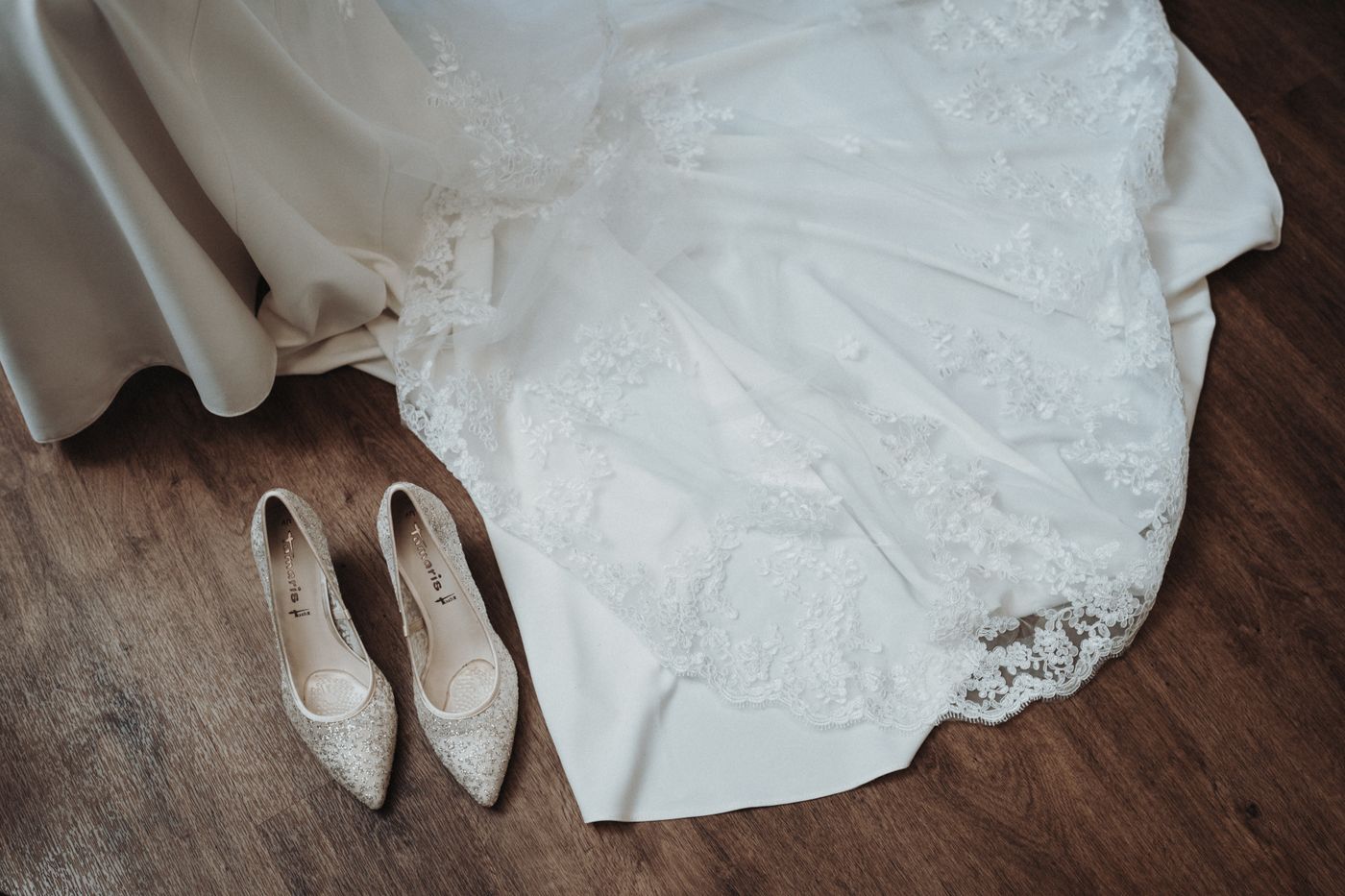
Foto: Masood Aslami · Pexels
Hold lace to the light. Look for hand-worked irregularity. Perfectly even repeats mean machine-made. But don’t dismiss machine-made outright—some of it is beautiful. The point is to know what you’re buying. Hand-worked lace is rarer, more valuable, and often more delicate. Machine-made is sturdier. If you want to dance all night, machine-made might be better. If you want heirloom quality, go for hand-worked.
Check under the arms and along the zip for yellowing. This is age, not dirt. Some yellowing lifts with professional cleaning. Some doesn’t. If it’s brown, it’s likely rust from old metal fasteners. That won’t come out. If it’s just a bit yellow, a good cleaner might work wonders. But always budget for cleaning before you fall in love with the price. A 50-euro dress might cost 150 to clean.
Silk that feels papery has gone brittle. This is a common problem with old silk—the fibres break down over time. If you can, bend a seam gently. If it cracks, the silk is too fragile to wear. You might be able to save it as a display piece, but not for dancing. Polyester, on the other hand, lasts forever. A 1970s polyester gown can look brand new. It’s not as luxurious as silk, but it’s practical. And in Amsterdam, practical matters.
Check the seams. Run your fingers along the inside. Are they sturdy? Are there loose threads? A good seamstress can fix almost anything, but major structural damage is a red flag. Look at the zipper—is it metal or plastic? Metal zippers are old and often need replacing. Plastic zippers are usually from the 1960s onwards. They’re more reliable. Check the buttons—are they all there? Missing buttons can be replaced, but if they’re hand-embroidered or made of shell, it’s a sign of quality. Keep an eye out for moth holes. They’re tiny, but they’re everywhere.
Always budget for alterations. Even a perfect vintage piece will likely need some tweaks. A hem, a seam, a new zipper. It’s worth it. A good seamstress can make a vintage dress fit like it was made for you. In Amsterdam, ask around for recommendations. There are several who specialise in vintage. They know the pitfalls. They know how to handle delicate fabrics. It’s an investment, but it’s worth it.
One last thing: try it on properly. Walk around in it. Sit down. Raise your arms. Bend over. A vintage bridal piece that only works standing still is not going to survive your actual life. You’ll be hugging people, dancing, maybe cycling to the venue. Choose a dress that lets you move. If you can’t sit down comfortably, it’s not the one.
And when you find the one, don’t let it go. That dress has waited decades for you. It’s survived wars, fashion trends, and someone else’s wedding. It deserves a second life. Give it yours.
Sourced from the region
Found in Amsterdam
Pieces on the market from sellers in and around Amsterdam.
The names
Meet the designers
The minds behind this story — each with a piece currently on the market.
Dior
France · 1940s
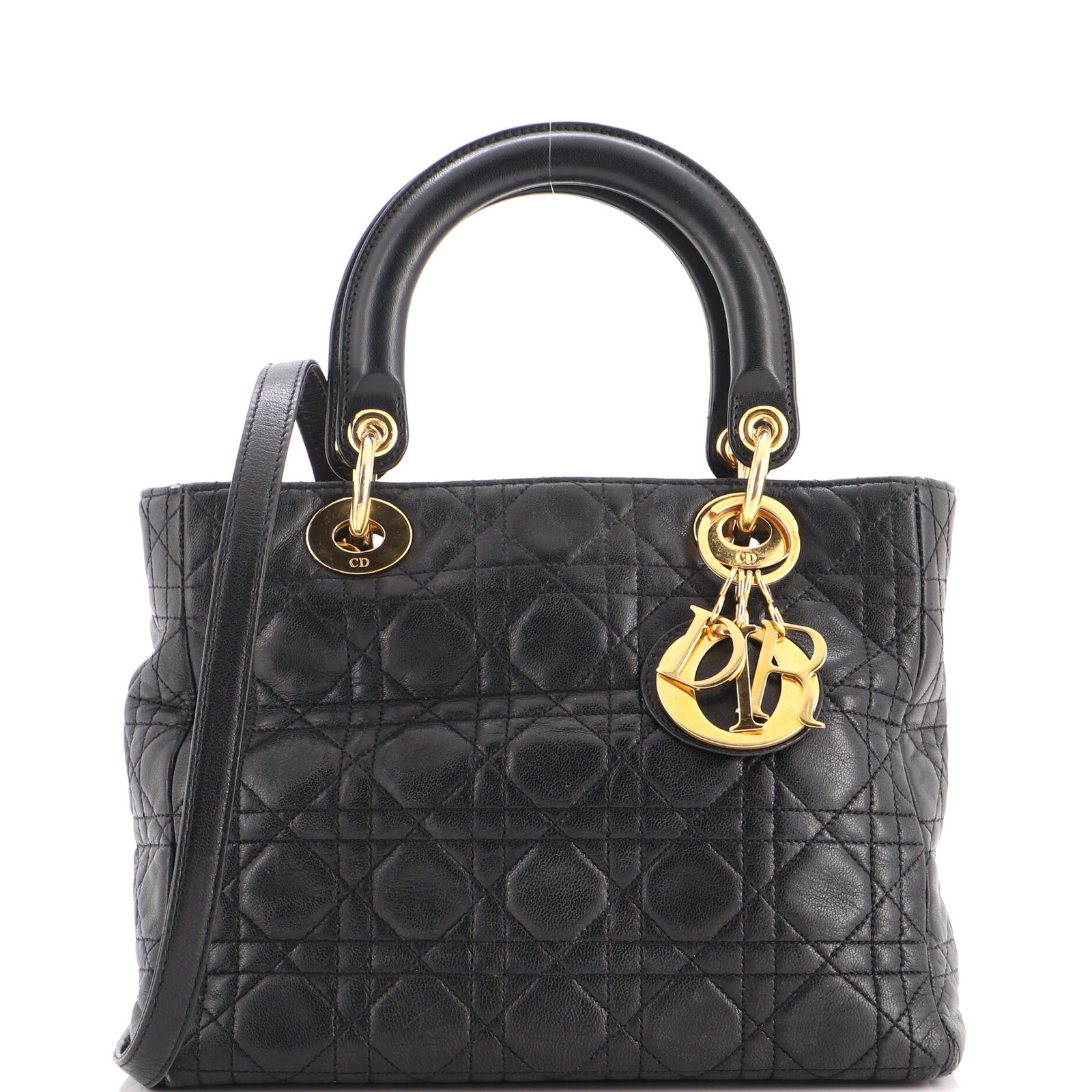
The New Look & the Lady Dior
The New Look & the Lady Dior
Top piece
View →
Chanel
France · 1910s
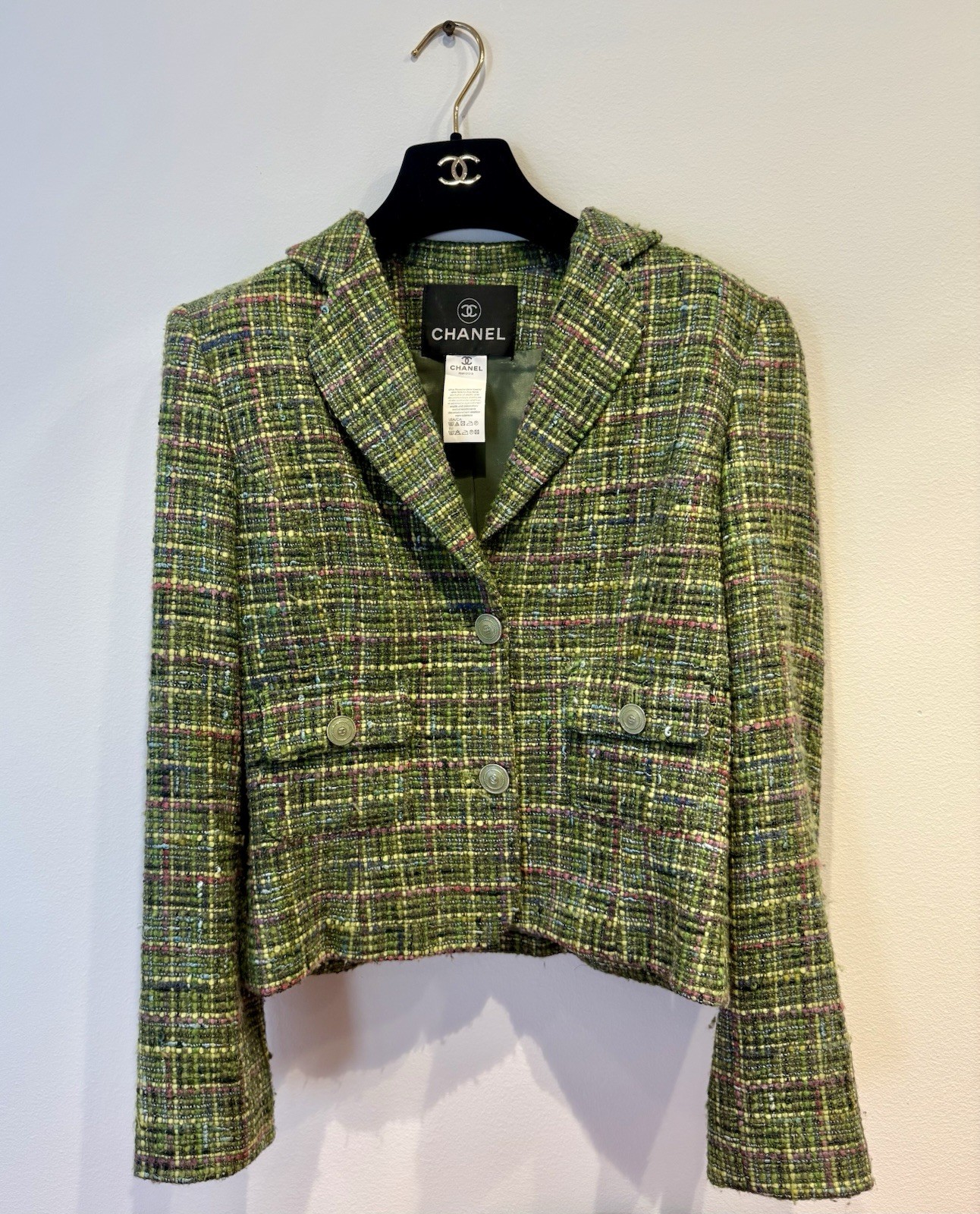
The little black dress & the 2.55
The little black dress & the 2.55
Top piece
View →
New Balance
USA · 1900s
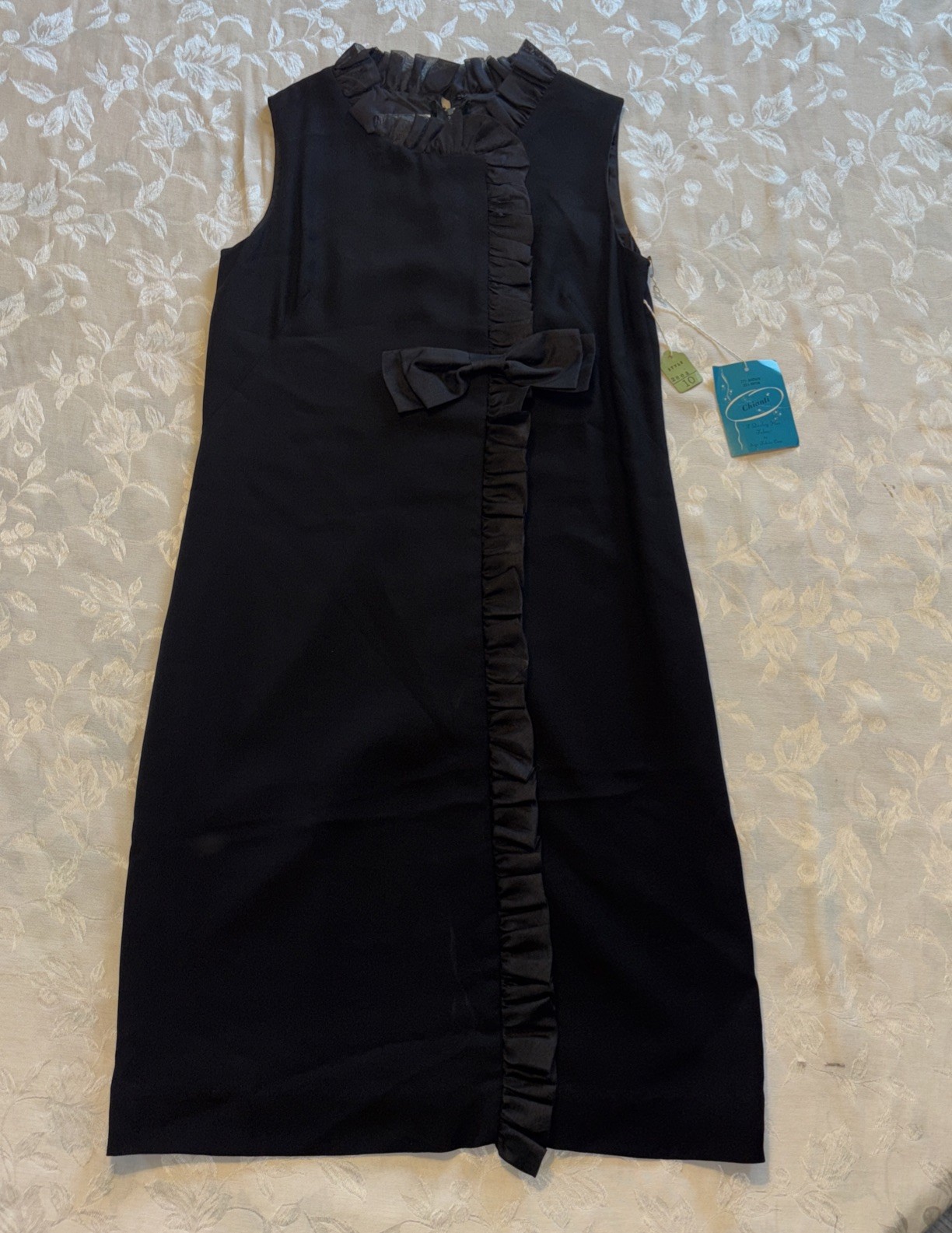
The 550 & dad-shoe comfort
The 550 & dad-shoe comfort
Top piece
View →
Calvin Klein
USA · 1960s
Minimalism & the 90s slip
Minimalism & the 90s slip
Top piece
View →
Continue the edit
Further stories from the same world
Three more walks through the same vintage universe.

The Silk Scarf Is the Quiet Flex of Amsterdam
A silk scarf is the cheapest way into a serious label. The prints are small paintings, the hand-rolled edges are proper craft, and a good one costs less than a mediocre dinner.
Read the story →
The Leather Jacket Is Back, and Amsterdam Wears It Best
A leather jacket is the rare piece that looks better the longer you own it. Vintage ones arrive already broken in. The collar softened, the cuffs scuffed, the lining a little tired in the best way.
Read →
The Art Deco Furniture You Can Wear: A Styling Guide for Grown-Ups
Art Deco furniture is not just for your living room. Here is how to wear its geometry, materials, and glamour without looking like a costume.
Read →