
 Sign in
✦ Culture · Berlin
The Vintage Band Tees Guide for Berlin
My first band tee was a faded Rolling Stones tongue, bought in 1989 at a flea market in Kreuzberg. It cost five marks. The seller was a punk who'd been wearing it since 1978.
 By Louis Trash·
The First Riff: Why Berlin Is the Band Tee Capital
My first band tee was a faded Rolling Stones tongue, bought in 1989 at a flea market in Kreuzberg. It cost five marks. The seller was a punk who'd been wearing it since 1978. That shirt taught me more about rock history than any biography. Berlin has always been a city of gaps and walls, literal and metaphorical, and its band tees carry the same patchwork DNA. You'll find a 1970s Led Zeppelin shirt in a Neukölln second-hand shop next to a 1990s Nirvana tee that's been ironed onto a tote bag. The city's music scene, from David Bowie's Hansa Studios years to the techno cathedral of Berghain, has left its mark on cotton. This guide is for those who want to wear that history, not just collect it.
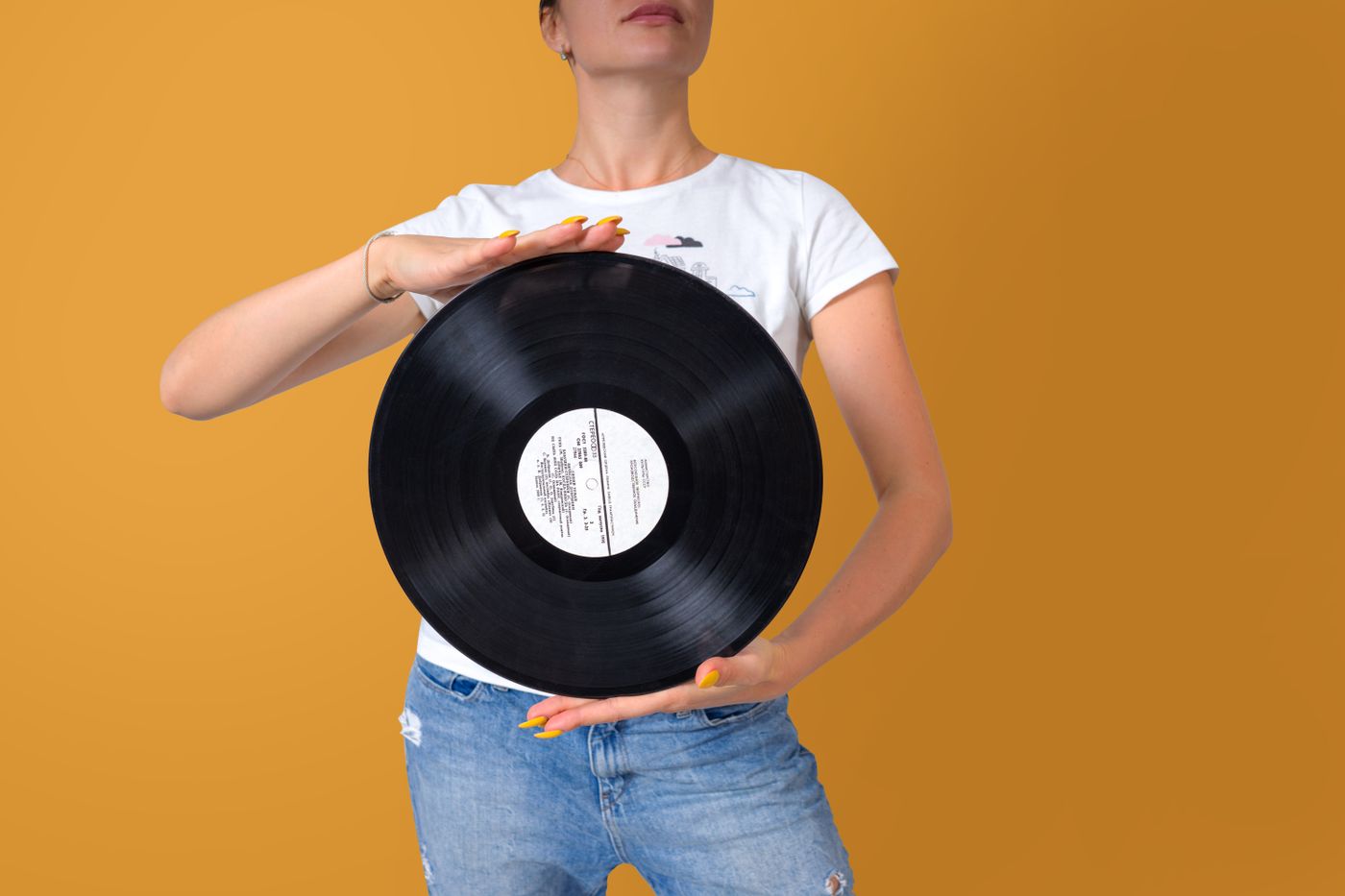
Foto: Atlantic Ambience · Pexels
The Hunt: Where to Dig, Not Scroll
Skip the curated vintage boutiques on Torstraße if you want the real thing. Head to the Mauerpark flea market on a Sunday, but arrive by 9 a.m. The best shirts go fast. I once found a 1977 Sex Pistols tee with a safety pin still in the collar for 30 euros. The seller was a woman in her sixties who'd been at the Anarchy tour. She didn't know what she had. That's the joy of Berlin: the city's turbulent past means people are still clearing out attics.
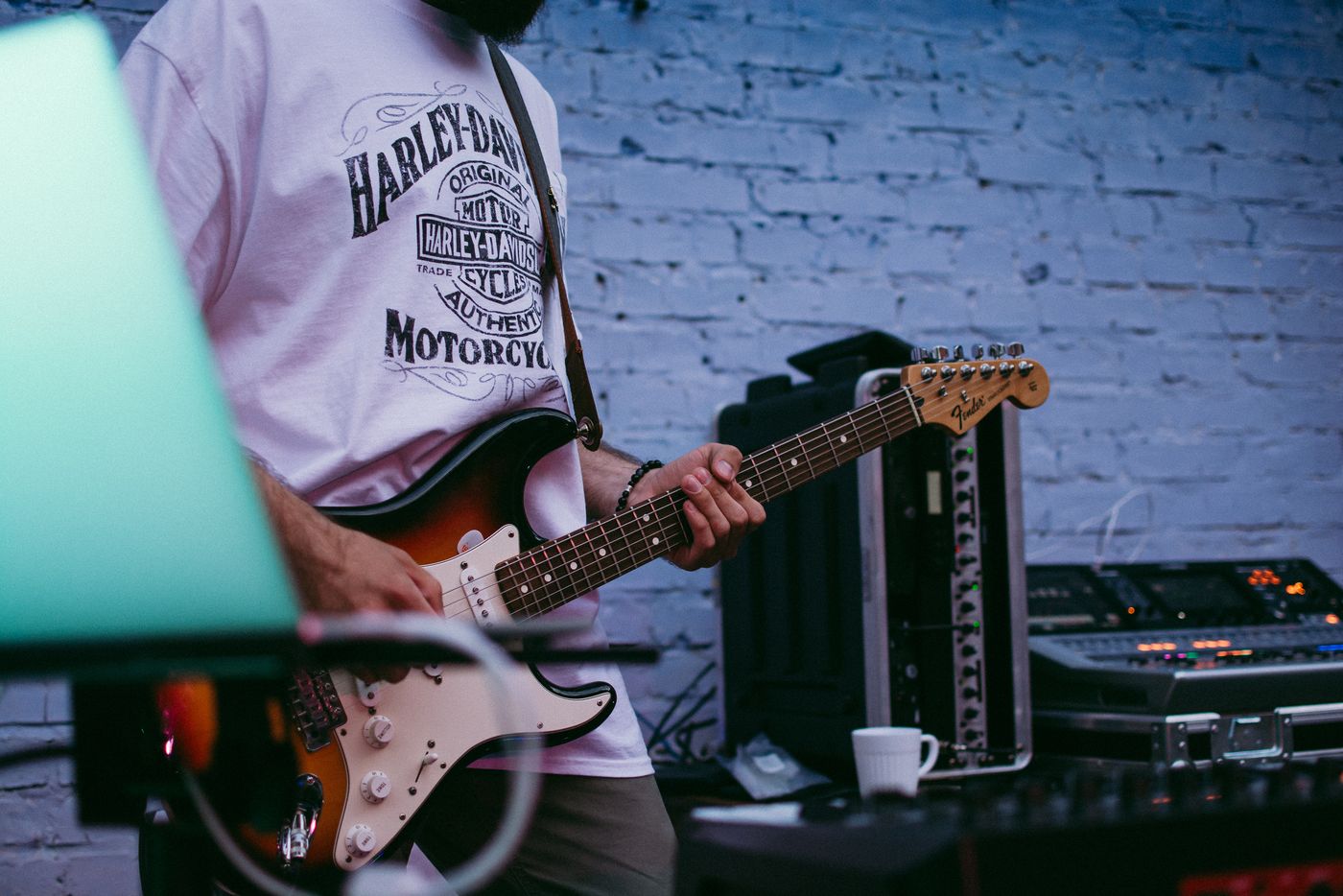
Foto: Svetlana Tumina · Pexels
For a more controlled dig, hit Humana on Nollendorfplatz. The basement racks are a mess, but the turnover is constant. I've found a 1980s The Clash shirt with a missing button and a beautiful fade for 12 euros. Check the men's section for oversized tees; women's sizes are rarer and pricier. Another spot: Garage in Prenzlauer Berg. It's cramped, but the owner, Klaus, has been buying deadstock since the 1990s. He'll tell you the story of every shirt if you ask. Once he showed me a 1972 Grateful Dead bear tee that had never been worn. He wanted 150 euros. I passed, but I still think about it.
The Fabric of Rock: A Short History in Cotton
Band tees weren't always a fashion statement. In the 1960s, they were merch sold at concerts, cheap souvenirs for fans. The Beatles' first US tour in 1964 produced one of the earliest examples: a simple black tee with the band's name and a drum logo. Those originals are rare and can fetch thousands today. By the 1970s, the market exploded. The Grateful Dead, who played over 20 shows in Berlin in the 80s, had a dedicated merchandising team. Their tees featured intricate designs, often by artists like Rick Griffin or Stanley Mouse. The key to spotting a real 70s Dead tee: the collar is tight, and the print feels like a sticker, thick and slightly raised.

Foto: Jefferson Rosier · Pexels
The 1980s brought a shift. Hardcore punk bands like Minor Threat and Bad Brains printed their own tees, often on black Gildan or Fruit of the Loom blanks. These shirts were meant to be destroyed, mosh pits and safety pins. A genuine 1984 Minor Threat tee, with the iconic 'Out of Step' cover art, can be found in Berlin's more obscure corners. I once saw one at a fleamarket in Friedrichshain for 80 euros. The print was cracked, the hem frayed. That's the aesthetic: worn-in, not worn-out.
In the 1990s, grunge made band tees mainstream. Kurt Cobain wore a Daniel Johnston tee on MTV, and suddenly everyone wanted vintage shirts. The irony: those 90s tees are now vintage themselves. A Nirvana 'Smiley' tee from 1992, with the original 'Nirvana' logo in yellow, can go for 300 euros in good condition. But Berlin's supply is deep because of the city's 90s punk and indie scenes. Check the racks at Picknweight in Mitte; they price by weight, but the treasure is in the bins.
How to Spot a Real One: The Five-Minute Test
You don't need a degree in textile science to avoid a fake. First, look at the collar. A vintage tee from the 70s or 80s has a ribbed collar that's tight and may have a slight yellowing. Modern fakes have a stretchier, thicker collar. Second, feel the print. Original band tees used plastisol ink, which feels like a thin layer of rubber. It cracks over time, but the cracks are fine, like spider webs. A fake will have a smooth, plastic-like print that doesn't crack. Third, check the tags. A 1978 Led Zeppelin shirt might have a 'Screen Stars' tag. A 1990s Nirvana tee might have a 'Giant' tag. If the tag says 'Hanes' but the shirt looks 30 years old, it's probably a reproduction. Fourth, look for the union label. Many pre-1980s tees had a small union bug on the sleeve. It's a tiny black and white icon. If you see it, that's a good sign.
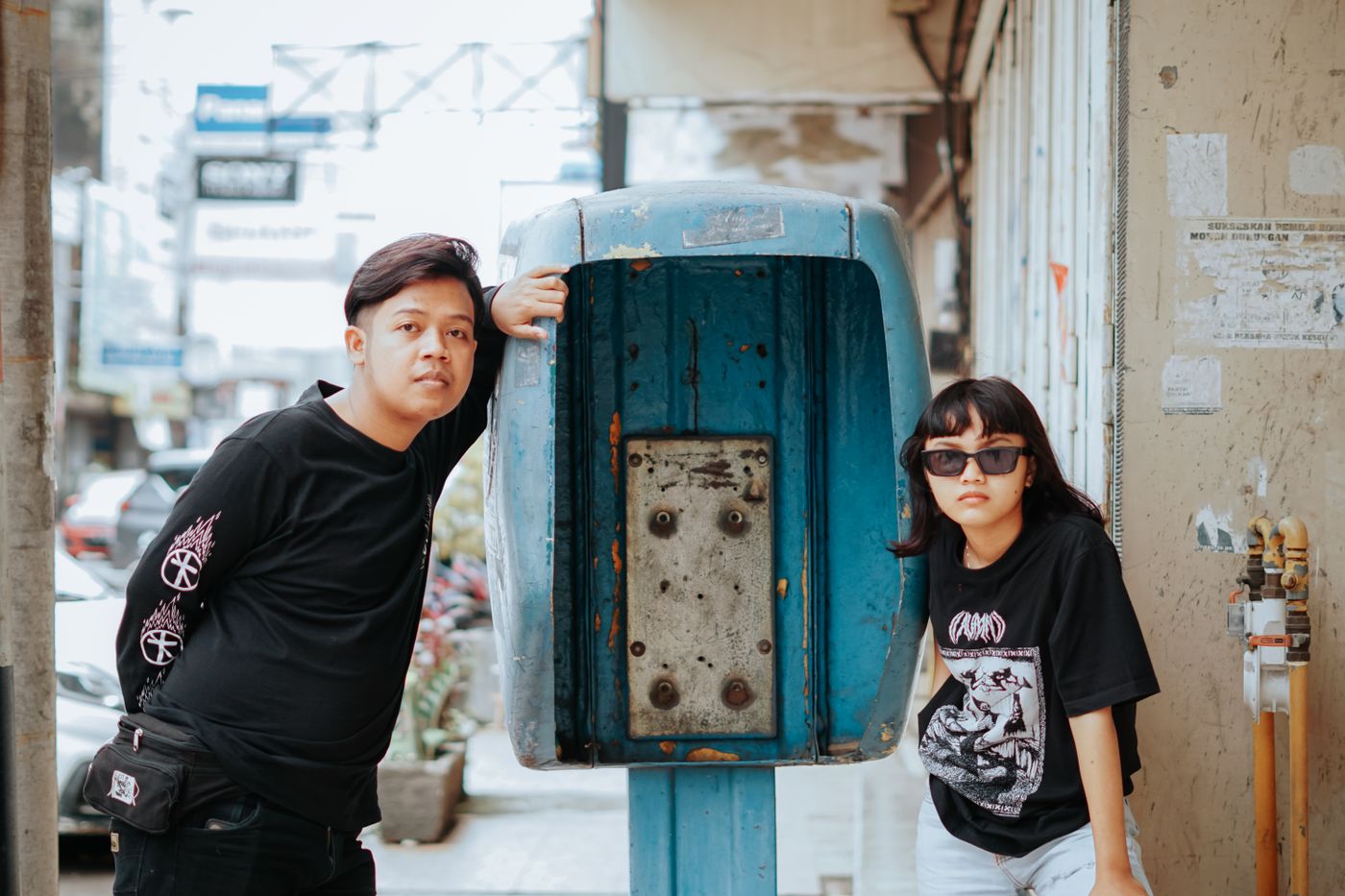
Foto: Muhammad Dzaki Zaidan · Pexels
But here's the thing: not every fake is bad. Berlin has a thriving market for bootlegs, especially for bands like The Ramones or Joy Division. Some are so good that even collectors get fooled. If you're buying for style, not investment, a well-made bootleg at 20 euros might serve you better than a torn original at 200. Just know what you're buying. Ask the seller. If they say 'vintage,' ask for the decade. If they say '90s,' ask for the tag. A good seller will respect the question.
Dressing the Tee: From Concert to Coffee
The band tee is the most democratic garment in fashion. It works with a tailored blazer, a chiffon skirt, or high-waisted jeans. My rule: let the tee be the centerpiece. Pair a faded 1970s Pink Floyd shirt with a pair of raw denim and a simple leather jacket. The jacket should be worn, not pristine. For women, a vintage tee tucked into a midi skirt can look effortless. I like to roll the sleeves once, not twice. It's a small gesture that changes the silhouette.
Avoid wearing a band tee with a logo of the same band you're seeing live. It's a cliché, but worse: it's redundant. Instead, wear a shirt from a band that influenced the one you're seeing. At a recent King Gizzard concert, I wore a 1970s Hawkwind tee. The drummer spotted it and gave me a nod. That's the magic of these shirts: they start conversations.
In Berlin, the weather is unpredictable. A band tee under a wool overcoat is a classic autumn look. In summer, wear it loose with linen trousers or a denim skirt. Don't be afraid to cut the sleeves off if the shirt is too big. I have a 1980s Motorhead tee that was two sizes too large. I trimmed the sleeves and hem, and now it fits perfectly. The key is to keep the graphic intact.
The Price of Memory: What It's Worth
Prices in Berlin are all over the place. A vintage band tee can cost anything from 5 euros at a flea market to 500 euros at a curated store. The factors: rarity, condition, and cultural significance. A 1968 Beatles 'Yellow Submarine' tee, if it exists, would be priceless. But most tees from the 70s are common enough. A 1977 Sex Pistols 'God Save the Queen' tee with the ransom-note design can fetch 200-400 euros if it's in good shape. A 1991 Nirvana 'Nevermind' tee with the baby swimming is harder to find; the original prints had the Nirvana logo on the back. Those can go for 300 euros.
But don't let the prices scare you. The joy of band tees is the hunt. I've bought shirts for 10 euros that have become my favorites. A 1980s The Cure tee with a faded face, bought at a rummage sale in Wedding, is my go-to. It's not about the value. It's about the story. When someone asks about it, I can tell them about the rainy day I found it, the old woman who sold it, and the way the fabric smells faintly of smoke and sweat. That's the real history.
So go out. Dig through the bins. Ask questions. Wear your findings with pride. Berlin has given us a century of music, and its band tees are the physical memory of that sound. They're not just shirts; they're time machines. And the best part? They're still out there, waiting for you.
The names
The designers behind the look
The minds behind this story — each with a piece currently on the market.
Børge Mogensen
Denmark · 1940s
The Spanish chair — honest, functional furniture for everyday life.
The Spanish chair — honest, functional furniture for everyday life.
Issey Miyake
Japan · 1970s
Pleats Please & techno-fabric
Pleats Please & techno-fabric
Levi's
USA · 1850s
The 501 & Americana denim
The 501 & Americana denim
Yohji Yamamoto
Japan · 1970s
Black, drape & poetic deconstruction
Black, drape & poetic deconstruction
Continue the edit
Further stories from the same world
Three more walks through the same vintage universe.

The Vintage Designer Bag You'll Actually Wear
A Fendi Baguette from 1999, a Versace Medusa clutch from 1992, a Chanel quilted lambskin from 1985. These are clothes, not investments. Here is how to wear them without looking like a museum docent, and what to check before you hand over your card.
Read the story →The Art of the Carry: Wearing Vintage Designer Bags
Vintage designer bags are not relics. They are the original statement pieces, waiting for a modern hand. Here's how to wear them with intent, buy them with confidence, and know the stories they carry.
Read →
The Art of Wearing Vintage Band T-Shirts
A guide to styling, sourcing, and understanding vintage band tees, for the wearer who values history and fit over hype.
Read →