
 Sign in
✦ Culture · Barcelona
The Second Skin: Wearing Vintage Band Tees Now
How to wear a faded 1977 Sex Pistols shirt without looking like you raided a costume trunk. Real advice on fit, fabric, and the stories stitched into the seams.
 By Louis Trash·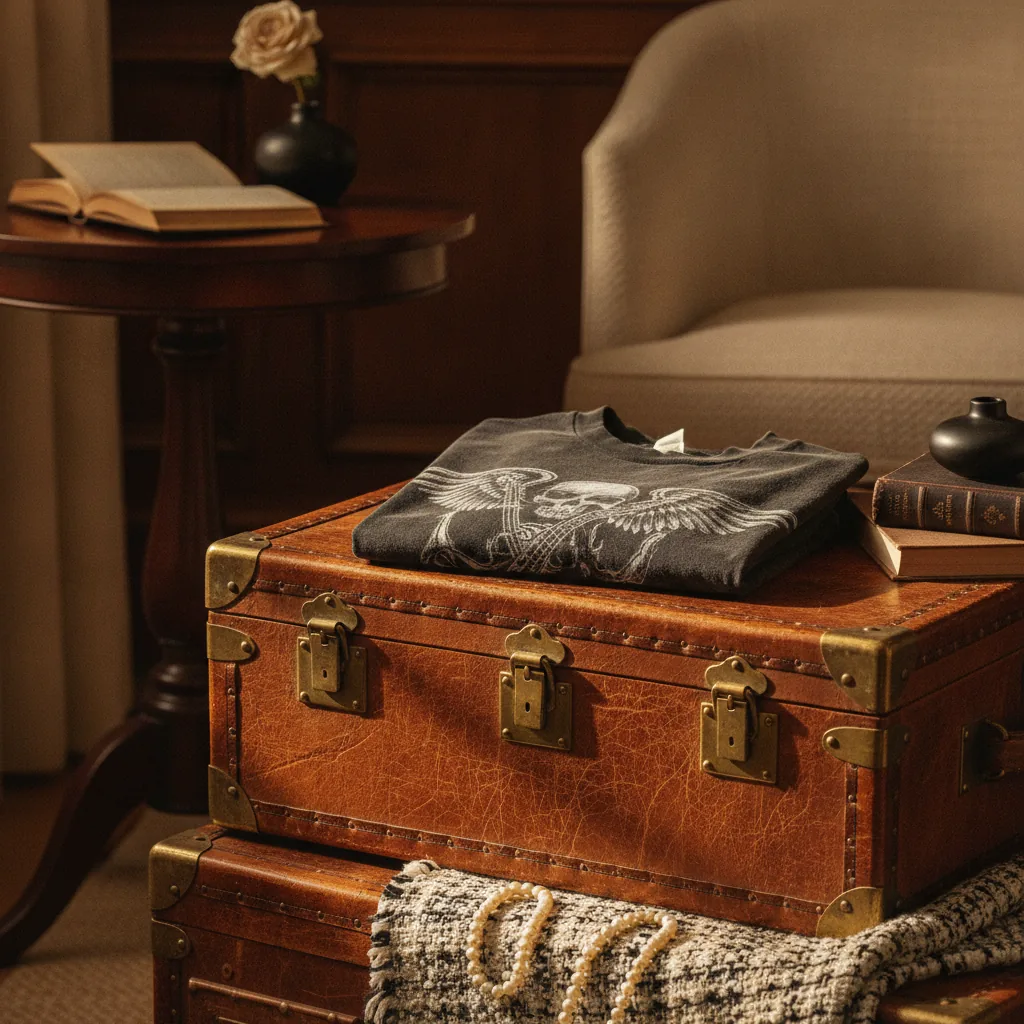
The Shirt That Outlived the Band
In 1977, I was twelve, and my older cousin came back from London with a Sex Pistols shirt so new the black cotton still felt stiff. He wore it once to a family barbecue. My grandmother asked if he was in a gang. He said, "Yes, the anarchists." She didn't speak to him for a week. That shirt, with its safety-pinned sleeves and smeared print, is now worth more than my first car. But I'm not here to talk about money. I'm here to talk about how to wear a piece of that chaos without looking like you're going to a fancy-dress party.
A vintage band tee is not a costume. It's a relic, yes, but it's also a remarkably flexible garment. The trick is to treat it like a neutral, not a statement. Let the shirt do the talking, and dress the rest of you in quiet, modern clothes. Pair it with a sharp blazer in navy or charcoal, straight-leg jeans in a dark rinse, and leather boots that have seen some miles. The contrast is the point. The shirt says 1977, the blazer says 2024, and you stand in between, looking like someone who understands both.
For women, the same principle applies. A vintage tee, oversized and worn soft, works with a high-waisted skirt in a stiff fabric, like raw denim or heavy wool. Tuck it in, add a belt, and you've got a silhouette that's part 1940s, part 1990s, and entirely now. Or go simpler: slip dress, bare legs, and the tee worn open over it like a cardigan. It softens the formality, gives it an edge. The point is to avoid looking like you're trying too hard. Let the shirt be the most interesting thing you're wearing, and don't compete with it.
What to Look For: The Tell of the Cotton
When you're buying, the first thing I check is the fabric. Most vintage tees are 100% cotton, and the good ones are heavy. A 1970s shirt will feel like a light sweatshirt, not a tissue. Hold it up to the light. If you can see through it, it's probably from the 1990s or later, when they started making everything thinner. The seams matter, too. A double-stitched hem with a tight, even stitch is a sign of quality. Look at the collar. If it's ribbed and still has some snap, it's been cared for. If it's stretched out and floppy, that's not vintage charm, that's just worn out.
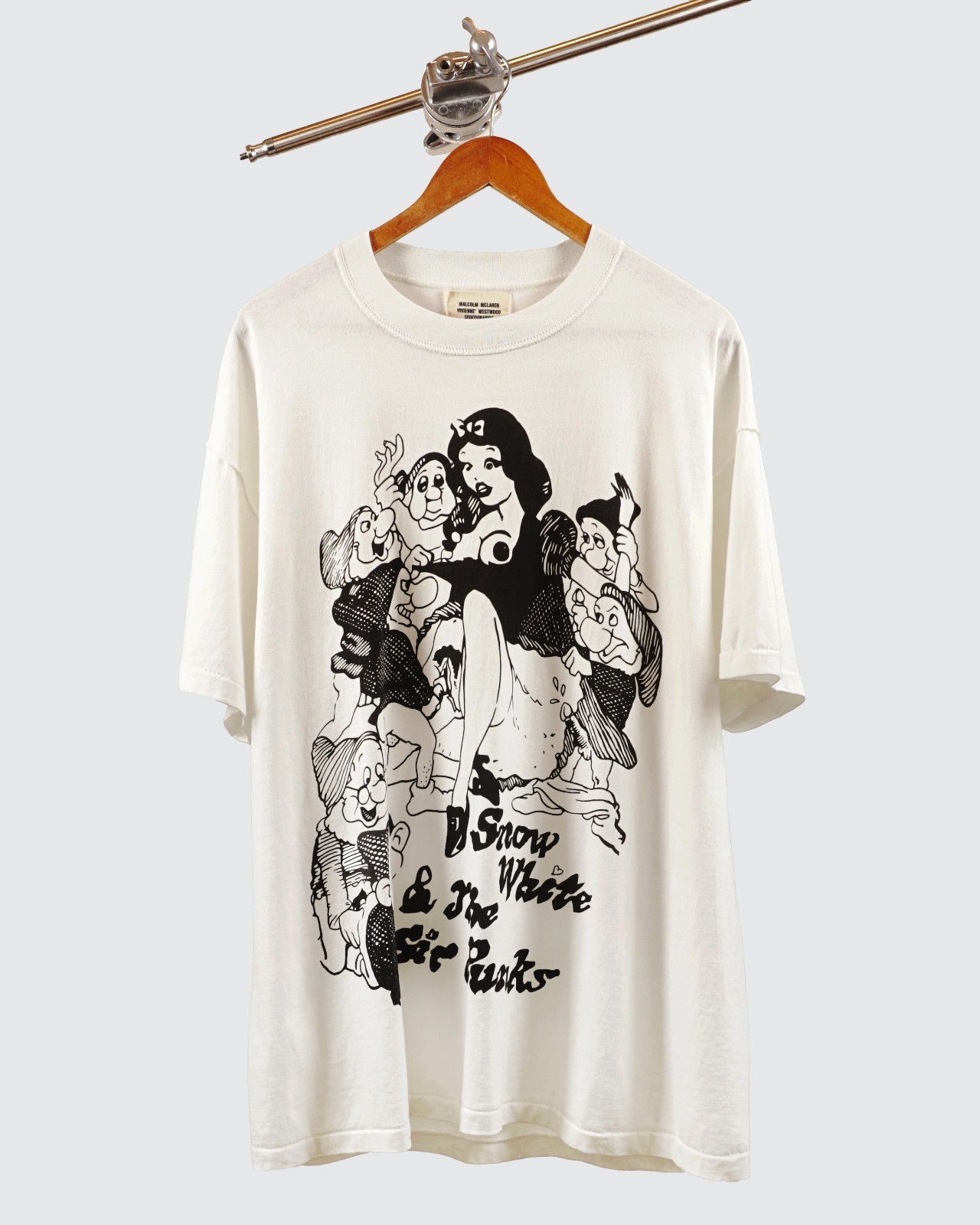
Era tells are subtler. Print quality is your friend. A 1977 shirt will have a print that's already cracked and faded, because they used water-based inks that were meant to break down. That fading is authentic. A 1985 shirt, by contrast, might have a plastisol print that still looks almost new, because that's when they started using PVC-based inks. If you see a shirt claiming to be from 1972 with a bright, intact print, it's a fake or a reproduction. Real 1972 shirts are rare, and most of them are threadbare. The best era to buy for wearability is 1977 to 1985. The cotton is substantial, the prints are iconic, and they've had enough time to soften into that perfect, lived-in feel.
Makers matter. Look for tags that say "Screen Stars" or "Fruit of the Loom" with a small, plain font. Those are the ones that were actually sold at concerts or through band mail-order catalogs. Later, in the 1980s, you'll see "Anvil" or "Hanes" tags. Each has its own fit. Screen Stars run boxy, true to the era. Anvil is longer, a bit more fitted. If you're buying online, ask for a photo of the tag. That single image tells you more than ten pictures of the front.
The Accidental Icons: How the Band Tee Became Fashion
It wasn't always this way. Band tees started as cheap souvenirs, sold from a cardboard box at the merch table. In 1969, the Rolling Stones hired a young designer named John Pasche to create a logo for their 1970 European tour. He came up with the red tongue and lips, which he based on a photo of Mick Jagger's mouth. The shirt was a hit, but it wasn't fashion. It was just what you wore to the show.
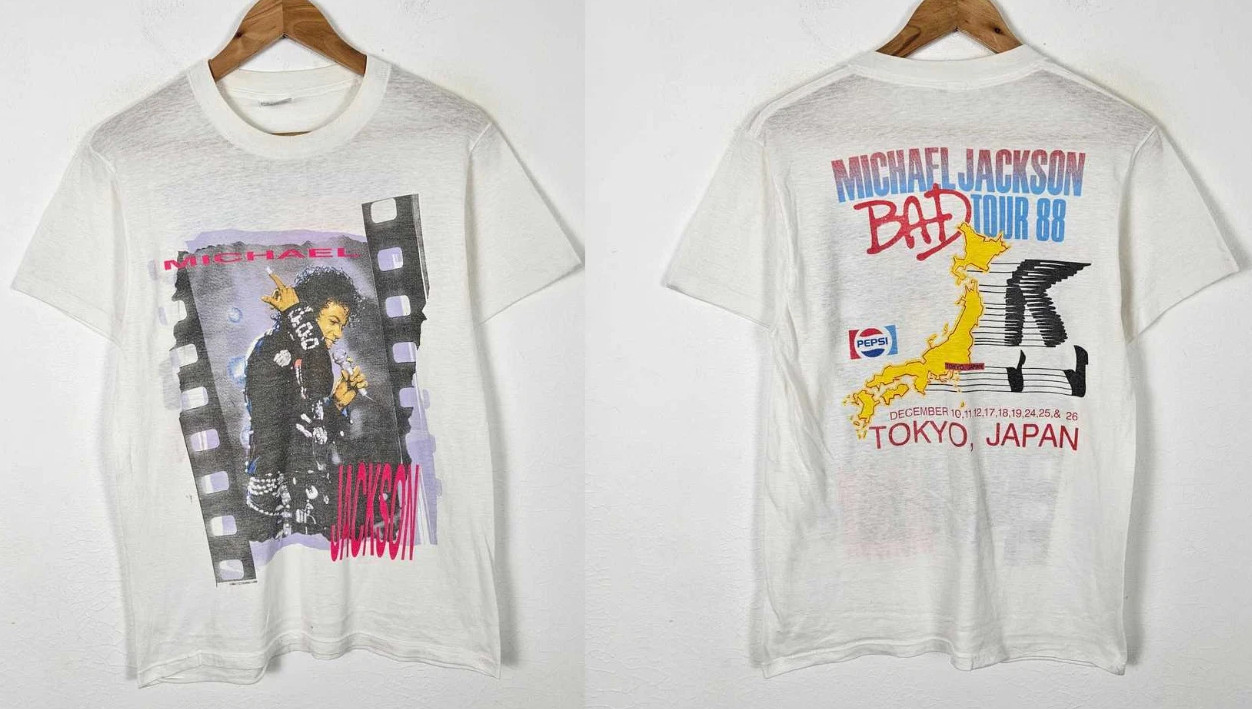
The shift happened in the late 1970s, when punk made the shirt a statement. Vivienne Westwood and Malcolm McLaren's shop, SEX, on the King's Road, sold shirts with provocative graphics and ripped sleeves. The Sex Pistols wore them on stage, and suddenly the band tee was a badge of rebellion. Not just a memory, but an attitude. By 1980, the Ramones had made their logo shirt a uniform, and bands like The Clash were putting political slogans on theirs. It was still anti-fashion, but it was becoming a look.
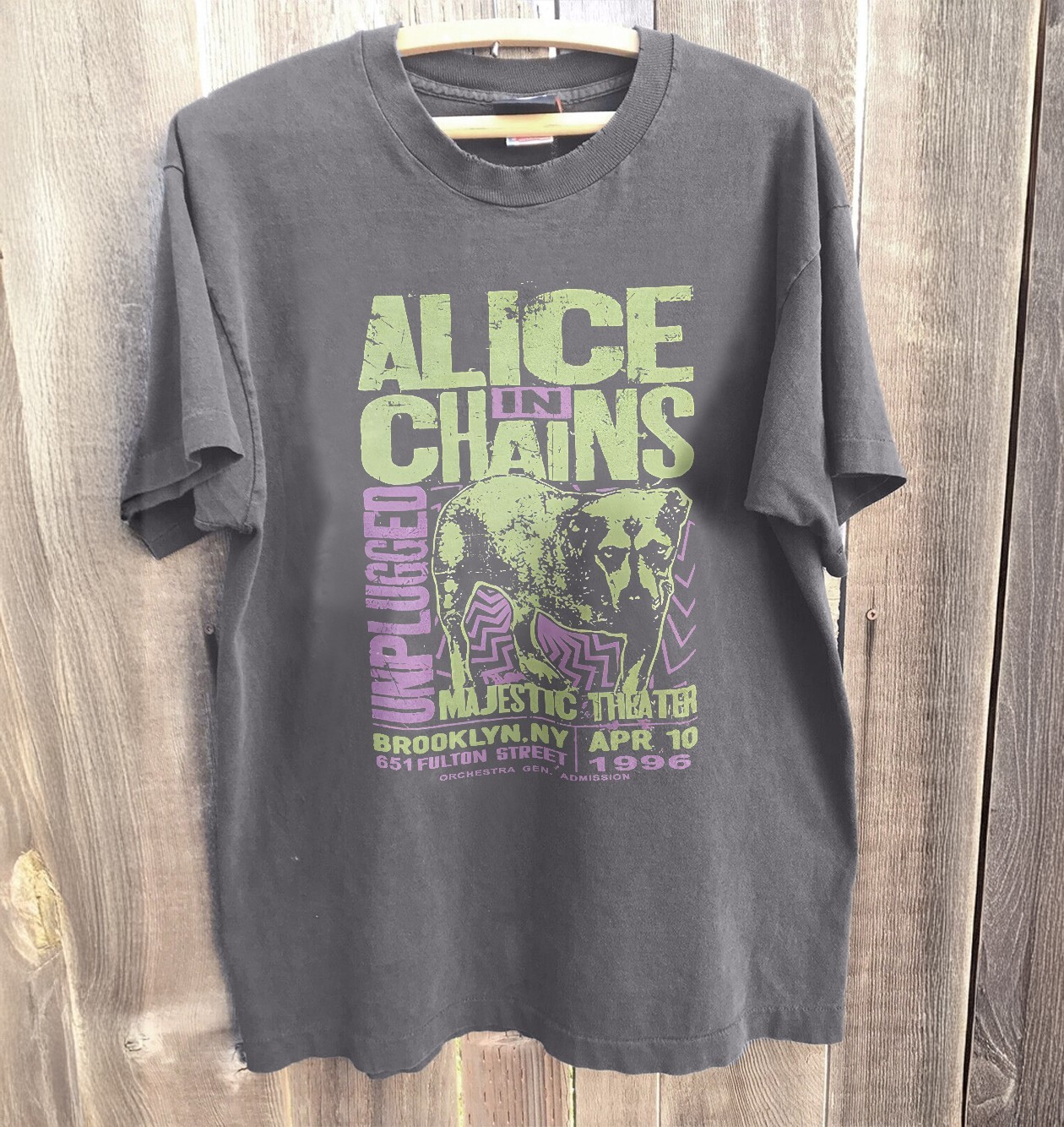
Then came the 1990s. Grunge took the band tee and made it part of a uniform: flannel over a Nirvana shirt, ripped jeans, Doc Martens. It was a deliberate rejection of the polished 1980s. And in 1991, when Kurt Cobain wore a vintage Pink Floyd shirt on MTV, the idea of the vintage band tee as a style statement was born. Suddenly, it wasn't just about the band. It was about the era, the faded print, the story of who wore it before you. That's when the hunt began.
Today, when you buy a vintage band tee, you're buying a piece of that history. But you're also buying a piece of cotton that someone wore to a show, or to school, or on a date. The fading on the collar isn't wear, it's the ghost of a head. The crack in the print is a memory of a dance floor. Wear it with respect, and it will serve you for another decade.
The Modern Wardrobe: Beyond Jeans and a Blazer
A vintage band tee is not just for casual Fridays. It can work in a suit. I've done it: a sharp, single-breasted suit in a dark color, no tie, and a 1979 Clash shirt underneath. The shirt's collar is soft, so it doesn't fight the lapels. The trick is to keep the rest of the look minimal. No pocket square, no watch with a loud face. Let the shirt be the only thing that's loud.
For women, try a vintage tee with a tailored trouser in a wide leg and a pair of loafers. It's an easy, androgynous look that's been a staple of fashion editors for years. Or wear it under a slip dress, as I said, but also consider it under a pinafore or a pinafore-style dress. The contrast of the soft, faded shirt with a crisp, new dress is exactly what makes vintage work.
Proportions are key. Vintage tees are almost always boxy and short, which is a problem if you're tall or curvy. Don't be afraid to take it to a tailor. A good tailor can shorten the sleeves, take in the sides, or even add length at the hem with a contrasting fabric. It sounds sacrilegious, but it's better to alter it and wear it than to leave it in a drawer. The shirt is a tool, not a museum piece. The only thing you shouldn't do is cut it yourself. Leave that to the professionals.
The Hunt: Where to Find the Real Thing
Forget the curated vintage stores with their $400 price tags. The real finds are in thrift stores in small towns, at estate sales, and in online auctions where the seller doesn't know what they have. I found a 1977 Dead Boys shirt at a flea market in Ohio for $5. It was in a box of old laundry, and the woman selling it said it was her late husband's. She was just glad to get rid of it. That shirt is now my favorite thing to wear with a gray suit.
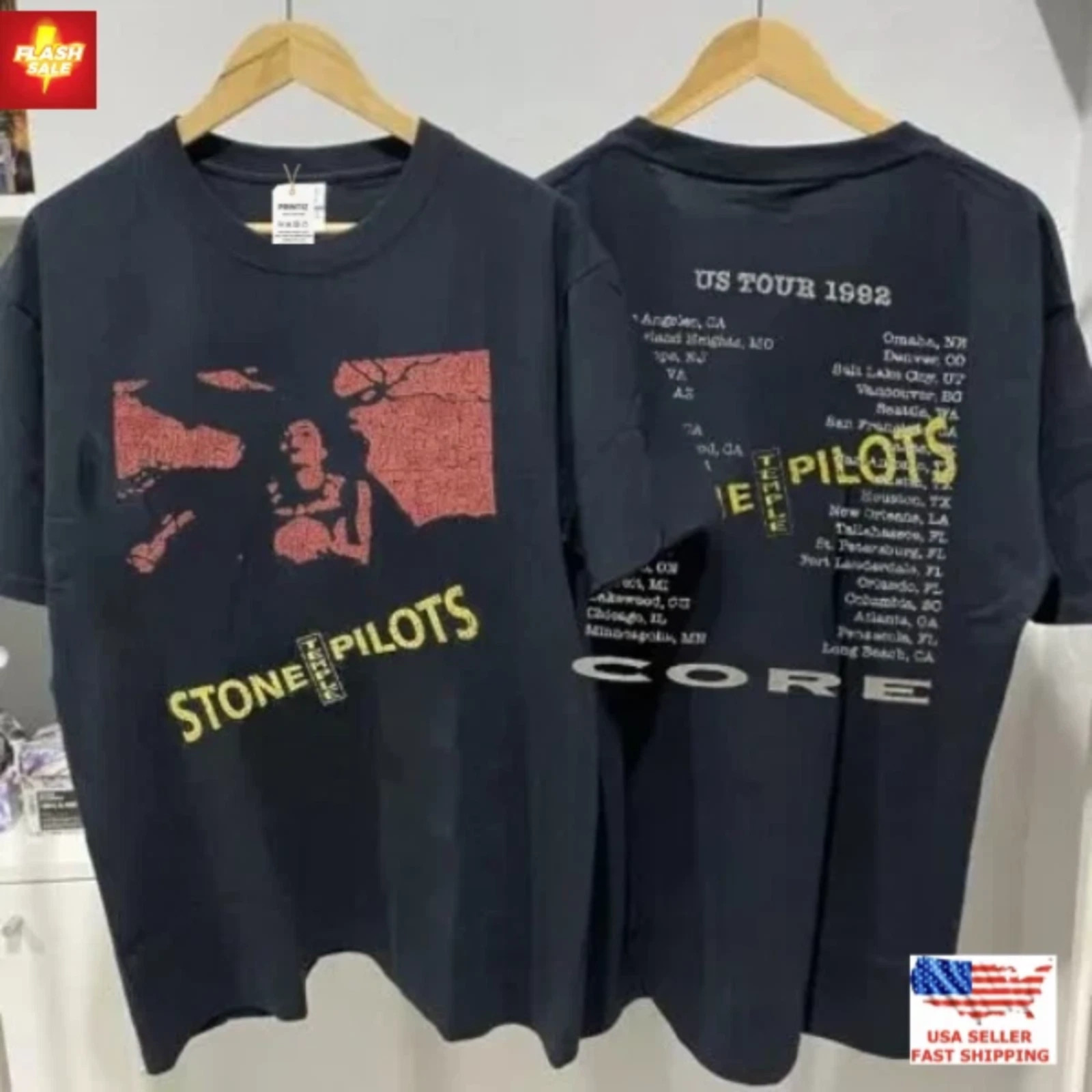
When you're looking, pay attention to the small details. Check the armpits for yellowing, which is hard to remove. Look at the neckline for pilling, which means it's been washed too much. And smell it. If it smells like mothballs, it's been stored properly. If it smells like mildew, walk away. You can't fix that.
A word on price: I once paid $200 for a 1983 U2 shirt that was in near-perfect condition. I've never regretted it. But I've also walked away from a $500 Ramones shirt because the print was so faded it was almost gone. The line between "worn" and "ruined" is thin. You want a shirt that has lived, but not one that has died.
The Last Word: Wear It Like You Mean It
There's a moment when you put on a great vintage tee and catch your reflection. The shirt is flat against your chest, the sleeves hit just above your elbow, the collar sits easy at your neck. You look like someone who knows things. You look like you've been somewhere. That's the power of a band tee. It's not about the band. It's about the years that have passed since that shirt was printed, and the fact that it's still here, still wearable, still telling a story.
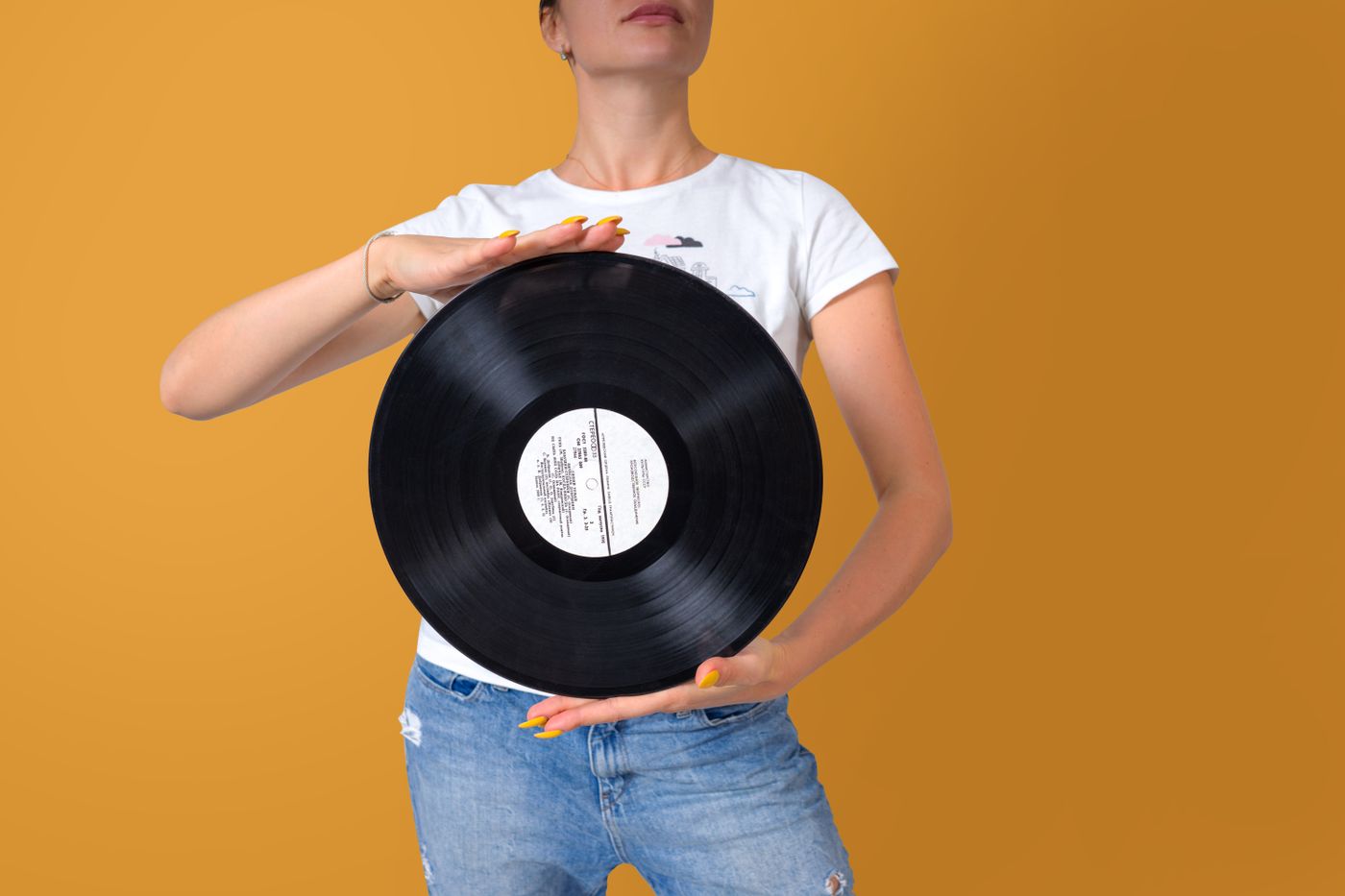
Foto: Atlantic Ambience · Pexels
My cousin's Sex Pistols shirt is gone now. He sold it in the early 2000s to pay for a honeymoon. He's got three kids and a mortgage, and he doesn't listen to punk anymore. But I've got my own collection, and when I wear them, I think about him, and about that barbecue, and about all the other bodies that have worn these shirts before me. That's the real value. Not the price, but the memory. So go find a shirt that speaks to you, and wear it until it falls apart. That's what it was made for.
The names
The designers behind the look
The minds behind this story — each with a piece currently on the market.
Vivienne Westwood
UK · 1970s
Punk, tartan & the corset
Punk, tartan & the corset
Armani
Italy · 1970s
The power suit & soft tailoring
The power suit & soft tailoring
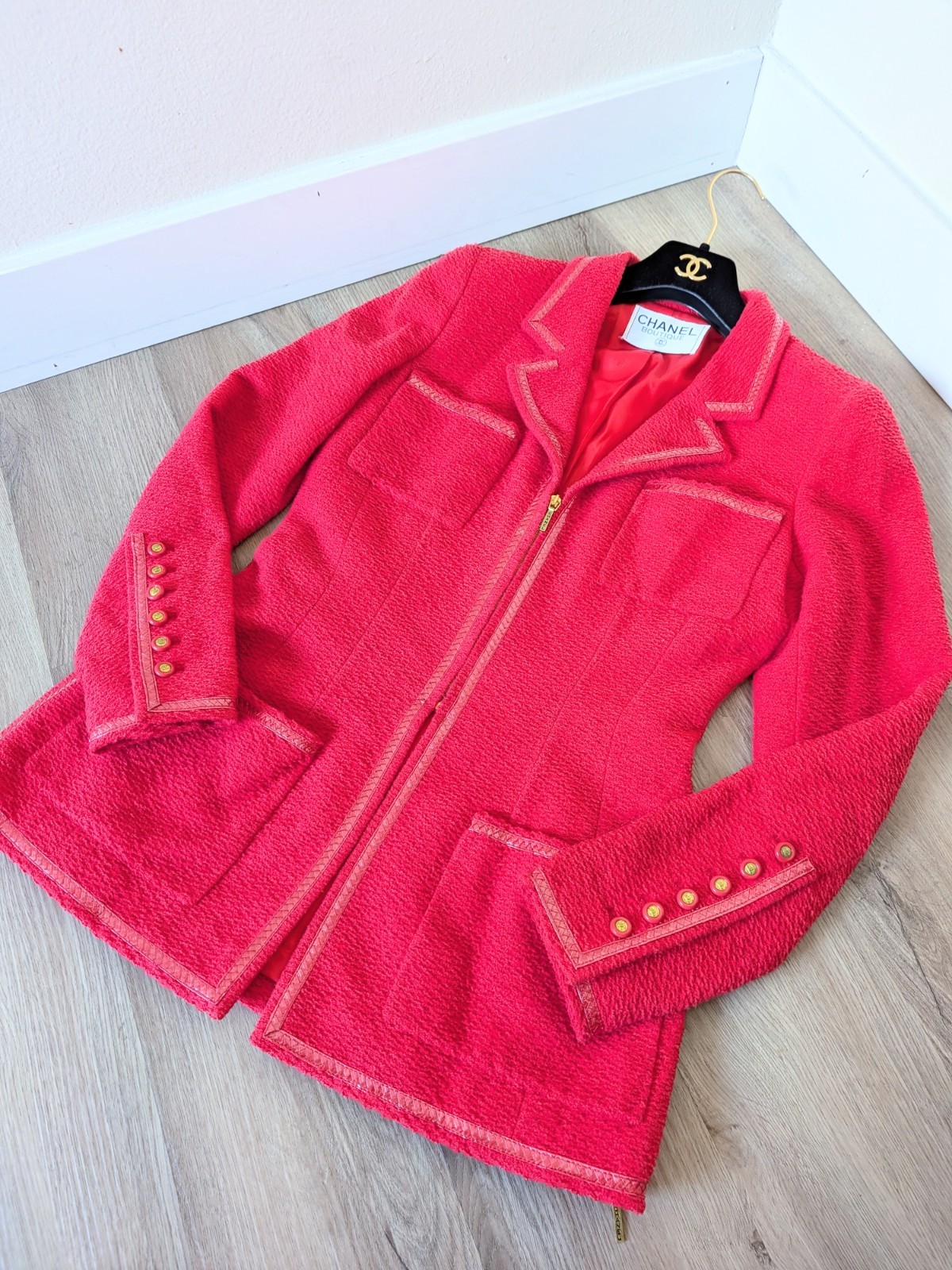
Chanel
France · 1910s
The little black dress & the 2.55
The little black dress & the 2.55
Top piece
View →
Diesel
Italy · 1970s
Washed denim & streetwear
Washed denim & streetwear
Continue the edit
Further stories from the same world
Three more walks through the same vintage universe.
The Bauhaus Tee: How to Wear the Band Shirt That Outlived the Band
Bauhaus broke up in 1983, but their t-shirts never stopped. Here's how to wear one without looking like you're stuck in a time capsule.
Read the story →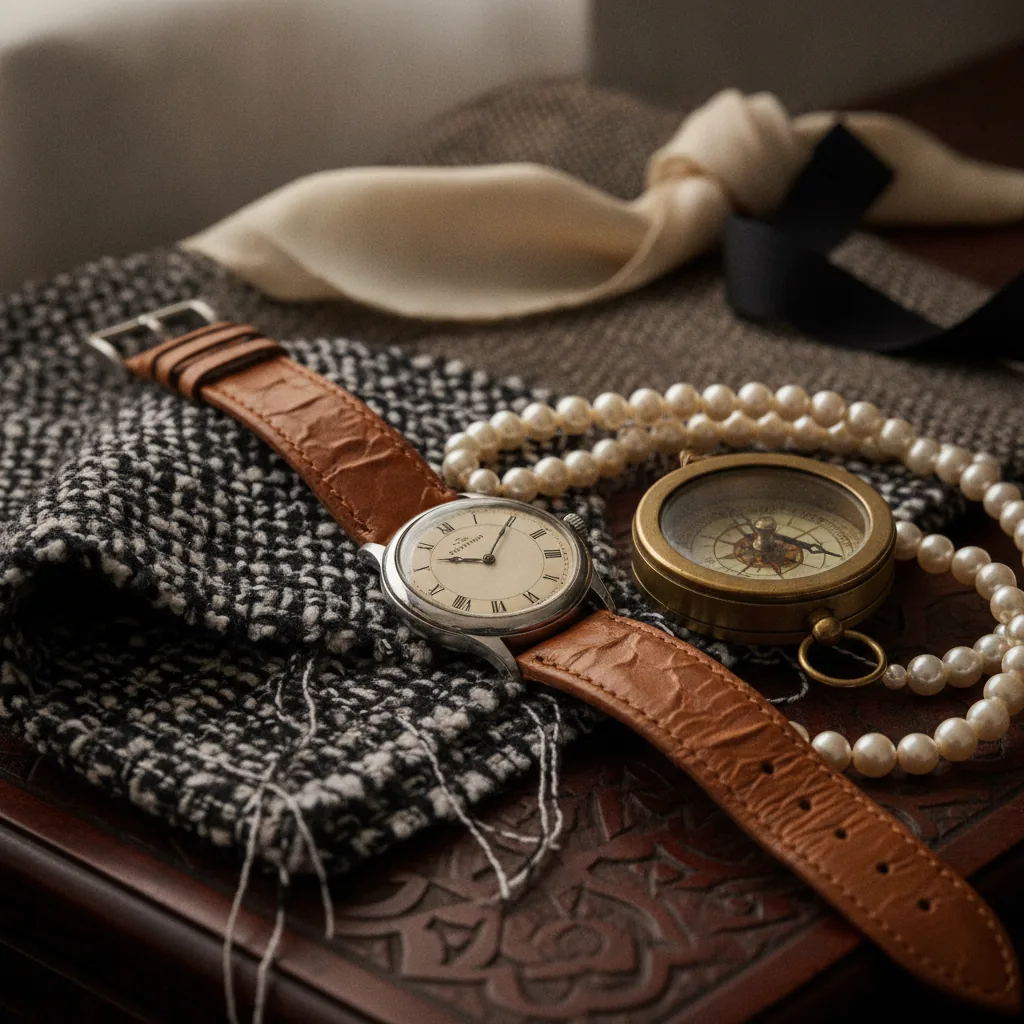
The Omega You Already Own (Or Should): A Wearer's Guide to Vintage
Forget the auction hype. Here's how to find, style, and live with a vintage Omega that costs less than a decent blazer and looks better than most modern watches.
Read the story →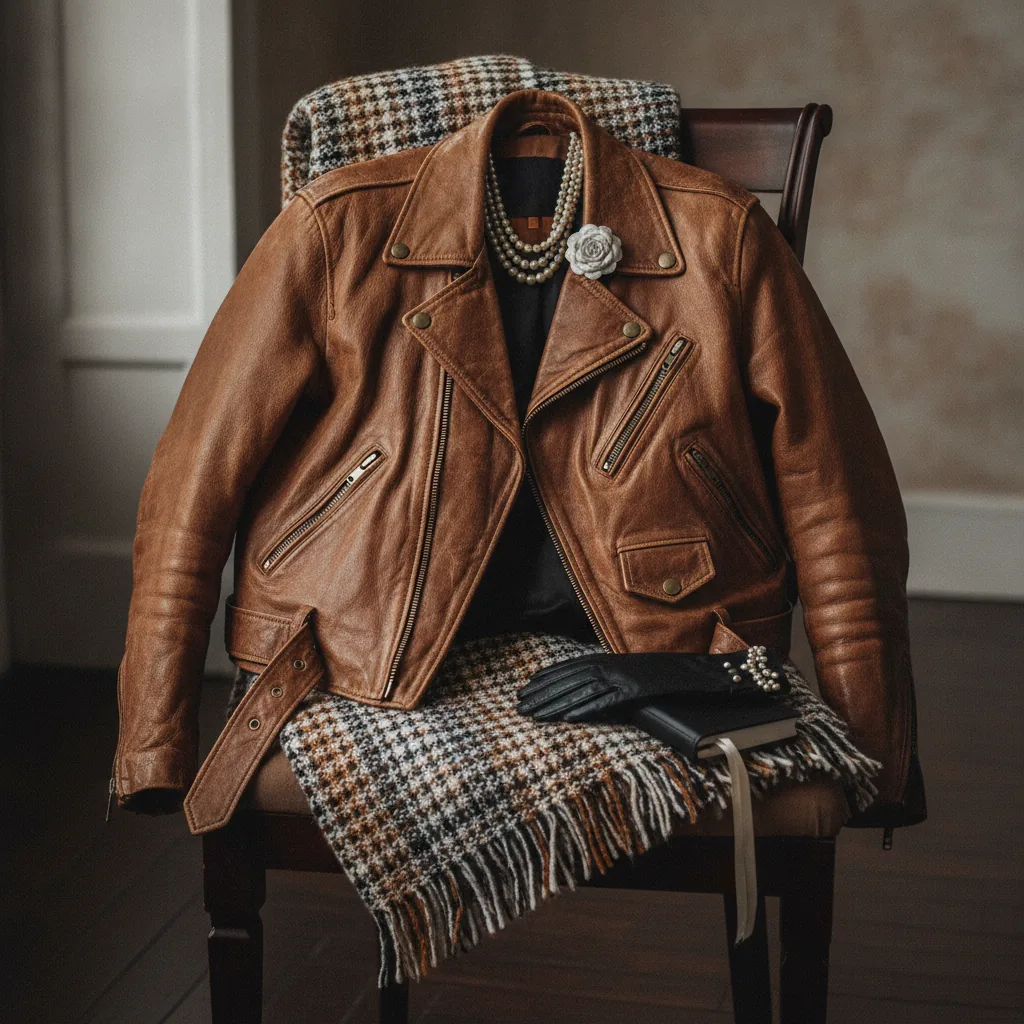
The Leather Jacket That Wears You Back
A vintage leather jacket is a second skin, not a costume. Here is how to find one that fits your life and wear it until it fits your body.
Read the story →