
 Sign in
✦ Culture · Barcelona
The Sculptural Spark: Wearing Vintage Jewelry as Modern Armor
Vintage jewelry isn't about preservation. It's about wearing a piece from 1972 or 1935 and making it look like it was made for you this morning. Here's how to pick a piece with a pulse, style it with modern clothes, and understand the history that gives it weight.
 By Louis Trash·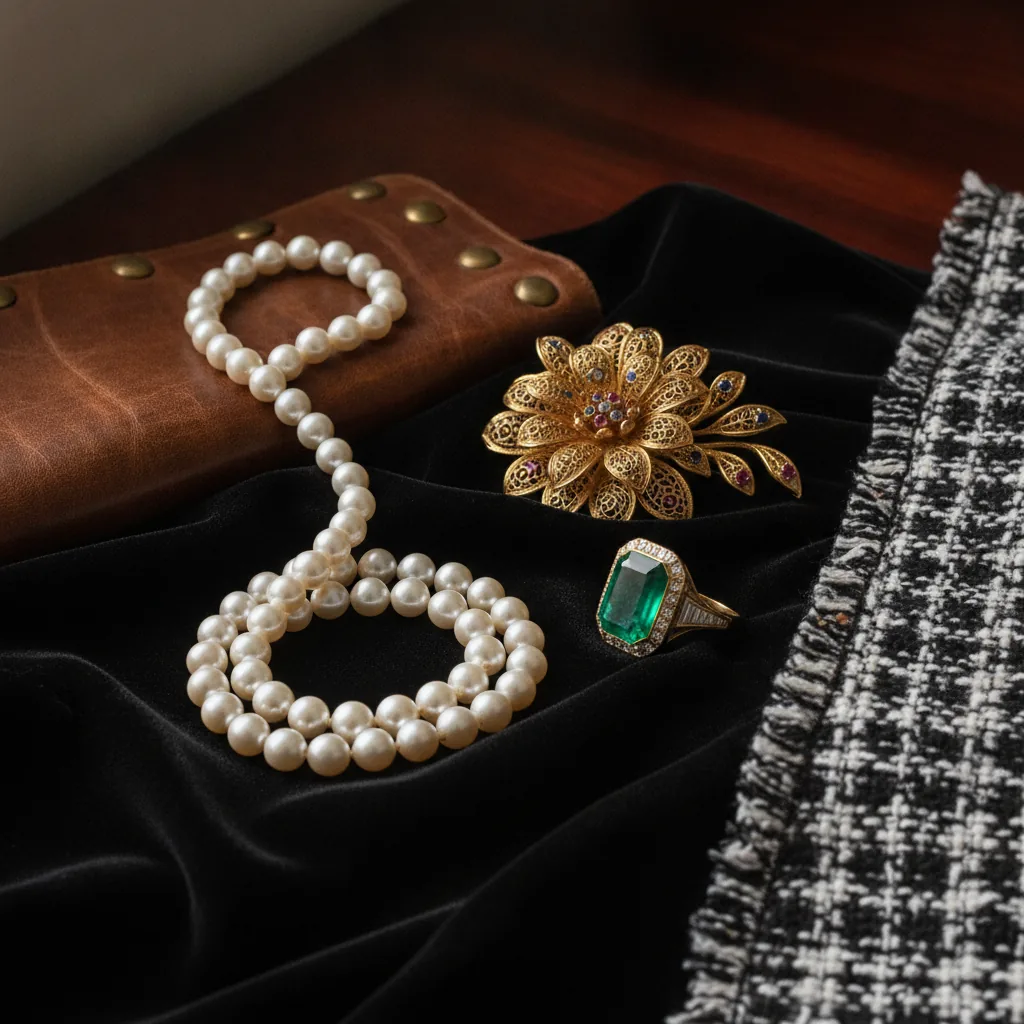
The Wrong Way to Wear a Brooch
I saw a woman at a gallery opening last month, beautiful in a black turtleneck and tailored trousers. And then she pinned a tiny, delicate Art Deco brooch to her collar, like a polite afterthought. It vanished. The piece was exquisite, probably real, but it read as timid. Vintage jewelry is not a whisper. It is a statement, a piece of sculpture that should anchor an outfit. If you wear a 1930s diamond brooch, wear it like a piece of armor, not a secret.
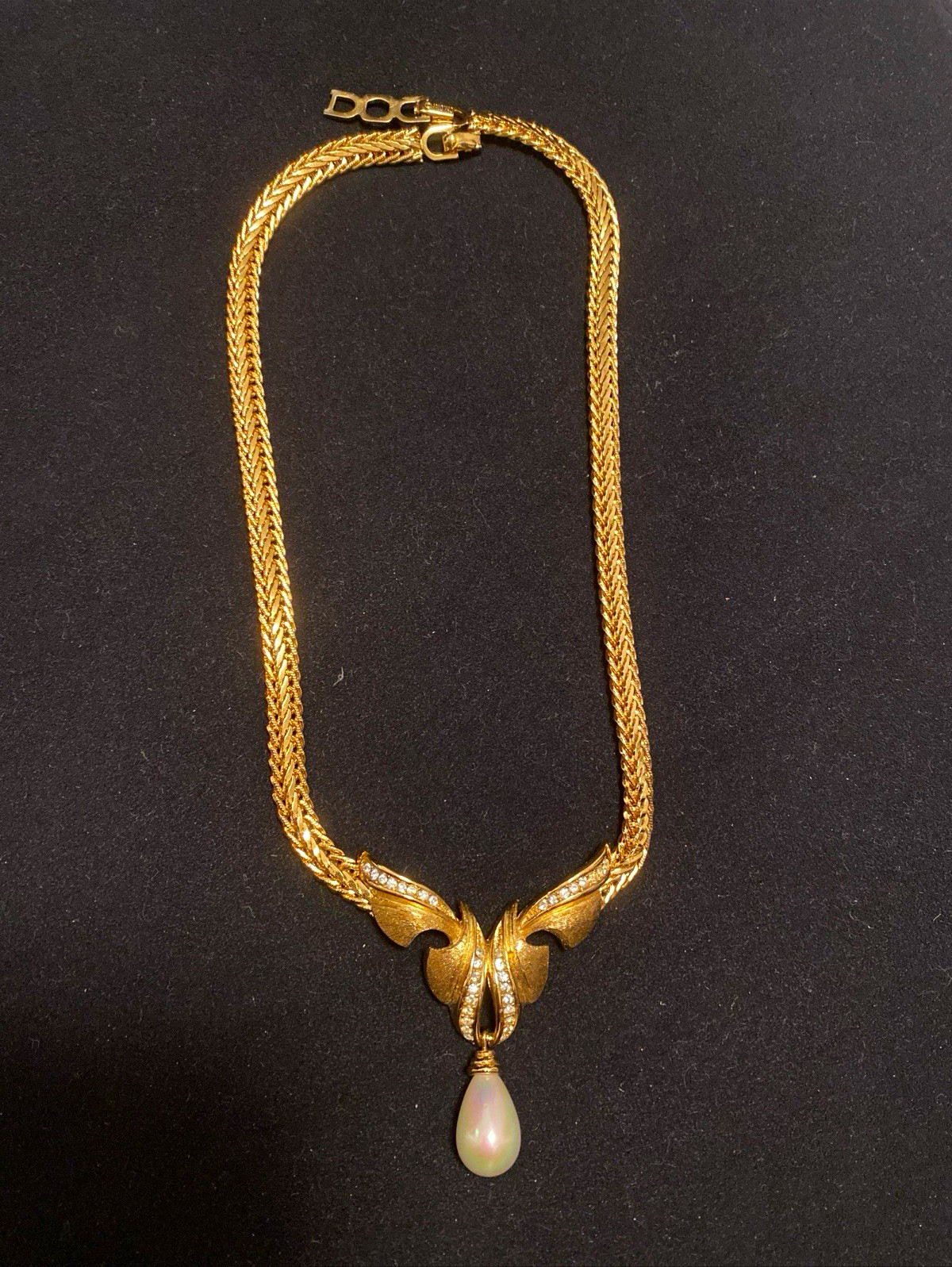
The best vintage pieces have a physical presence. They catch light, they cast shadows. A 1970s Dior pendant, all chunky gold and carved resin, should sit on your chest like a talisman. A 1930s geometric ring should feel substantial on your finger, almost like a weapon. The mistake is treating them as delicate antiques. They were designed to be worn with confidence, and they can handle a modern life.
How to Style It: Proportions and Pairings
The key to wearing vintage jewelry today is contrast. You don't need a vintage dress to go with a vintage necklace. In fact, that often looks like a costume. Instead, pair a heavy, sculptural piece with something minimal and modern. A 1970s Givenchy gold cuff looks incredible against a crisp white shirt, sleeves rolled up. A 1930s brooch, worn at the throat of a ribbed knit sweater, adds a jolt of geometry to a soft texture.
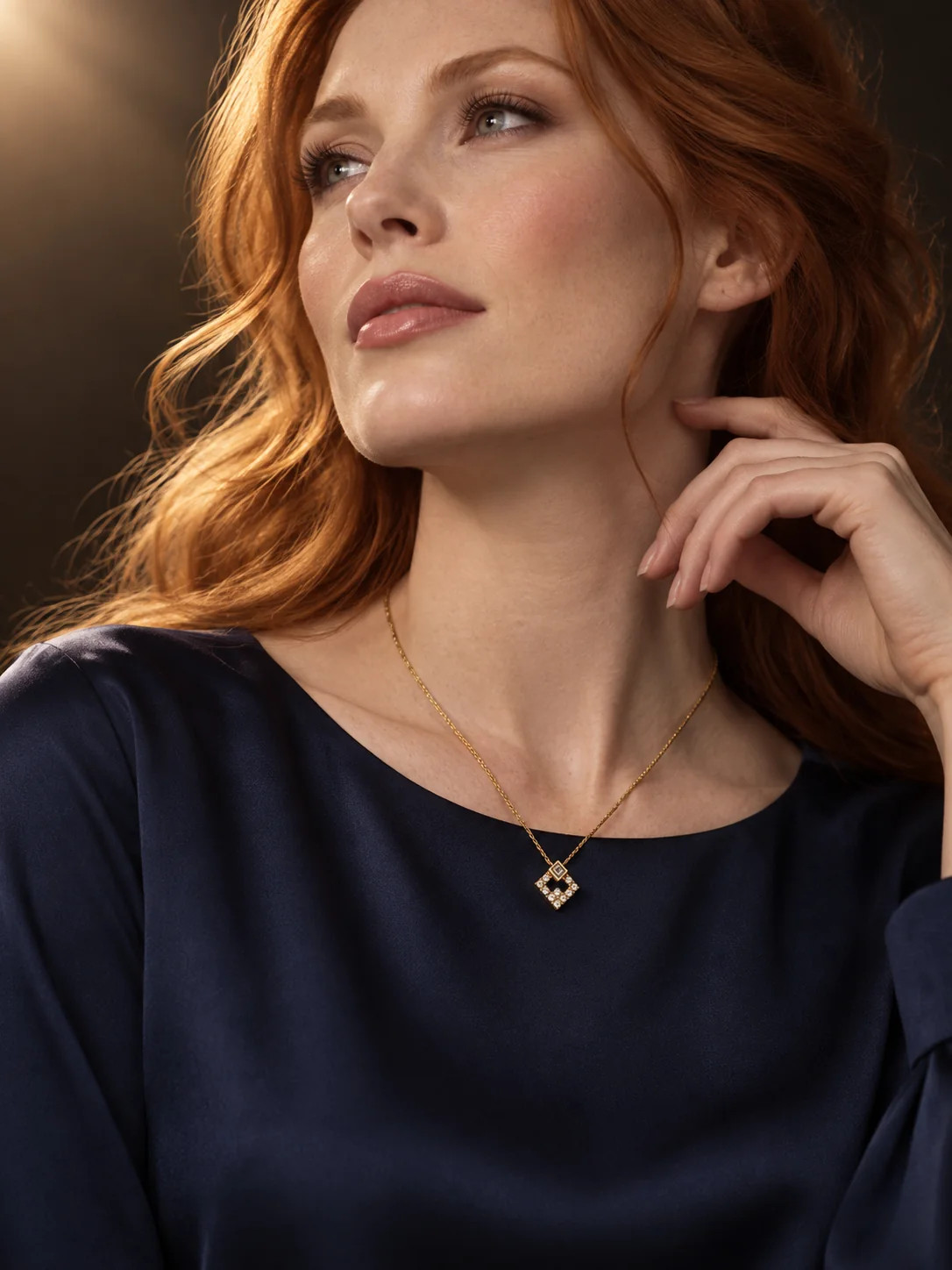
Think about scale. If the jewelry is large, keep the rest simple. If the jewelry is delicate, go for repetition. A single Art Deco diamond stud is lost. Five of them, scattered along your ear, become a statement. Similarly, a long 1970s chain necklace can be layered with a modern pendant of similar weight, creating a dialogue between eras.
Proportion matters with necklines. A chunky necklace needs a neckline that shows skin, not a high collar that competes. A bold ring works best when your hands are visible, gesturing. A 1970s cocktail ring, all amber and gold, looks amazing when you're holding a glass, not when you're typing.
Consider the balance of your outfit. If you're wearing wide-leg trousers and a boxy blazer, a long, linear necklace echoes that verticality. If you're in a slip dress, a chunky bracelet at your wrist adds weight. The goal is not to match the era of your clothes, but to use the jewelry to create a focal point. A 1930s brooch can be worn at the waist of a modern pencil skirt, cinching the fabric and adding shape.
What to Look For: Quality Tells and Era Clues
When you're buying, you want to spot the difference between a piece that was made to last and a piece that was made to sell. Start with the back. Flip the brooch or the ring. Look at the clasp, the pin stem, the way the metal is finished. A well-made vintage piece will have a secure, functional clasp. The metal should be smooth, not sharp. The stones should be set firmly, not wiggling.
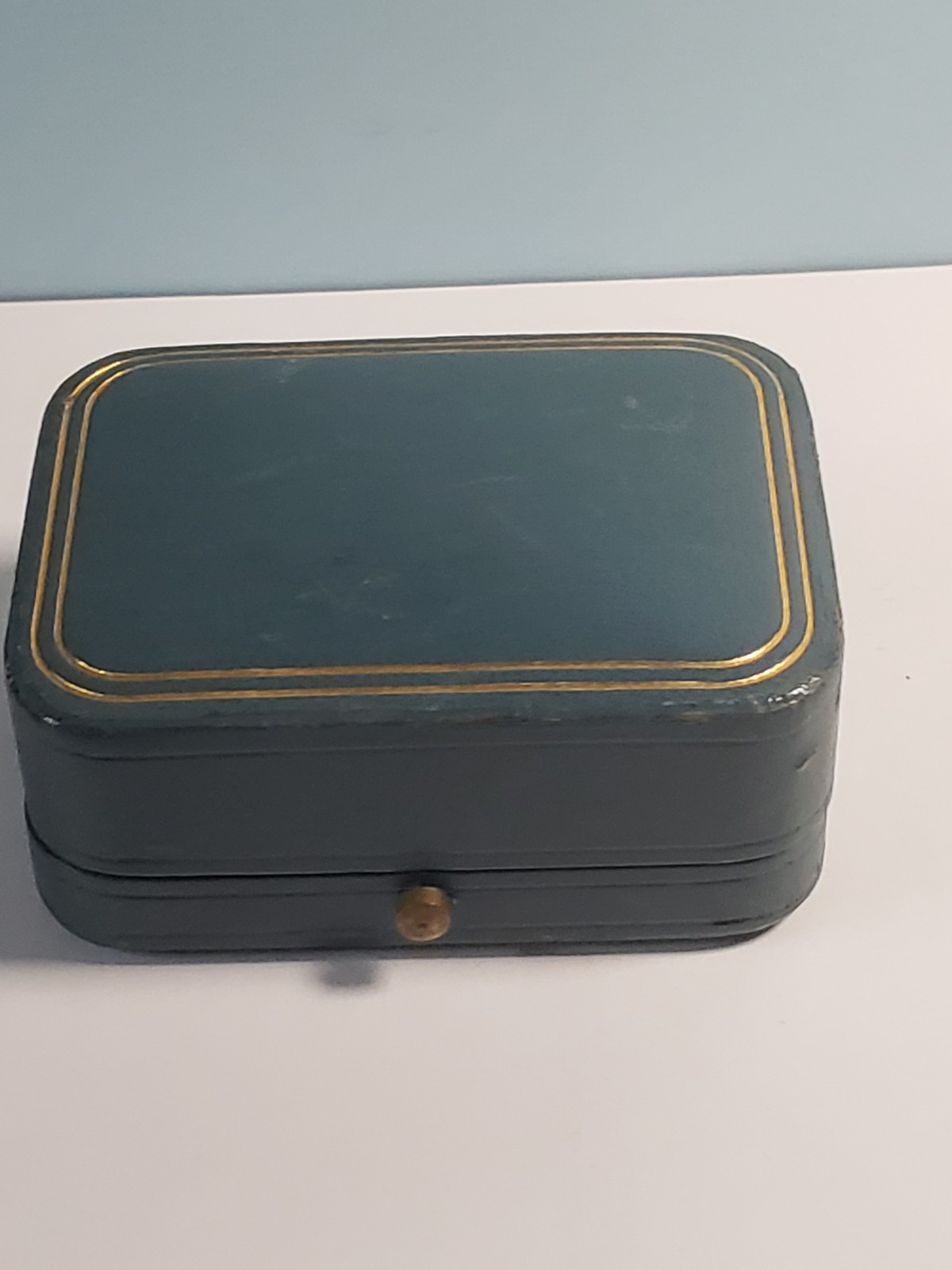
Look for hallmarks. They tell you the metal and often the maker. For gold, you'll see 18k, 14k, or sometimes a maker's mark. For silver, the word 'sterling' or a lion passant. If you see a designer name, like Dior or Givenchy, that's a clue. But beware: many pieces were unsigned. That doesn't mean they're not good. Often, the unsigned pieces are just as beautiful, and they cost less.
Era tells are your friend. Art Deco pieces, from the 1920s and 1930s, are geometric. They use straight lines, stepped shapes, and clean curves. They often feature platinum or white gold, with diamonds and colored stones like sapphires, rubies, and emeralds. The workmanship is precise, almost architectural. In contrast, the 1970s gave us organic, sculptural forms. Think of the work of Elsa Peretti for Tiffany, or the bold gold pieces from Italy. They are chunkier, with textured surfaces, often in yellow gold.
Quality also shows in the details. Check the edges of a gold cuff for a smooth finish. Look at the back of a pendant. Is it finished, or hollow and cheap? Real vintage pieces were often made with a high level of craftsmanship, because they were meant to be heirlooms. If a piece feels light and flimsy, it's probably not worth the price.
One more tip: bring a loupe. A small magnifying glass will show you the condition of the stones and the setting. You want to see if there are chips, if the prongs are thin, if the metal has worn through. You can negotiate on price if there are flaws, but you should know what you're buying.
The History: Icons and Anecdotes
Vintage jewelry tells stories, and some of the best stories come from the mid-century. Take Dior. In 1955, Christian Dior launched his own jewelry line, called Diorama. He believed that jewelry should be an extension of the dress, not a separate accessory. His designs were often inspired by the natural world, with flowers and leaves rendered in gold and stones. But it was the 1970s that brought us the bold, sculptural pieces that are so wearable today. After Dior died in 1957, the house continued, and by the 1970s, designers like Robert Goossens were creating chunky, textured gold pieces that were made to be seen.
Givenchy, too, had a moment. Hubert de Givenchy dressed Audrey Hepburn, and his jewelry reflected that elegance. But in the late 1960s and 1970s, he embraced a more avant-garde aesthetic. The pieces were often oversized, with abstract shapes, sometimes in silver or gold plate. They were designed to make a statement, and they still do.
Art Deco jewelry emerged from a world of change. After World War I, women cut their hair short and wore shorter skirts. Jewelry became bolder, more geometric, a reflection of the machine age. Think of the Chrysler Building, with its sunbursts and chevrons. That aesthetic translated into brooches, bracelets, and rings. The 1925 Exposition Internationale des Arts Décoratifs et Industriels Modernes in Paris gave the style its name. The pieces were often set in platinum, which allowed for intricate, delicate work.
One icon who wore vintage jewelry with flair was the actress and style icon, Marlene Dietrich. She famously wore a large, ornate brooch on her suits, often at the lapel. She understood the power of a single, striking piece. In the 1950s, she wore a huge, diamond-encrusted necklace, given to her by a friend, and it became part of her image. She didn't follow rules; she made them.
Another moment: In 1961, when Audrey Hepburn wore that Givenchy dress in Breakfast at Tiffany's, she also wore a pearl necklace. But it was the long, layered strands of pearls that became a signature. They were versatile, elegant, and timeless. You can wear a similar look today with a modern twist.
The Closing Thought
Vintage jewelry is not about nostalgia. It is about wearing a piece that has a past, but giving it a present. The best pieces are the ones that don't look like they belong to a era. They look like they belong to you. So when you find a piece that speaks, don't hesitate. Try it on. See how it feels against your skin, how it moves with your body. If it makes you stand a little taller, if it catches your eye in the mirror, that's the one. It doesn't matter if it's from 1935 or 1972. What matters is that it's alive, and you're wearing it.
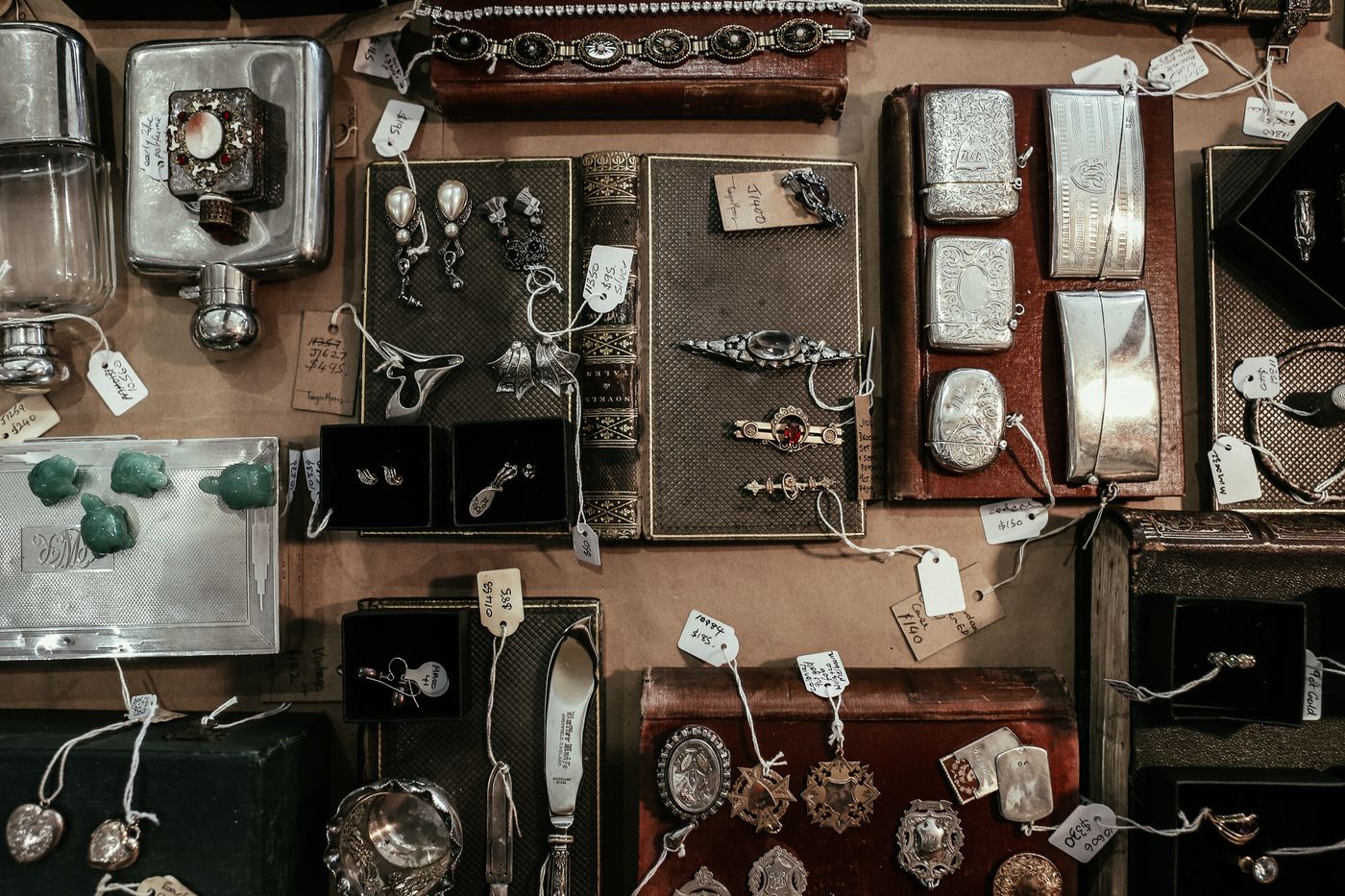
Foto: Rachel Claire · Pexels
A closing note: I bought a 1970s Dior pendant last year. It's a large, textured gold disc with a small carved coral center. I wear it almost every day, with everything from a T-shirt to a silk blouse. It's the first thing people comment on. It's not because it's expensive. It's because it has presence. That's what you're looking for. A piece that has a voice, and that lets yours come through.
 ✦ The Edit
One to watch
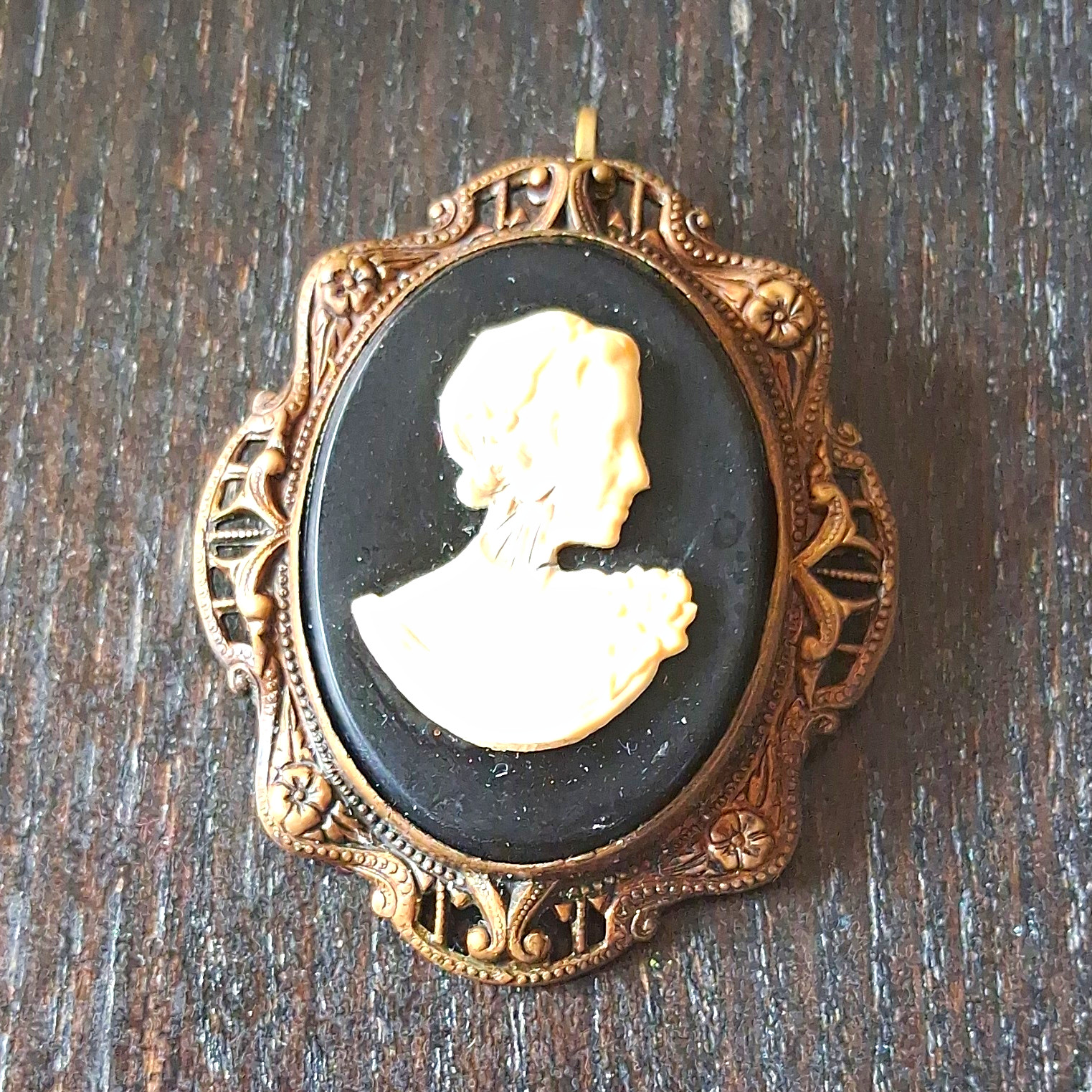
Vintage Cameo Portrait Oval Brooch Pendant, Black Cream, Gold Tone Beauty
A piece like this is the fastest way to add a little history to anything you own. This honestly worn piece in gold and black is the kind of piece that tells a story before you have said a word. Buy the story, and the object comes along with it.
On the market now
The names
Meet the designers
The minds behind this story — each with a piece currently on the market.
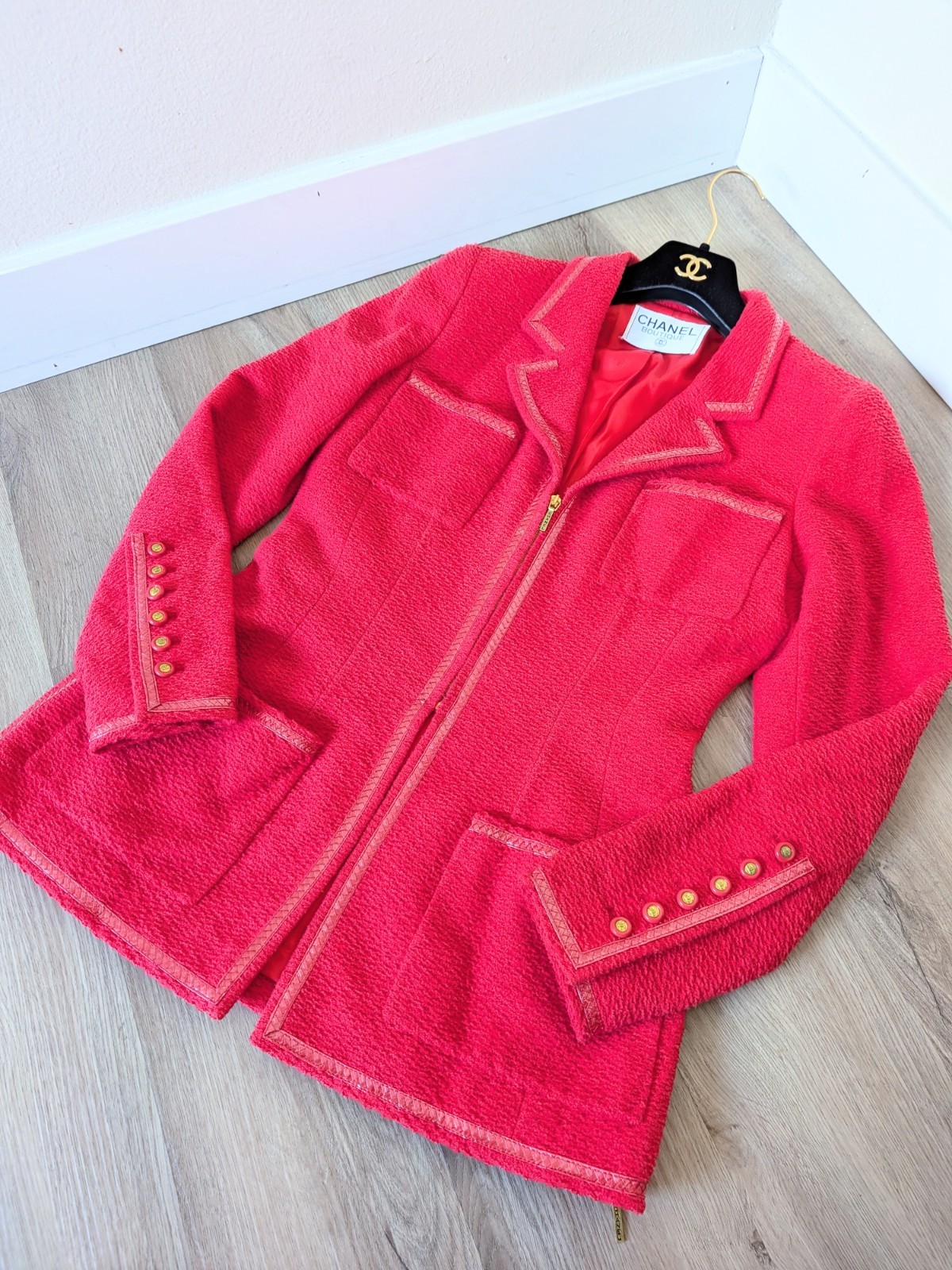
Chanel
France · 1910s
The little black dress & the 2.55
The little black dress & the 2.55
Top piece
View →
Comme des Garçons
Japan · 1960s
Deconstruction & anti-fashion
Deconstruction & anti-fashion
Top piece
View →
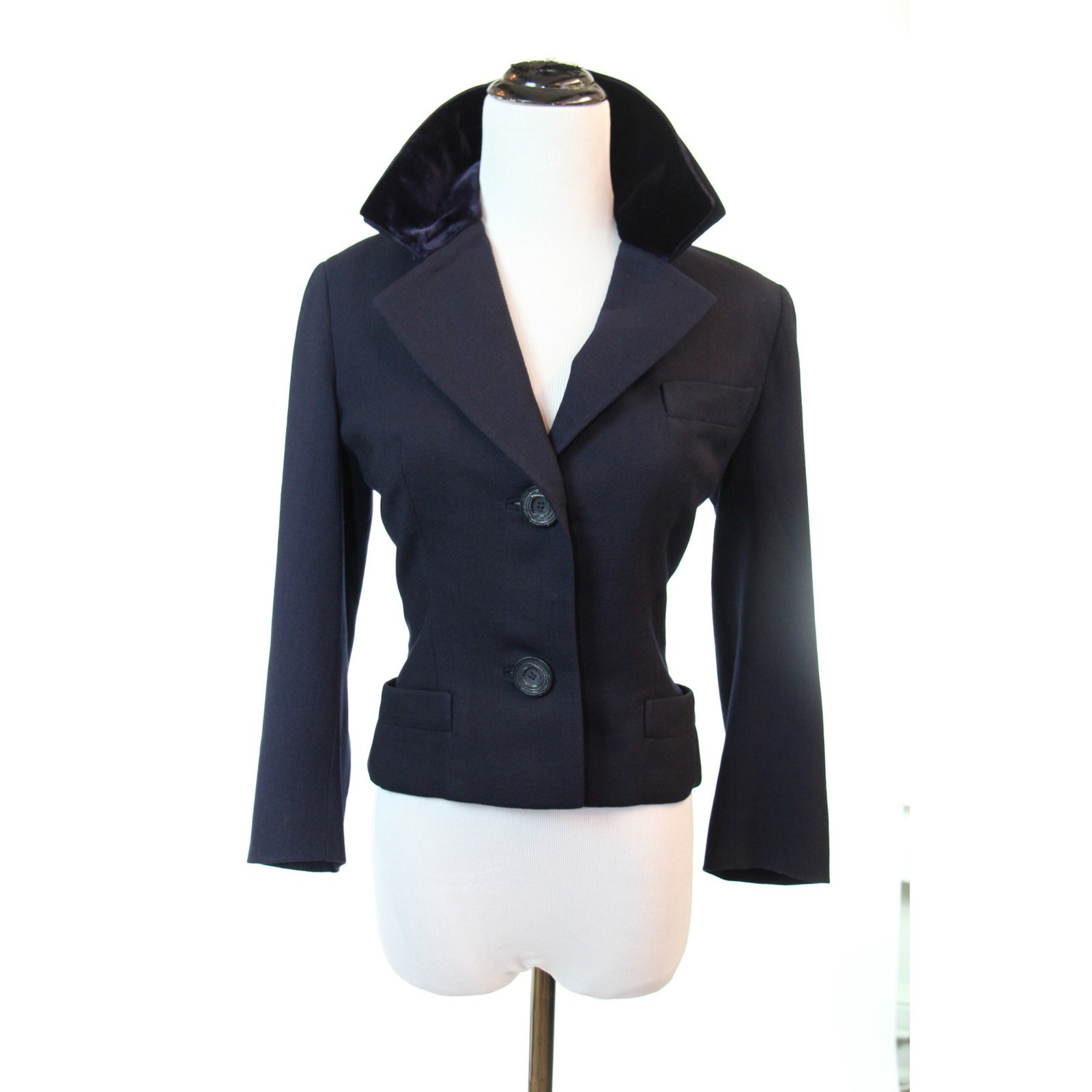
Dior
France · 1940s
The New Look & the Lady Dior
The New Look & the Lady Dior
Top piece
View →
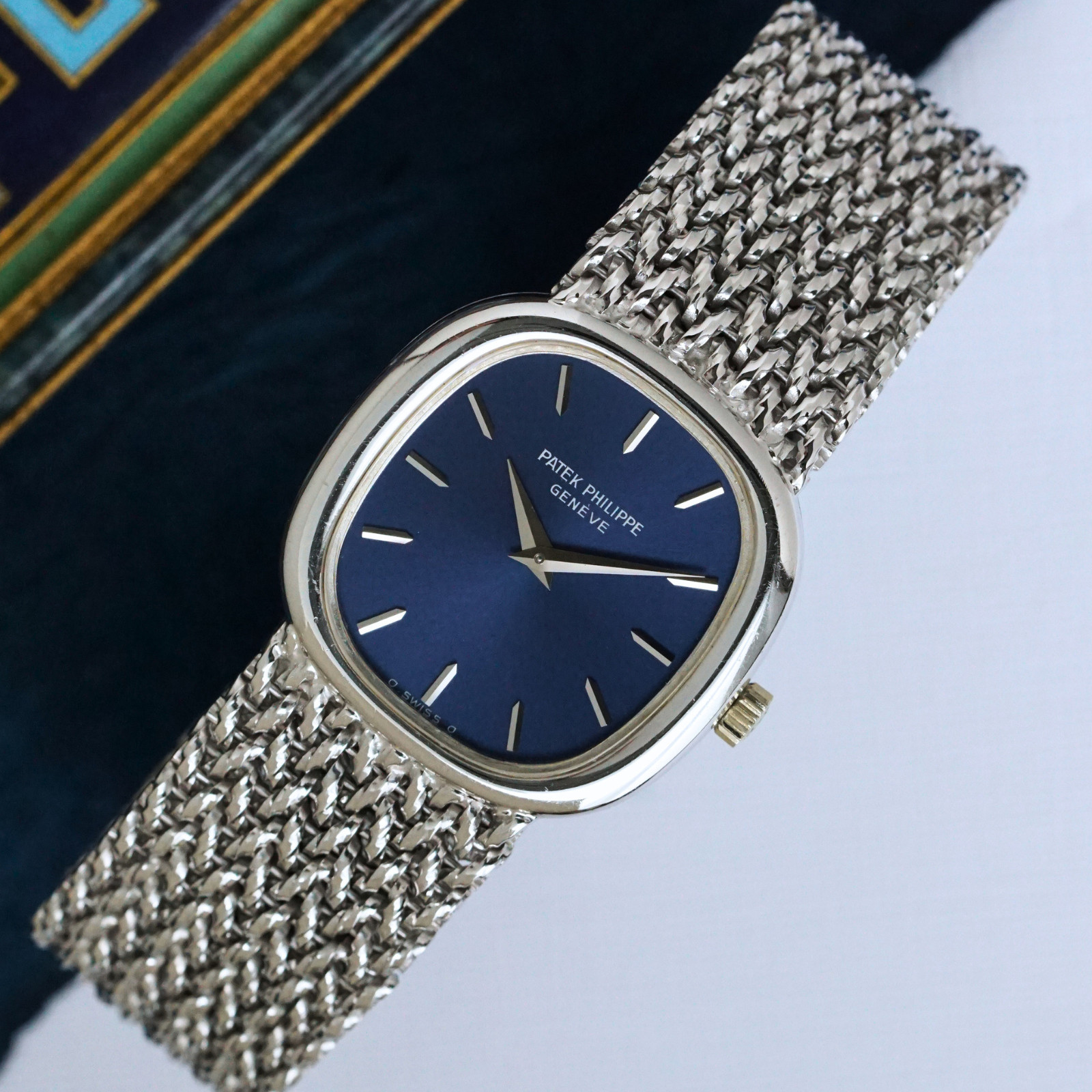
Arne Jacobsen
Denmark · 1950s
The Egg & the Series 7 — chairs turned into quiet sculpture.
The Egg & the Series 7 — chairs turned into quiet sculpture.
Top piece
View →
Continue the edit
Further stories from the same world
Three more walks through the same vintage universe.
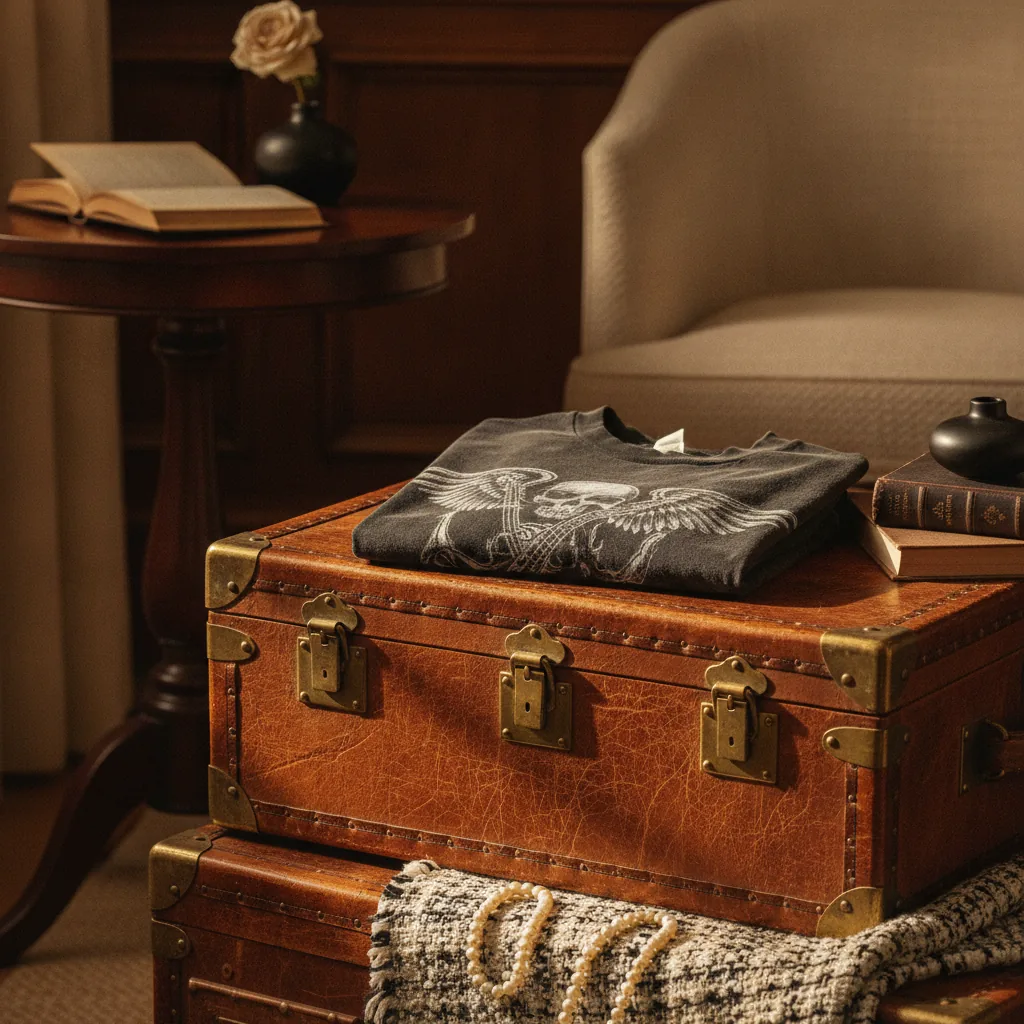
The Bauhaus Tee: How to Wear the Band Shirt That Outlived the Band
Bauhaus broke up in 1983, but their t-shirts never stopped. Here's how to wear one without looking like you're stuck in a time capsule.
Read the story →
The Omega You Already Own (Or Should): A Wearer's Guide to Vintage
Forget the auction hype. Here's how to find, style, and live with a vintage Omega that costs less than a decent blazer and looks better than most modern watches.
Read the story →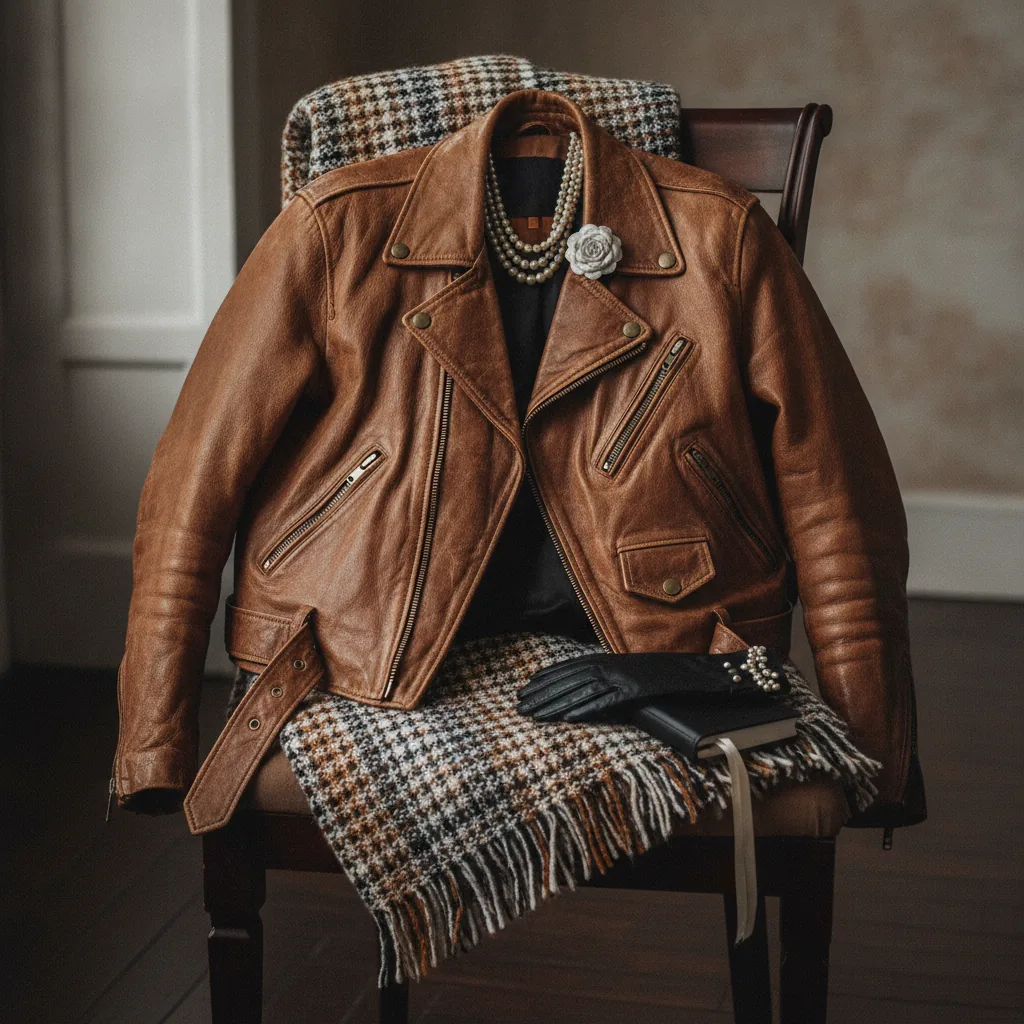
The Leather Jacket That Wears You Back
A vintage leather jacket is a second skin, not a costume. Here is how to find one that fits your life and wear it until it fits your body.
Read the story →