
 Sign in
🔥 Fashion · Berlin
The Designer Bag That Wears Like a Secret
Forget the investment portfolio. A vintage Prada, Gucci, Chanel, or Balenciaga bag is a tool for living, and it works best when you treat it like one.
 By Louis Trash·
The case for carrying something with a past
A woman I know bought a black nylon Prada backpack in 1996. She carried it through two graduate degrees, a divorce, and a move to Lisbon. The nylon has softened to the texture of a favorite trench coat. The leather trim is dark with hand oil. She would not sell it for ten times what she paid. That bag is not an asset. It is a witness.
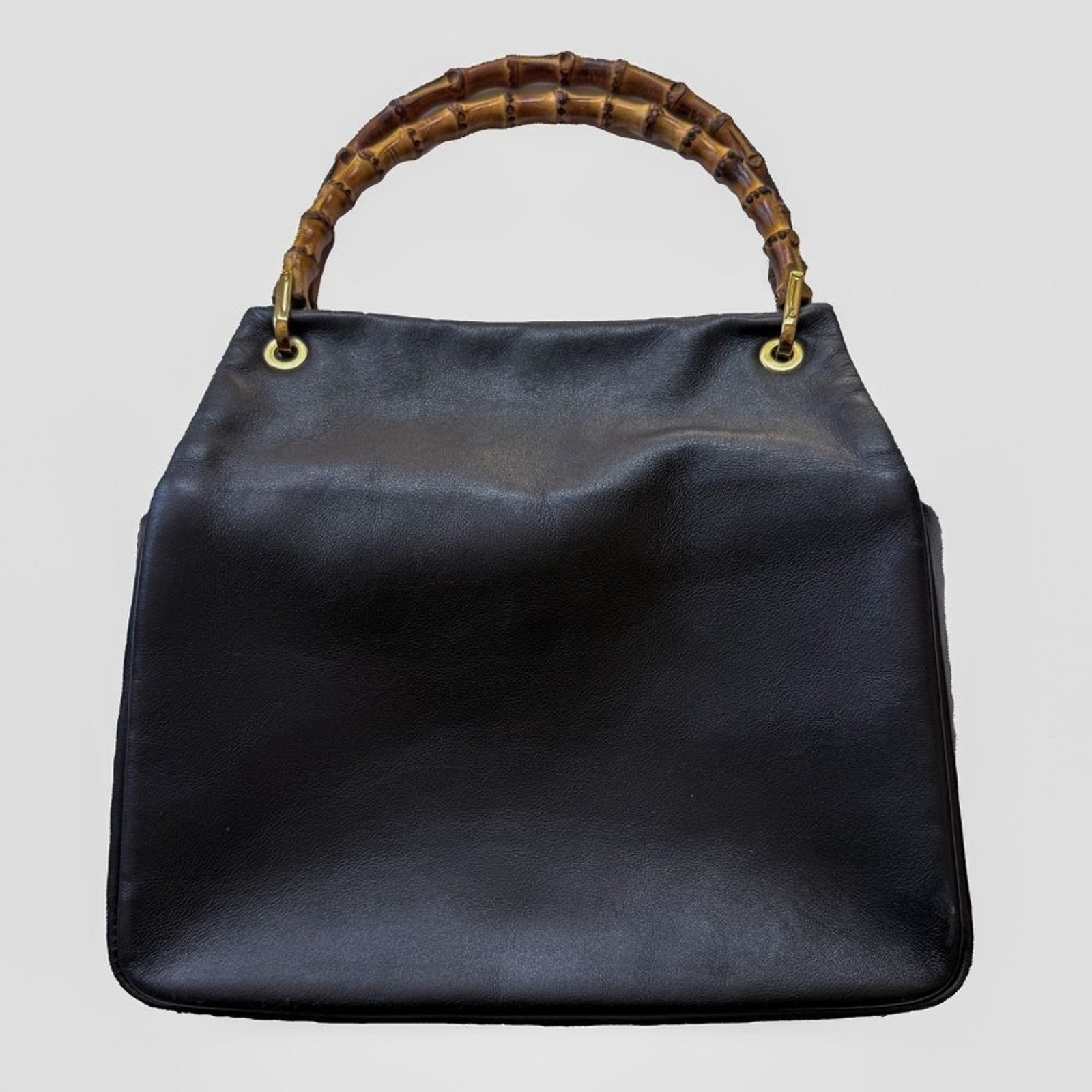
That is the spirit in which to approach the vintage designer bags circulating now. Most are Prada, Gucci, Chanel, Balenciaga. Prices hover around $231.04, which is less than a new mid-range bag from a department store. You are not buying a commodity. You are buying a piece of someone else's history and giving it a second life. The question is not whether it will hold its value. The question is whether it will hold your life.
How to wear it without looking like a costume
The biggest mistake with vintage bags is treating them as precious. They are not. A 1990s Gucci Jackie is a shoulder bag, not a museum piece. Wear it with jeans and a white t-shirt. Wear it with a suit. Wear it with a slip dress and combat boots. The bag should look like it belongs to you, not like you are borrowing it from a stylist.
Proportion matters. A small, structured bag from the early 2000s, like a Balenciaga Le Dix, looks best against a lean silhouette. Skinny jeans, a fitted knit, a sharp blazer. A slouchy hobo, like a Prada Vela, needs volume elsewhere. Wide-leg trousers, an oversized shirt, a chunky sweater. The bag should not be the only soft thing in the outfit.
Color is your friend. A black bag is a workhorse, but a burgundy Gucci bamboo handle or a cream Chanel lambskin adds a jolt to a neutral wardrobe. Do not match your shoes. That rule died in 1985. Instead, pick up a color from your bag in a scarf, a belt, or a lipstick. Let the bag be the punctuation, not the whole sentence.
What to look for when you buy
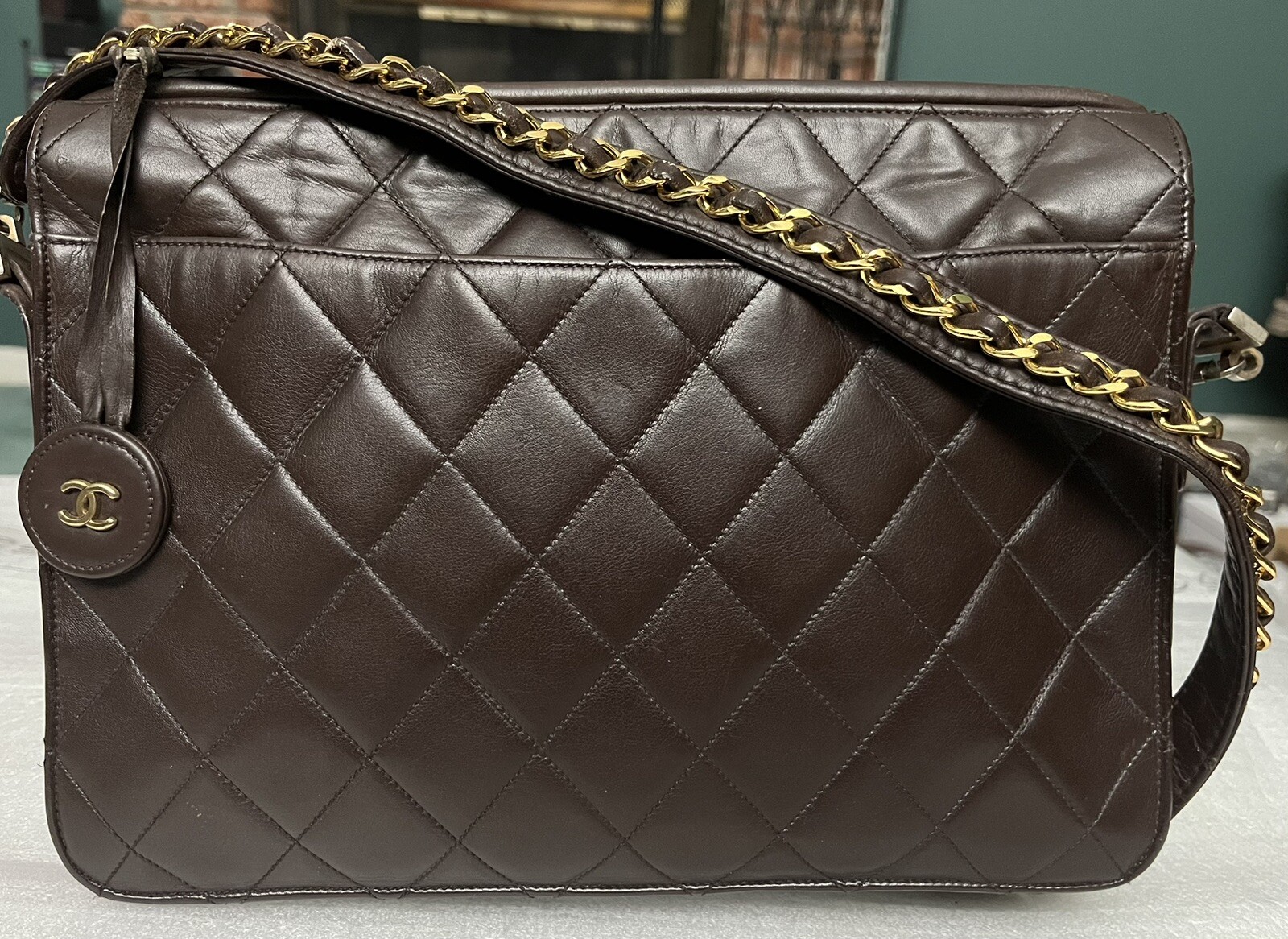
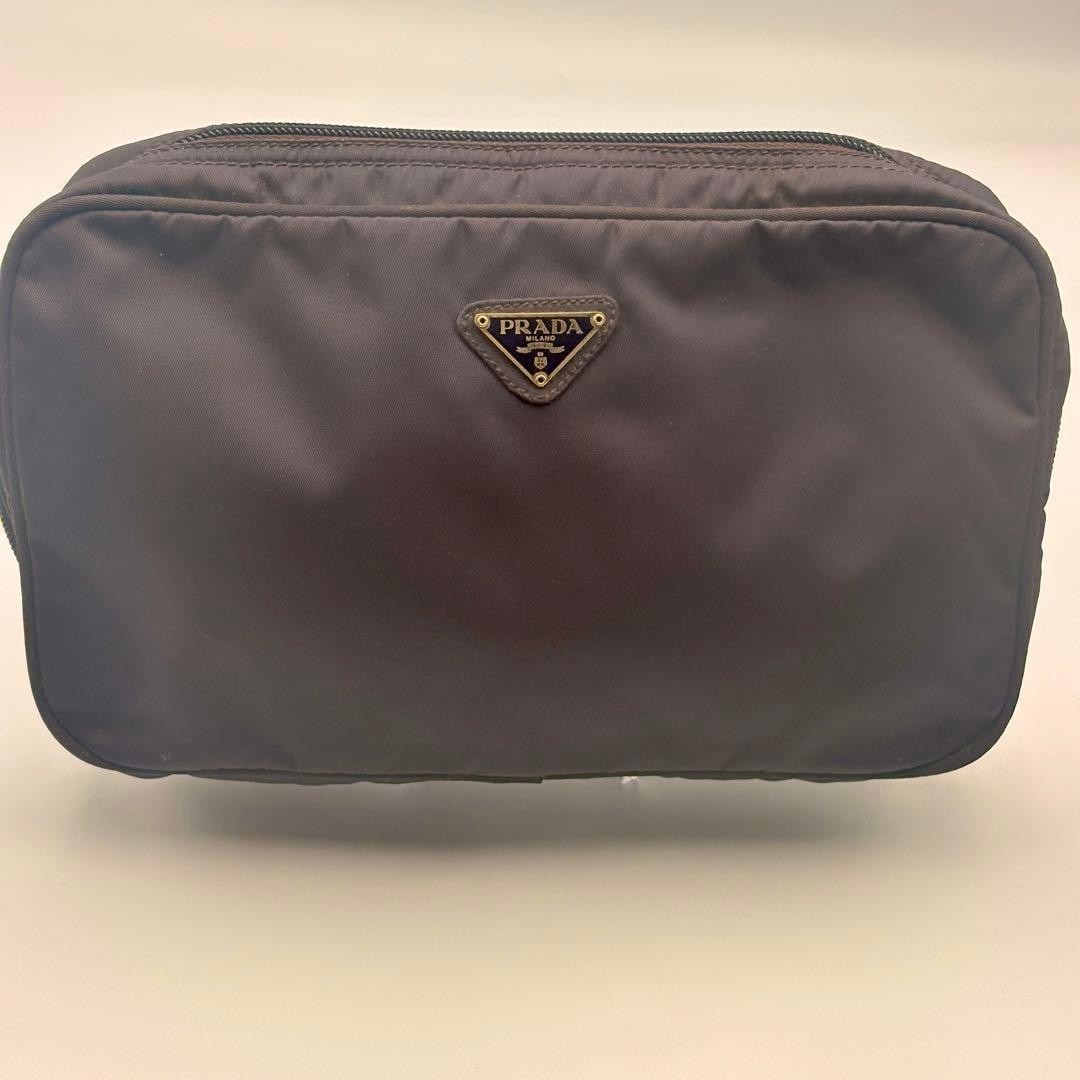
Start with the hardware. On a vintage Gucci, the bamboo handle should be smooth and warm, not cracked or splintered. On a Chanel, the interlocking CC turnlock should click shut with a solid, satisfying thud. On a Prada, the triangular logo should be enamel, not plastic, and the lettering should be crisp. On a Balenciaga, the leather tag should be stamped, not printed, and the metal plate should feel heavy in your hand.
Check the lining. Early Prada bags used a jacquard nylon lining with the logo woven in. If it is torn or sticky, walk away. Gucci linings from the 1990s are often a soft suede or a cotton canvas. Chanel uses a grosgrain or a leather lining. Balenciaga uses a fine leather or a microfiber. A lining that has been replaced is a red flag. A lining that is stained but intact is a sign of honest use.
Look at the zipper. A vintage Lampo or Riri zipper is a good sign. These are Italian and Swiss makers that supplied luxury houses for decades. A cheap plastic zipper on a supposed designer bag means it is a fake or a lower-tier line. The same goes for the stitching. Even, tight, and consistent. No loose threads, no skipped stitches.
Era tells are useful. A Prada bag with a small, enameled triangle logo is likely from the 1990s. A Gucci bag with a large, interlocking G is from the Tom Ford era, 1995 to 2004. A Chanel bag with a 24k gold-plated hardware is pre-2008. A Balenciaga bag with a leather tag and a metal plate is from the Nicolas Ghesquière era, 1997 to 2012. These details matter because they tell you what you are buying and when it was made.
The history you are carrying
Miuccia Prada took over her family's leather goods company in 1978. She introduced a black nylon backpack in 1984. It was a radical idea. Nylon was for parachutes and tents, not luxury. But she made it desirable. By the late 1980s, every fashion editor in Milan had one. The point was not the material. The point was the attitude. A Prada bag said you were smart enough to know that luxury could be practical.
Gucci's bamboo handle was born in 1947, after the war made leather scarce. The founder, Guccio Gucci, used bamboo from Japan. It was a solution to a shortage. It became a signature. In the 1960s, Jackie Kennedy carried a Gucci hobo so often that the house renamed it the Jackie. That bag is still in production. The vintage ones, from the 1960s and 1970s, have a softer, more rounded shape. They are lighter and less rigid than the modern versions.
Chanel's 2.55 bag was designed in February 1955. Coco Chanel wanted a bag with a strap so women could carry it over the shoulder, leaving their hands free. She added a back pocket for money and a front flap with a secret compartment for love letters. The chain strap was inspired by the keys the nuns carried at the orphanage where she grew up. That is not a marketing story. That is a fact. The bag was a tool for a modern woman. It still is.
Balenciaga's motorcycle bag, designed by Nicolas Ghesquière in 2000, was an instant hit. It had a slouchy shape, a distressed leather, and a lot of hardware. It looked like it had already been lived in. Kate Moss carried one. So did every model backstage. The bag was not precious. It was cool. That is the difference between a vintage Balenciaga and a vintage Chanel. One is a classic. The other is a mood.
The only rule that matters
Do not buy a vintage bag to keep it in a dustbag. Buy it to carry it. Buy it to take to the market, to the office, to a dinner where you spill wine on it. The scratches and the patina are not flaws. They are the record of your life with it. A bag that looks new is a bag that has not been loved. A bag that looks like yours is a bag that has.
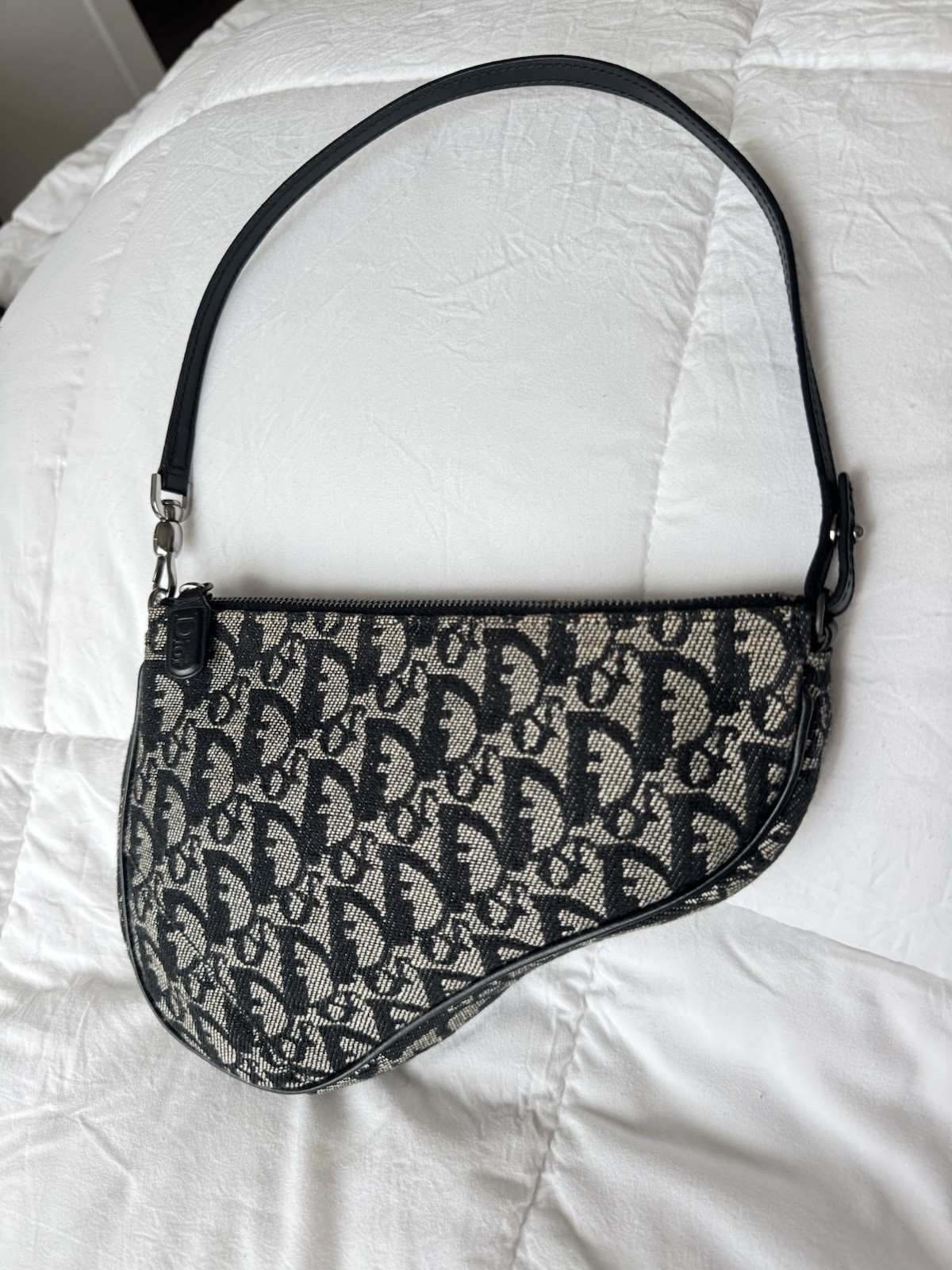
So find a Prada nylon that has softened. Find a Gucci bamboo that has darkened. Find a Chanel lambskin that has a few scars. Pay the $231.04. Then put your phone in it, your keys, your lipstick. Walk out the door. That is how you wear a vintage bag well. You do not preserve it. You use it up.
Get the look
Get the look
The pieces that make this story wearable, live from the market.
designer-bags
Vintage Gucci Bamboo Top Handle Bag Authentic – Black Leather, Peeling Interior
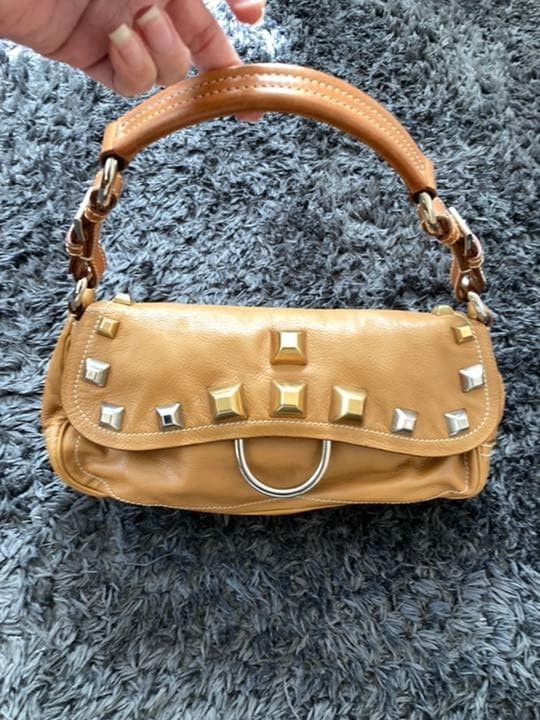
designer-bags
Vintage PRADA Triangle Logo Brown Shoulder Bag Enameled Metal Leather
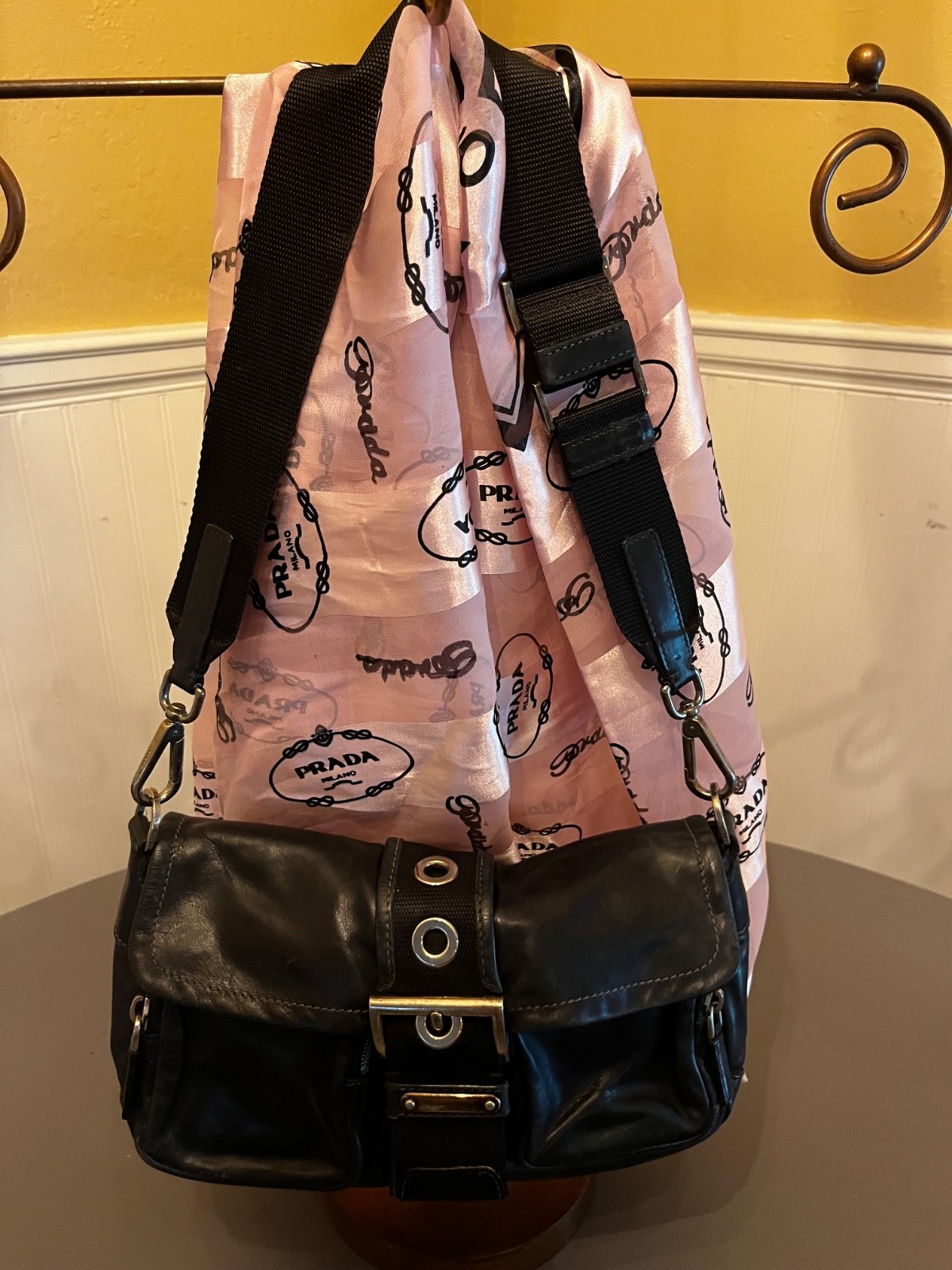
designer-bags
Vintage Prada Tessuto Shoulder Bag Black Saffiano Leather w/ Buckle~Rare Version
designer-bags
PRADA Tessuto Nylon Clutch Second Bag Pouch Triangle Logo Black Vintage Japan
designer-bags
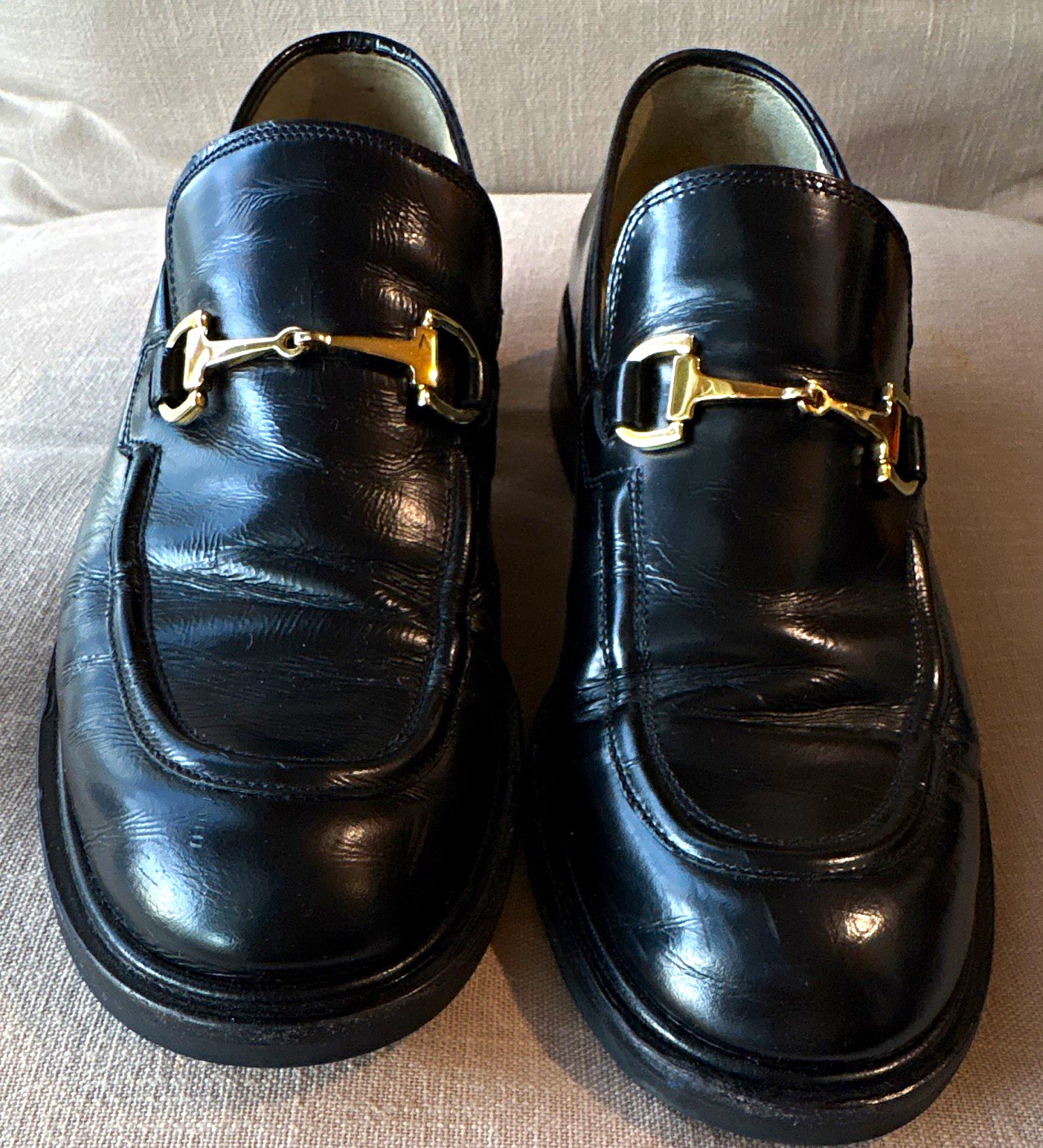
Vintage Gucci Women’s Black Leather Horsebit Loafers Size 8 B Gold 100 0455
designer-bags
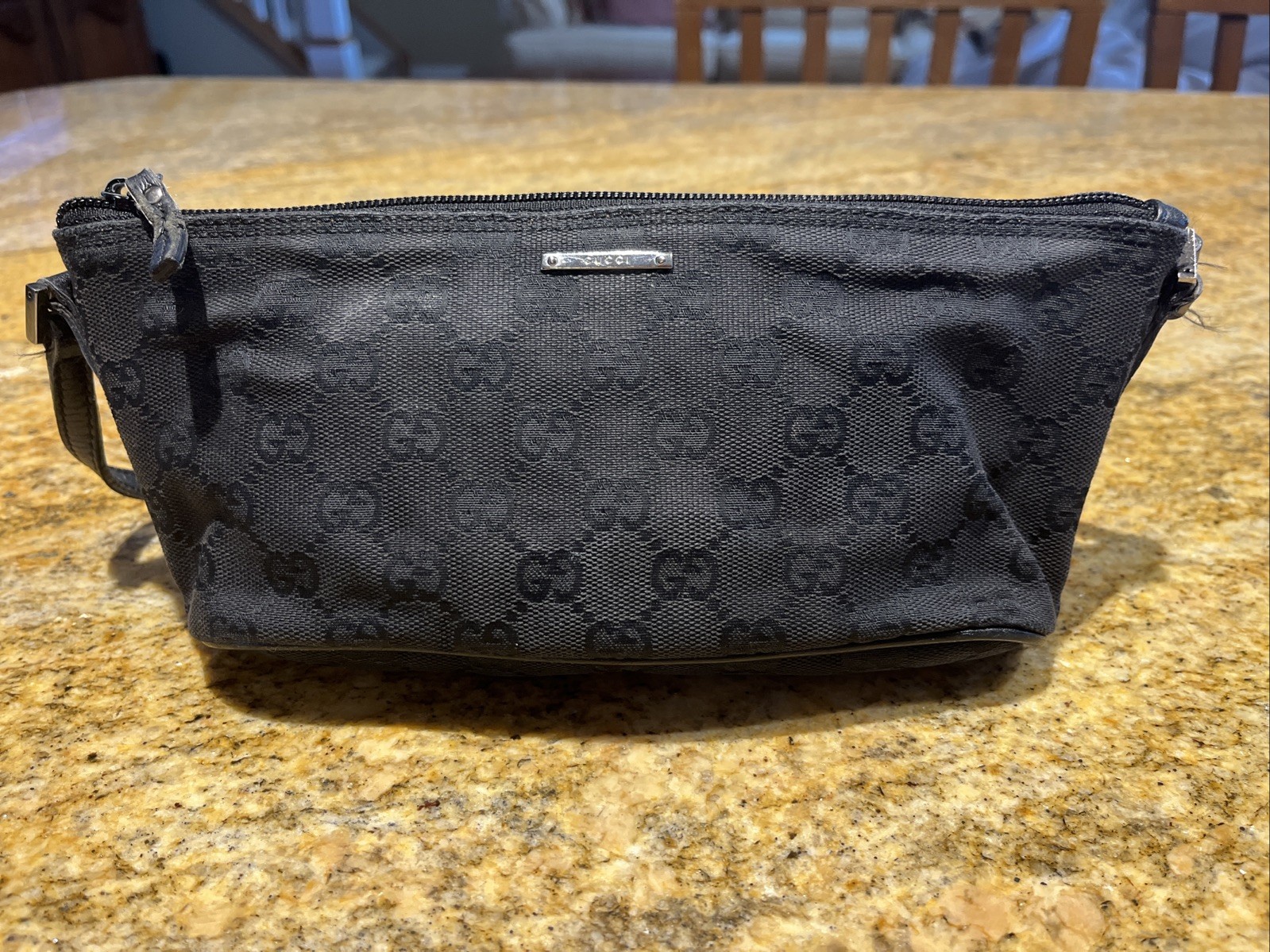
Gucci Women’s Black GG Monogram Canvas Boat Pocketed Vintage Bag Purse
designer-bags
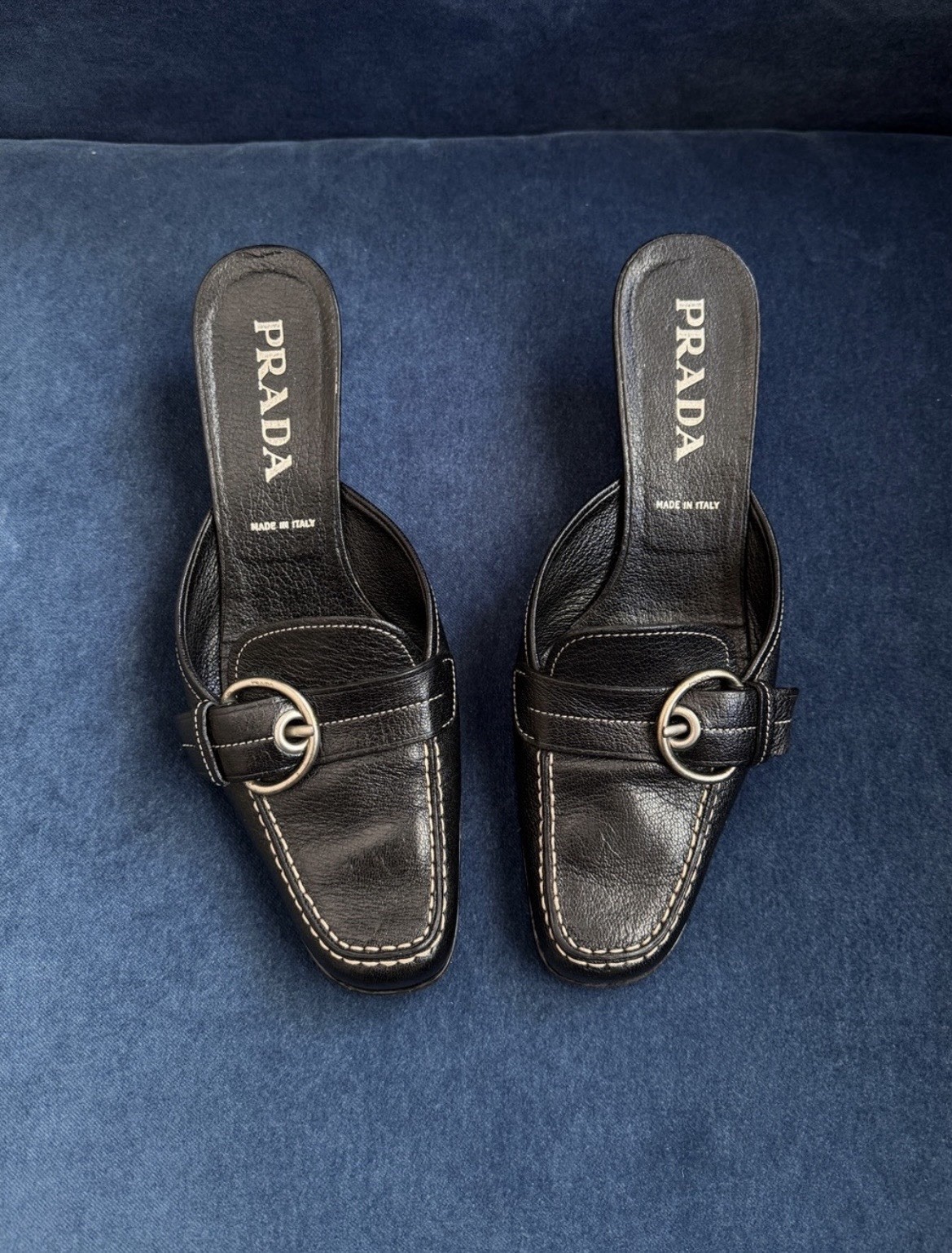
Vintage 90s Prada mules kitten loafers buckle black 38.5 1990s
designer-bags
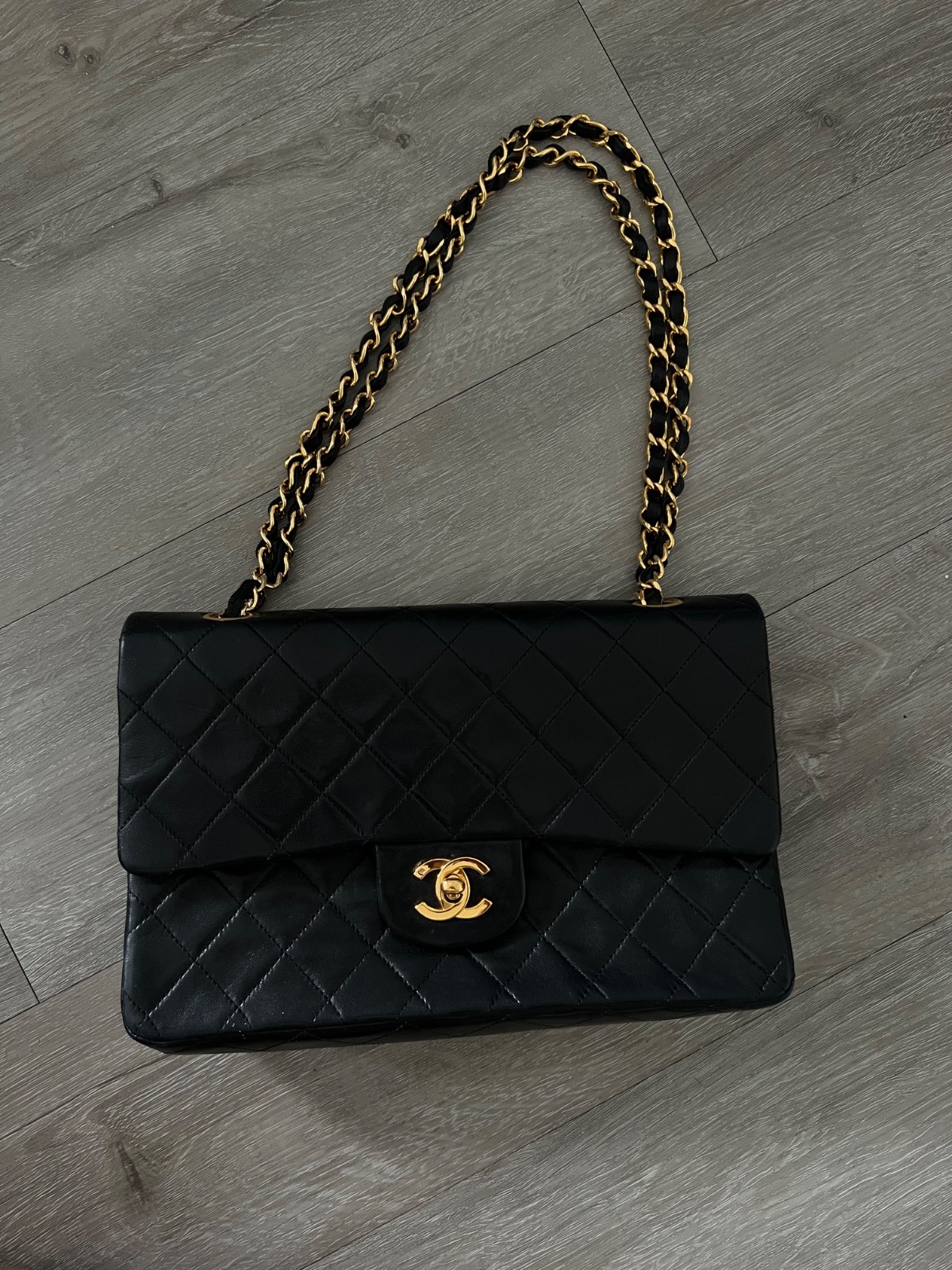
Chanel Vintage Classic Double Flap Bag Quilted Lambskin Medium
The names
The designers behind the look
The minds behind this story — each with a piece currently on the market.
Gucci
Italy · 1920s
The bamboo handle & the double-G
The bamboo handle & the double-G
Top piece
View →
Chanel
France · 1910s
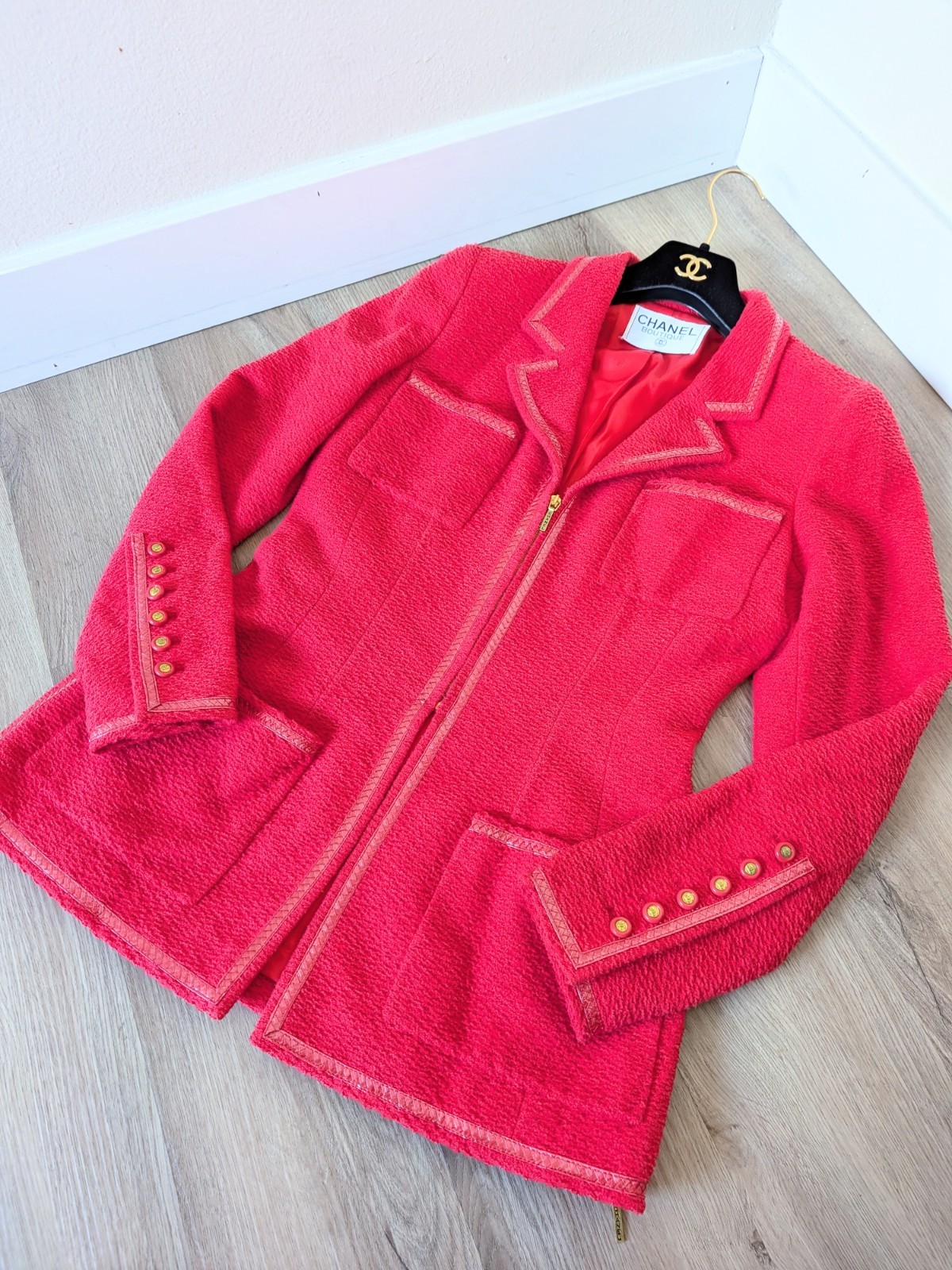
The little black dress & the 2.55
The little black dress & the 2.55
Top piece
View →
Prada
Italy · 1910s
Nylon & intellectual minimalism
Nylon & intellectual minimalism
Top piece
View →
Armani
Italy · 1970s
The power suit & soft tailoring
The power suit & soft tailoring
Top piece
View →
Continue the edit
Further stories from the same world
Three more walks through the same vintage universe.
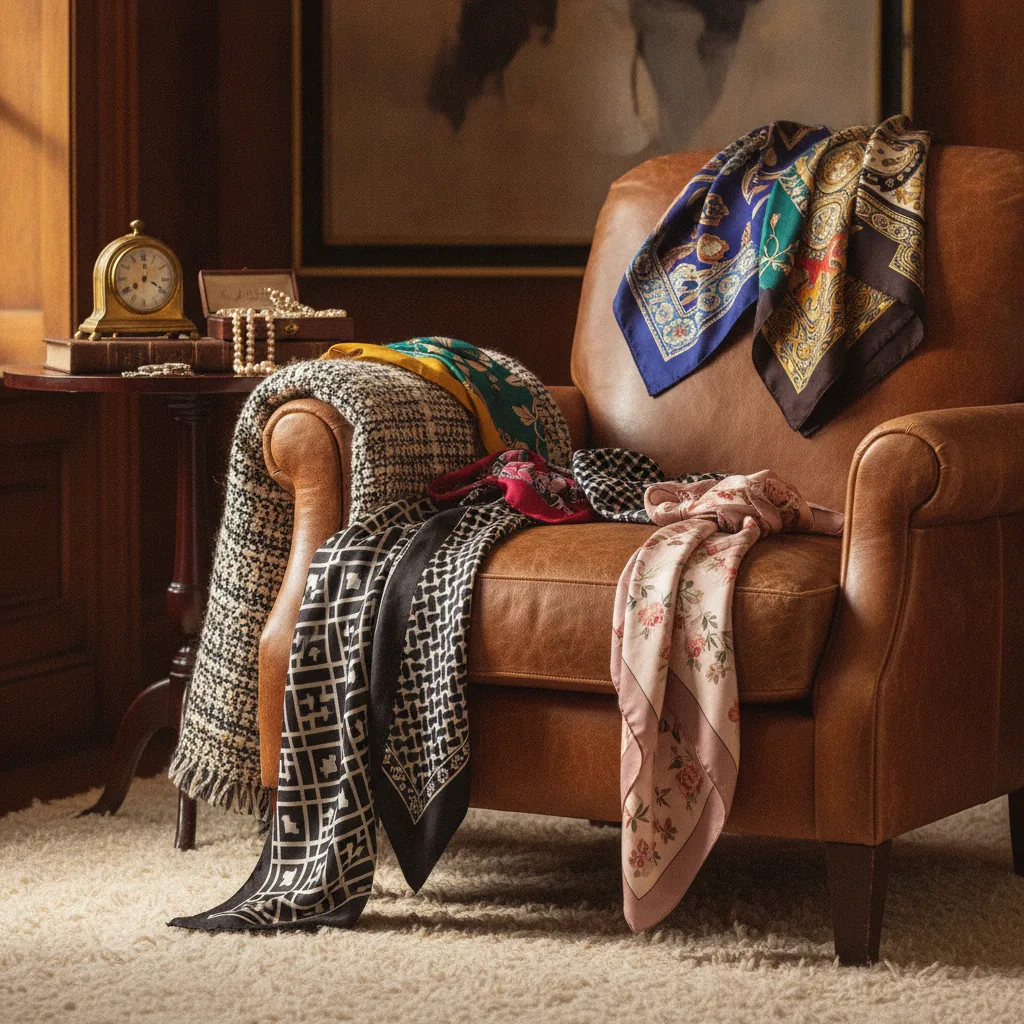
The Silk Scarf That Wears You Back
A vintage Gucci silk scarf is a tool for living. Here is how to tie one on, what to look for, and why the best ones still cost less than a decent dinner.
Read the story →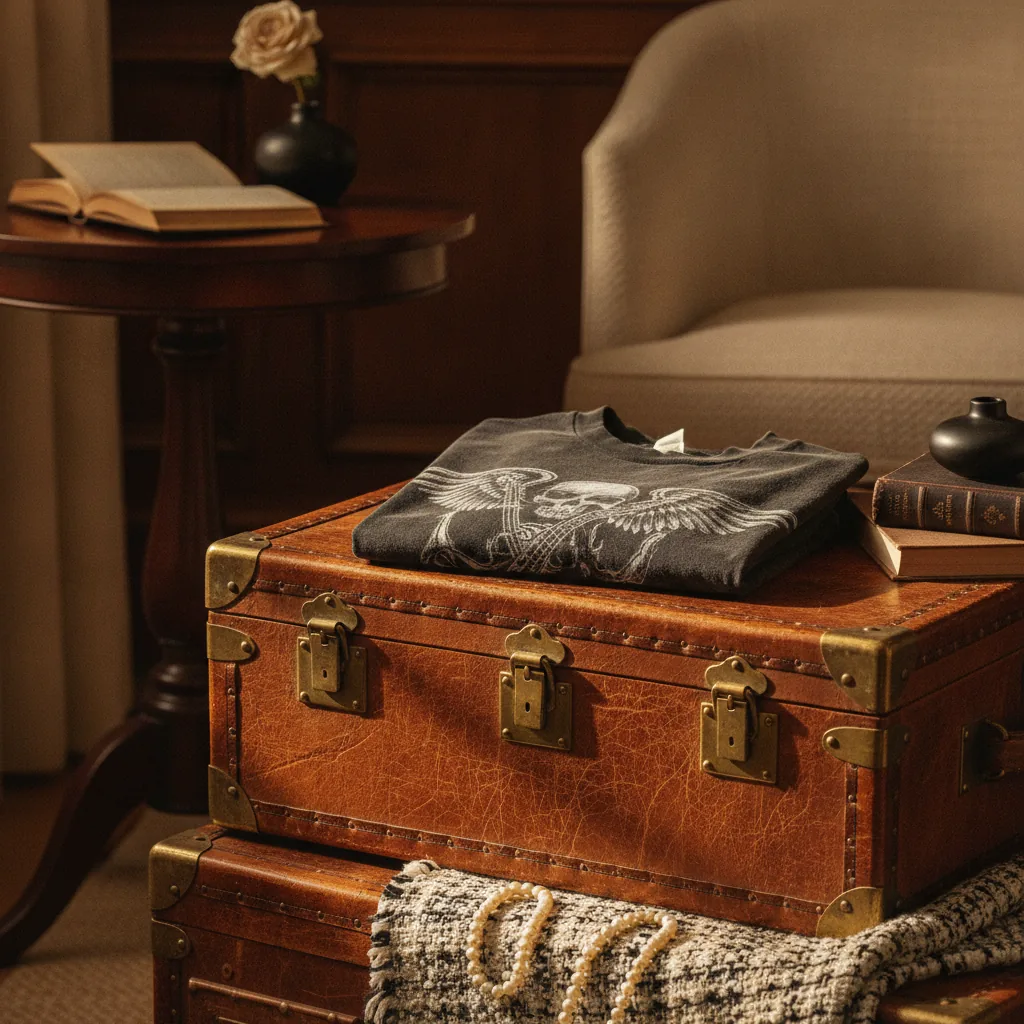
The Art of Wearing Vintage Band T-Shirts
A guide to styling, sourcing, and understanding vintage band tees, for the wearer who values history and fit over hype.
Read the story →The Vintage Designer Bag You'll Actually Wear
A Fendi Baguette from 1999, a Versace Medusa clutch from 1992, a Chanel quilted lambskin from 1985. These are clothes, not investments. Here is how to wear them without looking like a museum docent, and what to check before you hand over your card.
Read the story →