
 Sign in
🔥 Fashion · Berlin
The Berlin Leather Jacket: A Love Story
Berlin has a way of turning clothes into armor. And no garment does that better than a vintage leather jacket. On U-Bahn platforms, in Kreuzberg bars, at flea markets along the Spree, it's the uniform of those who've lived a little and want their clothes to show it.
 By Louis Trash·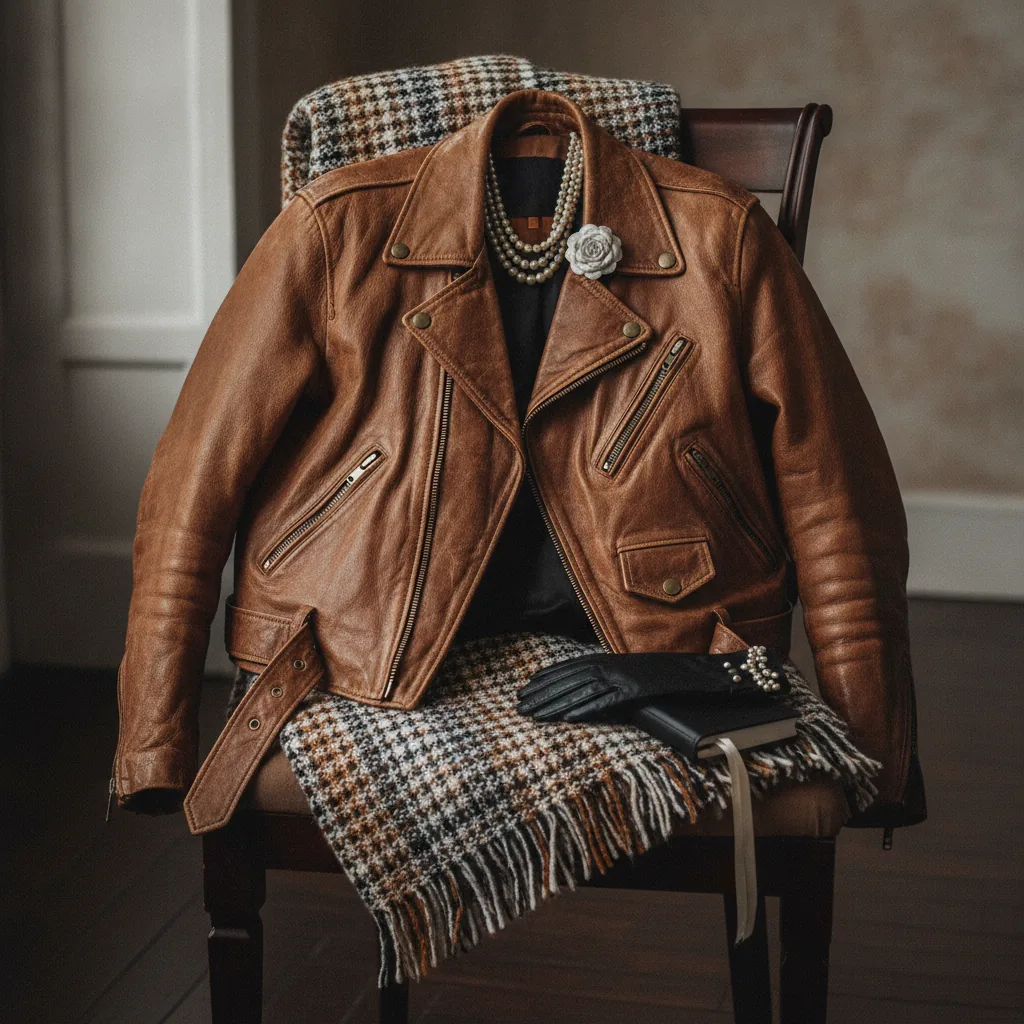
The Berlin Leather Jacket: A Love Story
Berlin has a way of turning clothes into armor. And no garment does that better than a vintage leather jacket. On U-Bahn platforms, in Kreuzberg bars, at flea markets along the Spree, it's the uniform of those who've lived a little and want their clothes to show it. But a true vintage jacket isn't just about looks. It's about character, imperfections, and the stories stitched into every seam.
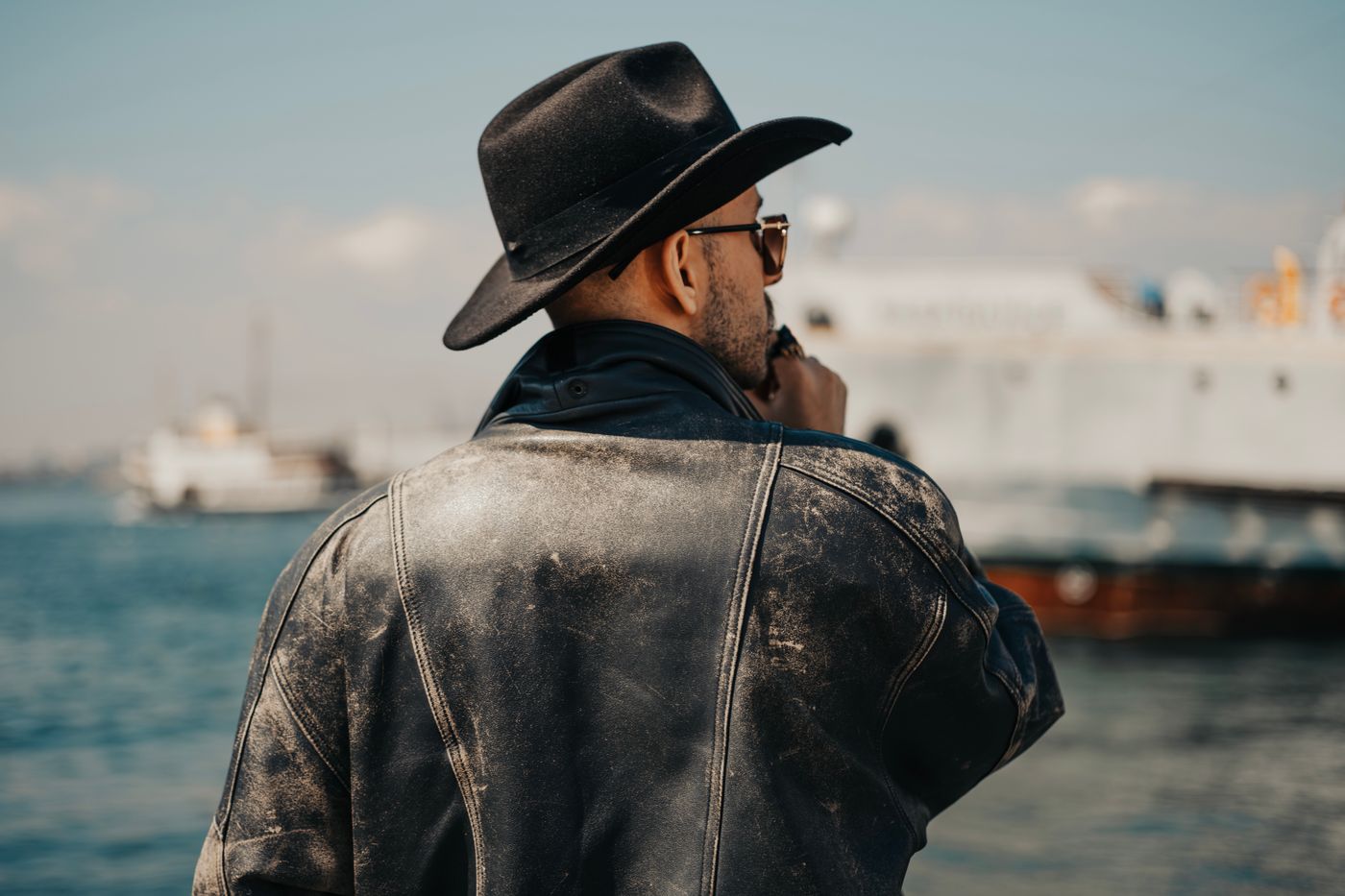
Foto: Wolrider YURTSEVEN · Pexels
The Hunt: Where to Look and What to Avoid
Start your search at Mauerpark flea market on a Sunday. Arrive early, before the tourists, and you'll find racks of leather jackets among the vinyl records and old cameras. The sellers know what they have, but they also know that a jacket that's been sitting all day is a jacket they want to move. Haggle politely. Cash speaks.
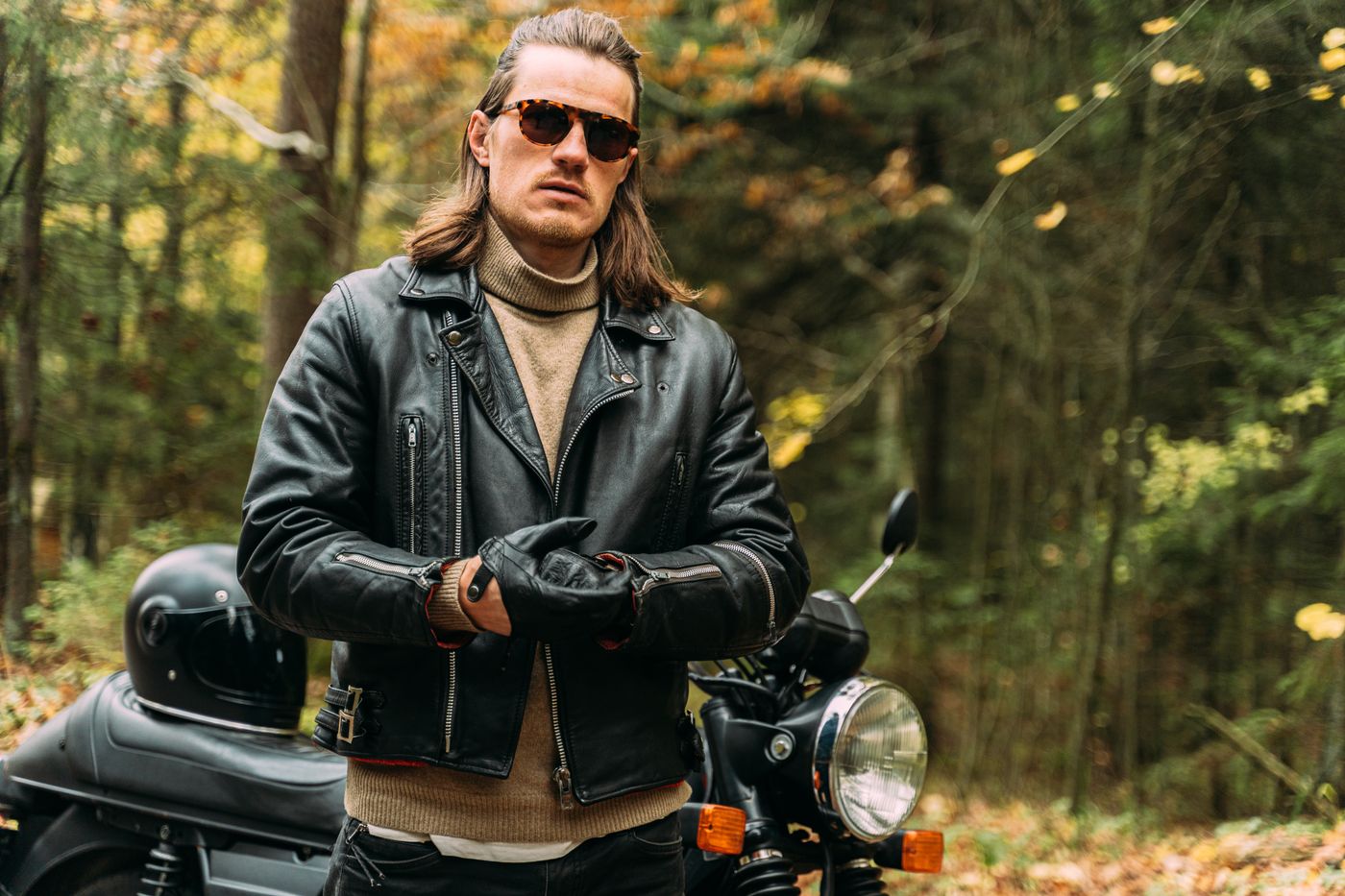
Foto: Antoni Shkraba · Pexels
Another spot is the Humana on Nollendorfplatz. It's a chain, but the selection is deep, and they rotate stock constantly. I once found a 1970s German-made jacket there for €40. The leather was buttery, the zipper was a chunky YKK, and it smelled faintly of someone else's life. I wore it for a decade.
Avoid the vintage boutiques in Mitte. They've already done the curation, and they charge for it. A jacket that costs €300 at a flea market will be €800 there. Unless you're desperate for a specific piece, save your euros.
The Leather: What to Feel and What to Avoid
When you're hunting for a jacket, forget about pristine. You want one that's been broken in, that feels like it's already had a life. Look for leather that's soft and supple, not stiff or dry. Run your fingers over the surface; you should feel grain, not plastic. Check the lining for tears and the zippers for smooth action. A little wear is fine, but avoid cracks or peeling, which are signs of decay, not character.
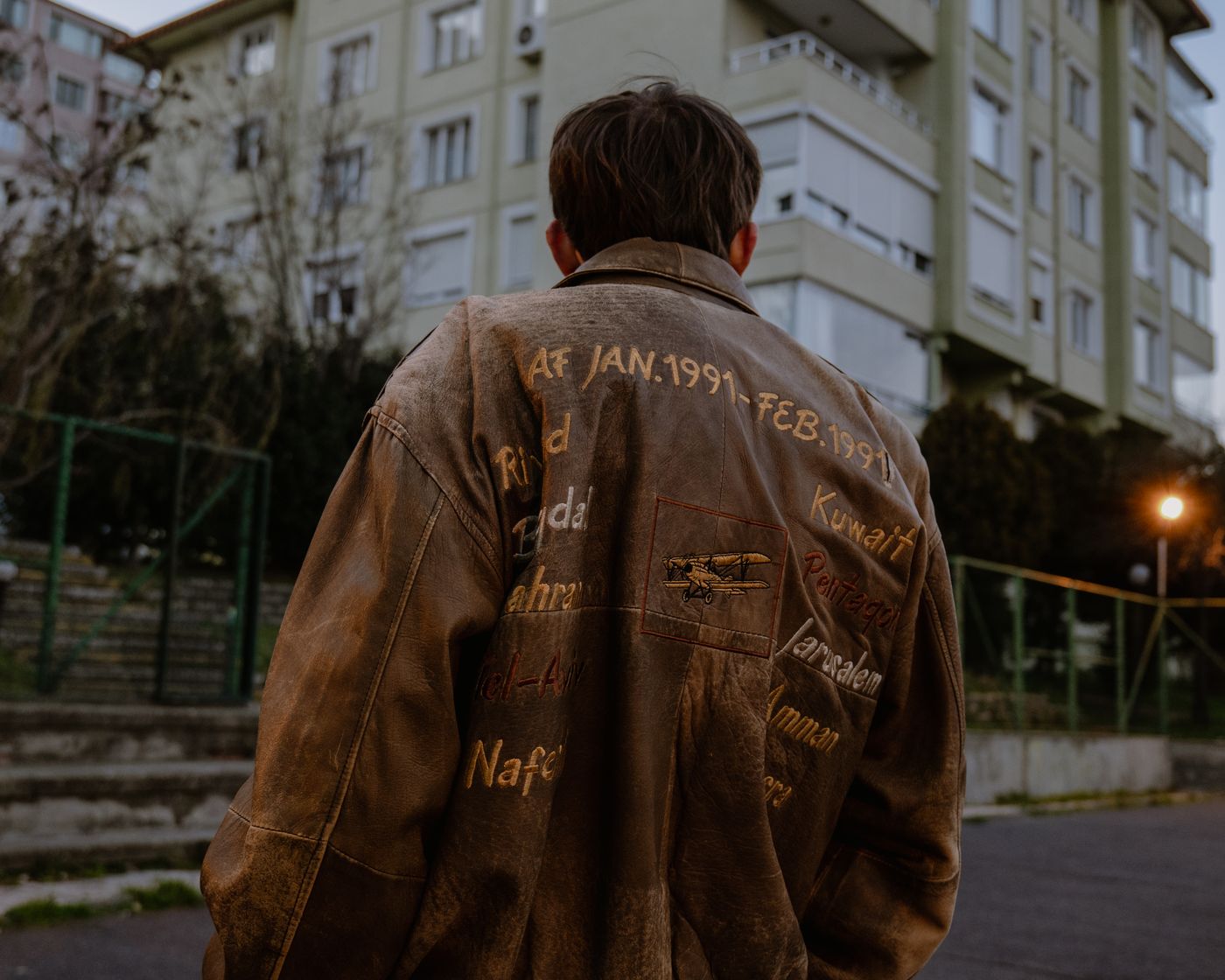
Foto: Ayberk Mirza · Pexels
Lambskin is soft and lightweight, but it tears easily. Goatskin is tough and grainy. Cowhide is the workhorse, heavy and durable. For Berlin's weather, a mid-weight cowhide or goatskin is ideal. It'll keep you warm without feeling like a suit of armor.
The Cut: Biker vs. Bomber
Now, the cut. In Berlin, we favor the classic biker jacket, the one with the asymmetrical zip and the notched lapels. It's a silhouette that's been around since the 1920s, and it never fails to make a statement. But don't overlook the bomber, especially if you want something a bit more understated. The key is fit. The shoulders should sit exactly at your own, and the sleeves should end at your wrists. A jacket that's too big will swallow you; too small, and you'll look like you're wearing a child's coat.
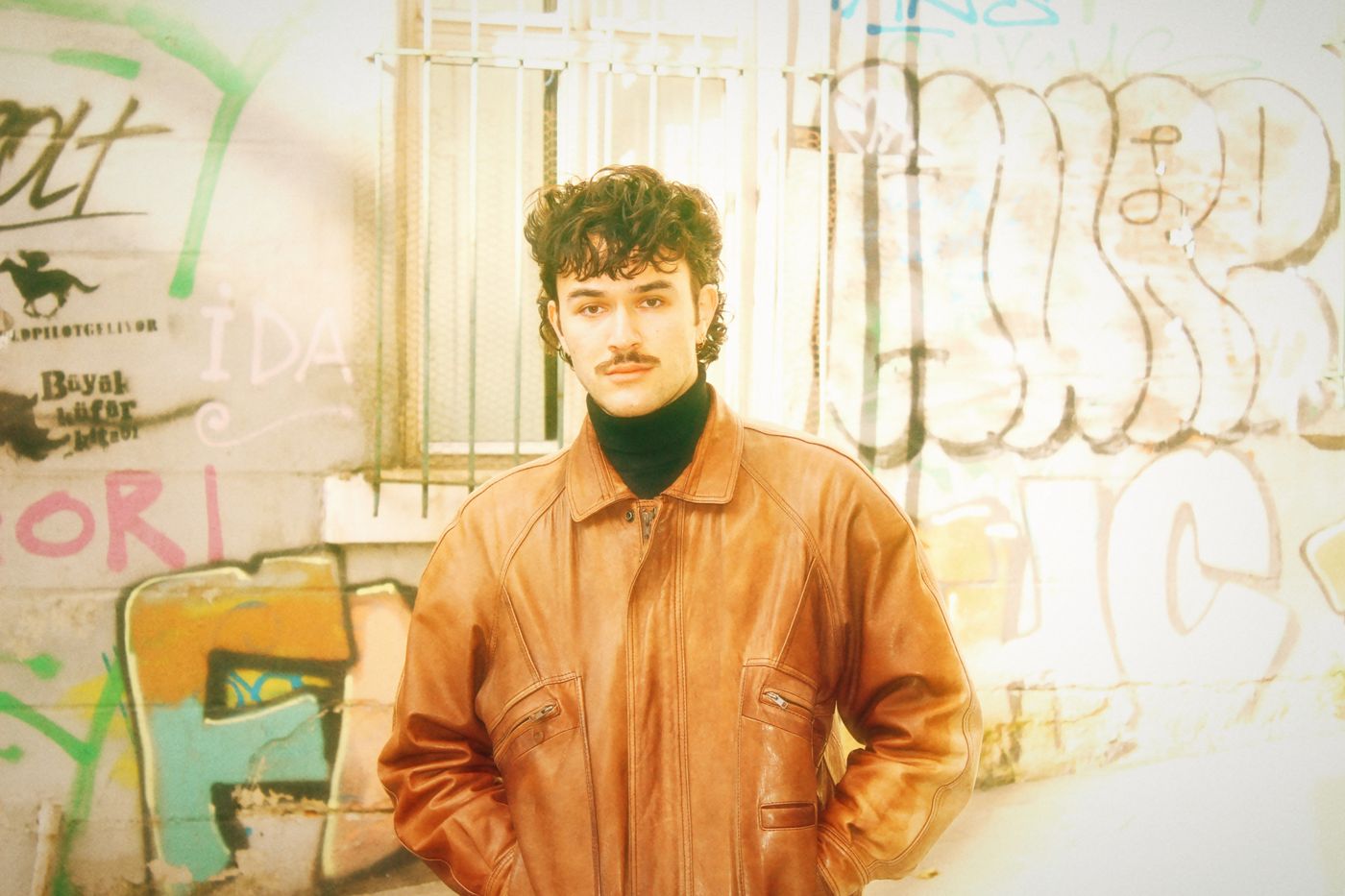
Foto: damla selen demir · Pexels
Try on sizes you wouldn't normally consider. Vintage sizing runs small. A modern men's medium might be a vintage 40. Don't be afraid to ask the seller to measure the pit-to-pit and sleeve length. It's better to know before you buy.
Era and Labels: The Stories in the Stitching
Era matters, too. The 1970s gave us the golden age of leather, with jackets that were often unlined and cut close to the body. Look for labels like Schott, which made jackets for the original rebels, or for European brands like Belstaff, known for their waxed cotton and leather racing jackets. A 1970s Schott Perfecto is the holy grail, with its nickel hardware and the iconic "Perfecto" patch on the front. It's the jacket that Marlon Brando wore in "The Wild One," and it still carries that rebellious spirit.
I once owned a Belstaff Trialmaster from the 1980s. It was waxed cotton, not leather, but it had the same aura. The previous owner had clearly used it for motorcycle touring. There was a patch from a rally in the Alps and a small tear on the sleeve, repaired with a leather patch. I bought it for €150 at a flea market in Friedrichshain. It felt like inheriting someone else's memories.
German-made jackets from the 1970s are also worth seeking out. Brands like Bader or Rohde. They're less famous than Schott, but the quality is solid. Look for the label inside the pocket. If it says "Made in West Germany," you've got a piece of history.
The Living Thing: Wear It, Don't Store It
But here's the thing: a vintage leather jacket isn't just a piece of clothing. It's a living thing. It absorbs your scent, your movements, your city's damp air. It gets scratched in crowded bars and stained by rain. And each mark tells a story. In Berlin, we wear our history on our sleeves, literally.
I've had my current jacket, a 1970s Schott, for twelve years. It's been through three relationships, two jobs, and countless nights at the Berghain. The lining is frayed, the zipper is temperamental, and there's a stain on the left cuff from a spilled beer at a punk show. I wouldn't trade it for anything.
The Final Word: Your Story, Not a Trend
So, when you find the right one, don't just buy it. Wear it everywhere. Let it become a part of you. Because in this city, a leather jacket isn't just an item. It's a companion. It's the thing you reach for when the wind picks up and the sky turns grey. It's the armor you put on to face the day. And it's the story you'll tell, every time someone asks, "Where did you get that?"
The names
The designers behind the look
The minds behind this story — each with a piece currently on the market.
Schott
USA · 1910s
The Perfecto motorcycle jacket
The Perfecto motorcycle jacket
Avirex
USA · 1970s
The vintage bomber
The vintage bomber
Børge Mogensen
Denmark · 1940s
The Spanish chair — honest, functional furniture for everyday life.
The Spanish chair — honest, functional furniture for everyday life.
Adidas
Germany · 1940s
The three stripes & the Samba
The three stripes & the Samba
Continue the edit
Further stories from the same world
Three more walks through the same vintage universe.

The Vintage Designer Bag You'll Actually Wear
A Fendi Baguette from 1999, a Versace Medusa clutch from 1992, a Chanel quilted lambskin from 1985. These are clothes, not investments. Here is how to wear them without looking like a museum docent, and what to check before you hand over your card.
Read the story →The Art of the Carry: Wearing Vintage Designer Bags
Vintage designer bags are not relics. They are the original statement pieces, waiting for a modern hand. Here's how to wear them with intent, buy them with confidence, and know the stories they carry.
Read →
The Art of Wearing Vintage Band T-Shirts
A guide to styling, sourcing, and understanding vintage band tees, for the wearer who values history and fit over hype.
Read →