
 Sign in
✦ Culture · Berlin
The Berlin Blazer: A Tale of Sharp Shoulders and Quiet Rebellion
I once watched a woman in a 1980s Thierry Mugler blazer order a coffee at a Späti in Kreuzberg. The jacket had shoulders that could have held up a building, a nipped waist, and a sheen that caught the fluorescent light.
 By Louis Trash·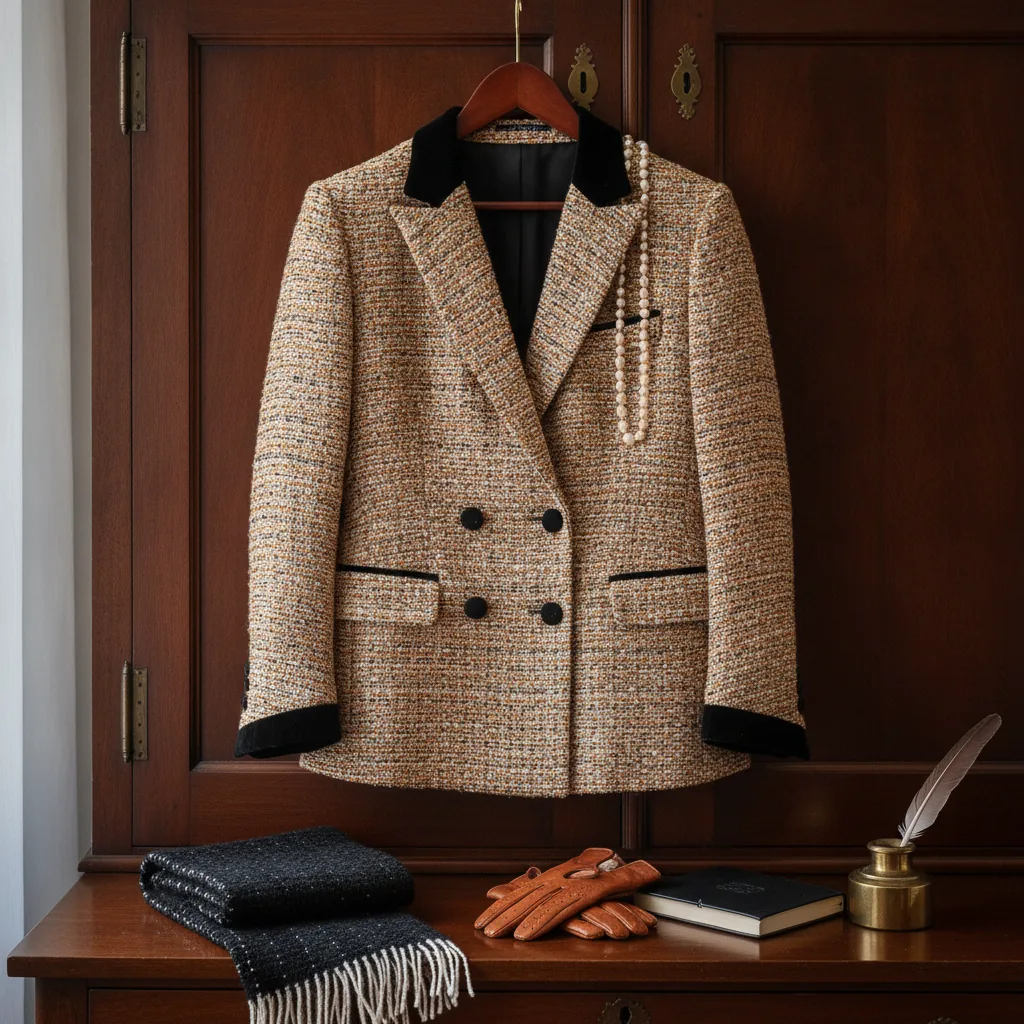
The Berlin Blazer: A Tale of Sharp Shoulders and Quiet Rebellion
I once watched a woman in a 1980s Thierry Mugler blazer order a coffee at a Späti in Kreuzberg. The jacket had shoulders that could have held up a building, a nipped waist, and a sheen that caught the fluorescent light. She wore it with ripped jeans and scuffed Dr. Martens. The cashier didn't blink. In Berlin, that’s the point. A blazer here isn’t corporate armor. It’s a personal manifesto, stitched and structured.

Foto: Liudmyla Shalimova · Pexels
The city has a way of taking a classic and twisting it until it tells a different story. On any given Sunday, at flea markets like Mauerpark or Nowkoelln Flowmarkt, you’ll see vintage blazers draped over racks, waiting for someone to claim them. They come from dead relatives' wardrobes, from estate sales in former East Berlin, from designers who once dressed power women in Frankfurt and Munich. The best ones carry a quiet defiance: sharp shoulders that say, “I’ll play the game, but on my terms.”
The Shoulder: Power Dressing’s Lasting Legacy
Forget the label. Forget the size tag. When you pick up a vintage blazer in Berlin, put your hands on the shoulders. A strong, structured shoulder is the hallmark of a great find. Think 1986 to 1992, when power dressing hit its peak. Designers like Thierry Mugler and Claude Montana built silhouettes that were almost architectural. Mugler’s jackets had shoulders that jutted out like ledges, with a nipped waist that made the whole thing feel like a corset with authority. Montana’s were broader, more aggressive, but always precise.
I’ve owned a Claude Montana blazer from 1988 for eight years. It’s a deep navy wool, with shoulders that add four inches to my frame. The lapels are wide and peak, and the buttons are heavy, dark horn. I paid 45 euros for it at a Humana on Frankfurter Allee. It’s been to gallery openings, to protests, to a funeral. It still makes me stand straighter. That’s what a good vintage blazer does: it changes your posture, your tone, the way you ask for a coffee.
The Hunt: Where to Look and What to Pay
Berlin’s second-hand scene is vast, but you have to know where to dig. In Prenzlauer Berg, shops like Garage and Picknweight have curated racks, but expect to pay 80 to 150 euros for a decent 80s blazer. In Friedrichshain, the flea market at Boxhagener Platz is a goldmine if you get there early. I’ve found a 1970s Yves Saint Laurent blazer in muted plaid for 30 euros there. It had the perfect shoulders—slightly exaggerated, but not cartoonish—and a nipped waist. The lining was a deep burgundy silk, and the buttons were real mother-of-pearl. It felt like wearing a piece of art, but it cost less than a round of drinks for four.
Don’t ignore the charity shops. In Neukölln, places like Sozialkaufhaus or Oxfam often have hidden gems. The key is to check the lining. A beautiful silk or viscose lining, maybe with a bold pattern, is a sign of quality. It’s a secret luxury, something only you and the person who sold it will know. Check the buttons too. They should feel substantial, not cheap plastic. And don’t be afraid of a little wear at the elbows or cuffs. That’s character. It tells the story of the person who wore it before you.
The 1970s: Softer Shoulders, Wider Lapels
But not every great vintage blazer is about power. The 1970s gave us a different kind of jacket: softer shoulders, wider lapels, a more relaxed cut. Think of it as the bohemian cousin of the 80s power blazer. These are perfect for a more artistic vibe, especially when paired with wide-leg trousers or a flowing dress. I have a 1975 Woolrich blazer in a muted rust color, with a single button and a gentle drape. It’s not structured at all, but it hangs beautifully, almost like a cardigan with a collar. I wear it with a white t-shirt and raw denim, and it feels like a nod to Berlin’s own history of artistic freedom and experimentation.
The 70s blazers are also more forgiving. They don’t demand a certain posture. They just flow. If you’re new to vintage blazers, start there. They’re easier to wear, and they pair well with almost anything. But if you want the real Berlin statement, go for the 80s. The shoulders do the talking.
How to Wear It: The Berlin Rules
There are no rules, of course, but there are a few unspoken guidelines. First, never wear a vintage blazer with matching trousers. That’s a suit, and suits are for tourists or bankers. Instead, pair a sharp, dark wool blazer with faded jeans and worn-in boots. The contrast is what makes it work: polished on top, scuffed below. Or throw a velvet blazer over a simple t-shirt and a long skirt for a night out in Neukölln. Velvet is a Berlin favorite, especially in deep greens or burgundies, and it adds a touch of drama without being costume-y.
Second, don’t try too hard. A little bit of wear, a slightly wrinkled sleeve, that’s part of the charm. If you buy a blazer that looks brand new, it will look like you’re dressing up. The beauty of vintage is the imperfection. It says, “I’ve lived a little, and so has this jacket.”
Third, let the blazer find you. I know that sounds mystical, but it’s true. When you’re digging through racks, don’t just grab the first thing that fits. Take your time. Try on a few. Walk around in them. Feel how they move. The right one will feel like it was made for you, even if it’s a size too big or too small. I once spent two hours in a flea market in Friedrichshain, trying on blazers, and the one I bought wasn’t even on my radar. It was a 1980s Hugo Boss, grey with a subtle herringbone pattern, and it cost 25 euros. It’s still in my rotation.
The Quiet Rebellion
Ultimately, the vintage blazer in Berlin is about individuality. It’s a way to dress with intention, to wear a piece of the past that speaks to who you are today. It’s not about looking like you stepped out of a boardroom; it’s about wearing a piece of history on your own terms. The city has survived wars, division, and reunification, and its fashion reflects that. A blazer in Berlin is a symbol of resilience, of breaking the rules while looking sharp as hell.
So next time you’re out exploring the city’s vintage corners, take your time. Dig through the racks at Mauerpark, check the lining, feel the shoulders. And when you find that perfect jacket, wear it like you mean it. Because in Berlin, a blazer isn’t just a jacket. It’s a statement, and the shoulders do the talking.
Get the look
Get the look
The pieces that make this story wearable, live from the market.
The names
The designers behind the look
The minds behind this story — each with a piece currently on the market.
Armani
Italy · 1970s
The power suit & soft tailoring
The power suit & soft tailoring
Top piece
View →
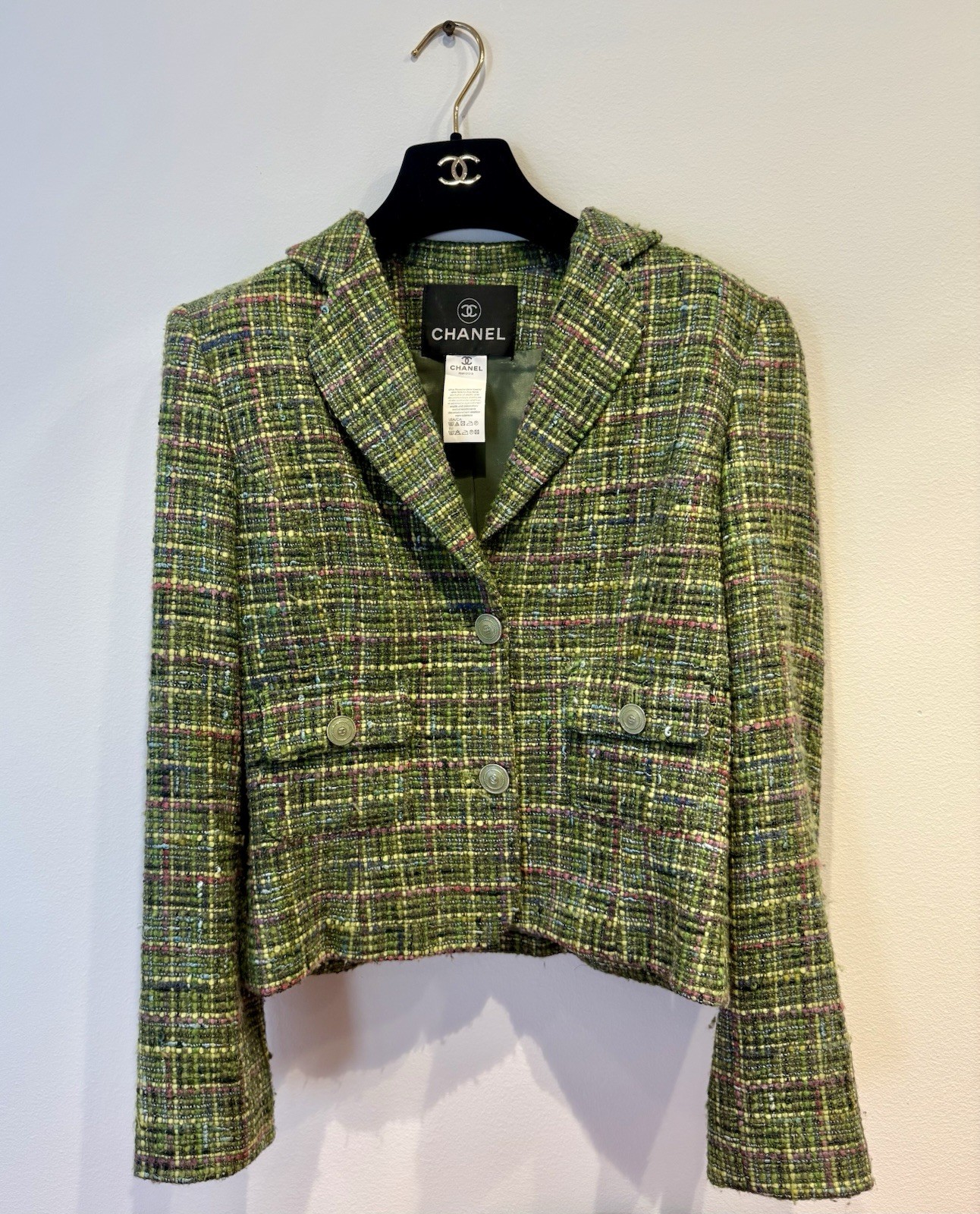
Chanel
France · 1910s
The little black dress & the 2.55
The little black dress & the 2.55
Top piece

View →
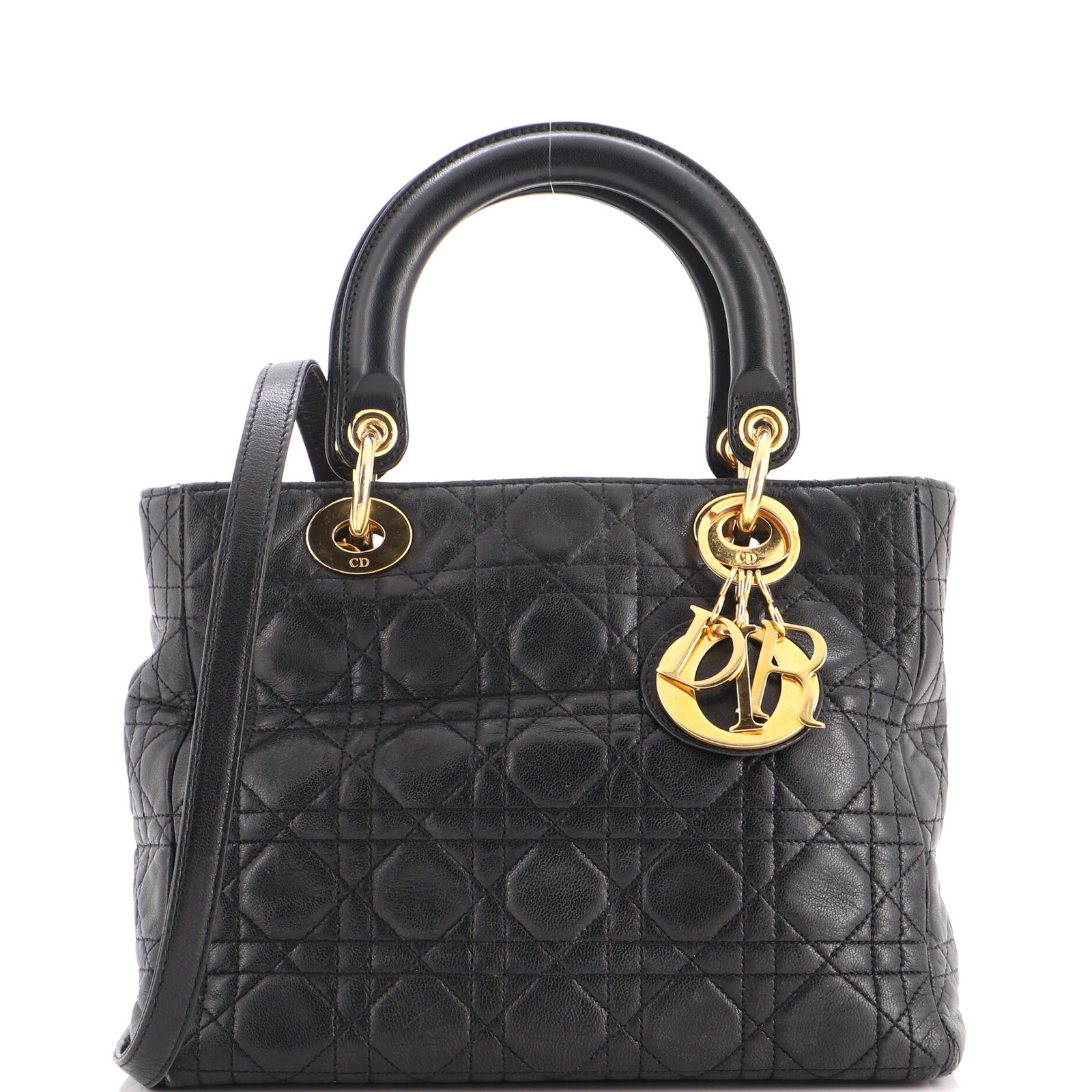
Dior
France · 1940s
The New Look & the Lady Dior
The New Look & the Lady Dior
Top piece
View →
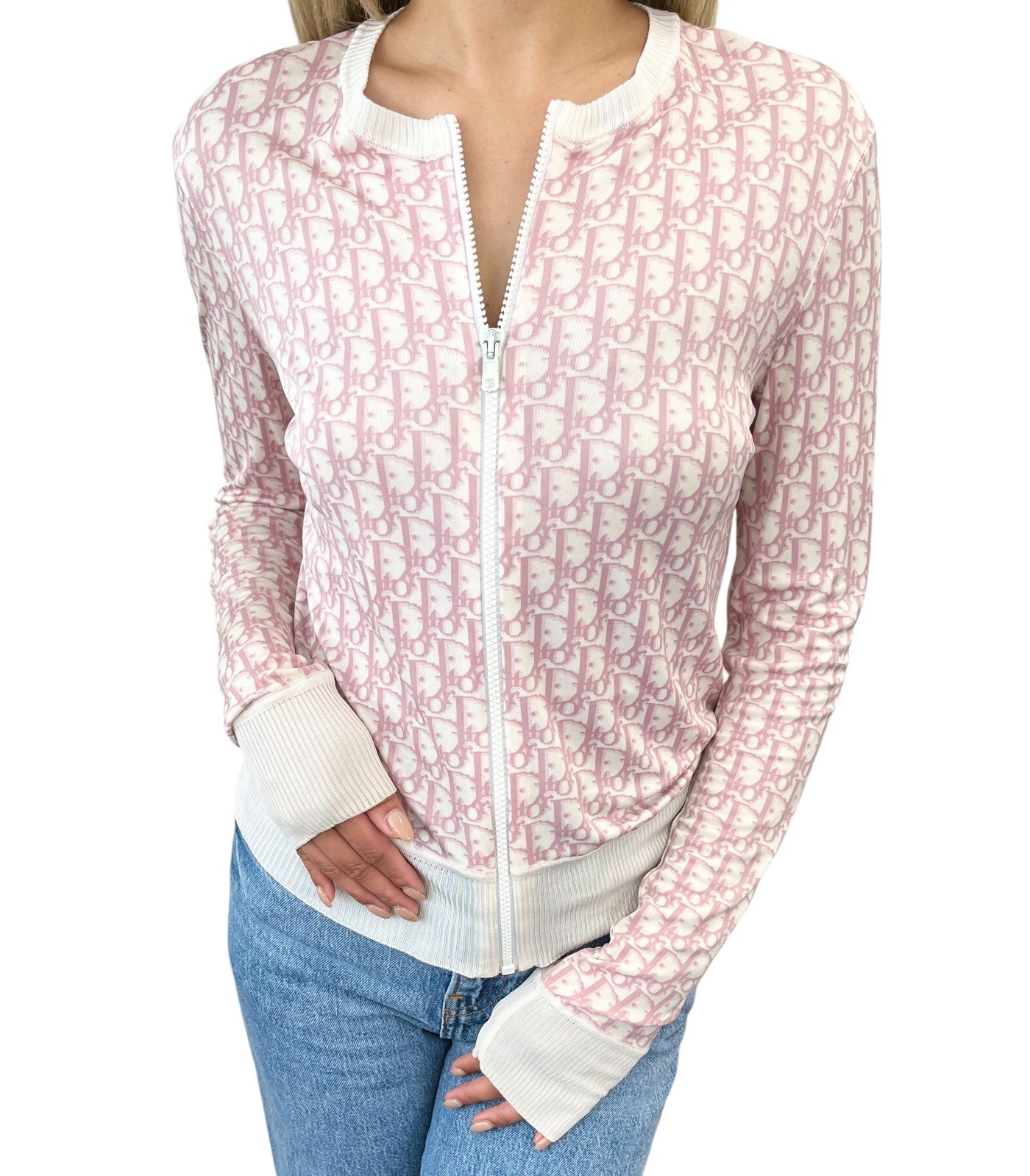
Levi's
USA · 1850s
The 501 & Americana denim
The 501 & Americana denim
Top piece
View →
Continue the edit
Further stories from the same world
Three more walks through the same vintage universe.

The Vintage Designer Bag You'll Actually Wear
A Fendi Baguette from 1999, a Versace Medusa clutch from 1992, a Chanel quilted lambskin from 1985. These are clothes, not investments. Here is how to wear them without looking like a museum docent, and what to check before you hand over your card.
Read the story →The Art of the Carry: Wearing Vintage Designer Bags
Vintage designer bags are not relics. They are the original statement pieces, waiting for a modern hand. Here's how to wear them with intent, buy them with confidence, and know the stories they carry.
Read →
The Art of Wearing Vintage Band T-Shirts
A guide to styling, sourcing, and understanding vintage band tees, for the wearer who values history and fit over hype.
Read →