
 Sign in
✦ Culture · Barcelona
The Art of Wearing Vintage Jewelry: Art Deco to Givenchy
A guide to styling, sourcing, and understanding the era tells of vintage jewelry, from Art Deco geometry to Givenchy's gilded 1980s.
 By Louis Trash·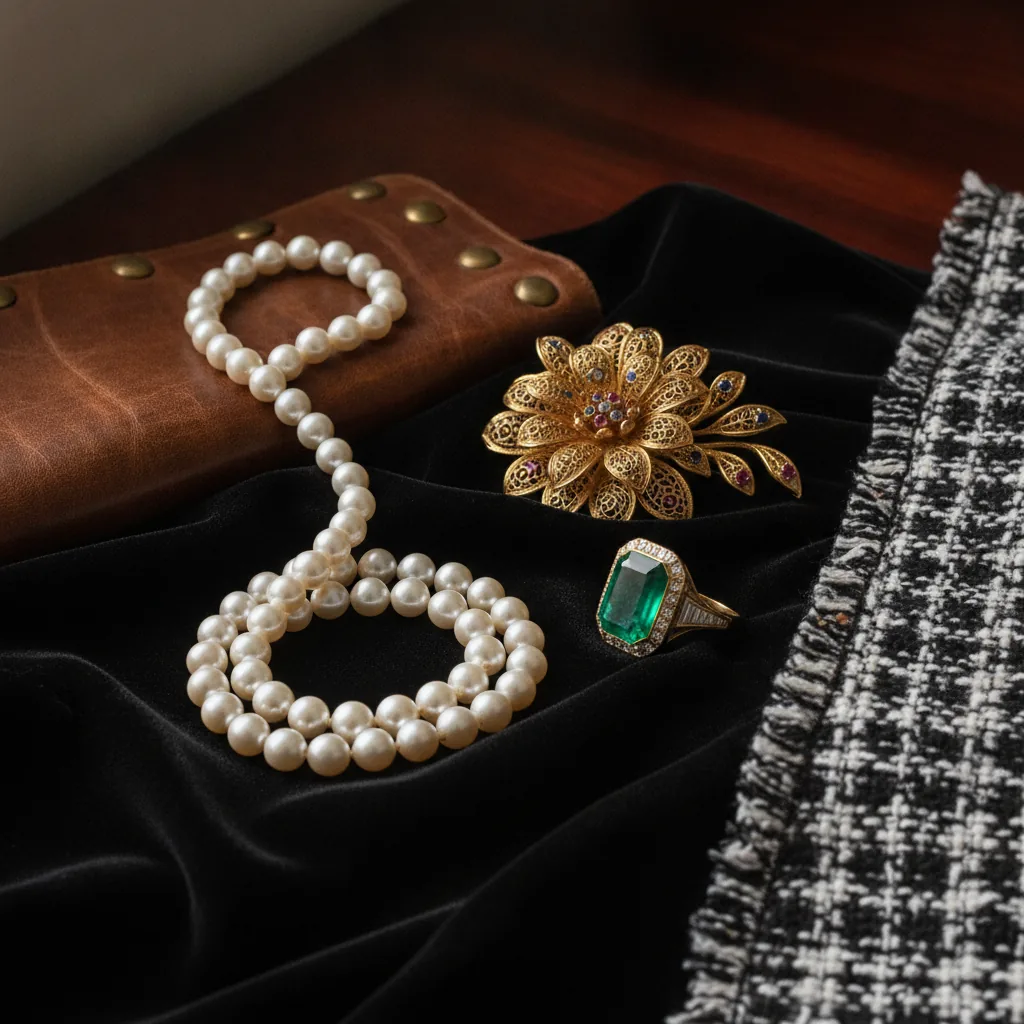
The Geometry of Now
A woman I know wears a 1925 Art Deco platinum brooch on the lapel of a plain navy blazer. She is 47, a creative director, and she bought the piece for $84.70 at a flea market in Paris. It is rock crystal and onyx, set in platinum. She wears it because it makes the blazer look like a decision. That is the point of vintage jewelry: it turns a basic into a point of view.
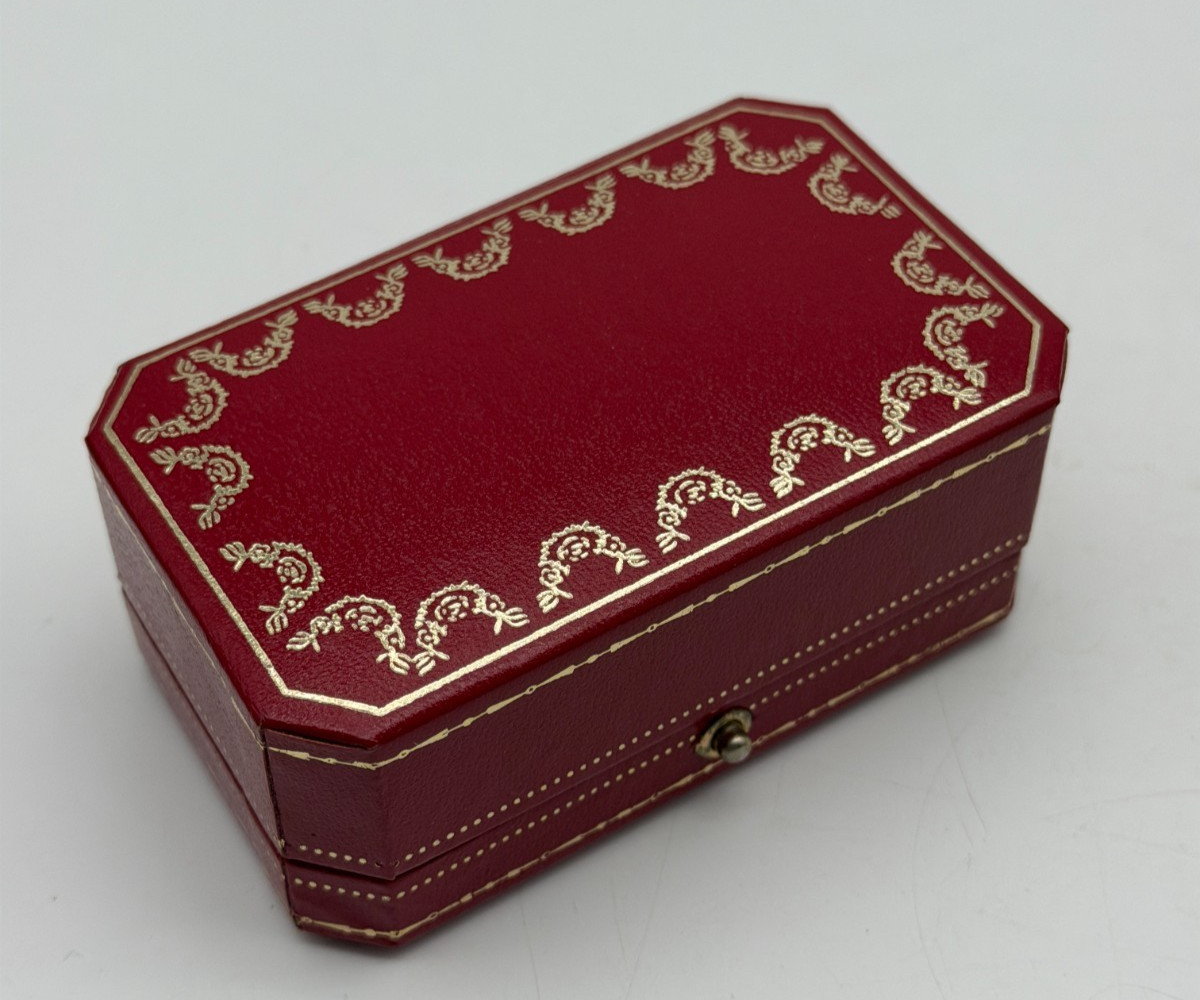
Art Deco jewelry, the kind that dominates the vintage market today, was born from a specific moment. In 1925, the Exposition Internationale des Arts Décoratifs et Industriels Modernes in Paris gave the style its name. The look was geometric, architectural, and unapologetically modern. It rejected the fussy floral motifs of the Belle Époque. Think of the Chrysler Building in miniature: stepped diamonds, chevrons, and bold color contrasts. The materials were often platinum, which allowed for delicate, almost invisible settings, and stones like onyx, coral, jade, and lapis lazuli. Diamonds were used, but so were less precious stones, because the design mattered more than the carat weight.
Styling the Past for the Present
The mistake people make with vintage jewelry is treating it as costume. It is the seasoning. A 1920s Art Deco diamond line bracelet, for instance, works best against a plain white shirt and dark trousers. Let the bracelet be the only shine. If you are wearing a Givenchy necklace from the 1980s, the kind with oversized faux pearls and gold-tone chains, keep the rest of your outfit quiet. A black turtleneck and jeans. The necklace does the talking.
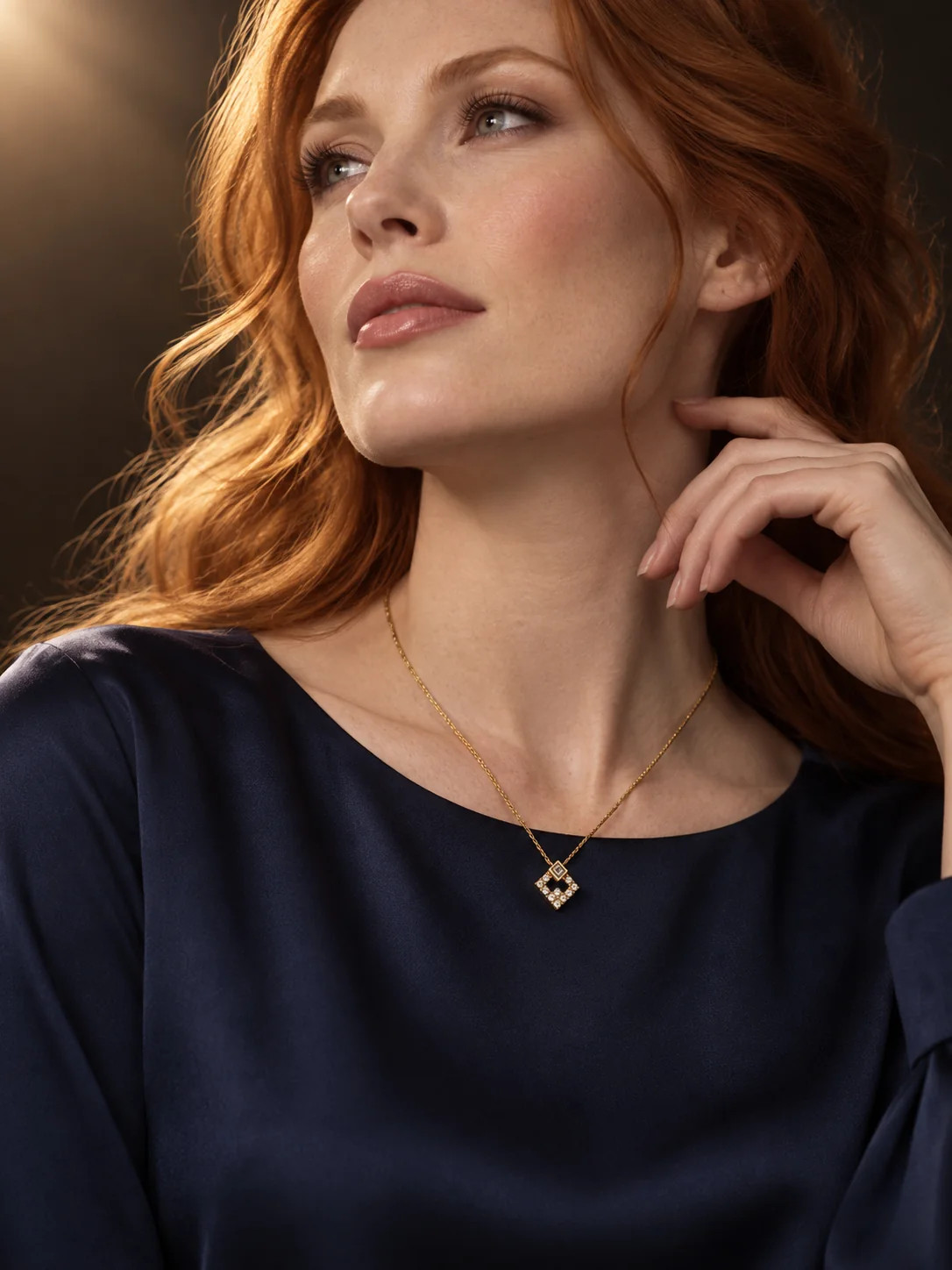
Proportion is everything. Art Deco pieces tend to be linear and delicate. They suit long necks and slim wrists. Givenchy, especially the costume jewelry from the 1970s and 1980s, is often bold and sculptural. It can overwhelm a petite frame if you are not careful. Balance a massive Givenchy cuff with a sleeveless dress, or wear a chunky Givenchy brooch on a heavy knit. The contrast of scale is what makes it modern.
Color is another tool. Art Deco often uses black and white, or black and green. Those pair well with a monochrome wardrobe. A pop of coral or lapis can echo a scarf or a shoe. Do not match too precisely. A hint is enough.
What to Look For When Buying
The first thing to check is the clasp. On Art Deco pieces, look for a tongue-and-groove clasp or a box clasp with a safety catch. If it is a simple spring ring, it is likely later. The metal should be platinum or a high-karat gold. If it is silver-toned and non-magnetic, it might be rhodium-plated, which is fine, but know what you are buying.
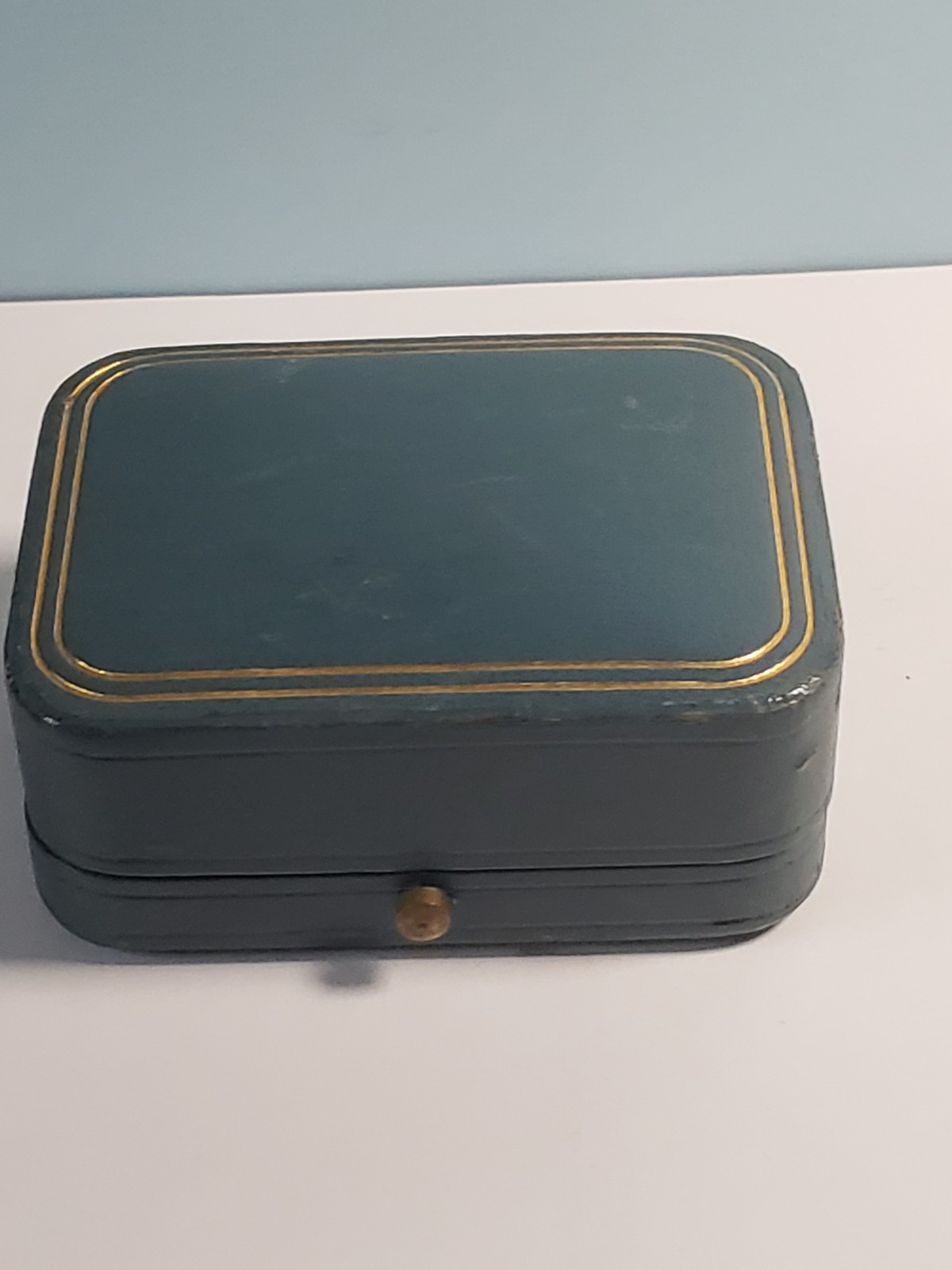
Stones should be set flush and secure. Art Deco jewelers were masters of the calibre cut, where stones are cut to fit a design like a puzzle. If you see gaps or glue, walk away. Signed pieces from houses like Cartier, Boucheron, or Van Cleef & Arpels command a premium, but there are unsigned beauties. Look for the quality of the setting and the precision of the geometry.
For Givenchy, the era tells are in the markings. Hubert de Givenchy founded his house in 1952. The costume jewelry line took off in the 1970s under the direction of his licensee, and pieces from that era often have an oval plaque with "Givenchy" in script. Later pieces, from the 1980s, may have a block logo. The weight of the piece is a good indicator. Early Givenchy used heavy, gold-tone metal and glass pearls that have a realistic luster. If it feels light and plasticky, it is probably from the 1990s or a later reproduction.
The Women Who Wore It
Art Deco jewelry was made for the new woman of the 1920s. She cut her hair, raised her hemline, and smoked in public. She wore a long strand of pearls or a geometric brooch on a cloche hat. In 1926, the year before the first talking picture, Greta Garbo wore a diamond bracelet in The Temptress. The plot did not matter. The way the bracelet caught the light did. By the 1930s, Wallis Simpson, the Duchess of Windsor, became a patron of Art Deco jewelers. Her 1936 engagement ring from Cartier was a 19.77-carat emerald flanked by diamonds. It was bold, modern, and entirely her own.
Givenchy's moment came later, in the 1960s and 1970s. Audrey Hepburn, his muse, wore his designs in Breakfast at Tiffany's (1961) and Funny Face (1957). The jewelry in those films was often by other houses, but Hepburn's personal style made Givenchy a name. By the 1980s, Givenchy costume jewelry was everywhere. It was worn by women who wanted the look of luxury without the price. The pieces were bold, gold, and unapologetic. They were not trying to be real. They were trying to be fun.
The Closing Thought
A piece of vintage jewelry is a small history you can wear. It has survived. It has been worn to parties and funerals, to offices and dinners. It has been lost and found. When you put on a 1925 Art Deco brooch, you are continuing a story. That is why you buy it. To inhabit, not to invest. And that is the only reason that matters.
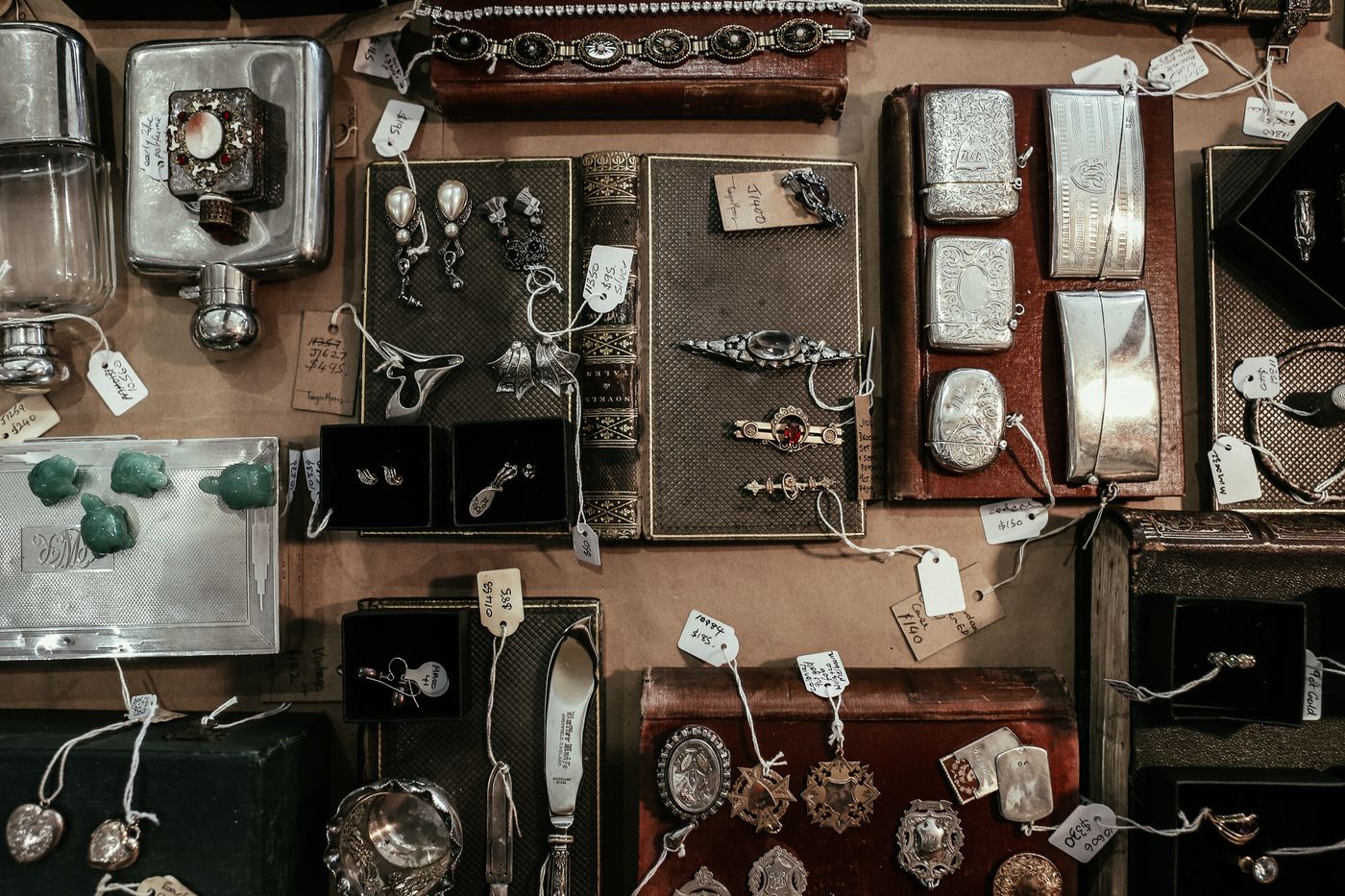
Foto: Rachel Claire · Pexels
 ✦ The Edit
One to watch
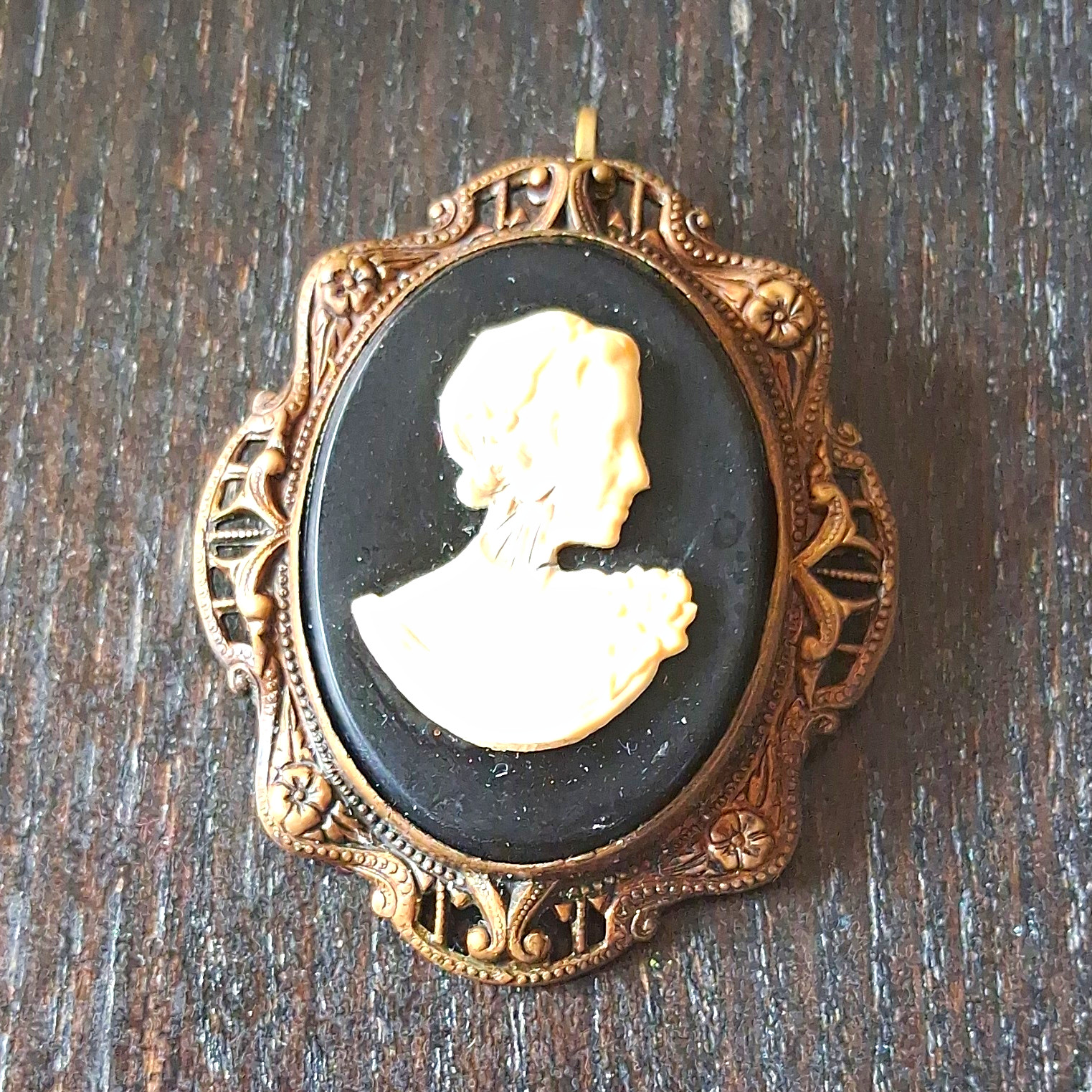
Vintage Cameo Portrait Oval Brooch Pendant, Black Cream, Gold Tone Beauty
A piece like this is the fastest way to add a little history to anything you own. This honestly worn piece in gold and black is the kind of piece that tells a story before you have said a word. Buy the story, and the object comes along with it.
On the market now
The names
Meet the designers
The minds behind this story — each with a piece currently on the market.
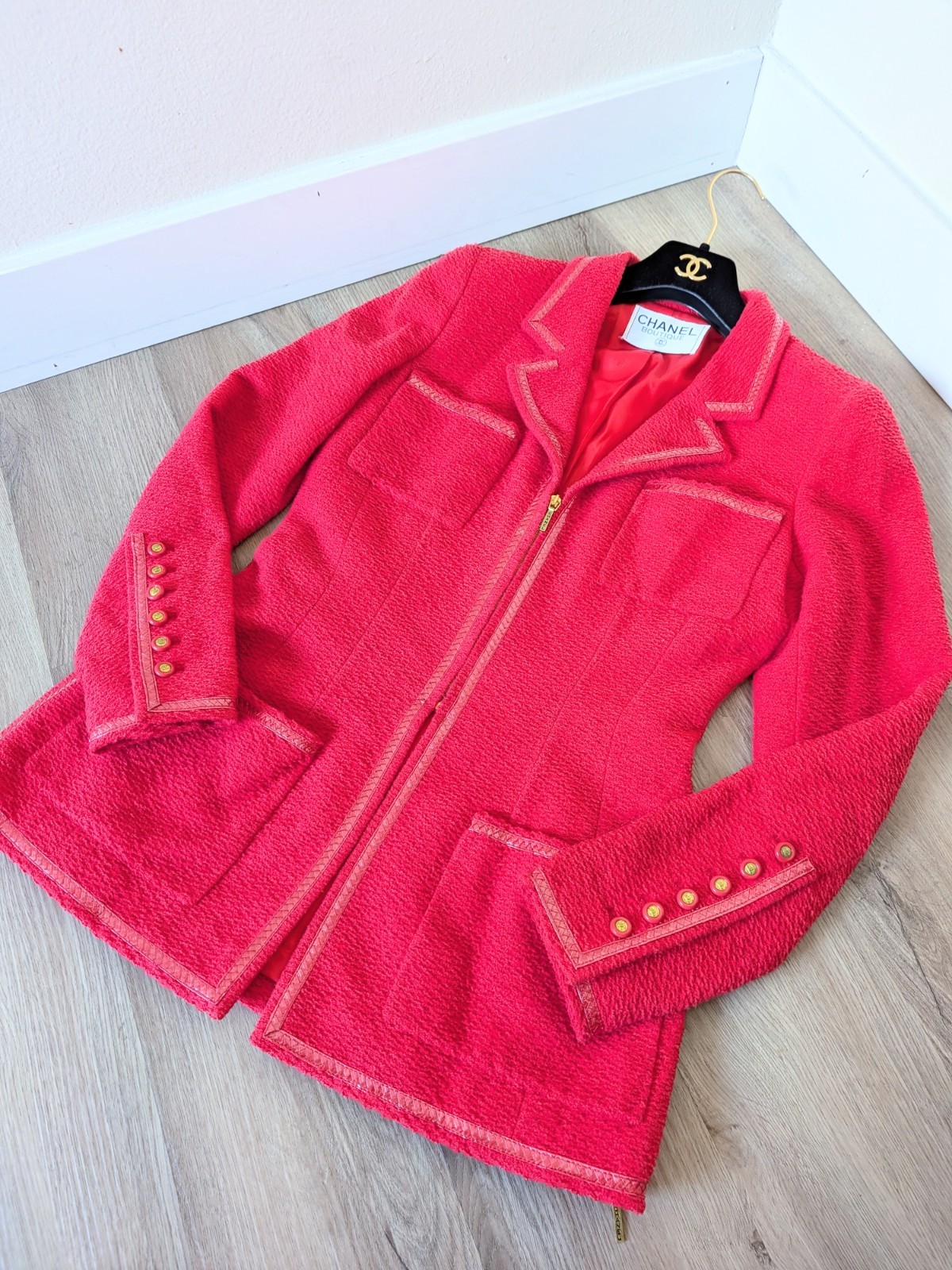
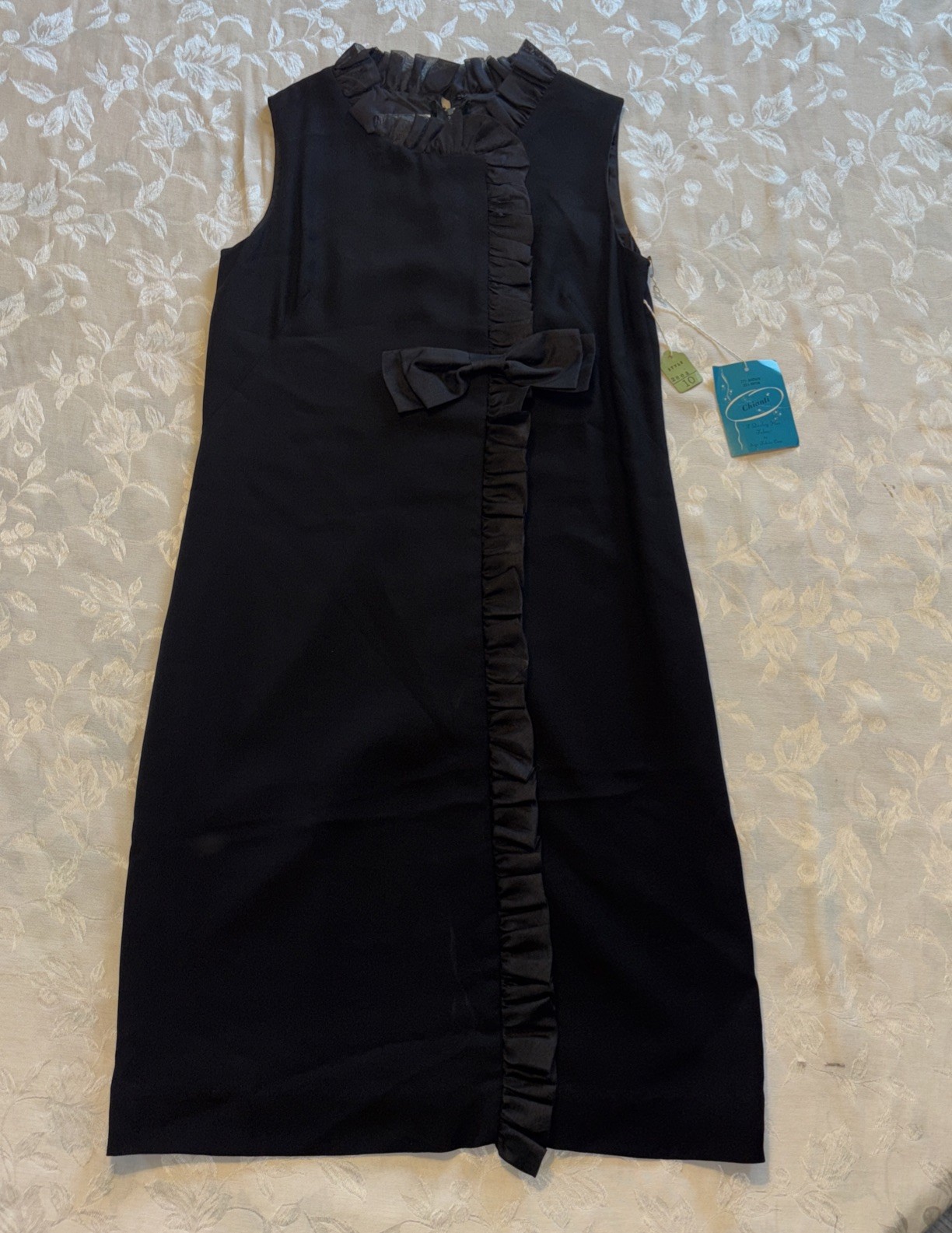
Chanel
France · 1910s
The little black dress & the 2.55
The little black dress & the 2.55
Top piece
View →
New Balance
USA · 1900s
The 550 & dad-shoe comfort
The 550 & dad-shoe comfort
Top piece
View →
Comme des Garçons
Japan · 1960s
Deconstruction & anti-fashion
Deconstruction & anti-fashion
Top piece
View →
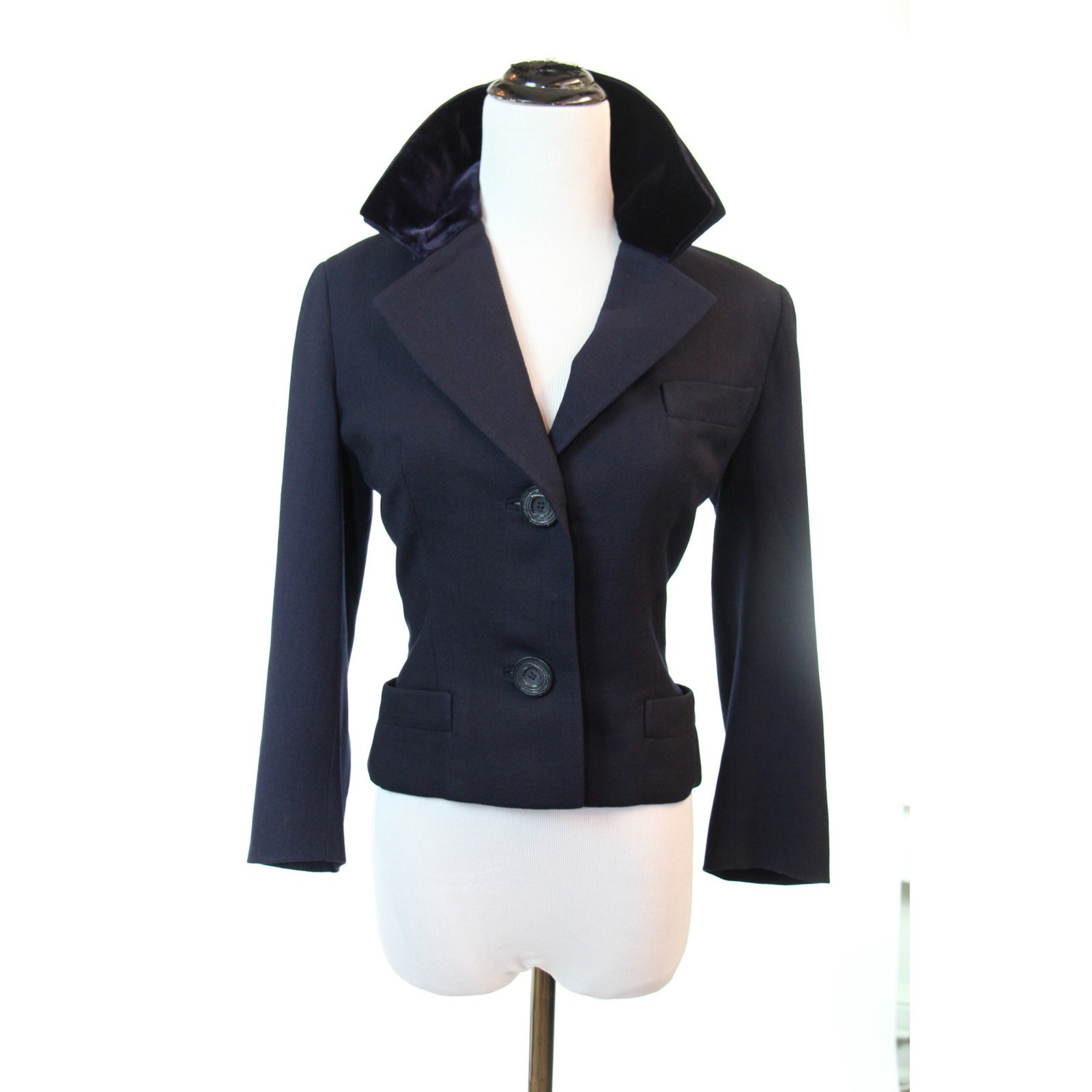
Dior
France · 1940s
The New Look & the Lady Dior
The New Look & the Lady Dior
Top piece
View →
Continue the edit
Further stories from the same world
Three more walks through the same vintage universe.
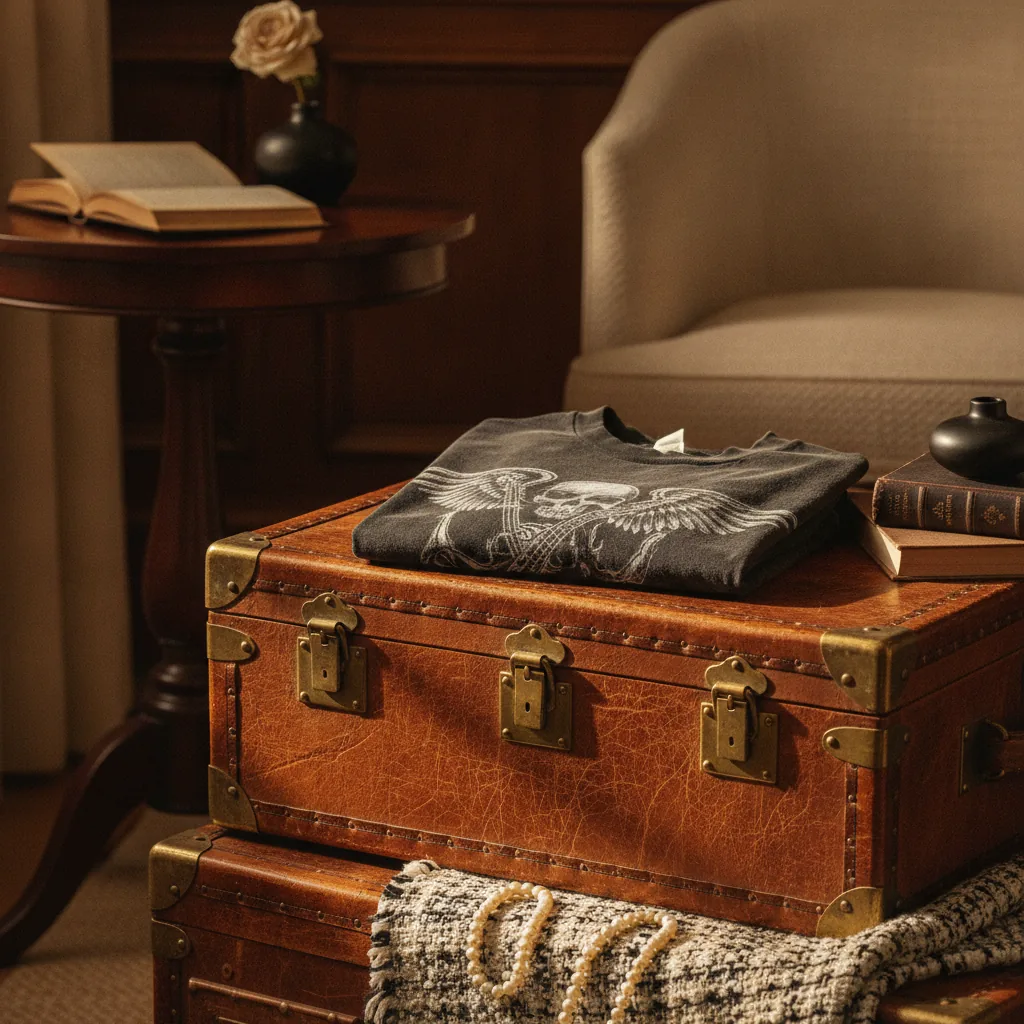
The Bauhaus Tee: How to Wear the Band Shirt That Outlived the Band
Bauhaus broke up in 1983, but their t-shirts never stopped. Here's how to wear one without looking like you're stuck in a time capsule.
Read the story →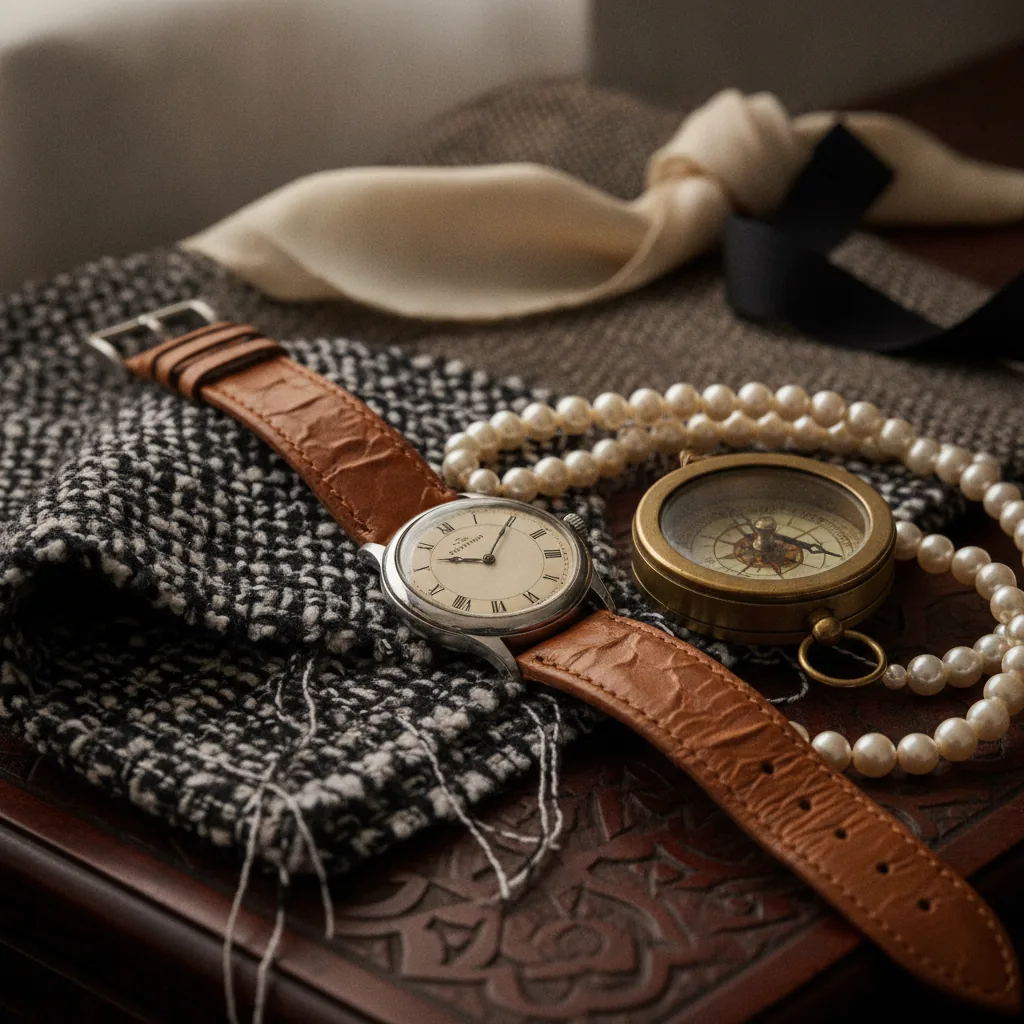
The Omega You Already Own (Or Should): A Wearer's Guide to Vintage
Forget the auction hype. Here's how to find, style, and live with a vintage Omega that costs less than a decent blazer and looks better than most modern watches.
Read the story →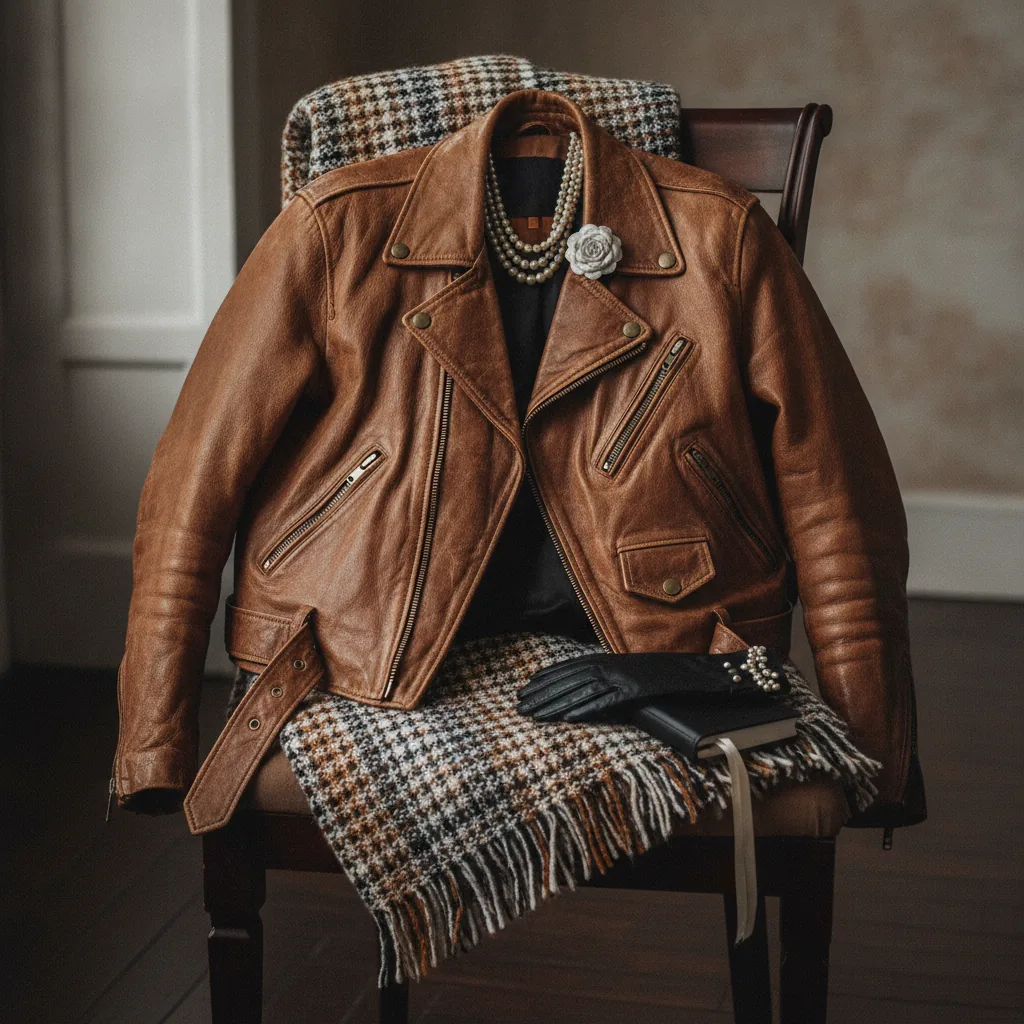
The Leather Jacket That Wears You Back
A vintage leather jacket is a second skin, not a costume. Here is how to find one that fits your life and wear it until it fits your body.
Read the story →