
 Sign in
✦ Culture · Amsterdam
Retro Sneakers Are Everywhere in Amsterdam
Retro sneakers have a shape that modern performance shoes lost. They are lower, narrower, with a sole that does not look like engineering.
 By Louis Trash·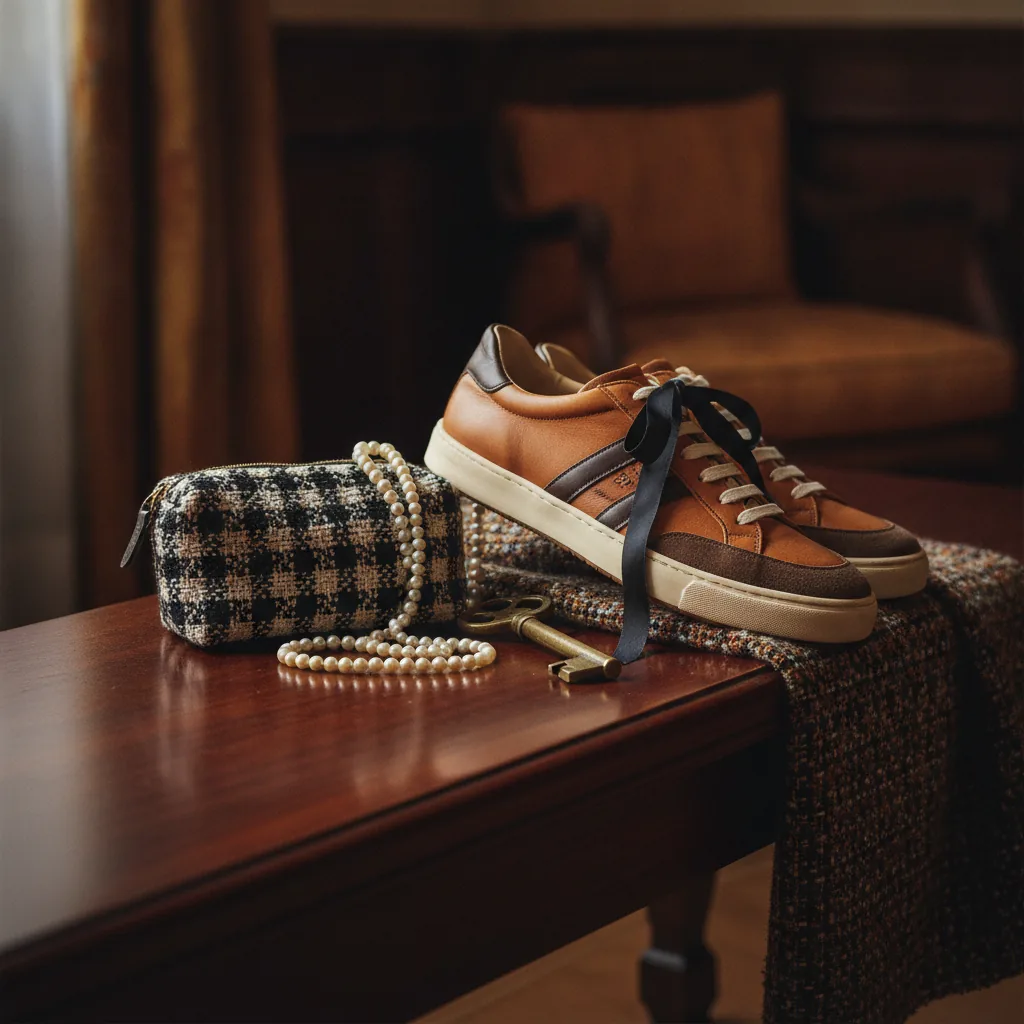
Why Sneakers Matter Now
Retro sneakers have a shape that modern performance shoes lost. They are lower, narrower, with a sole that does not look like engineering. Worn ones look right immediately, which is the whole appeal. The first time I saw a pair of 1980s Adidas Stan Smiths in Amsterdam, they were on the feet of a man in his fifties, pedaling a black Gazelle against a headwind, a briefcase strapped to the rack. He didn't look like a collector. He looked like someone who had simply never stopped wearing them. That's the thing about Amsterdam: the city doesn't care if you're fashionable, only if you're sensible. A bike requires shoes that grip, that don't catch in the chain, that can take a rain shower and dry overnight. Retro sneakers were built for exactly that. The shape is low, narrow, and close to the ground, so you feel the pavement. The sole is thin rubber, not a chunky platform. The upper is leather or canvas, not engineered mesh. It's a shoe that disappears under the pedal, then reappears when you lock your bike and walk into a café. That's why retro sneakers fit this city like a broken-in saddle.

Foto: Jonathan Cooper · Pexels
How to Wear It
Go with a cropped or cuffed trouser so the whole shoe is visible. In Amsterdam, you'll see this done right on the streets of De Pijp: a man in a navy wool overcoat, cuffed grey flannels, and a pair of white leather Adidas from the 1980s, the soles just slightly yellowed. The trouser breaks above the ankle, showing a thin strip of sock. Preferably wool, not white athletic. That's the uniform, and it works because the shoe is the only casual element. The rest of the outfit is tailored, but not stiff. A heavy knit sweater, a linen shirt, a waxed jacket. Old sneakers with tailoring is still the best trick in menswear. It was a trick in the 1960s, when Italian men wore Stan Smiths with suits, and it's still a trick in Amsterdam, where the weather demands layers and the bike demands flat shoes. Leave the scuffs. Cleaning them to perfection kills the effect. A retro sneaker is not a display piece; it's a working shoe. The scuffs tell the story of the bike, the rain, the cobblestones. I once saw a pair of grey New Balance 574s at a canal-side market, the suede napped almost bald on the toe, and the seller wanted €40. I bought them on the spot. They looked like they'd been ridden hard, and that's exactly why they were worth it.
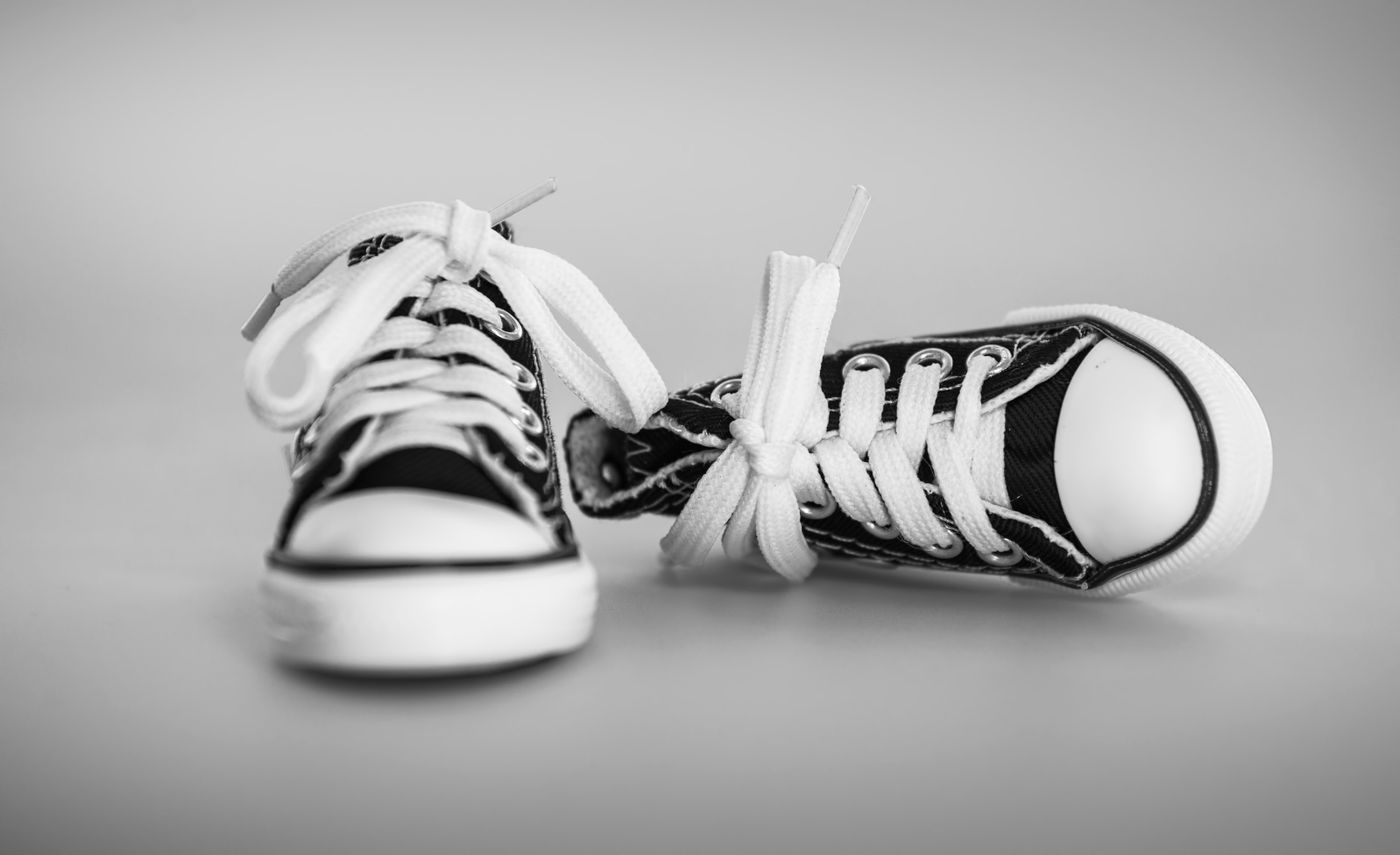
Foto: Frans van Heerden · Pexels
Where to Find Yours in Amsterdam
Amsterdam has a vintage sneaker scene that's less about hype and more about the hunt. The best shops are scattered across the canal ring, each with its own character. Here's where to start.

Foto: Dương Nhân · Pexels
- Episode De Pijp (Gerard Doustraat 63) — big racks, honest prices, restocked most mornings, from around 20 euros. This is a classic secondhand shop, not a curated sneaker boutique. You'll find a pile of 1990s Nike Air Maxes, some Reebok Classics, and the occasional pair of vintage Pumas. The trick is to go early, because the good stuff gets picked over by noon. I once found a pair of 1992 Asics Gel-Lytes there for €25, still in decent shape. The staff are busy but friendly; they'll let you dig.
- Concrete Matter (Huidenstraat 13) — menswear with real provenance, the good stuff is at the back, from around 45 euros. This is the shop for the serious buyer. The front has racks of tailored blazers and selvedge denim, but the sneaker collection is tucked behind a curtain at the back. You'll find rare pairs. A 1985 Adidas Munich, a 1990 Nike Internationalist in original box. The owner knows exactly what he has, and he'll tell you the story of each pair. Prices are higher, but the quality is guaranteed.
- Bij Ons Vintage (Nieuwezijds Voorburgwal 150) — curated designer, ask about the pieces behind the counter, from around 60 euros. This shop is more about fashion than sport, but they carry a small selection of retro sneakers that are often high-end: a 1990s Maison Margiela Replica, a 2000s Prada America's Cup. The staff are discreet; you have to ask to see the sneakers, because they're not on display. If you're looking for something unusual, this is the place.
- Waterlooplein Market (Waterlooplein 2) — unsorted and cheap. Go early, bring cash, from around 90 euros. This is the flea market of Amsterdam, and it's a gamble. You'll find bins of old shoes, some European, some American, some from the 1970s. The prices are all over the place. I once saw a pair of 1970s Puma Suedes for €90, and a pair of 1990s Nike Air Force 1s for €30. You have to know what you're looking for, and you have to be willing to walk away. Go on a weekday morning if you can. The rails are fullest before the weekend crowd arrives, and staff have time to show you what came in overnight. Saturday is a tourist trap; Tuesday is a treasure hunt.
What to Look For
Before you hand over the cash, there are three things to check. First, press the midsole with a thumb. If it crumbles or feels chalky, the foam has gone and no amount of style will save it. This is the most common killer of retro sneakers. The rubber outsole might look perfect, but the midsole foam is what provides cushioning, and it degrades over time, especially in heat and humidity. I've seen pairs that looked brand new but felt like stepping on a brick. Second, check the glue line at the toe for lifting. Old glue dries out and cracks, and when it lifts, the sole separates from the upper. You can sometimes fix this with a cobbler, but it's not worth it for a €20 pair. Third, look inside at the heel for a date stamp. Most sneakers from the 1980s and 1990s have a small white label inside the heel with a production date. It's a useful way to date the shoe, but don't obsess over it. Deadstock is lovely but old glue fails, so shoes that have been worn a little often last longer. A pair that's been worn for a year is more likely to have intact glue and foam than a pair that's been sitting in a box for thirty years. That's counterintuitive, but it's true.
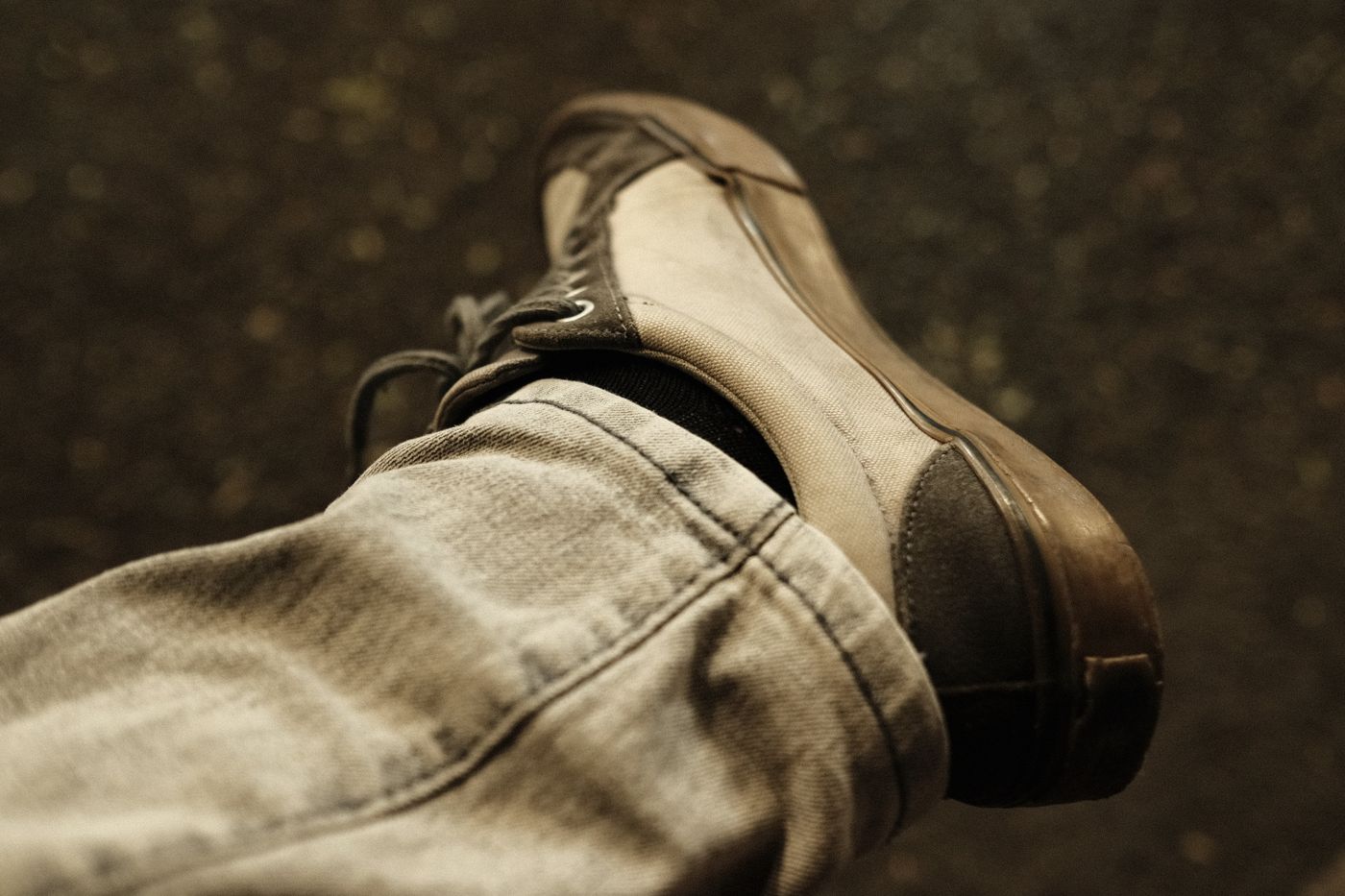
Foto: Nguyễn Minh Thắng · Pexels
One last thing: try it on properly, walk around in it, and sit down. A pair of retro sneakers that only works standing still is not going to survive your actual life. In Amsterdam, that means walking to the tram, cycling to work, standing in line at the bakery. The shoe has to flex with your foot, support your arch, and not pinch your toes. If it feels tight, don't buy it. Retro sneakers are cut narrower than modern shoes, so you might need to go up half a size. And if you're planning to wear them with thick wool socks, as you'll want to in November, factor that in. The best pair is the one you forget you're wearing. When you're cycling along the Herengracht, the wind in your face, the sun on the canal, and your feet are comfortable, that's the moment you know you've found the right pair. That's the whole point. Not to look like a collector, but to look like someone who lives here.
 ✦ The Edit
One to watch
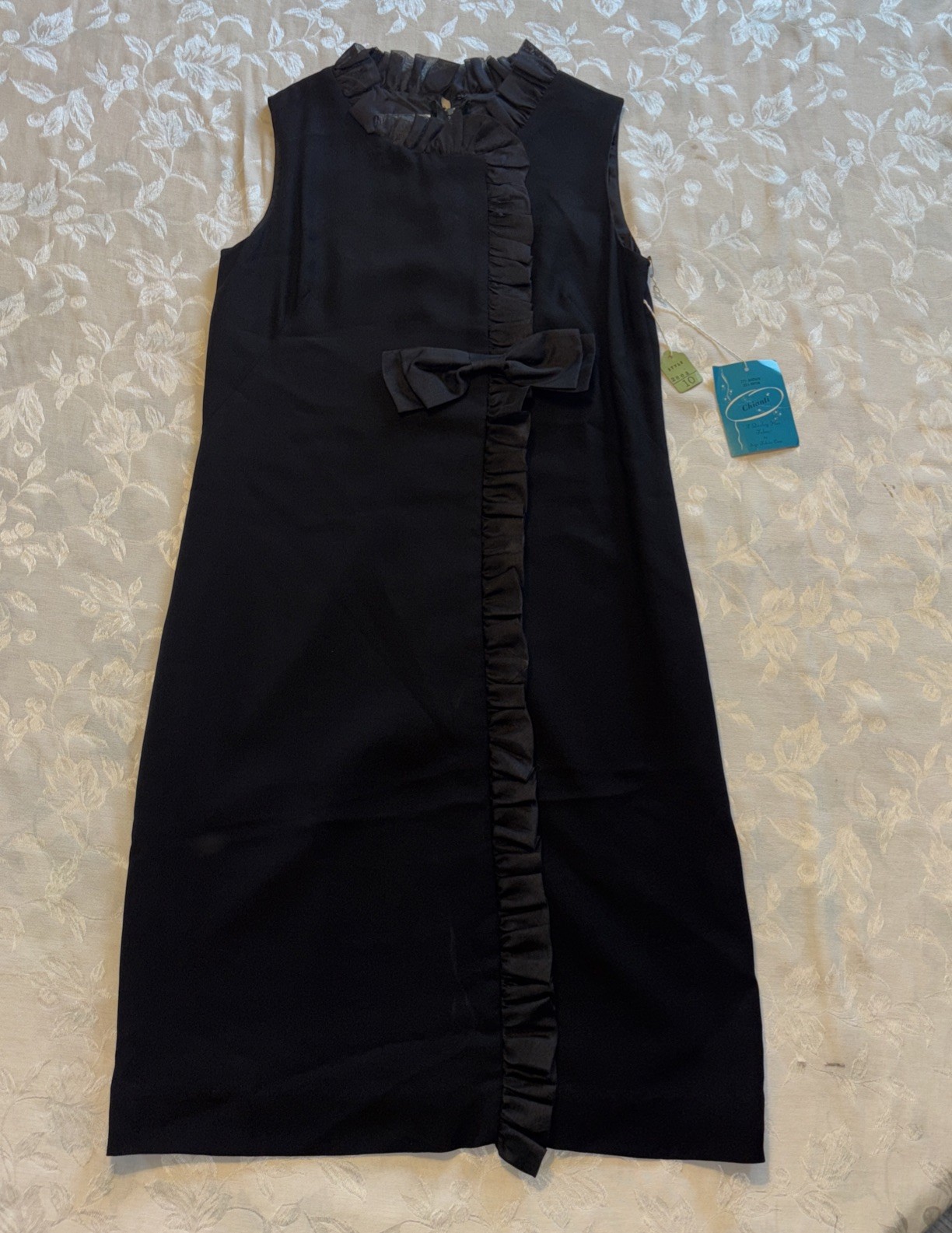
Little Black Dress Vintage 1960's NEW w/ TAGS VERY RARE. SIZE 10 Black Bow-Ruffl
A piece like this is the fastest way to add a little history to anything you own. This honestly worn piece in black from the 1960s is the kind of piece that tells a story before you have said a word. Buy the story, and the object comes along with it.
On the market now
The names
Meet the designers
The minds behind this story — each with a piece currently on the market.
Adidas
Germany · 1940s
The three stripes & the Samba
The three stripes & the Samba
New Balance
USA · 1900s
The 550 & dad-shoe comfort
The 550 & dad-shoe comfort
Top piece
View →
Nike
USA · 1960s
Air Max & the Swoosh
Air Max & the Swoosh
Armani
Italy · 1970s
The power suit & soft tailoring
The power suit & soft tailoring
Continue the edit
Further stories from the same world
Three more walks through the same vintage universe.

The Silk Scarf Is the Quiet Flex of Amsterdam
A silk scarf is the cheapest way into a serious label. The prints are small paintings, the hand-rolled edges are proper craft, and a good one costs less than a mediocre dinner.
Read the story →
The Leather Jacket Is Back, and Amsterdam Wears It Best
A leather jacket is the rare piece that looks better the longer you own it. Vintage ones arrive already broken in. The collar softened, the cuffs scuffed, the lining a little tired in the best way.
Read →
The Art Deco Furniture You Can Wear: A Styling Guide for Grown-Ups
Art Deco furniture is not just for your living room. Here is how to wear its geometry, materials, and glamour without looking like a costume.
Read →