
 Sign in
✦ Culture · Berlin
Berlin's Vintage Jewelry: Wear the City's History
On a damp Saturday morning, I found a 1920s silver ring in a Mauerpark stall for €15. It's a simple band with a geometric engraving, the kind of thing a Bauhaus student might have worn.
 By Louis Trash·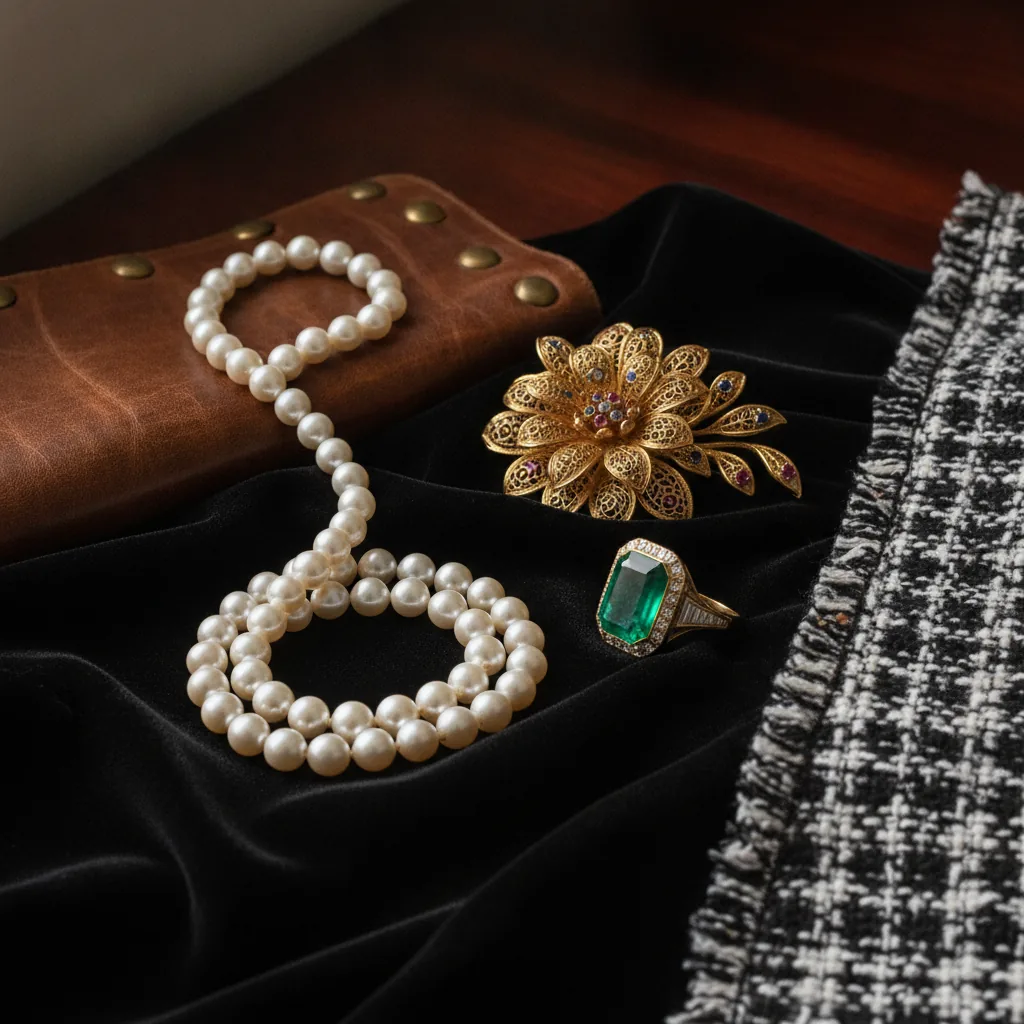
Berlin's Vintage Jewelry: Wear the City's History
On a damp Saturday morning, I found a 1920s silver ring in a Mauerpark stall for €15. It's a simple band with a geometric engraving, the kind of thing a Bauhaus student might have worn. I've worn it almost every day since. That's the thing about Berlin's vintage jewelry: it's not a museum piece, it's a daily companion. Here, where the past is always present, a brooch or a ring can speak volumes. For those who shop vintage to wear, not to trade, Berlin offers a treasure hunt like no other.
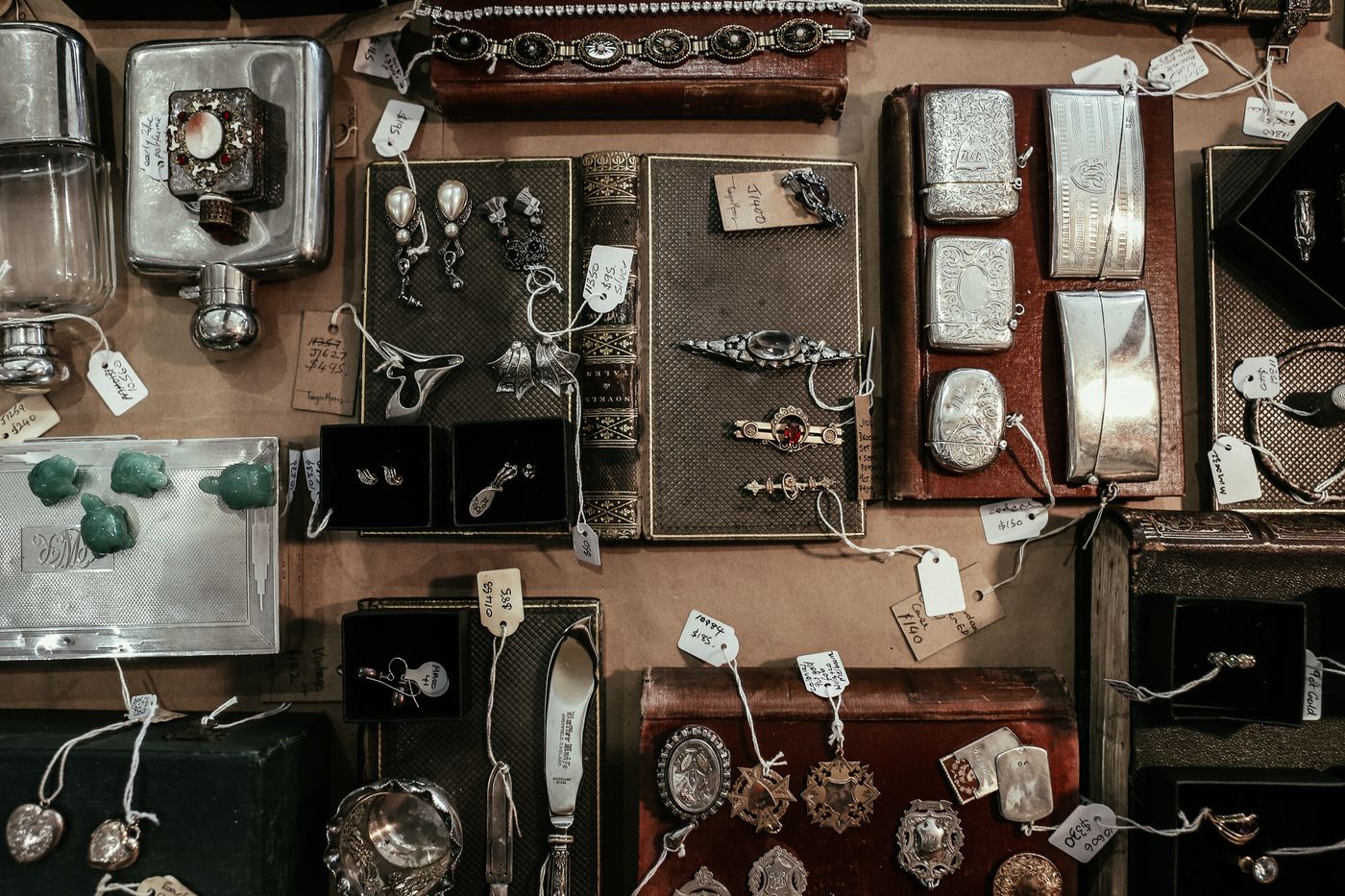
Foto: Rachel Claire · Pexels
What to Look For
Start with materials and craftsmanship. Focus on pieces from the 1920s and 1930s, when Berlin was a hub of artistic innovation. The Bauhaus movement influenced jewelry with its clean lines and geometric shapes. Silver and semi-precious stones like onyx and carnelian were popular. A simple, angular silver ring from that era can be a daily staple, catching the light as you gesture over coffee in a Prenzlauer Berg café.
The post-war era brought a different aesthetic. In the 1950s, Berliners embraced bold, sculptural forms, often in gold-tone metals. These pieces are perfect for adding a touch of glamour to a modern outfit. Look for chunky cuffs or oversized earrings; they are statements on their own. I have a pair of 1950s brass earrings shaped like abstract leaves, bought in Charlottenburg for €30. They make a black turtleneck look intentional.
Where to Hunt
Berlin's vintage shops are as diverse as its neighborhoods. In Kreuzberg, you'll find edgy, affordable pieces tucked into racks of old denim and leather. Try Garage on Motzstraße, where a tray of 1970s enamel brooches sits next to worn leather jackets. In Charlottenburg, more refined boutiques offer estate jewelry from the city's elegant past. At VintagEyes on Bleibtreustraße, I've seen a 1920s lapis lazuli pendant for €450, with a certificate of authenticity.
Don't overlook flea markets, especially on weekends. The Mauerpark flea market is a must, but also check the smaller ones in districts like Neukölln or Friedrichshain. At the Nowkoelln Flowmarkt in Neukölln, a vendor once pulled out a box of 1940s mourning rings, each with a lock of hair under a crystal. You never know what you'll find: a 1940s brooch with a story, or a 1970s hammered silver necklace that feels both retro and contemporary.
A Tale of Two Eras
One of the most fascinating stories from Berlin's jewelry past involves the designer Elisabeth Treskow. She was a master of modernist jewelry in the 1920s, blending traditional goldsmithing with avant-garde design. Her work, often featuring intricate wirework and natural motifs, is a testament to Berlin's creative spirit. I once saw a Treskow brooch at a private collection in Grunewald; it was a silver spiderweb with a dewdrop of amber. The asking price was €3,800.
Another name to know is the company of Theodor Fahrner, whose Art Nouveau and Art Deco pieces were affordable and widely worn. Fahrner designed for the masses, using silver and colored stones like amethyst and citrine. A Fahrner ring, with its stylized flowers or geometric patterns, can still be found for under €200. I own a 1920s Fahrner ring with a carnelian oval, bought from a dealer in Prenzlauer Berg. It's a wonderful entry point into collecting. It's history you can wear on your finger.
How to Wear It
Don't relegate vintage jewelry to special occasions. Mix it with your everyday pieces. A 1970s amber pendant over a simple turtleneck, a pair of 1960s geometric earrings with a modern blazer. The key is to let the piece speak for itself. Let it be a conversation starter, a way to connect with someone who notices its unique character.
I have a rule: if I don't wear a piece within a month of buying it, I give it away. That keeps my collection small and meaningful. Right now, I'm wearing a 1940s silver bracelet with a hammered texture, found in a box at a flea market in Friedrichshain for €8. It goes with everything, from a linen shirt to a wool coat. It's sturdy, unpretentious, and it has a story.
In Berlin, vintage jewelry is not about status or investment. It's about connection. To the past, to the city, to yourself. So go out, explore, and find a piece that feels like it was meant for you. Because in this city, the past is always within reach. And sometimes, it costs less than a pizza.
Get the look
Get the look
The pieces that make this story wearable, live from the market.
sieraden
Vintage Shell Cameo Brooch Pendent. 14k Gold With A Diamond. Beautiful.
sieraden
CHANEL Vintage Gold Hardware Pearl CC LOGO Short Necklace Rhinestone Inlay 24C
sieraden
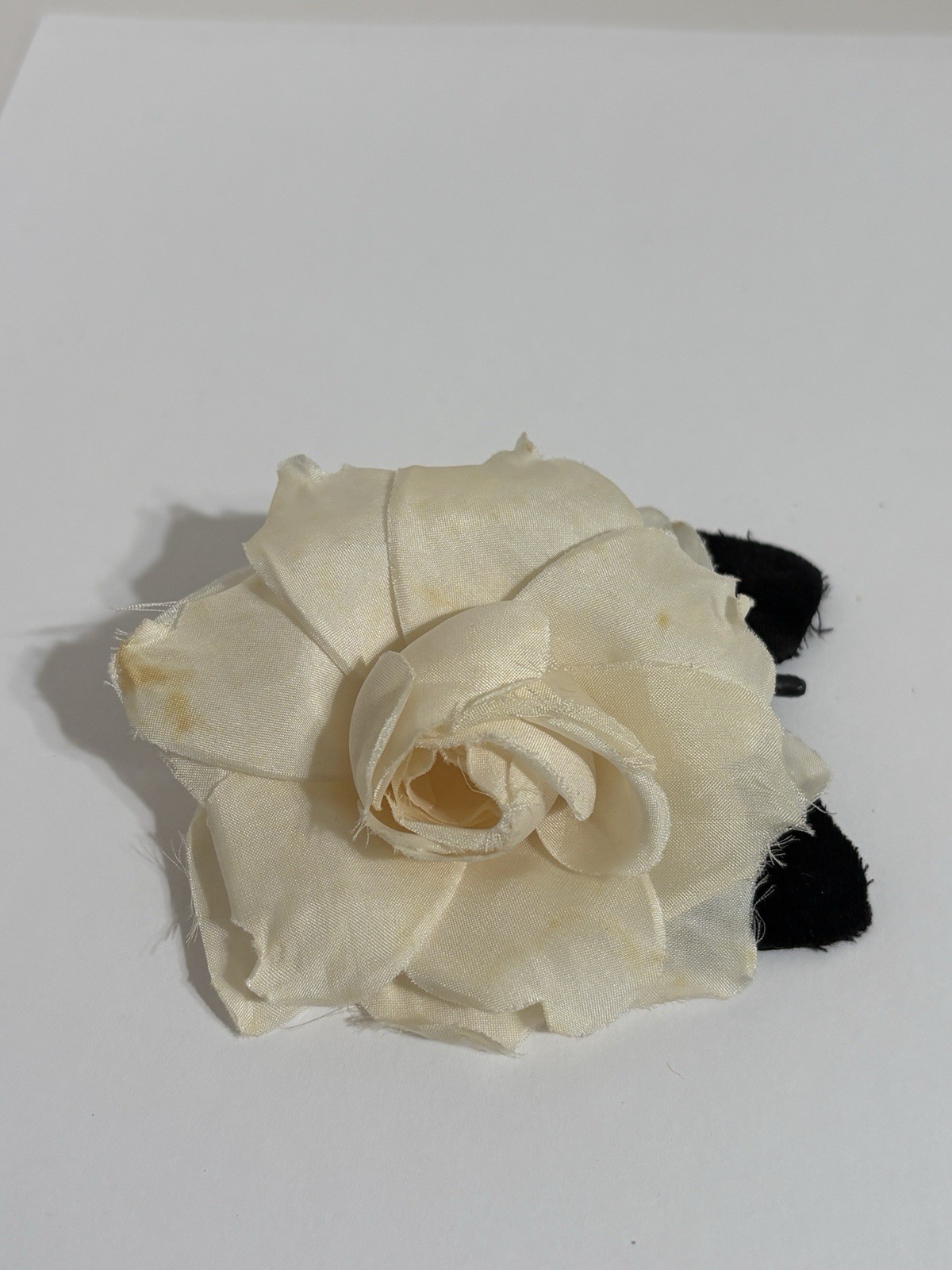
Vtg Chanel Camellia Flower Brooch
sieraden
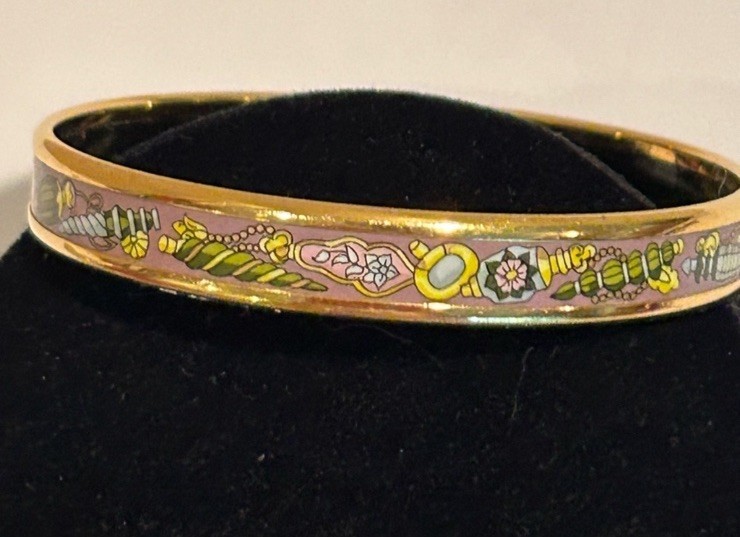
Vintage Hermes Enamel Bangle PM
sieraden
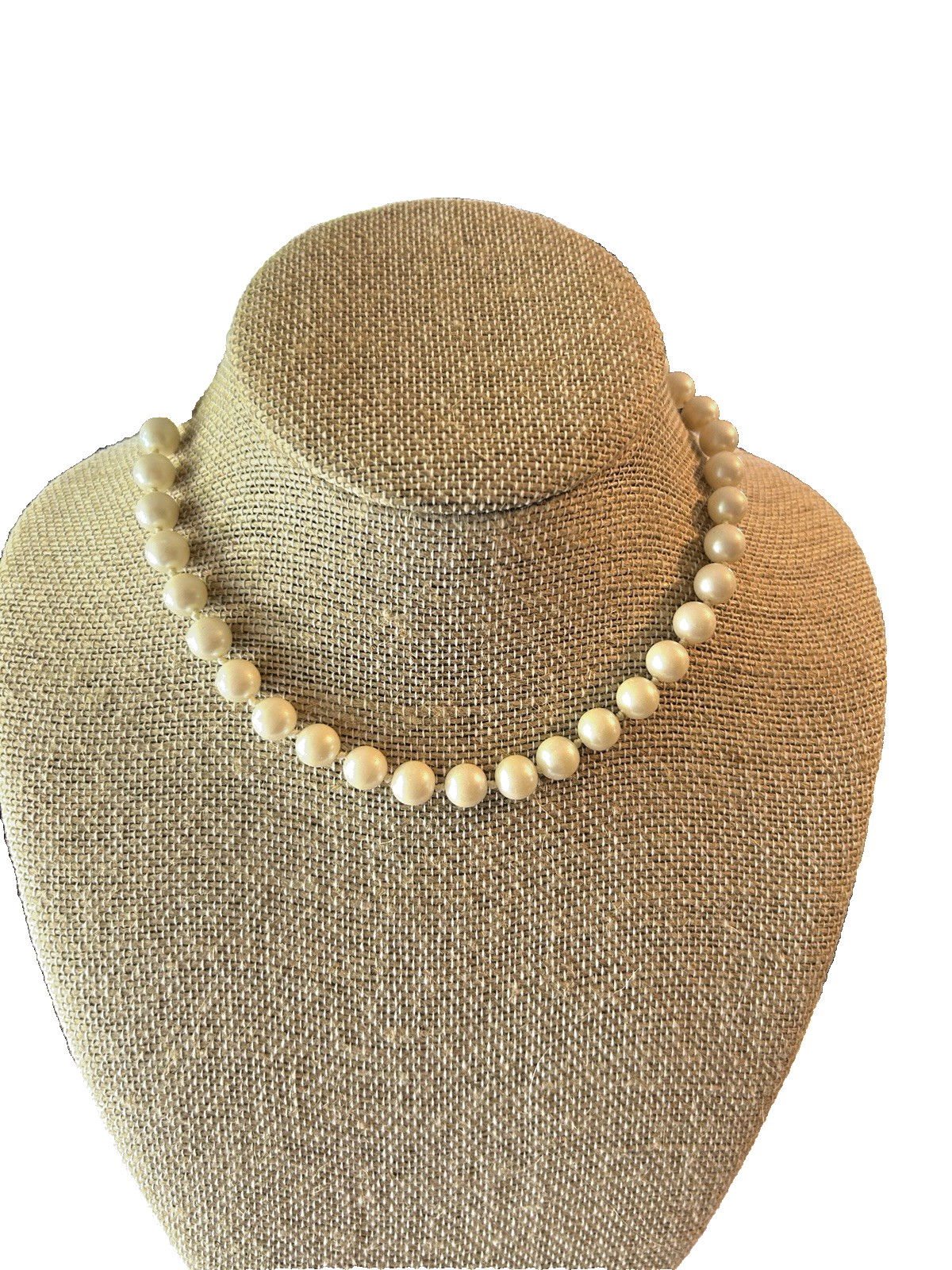
Vintage 14” Cultured Pearl Necklace Knotted Cream Ivory Pearls Choker Wedding
The names
The designers behind the look
The minds behind this story — each with a piece currently on the market.
Comme des Garçons
Japan · 1960s
Deconstruction & anti-fashion
Deconstruction & anti-fashion
Top piece
View →
Calvin Klein
USA · 1960s
Minimalism & the 90s slip
Minimalism & the 90s slip
Top piece
View →
Levi's
USA · 1850s
The 501 & Americana denim
The 501 & Americana denim
Top piece
View →
Maison Margiela
France · 1980s
The tabi & anonymity
The tabi & anonymity
Top piece
View →
Continue the edit
Further stories from the same world
Three more walks through the same vintage universe.

The Vintage Designer Bag You'll Actually Wear
A Fendi Baguette from 1999, a Versace Medusa clutch from 1992, a Chanel quilted lambskin from 1985. These are clothes, not investments. Here is how to wear them without looking like a museum docent, and what to check before you hand over your card.
Read the story →The Art of the Carry: Wearing Vintage Designer Bags
Vintage designer bags are not relics. They are the original statement pieces, waiting for a modern hand. Here's how to wear them with intent, buy them with confidence, and know the stories they carry.
Read →
The Art of Wearing Vintage Band T-Shirts
A guide to styling, sourcing, and understanding vintage band tees, for the wearer who values history and fit over hype.
Read →