
 Sign in
✦ Culture · Berlin
Berlin's Vintage Heels: A Step Back in Time
On a Saturday morning in Prenzlauer Berg, I watched a woman in her sixties try on a pair of 1950s pumps. She wore jeans and a leather jacket, and as she stood, she wobbled, laughed, then walked a straight line to the mirror.
 By Louis Trash·
Berlin's Vintage Heels: A Step Back in Time
On a Saturday morning in Prenzlauer Berg, I watched a woman in her sixties try on a pair of 1950s pumps. She wore jeans and a leather jacket, and as she stood, she wobbled, laughed, then walked a straight line to the mirror. The shop, a former bakery on Kollwitzstraße, smelled of shoe polish and old wood. She bought them for €45 and said she'd wear them to a gallery opening that night. That's Berlin. History isn't preserved in glass cases. It's walked on, danced in, and lived.

The Sole of the City
Vintage heels in Berlin carry a different weight than in Paris or London. This city has been bombed, divided, and rebuilt. The shoes that survived reflect that. In the 1920s, Berlin's cabarets were the wildest in Europe. Women wore silver T-straps and danced until dawn. Then came the war, and heels became practical, often with wooden soles because leather was scarce. In the 1950s, West Berlin women embraced the New Look, with its stiletto heels, as a defiant act of glamour against the grey rubble. In the East, they wore sturdy block heels, because you couldn't find a decent pump in the GDR. All these stories are in the shoes. You just have to look.
Where to Hunt
Skip the tourist traps at Mauerpark. The real finds are in the backstreets. In Kreuzberg, check out Made in Berlin on Oranienstraße. The owner, a former costume designer, curates a mix of 1940s platform sandals and 1990s chunky Mary Janes. Prices start at €30. In Charlottenburg, there's Vintage & More on Kantstraße, where you'll find high-end pieces: 1970s Courrèges boots, 1980s Chanel slingbacks, sometimes for €200 or more. But the best place is a tiny shop called Schuhschatz in Neukölln, in a converted butcher's shop on Weserstraße. The owner, Inge, has been collecting since the 1980s. She knows every pair's provenance. She'll tell you that the red pumps in the corner came from a woman who wore them to the premiere of Metropolis in 1927. She'll show you the worn sole and the ink stamp inside. That's the story you're buying.
The Art of Inspection
When you find a pair that catches your eye, don't just check the size. Turn them over. Look for leather soles with a patina, not plastic. Run your finger along the stitching. Hand-stitched means the maker took time; it's a sign of quality from the 1950s or earlier. Check the heel. A metal rod inside the heel is a sign of a high-end shoe from the 1960s. A wooden heel, common in the 1970s, means they're lighter but can crack. Bend the shoe. If the sole flexes without creasing, it's been well cared for. And be wary of cracked leather, especially around the toe. That's fixable, but it'll cost you €20 to €40 at a cobbler. Heel height matters, too. A 5cm block heel is your best friend for cobblestones, which still cover much of Mitte. A stiletto is for the dance floor, not the street. If you're buying for a night out, consider carrying them in a bag and changing at the club. Vintage sizing runs small. A 39 in modern shoes might be a 38.5 in a 1960s Italian pump. Always try on, and if you're between sizes, take the larger. You can add an insole, but you can't stretch a shoe that's too tight.
Designers Who Made Berlin Run
In the 1970s, a young designer named Ossie Clark was creating heels that were pure poetry. His collaboration with shoe designer Manolo Blahnik produced some of the most coveted vintage heels today. Imagine a pair of Clark's platforms, with their swirling patterns and delicate straps, worn by a woman in West Berlin as she crossed the border to visit the East. That juxtaposition of glamour and division is pure Berlin. In the 1980s, Vivienne Westwood's rebellious designs took the city by storm. Her 'Pirate' boots, with their buckles and swashbuckling style, were a favorite among the punk and new wave crowds in Schöneberg. These boots were not just footwear; they were an attitude, a defiance against the mainstream. Wearing them today is a nod to that spirit. I once found a pair of Westwood boots in a second-hand shop on Nollendorfplatz. They were scuffed, the buckles tarnished. The owner asked €80. I haggled to €60. I still have them, and every time I wear them, someone asks where I got them. They're not just boots. They're a piece of Berlin's underground history.
Styling for Real Life
Vintage heels can be intimidating, but in Berlin, the trick is to mix them with modern, utilitarian pieces. A pair of 1950s kitten heels looks sharp with straight-leg jeans and a crisp white shirt. A 1970s platform goes with a slip dress and a leather jacket. For winter, pair 1960s knee-high boots with a chunky knit and a wool coat. The key is contrast. Don't go full vintage; that looks like a costume. Let the shoes be the statement. And don't be afraid of scuffs or a little wear. That's character. A perfect vintage heel is a myth. The imperfections are what make them real, and in Berlin, real is the highest compliment.
The Bottom Line
You can buy a new pair of heels for €100. But they'll be forgettable. A vintage pair, even if it costs the same, carries a history. You'll never know exactly who wore them, but you'll feel it. Maybe it's the slight unevenness of the heel, worn down by a woman who walked to work every day in the 1960s. Maybe it's the faint perfume that clings to the leather, a scent of another era. Berlin is a city of layers. The buildings show it, the streets show it, and the shoes show it. So next time you're out, stop in a vintage shop. Try on a pair. Walk a few steps. You might just feel the city beneath your feet.
✦ The EditOne to watch
Authentic Vintage CHANEL Navy Blue Lambskin Vertical Quilted Flap Shoulder Bag
The woman who changed how women dress. This honestly worn bag in blue and navy carries exactly the quality that made Chanel worth collecting in the first place. Buy the story, and the object comes along with it.
On the market now
The names
Meet the designers
The minds behind this story — each with a piece currently on the market.
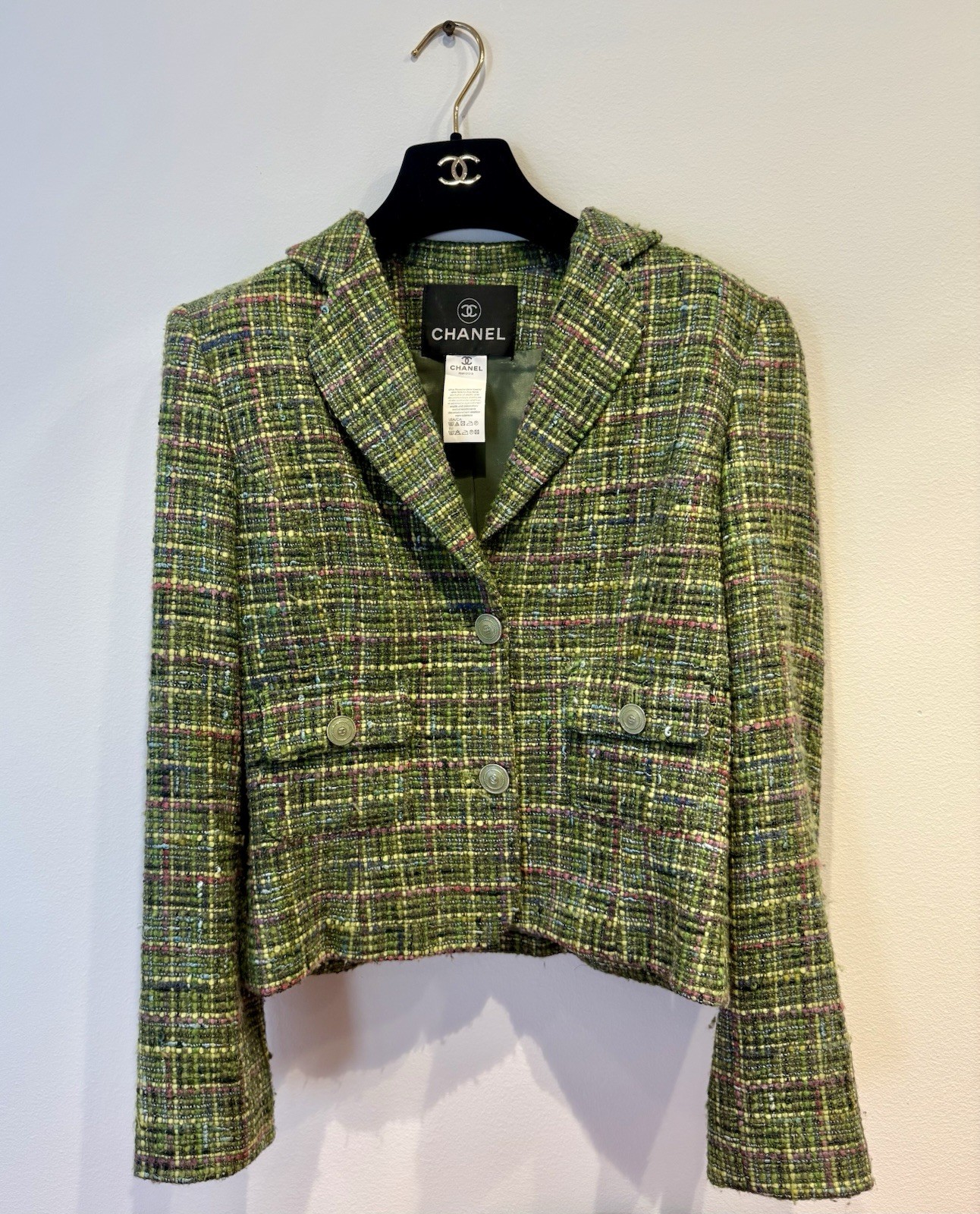
Chanel
France · 1910s
The little black dress & the 2.55
The little black dress & the 2.55
Top piece
View →
Vivienne Westwood
UK · 1970s
Punk, tartan & the corset
Punk, tartan & the corset
Top piece
View →
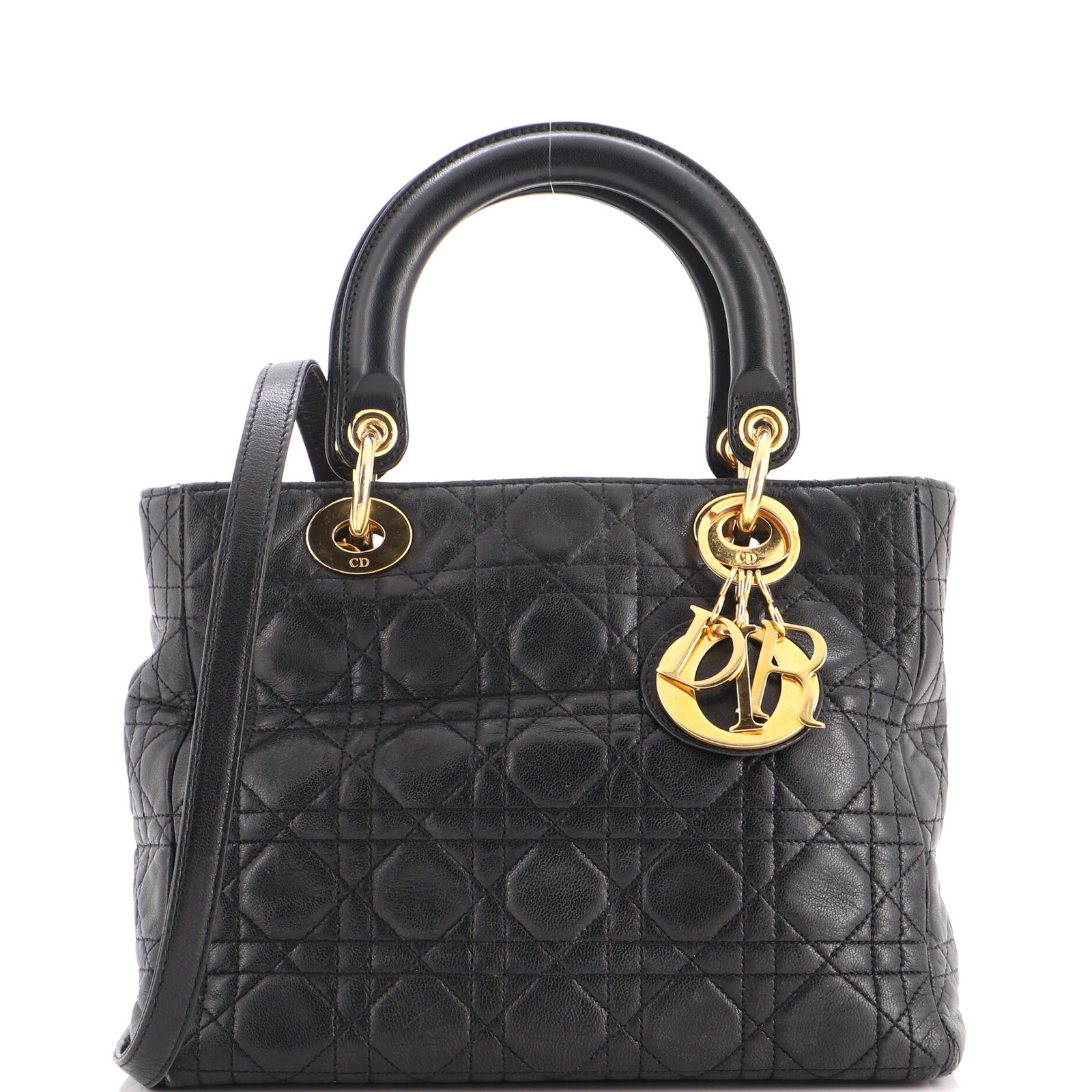
Dior
France · 1940s
The New Look & the Lady Dior
The New Look & the Lady Dior
Top piece
View →
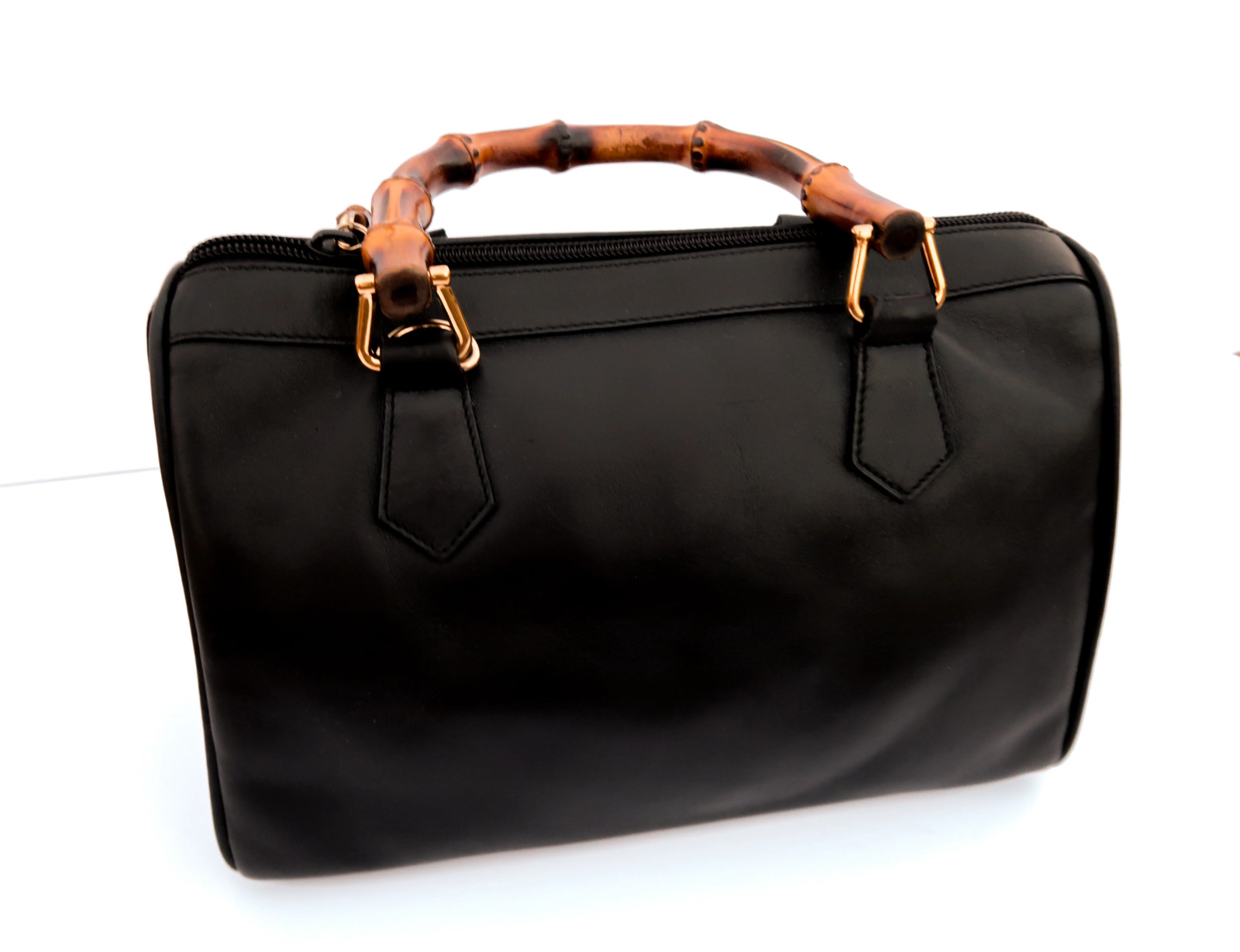
Gucci
Italy · 1920s
The bamboo handle & the double-G
The bamboo handle & the double-G
Top piece
View →
Continue the edit
Further stories from the same world
Three more walks through the same vintage universe.

The Vintage Designer Bag You'll Actually Wear
A Fendi Baguette from 1999, a Versace Medusa clutch from 1992, a Chanel quilted lambskin from 1985. These are clothes, not investments. Here is how to wear them without looking like a museum docent, and what to check before you hand over your card.
Read the story →The Art of the Carry: Wearing Vintage Designer Bags
Vintage designer bags are not relics. They are the original statement pieces, waiting for a modern hand. Here's how to wear them with intent, buy them with confidence, and know the stories they carry.
Read →
The Art of Wearing Vintage Band T-Shirts
A guide to styling, sourcing, and understanding vintage band tees, for the wearer who values history and fit over hype.
Read →