
 Sign in
✦ Culture · Berlin
Berlin's Vintage Dresses: Wearing History on Your Sleeve
In Berlin, vintage dresses are more than just clothes; they're stories. The city's past is layered, and so is its fashion.
 By Louis Trash·
Berlin's Vintage Dresses: Wearing History on Your Sleeve
In Berlin, vintage dresses are more than just clothes; they're stories. The city's past is layered, and so is its fashion. Walking through Prenzlauer Berg or Kreuzberg, you'll see women in 1950s floral prints biking past brutalist towers, or a 1970s silk slip under a modern blazer at a gallery opening. The key is to wear vintage, not let it wear you.
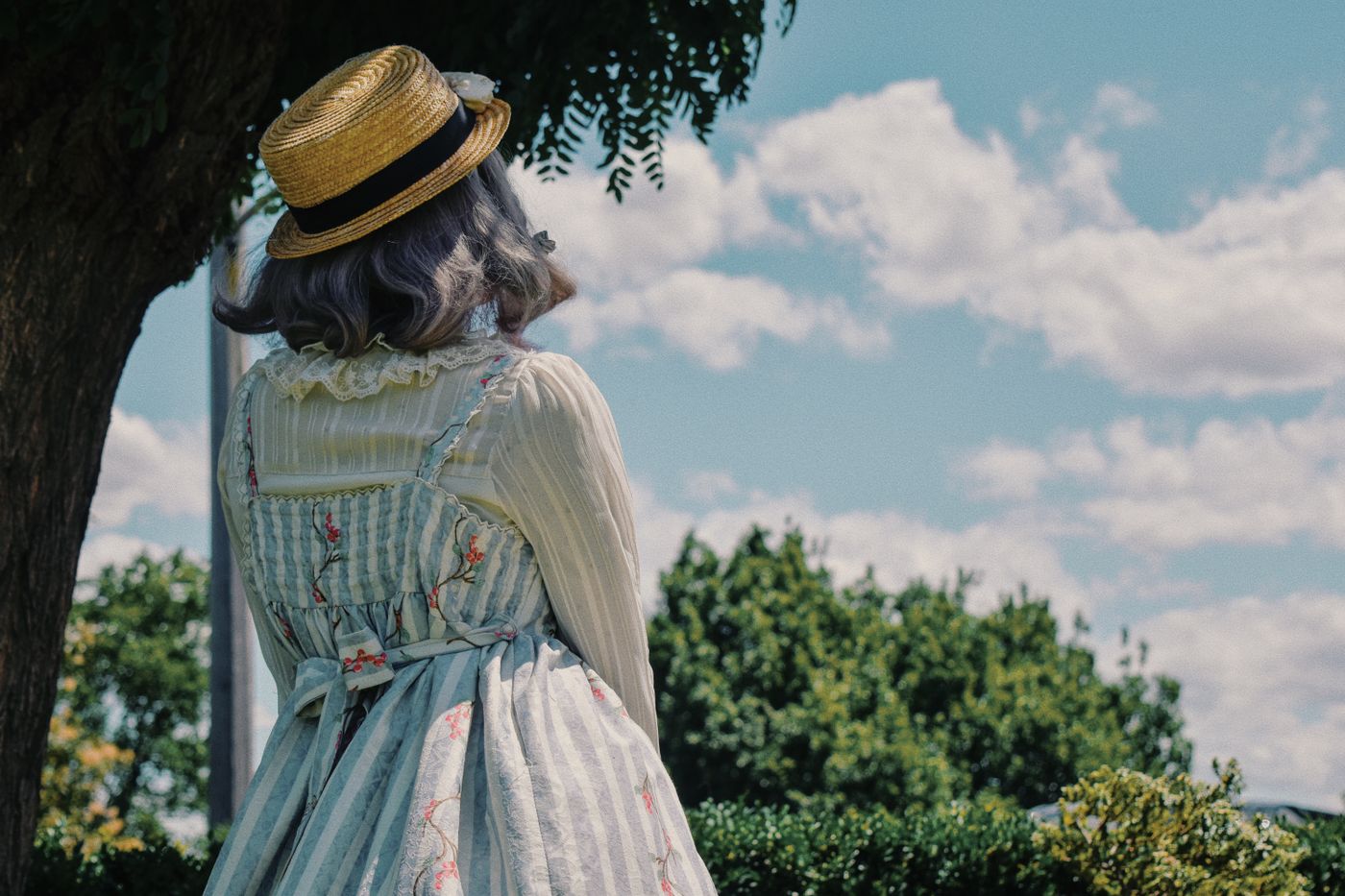
Foto: ΘSWΛLD · Pexels
The Feel of History
Start with the fabric. Before you fall for a pattern or silhouette, touch the material. Real silk, wool crepe, and cotton lawn have a drape that modern synthetics can't fake. Run your fingers along the seams. Hand-finished details, like bias-cut hems or covered buttons, are signs of quality. In Berlin's flea markets and second-hand shops, you'll find racks of these treasures, but they're often mixed with fast-fashion cast-offs. Train your eye to spot the difference: look at the label, check the zipper (metal or plastic?), and examine the stitching.
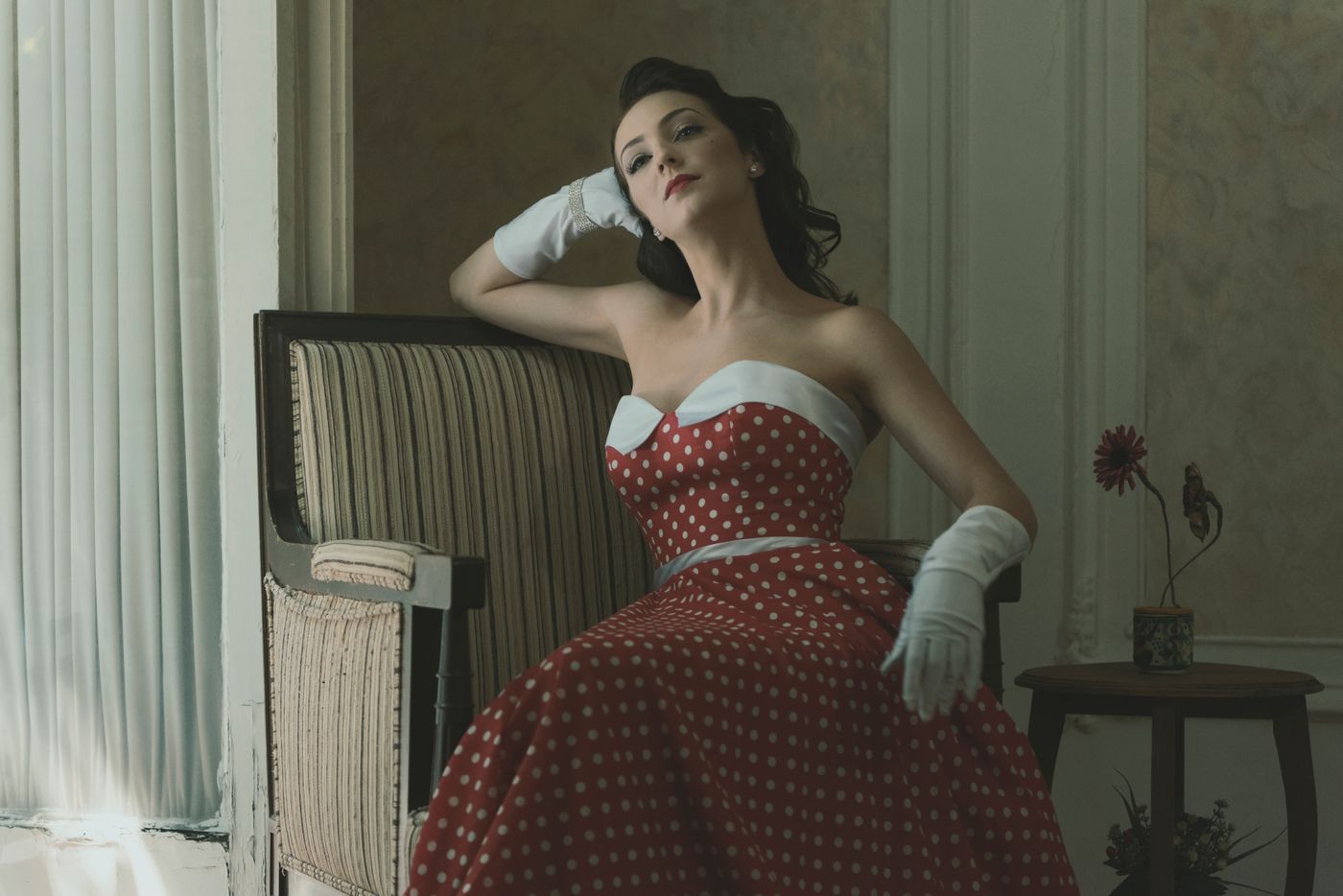
Foto: Odin Reyna · Pexels
I remember a 1950s dress I found at Mauerpark flea market, a coral cotton lawn with a full skirt. The zipper was metal, the seams were finished with a French seam, and the label said "Made in West Germany." I paid €30. That dress has survived countless summers, and every time I wear it, I think of the woman who wore it to a dance in the 1950s. That's the magic of vintage.
Decade by Decade
Each decade has its own personality. The 1940s were about utility and restraint, with sharp shoulders and nipped waists. A 1940s day dress in a dark print can be worn with chunky boots and a leather jacket for a Berlin twist. The 1950s offered full skirts and cinched waists, perfect for dancing at a swing night at a converted factory. For a more bohemian vibe, the 1970s gave us flowing maxi dresses in earthy tones, ideal for a stroll along the Spree.
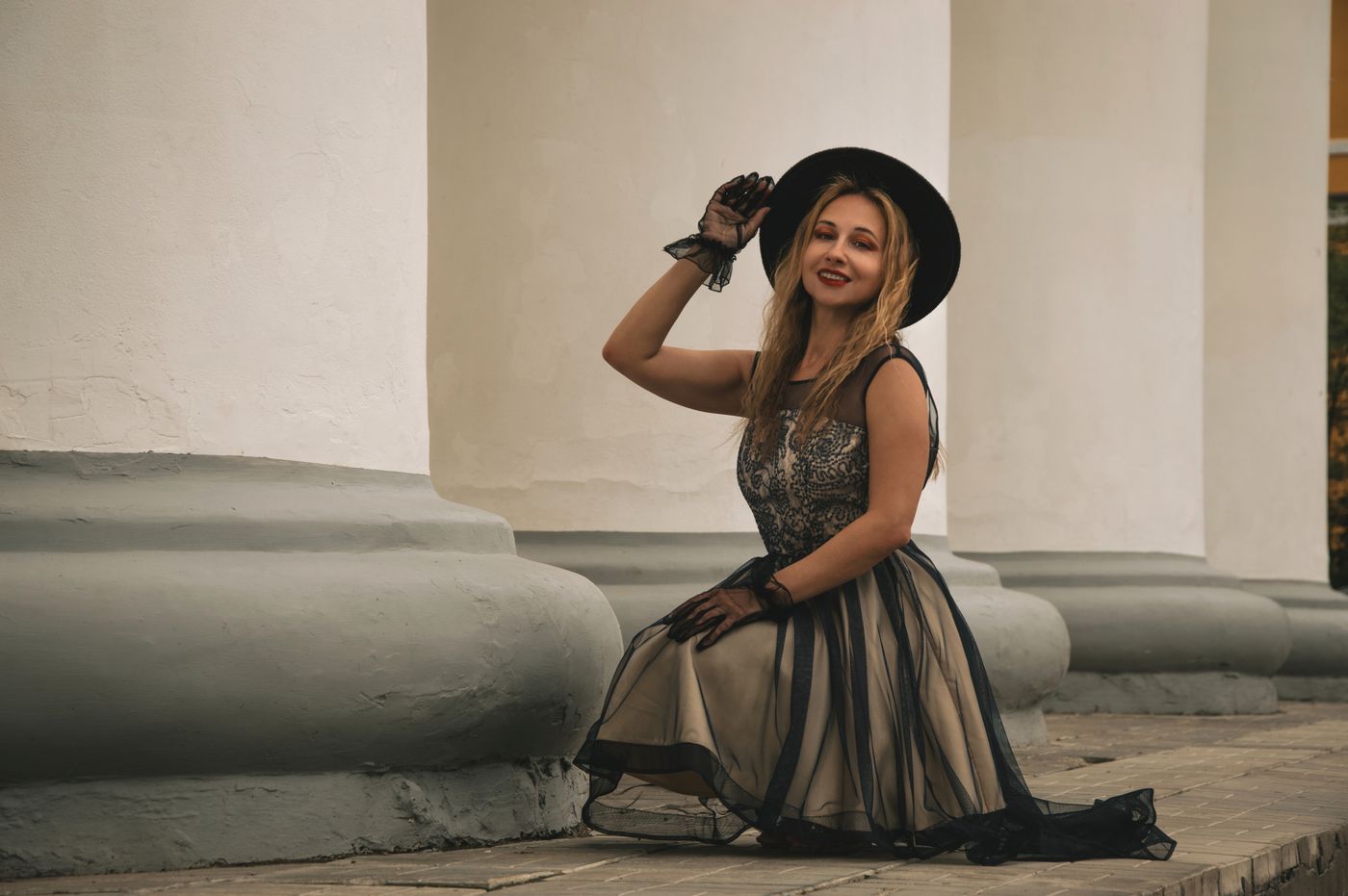
Foto: Vika Glitter · Pexels
But the 1920s are my favorite. Berlin was a hub of avant-garde fashion then. The androgynous look of the Neue Frau was revolutionary. A drop-waist dress with beaded fringe, often in black or deep jewel tones, embodies that defiant glamour. Wearing it today with short hair and a bold red lip channels that era's fearless energy. I once saw a woman at a gallery opening in a 1920s beaded dress, and she looked like she had just stepped out of a Cabaret scene, but with a modern confidence that was entirely her own.
The Berlin Designer
One concrete example: the German designer Uli Richter, who dressed Berlin's elite in the 1960s, was known for his clean lines and impeccable tailoring. A Richter dress from that era is a collector's piece, but you don't need a famous label to capture his spirit. Look for a simple shift in a bold geometric print, the kind that would have turned heads at the 1965 Berlin Fashion Week. Pair it with minimal sandals and a structured bag.

I recall finding a 1960s shift in a second-hand shop on Kastanienallee. It was a bright orange with a white geometric pattern, and it fit like a dream. The label was a small German brand, not famous, but the quality was evident. I wore it to a friend's wedding, and everyone asked where I got it. That's the beauty of vintage: you can look like a million bucks without spending it.
Making It Yours
When you find a dress that speaks to you, don't be afraid to alter it. A Berlin tailor can adjust the hem or take in the waist to fit your modern body. The goal is to make it yours, not to preserve it in amber. Vintage is meant to be worn, to be lived in, to accumulate your own history.
I once bought a 1940s dress that was too big in the shoulders. A tailor in Neukölln took it in for €20, and now it's one of my favorites. The dress had a small tear under the arm, which I had repaired with a matching thread. It's not perfect, but that's what makes it special. It has a story, and now that story includes me.
Mixing Old and New
Finally, mix vintage with contemporary. A 1960s shift over a turtleneck, a 1940s slip under a trench coat. Berlin's style is about juxtaposition, and vintage dresses are the perfect starting point. So next time you're browsing a rack in a dimly lit shop, remember: you're not just buying a dress, you're adding a new chapter to its story.
I like to pair a 1970s silk slip with a chunky knit cardigan and ankle boots. Or a 1950s floral dress with a leather biker jacket and sneakers. The contrast is what makes it modern. Vintage doesn't have to look costumey. It's about taking a piece of the past and making it work for today.
Where to Shop
Berlin is a treasure trove of vintage. Start at Mauerpark flea market on Sundays, where you'll find a mix of junk and gems. Head to Humana in Friedrichshain for a huge selection of second-hand clothes. For curated vintage, try Picknweight in Mitte or Garage in Prenzlauer Berg. Prices range from €10 at flea markets to €100 or more for designer pieces. Don't forget to check the vintage boutiques in Kreuzberg, like Made in Berlin or Delicious Dresses.
One warning: be prepared to dig. The best finds are often buried under piles of polyester. But when you find that perfect dress, the one that fits like it was made for you, the search is worth it. And in Berlin, you'll find plenty of places to wear it, from a dance hall in a converted factory to a gallery opening in Mitte.
Vintage dresses are not just clothes. They're a way to connect with the past, to wear history on your sleeve. So go out there, touch the fabric, check the seams, and find a dress that tells your story. In Berlin, the possibilities are endless.
 ✦ The Edit
One to watch
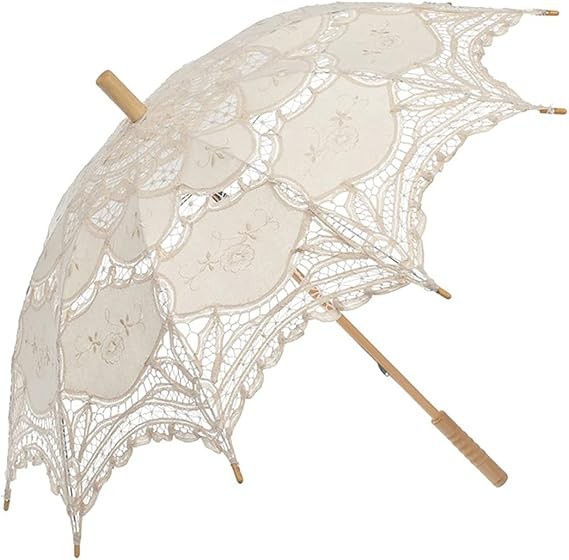
Ivory Lace Parasol Umbrella Vintage Wedding Bridal
A gown like this is the fastest way to add a little history to anything you own. This honestly worn gown in ivory is the kind of piece that tells a story before you have said a word. A piece like this is not really bought, it is kept.
On the market now
The names
Meet the designers
The minds behind this story — each with a piece currently on the market.
Comme des Garçons
Japan · 1960s
Deconstruction & anti-fashion
Deconstruction & anti-fashion
Top piece
View →
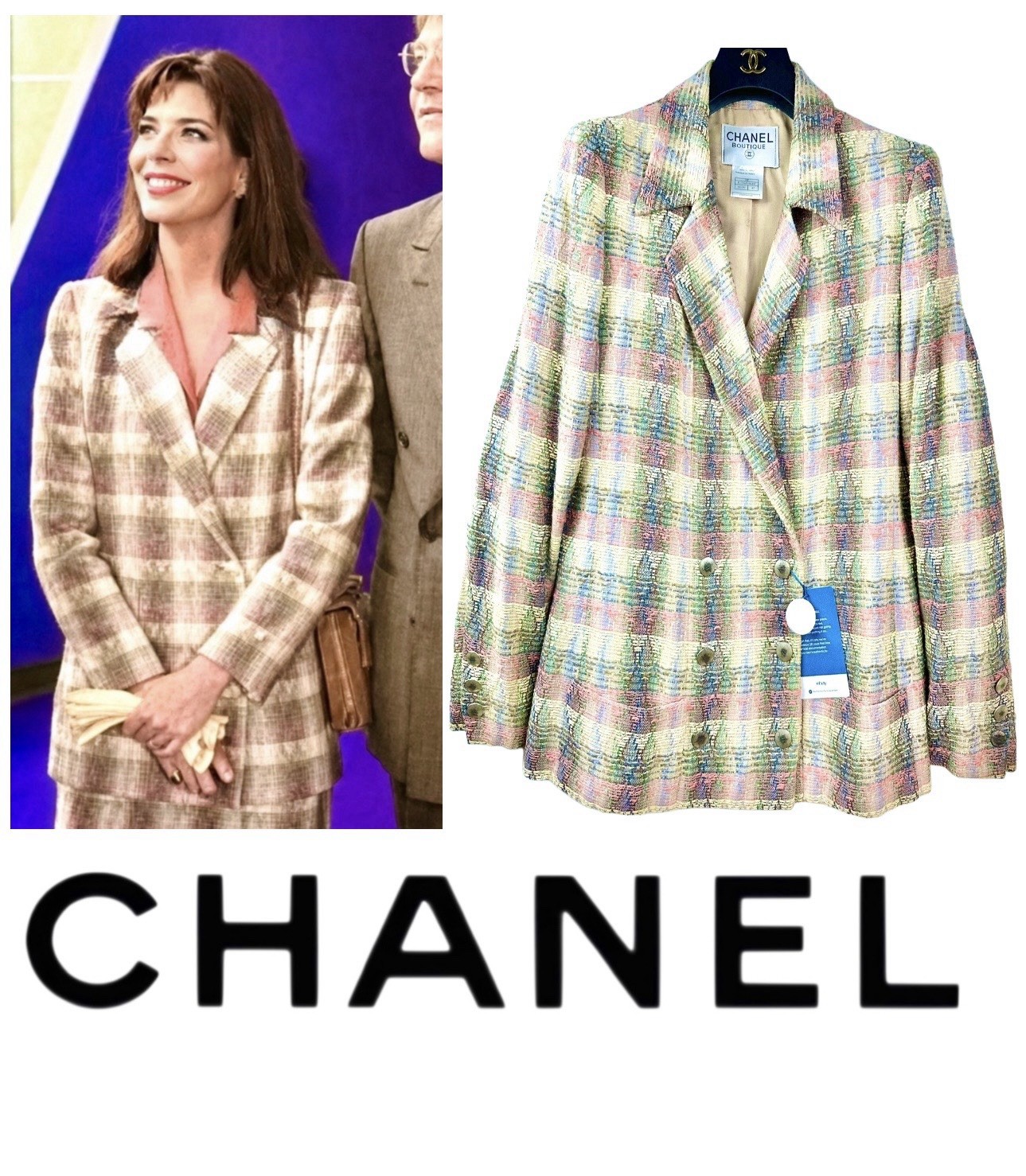
Chanel
France · 1910s
The little black dress & the 2.55
The little black dress & the 2.55
Top piece
View →
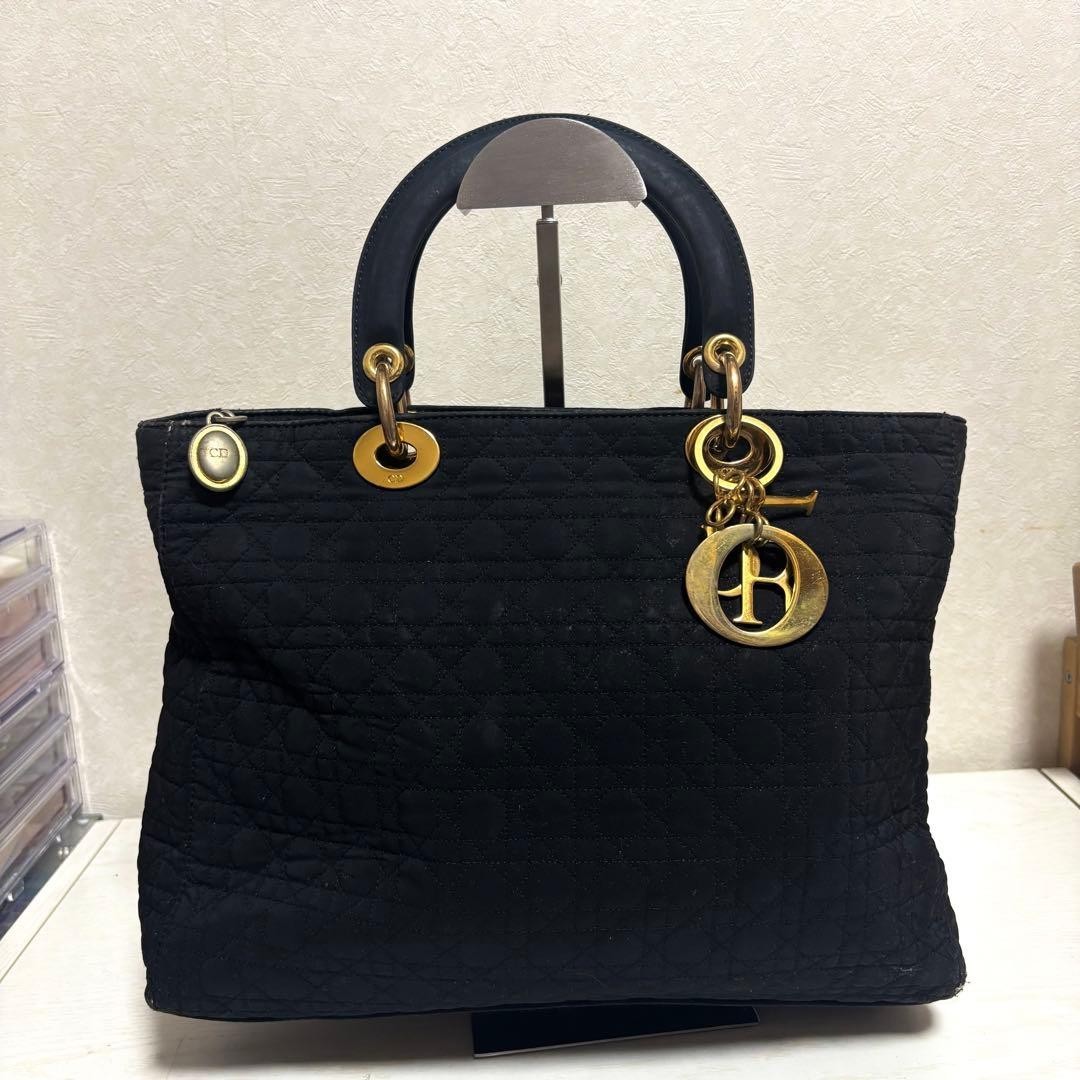
Dior
France · 1940s
The New Look & the Lady Dior
The New Look & the Lady Dior
Top piece
View →
Maison Margiela
France · 1980s
The tabi & anonymity
The tabi & anonymity
Continue the edit
Further stories from the same world
Three more walks through the same vintage universe.

The Vintage Designer Bag You'll Actually Wear
A Fendi Baguette from 1999, a Versace Medusa clutch from 1992, a Chanel quilted lambskin from 1985. These are clothes, not investments. Here is how to wear them without looking like a museum docent, and what to check before you hand over your card.
Read the story →The Art of the Carry: Wearing Vintage Designer Bags
Vintage designer bags are not relics. They are the original statement pieces, waiting for a modern hand. Here's how to wear them with intent, buy them with confidence, and know the stories they carry.
Read →
The Art of Wearing Vintage Band T-Shirts
A guide to styling, sourcing, and understanding vintage band tees, for the wearer who values history and fit over hype.
Read →