
 Sign in
🔥 Fashion · Berlin
Berlin's Vintage Denim: Wearing History on the Streets
Berlin has always had a thing for authenticity. And nothing says real like a pair of well-worn vintage jeans. Here, denim isn't just a fabric.
 By Louis Trash·
Berlin's Vintage Denim: Wearing History on the Streets
Berlin has always had a thing for authenticity. And nothing says real like a pair of well-worn vintage jeans. Here, denim isn't just a fabric. It's a canvas for the city's history. From the gritty streets of Kreuzberg to the chic boutiques of Mitte, vintage denim is a way to stand out without shouting. It's about finding pieces that have lived a life, and making them part of yours.
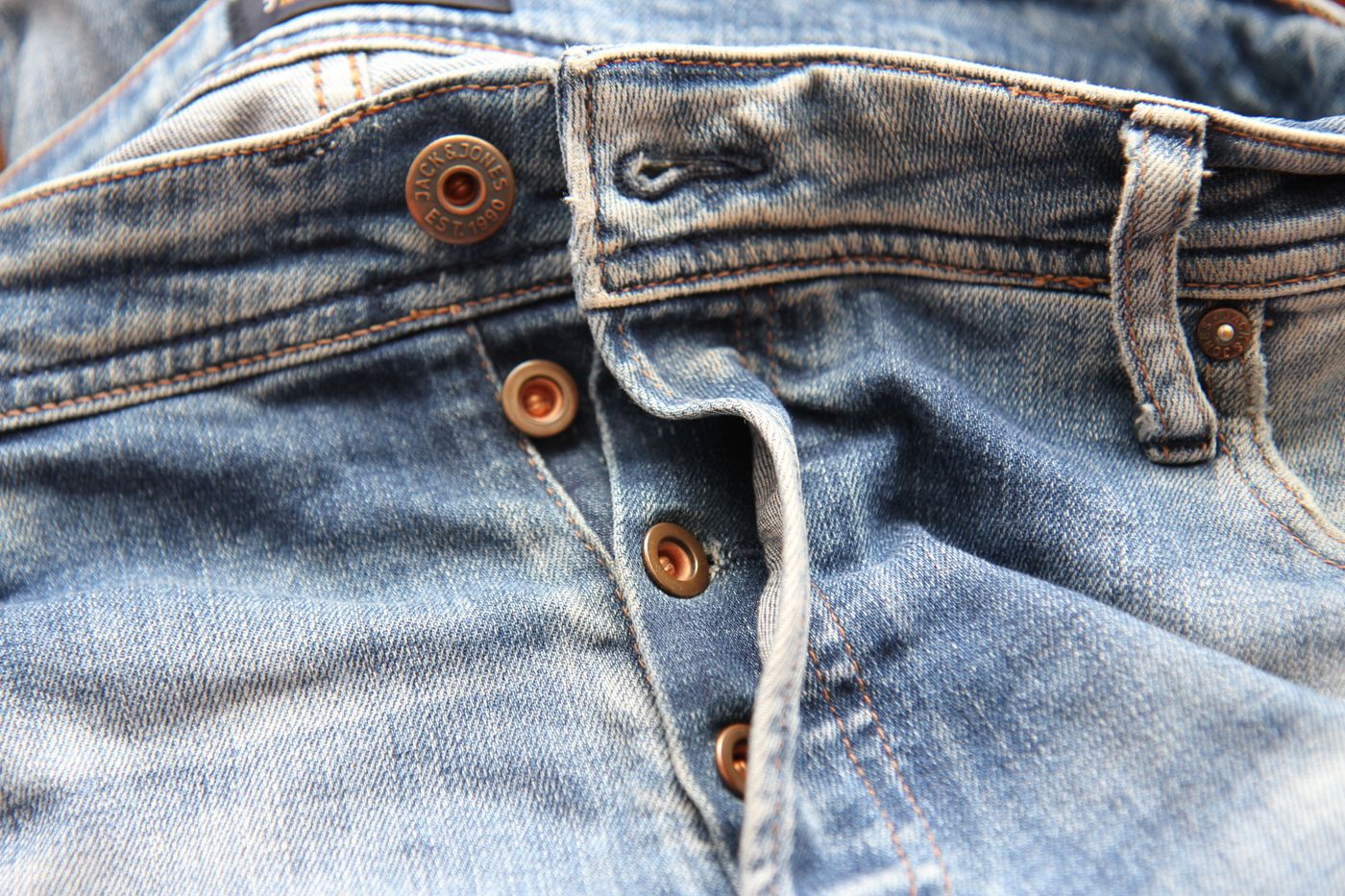
Foto: Dragan Tomić · Pexels
The Hunt: Where to Find the Real Thing
Skip the tourist traps. Head to the flea markets and second-hand shops in districts like Neukölln or Friedrichshain. On Sundays, Boxhagener Platz in Friedrichshain transforms into a treasure trove of worn-in denim. Arrive early, around 8 a.m., and you'll beat the crowds. Bring cash; many sellers don't take cards. In Neukölln, the Nowkoelln Flowmarkt on Maybachufer is another goldmine. It runs every other Sunday, and the vibe is more curated, with vendors who know their selvedge from their standard.

Foto: Cherry’s POV · Pexels
I've found my best pairs at a tiny shop called Made in Berlin on Weserstraße. The owner, a woman named Katja, has been collecting denim for three decades. She'll let you rummage through her bins, and she'll tell you the story of every pair. That personal touch is part of the charm. You're not just buying fabric; you're buying a piece of someone's life.
What to Look For: The Anatomy of a Good Pair
Look for raw denim from the 70s and 80s. These are the years when denim was built to last. Check the seams and the weight of the fabric. Heavy, rigid denim with a bit of give is gold. Look for signs of wear that tell a story: a faded knee, a repaired pocket, a frayed hem. These aren't flaws. They're proof of a life well lived.
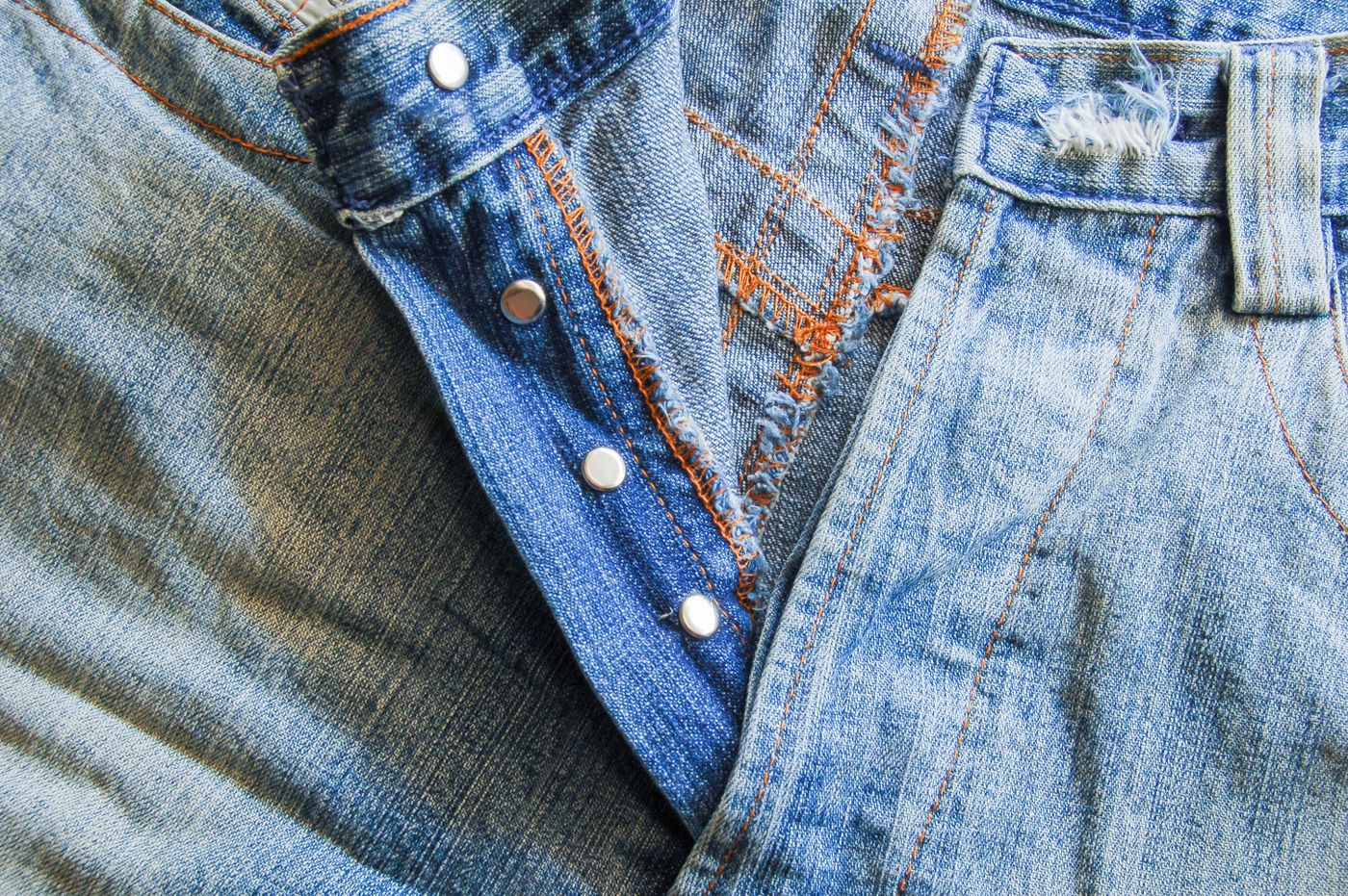
Foto: Srattha Nualsate · Pexels
Pay attention to the details. The stitching should be tight and even. The rivets should be solid, not flimsy. If the label is intact, check the origin. Japanese and American denim from that era are particularly prized. Also, don't be afraid to smell the fabric. Musty odor can be removed, but a strong chemical smell might indicate poor treatment.
Icons of the Era: Levi's and Lee
One iconic name to keep in mind is Levi's. But not just any Levi's. Look for the 501s from the 1960s. These had a button fly and a straight leg. They were worn by everyone from factory workers to rock stars. In the late 60s, Levi's introduced the orange tab line, which had a slightly tapered fit. These are rarer and highly sought after. If you find a pair with the red line selvedge, you've hit the jackpot. That's the mark of quality that's hard to find today.

I remember a pair I found in a flea market in Kreuzberg. They were 1967 501s, with a perfect fade pattern that suggested years of cycling. The owner asked for €80. I didn't haggle. They're now my go-to for nights out. The fabric is thick, the button fly is a conversation starter, and the whiskering at the hips is something no new pair can replicate.
Another name that echoes through Berlin's denim scene is Lee. Their 101 jeans from the 1940s are a classic. They had a unique cinch back and a higher rise. They were made for cowboys, but they fit perfectly with Berlin's rugged edge. The 40s were a time of rationing, so these jeans were made with a mix of cotton and synthetic fibers. They're not as durable as pure cotton, but they have a unique texture that's unmistakable.
Styling: Let the Denim Speak
When it comes to styling, vintage denim is versatile. For a casual day in Berlin, pair your jeans with a simple white t-shirt and a leather jacket. Add a pair of worn-in boots, and you're ready to hit the streets. For a more polished look, try a vintage denim jacket over a dress or a blouse. The key is to let the denim be the star. Don't overthink it. Let the natural wear and tear do the talking.
I often wear my 501s with a black turtleneck and a pair of Dr. Martens. It's a look that works from a gallery opening in Mitte to a punk show in a basement in Friedrichshain. The jeans carry the history, and I just provide the present.
If you're new to vintage denim, start with a classic wash. Mid-blue with minimal fading is easiest to match. Avoid overly distressed pieces unless you're confident in your styling skills. And always try before you buy. Vintage sizing is notoriously inconsistent. A size 32 from the 70s might fit like a modern 30. Bring a measuring tape if you have to.
Caring for Your Find
Once you've found your perfect pair, treat them right. Don't wash them too often. Denim experts recommend washing every six months or so, and always in cold water. Hang them to dry, never in the dryer. If they need repairs, find a good tailor. In Berlin, there's a shop called Denim Doctor on Oranienstraße that specializes in vintage denim repair. They'll patch, re-stitch, and even re-weave. It's worth the investment.
The History Woven In
In Berlin, vintage denim is more than a fashion choice. It's a nod to the past, a connection to the city's gritty resilience. The jeans that survived the Wall, the protests, the re-unification, they carry those stories. When you wear them, you're not just making a style statement. You're honoring the people who wore them before you.
So next time you're out exploring, keep an eye out for that perfect pair. It's not just about the fabric. It's about the stories they carry. And in Berlin, there's no shortage of stories.
The names
The designers behind the look
The minds behind this story — each with a piece currently on the market.
Levi's
USA · 1850s
The 501 & Americana denim
The 501 & Americana denim
Børge Mogensen
Denmark · 1940s
The Spanish chair — honest, functional furniture for everyday life.
The Spanish chair — honest, functional furniture for everyday life.
Chanel
France · 1910s
The little black dress & the 2.55
The little black dress & the 2.55
Top piece
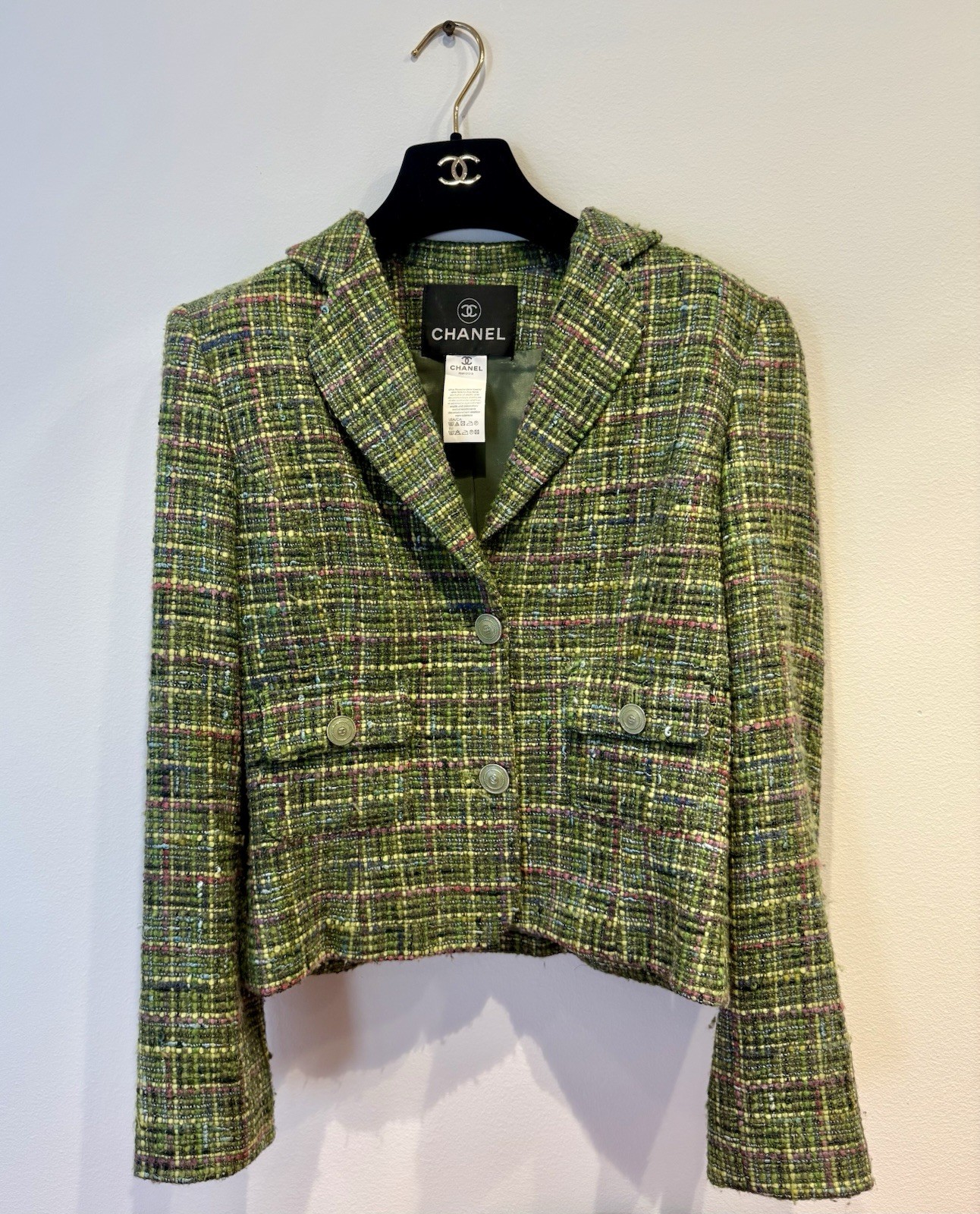
View →
Comme des Garçons
Japan · 1960s
Deconstruction & anti-fashion
Deconstruction & anti-fashion
Continue the edit
Further stories from the same world
Three more walks through the same vintage universe.

The Vintage Designer Bag You'll Actually Wear
A Fendi Baguette from 1999, a Versace Medusa clutch from 1992, a Chanel quilted lambskin from 1985. These are clothes, not investments. Here is how to wear them without looking like a museum docent, and what to check before you hand over your card.
Read the story →The Art of the Carry: Wearing Vintage Designer Bags
Vintage designer bags are not relics. They are the original statement pieces, waiting for a modern hand. Here's how to wear them with intent, buy them with confidence, and know the stories they carry.
Read →
The Art of Wearing Vintage Band T-Shirts
A guide to styling, sourcing, and understanding vintage band tees, for the wearer who values history and fit over hype.
Read →