
 Sign in
✦ Culture · Berlin
Berlin's Vintage Bride: Dressing for Forever in Flea Markets and Ateliers
Sunday morning at Mauerpark: the air smells of currywurst and old paper. A bride-to-be digs through a bin of lace, her hands moving like a pianist's.
 By Louis Trash·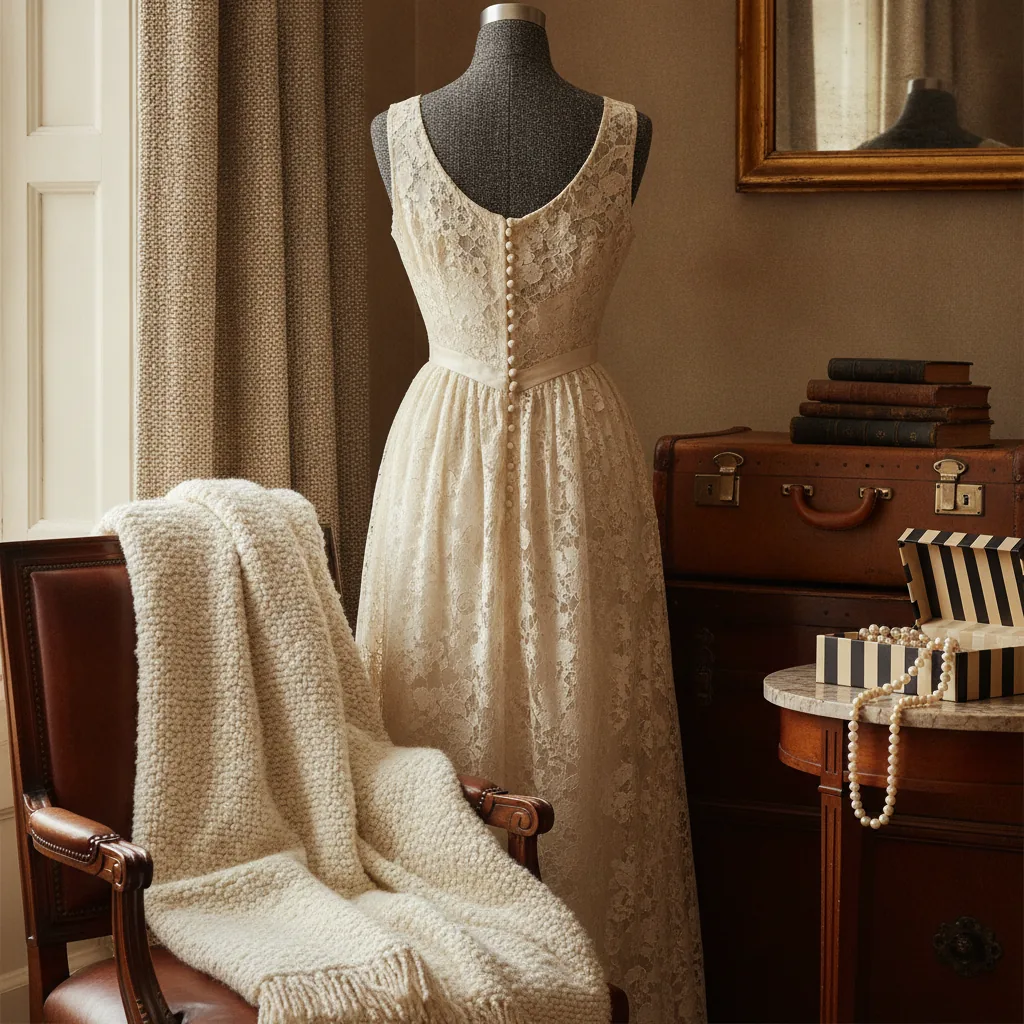
Berlin's Vintage Bride: Dressing for Forever in Flea Markets and Ateliers
Sunday morning at Mauerpark: the air smells of currywurst and old paper. A bride-to-be digs through a bin of lace, her hands moving like a pianist's. She pulls out a 1940s crepe dress, stained under the arms, pearl buttons missing. She holds it up to the light and smiles. This is Berlin's bridal scene: a treasure hunt where the prize has lived before, not a pristine boutique. Here's how to find a gown with history and make it yours.
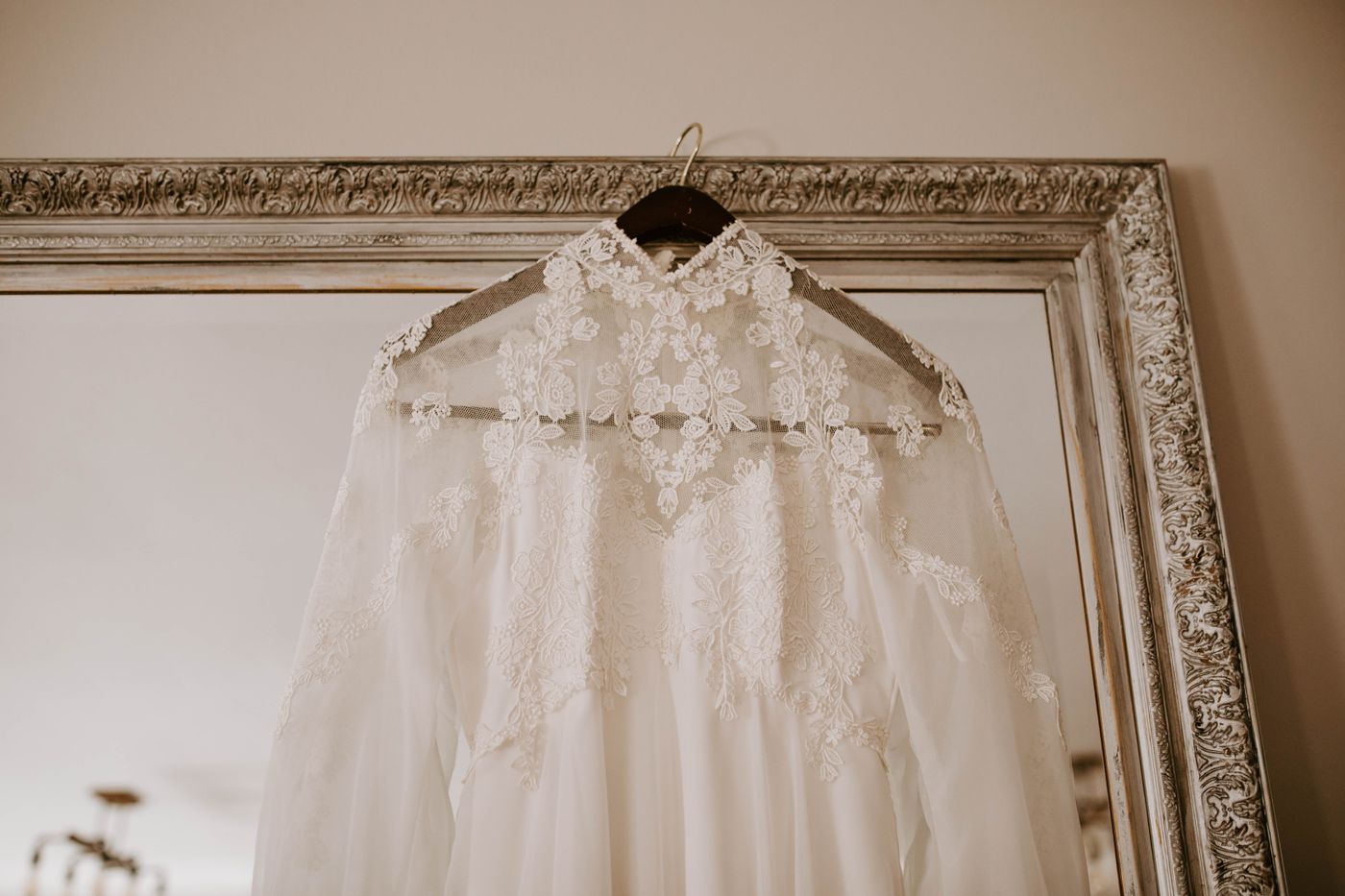
Foto: Tara Winstead · Pexels
The Fabric of History
Start with the fabric. Pre-1960s dresses are often silk or rayon, which drapes beautifully but frays easily. Run your fingers along the seams. Check for stains and tears, especially under the arms and at the hem. A little wear is fine, but you want something a seamstress can work with. Look at the construction: hand-sewn details, metal zippers, and boning in the bodice are signs of quality. Don't be afraid of yellowing. A specialist cleaner can bring ivory back to life. I once saw a 1930s bias-cut gown in Schöneberg that looked like a tea-stained rag. After a week at a restoration atelier, it was a shimmering column of satin.
The silhouette matters. The 1920s offer drop-waist beaded sheaths, perfect for a civil ceremony at Standesamt Mitte. I tried one on once, and the beads felt like tiny weights pulling me into another era. The 1930s bring bias-cut slips that move with you on the dance floor. For a classic look, find a 1950s tea-length dress with a full skirt, ideal for a garden party in Tiergarten. Each decade has its own language. Learn to read it.
Berlin Style: Not a Costume
Berlin brides are not shy. They mix vintage with modern, pairing a 1960s shift with chunky boots or a leather jacket. The key is to make the dress feel like you. In this city, a vintage gown is a personal statement, not a costume. I know a bride who wore a 1970s floral maxi dress with a red leather jacket and Doc Martens. She looked like she'd stepped out of a punk rock fairy tale. That's Berlin.
Start at Mauerpark on Sundays. Get there early, before the crowds. The best pieces go fast. I once found a 1940s crepe dress under a pile of vinyl records for 40 euros. The seller didn't know what she had. I didn't tell her. Or visit the small second-hand shops along Kastanienallee. The owners there know the story behind each piece. One shopkeeper in Prenzlauer Berg told me about a 1960s Givenchy dress that had belonged to a dancer at the Komische Oper. She sold it to a bride who wore it with a birdcage veil and Converse sneakers.
A Dress with a Story
One memorable find was a 1968 Yves Saint Laurent cocktail dress, not a traditional bridal gown, but a cream wool mini dress with a subtle A-line. The bride wore it with a birdcage veil and Converse sneakers, and it was the most 'Berlin' wedding imaginable. Another time, a bride found a 1930s bias-cut satin gown in a shop in Schöneberg. The label was from a Berlin couture house that had been closed for decades. She had the dress restored and wore it with a single string of pearls, a nod to the city's elegant past.
The stories are part of the appeal. Each dress has a history, sometimes documented, sometimes not. I bought a 1950s tea-length dress with a full skirt from a woman in Kreuzberg who claimed it was her mother's, worn at a wedding in West Berlin in 1954. The label said "House of Dior, Paris." I never verified it, but the story felt true. That's the magic of vintage: you become the next chapter.
The Buying Guide: What to Pay and Where
Prices range from 20 euros at flea markets to 500 euros at curated ateliers. At Mauerpark, you can find decent dresses for under 100 euros, but be prepared to dig. At boutiques like Made in Berlin on Torstraße, expect to pay 200-400 euros for a dress that's been cleaned and repaired. Check the condition carefully. A torn seam is an easy fix; a missing zipper is not. Look for metal zippers, which are a sign of age and quality. Plastic zippers from the 1960s can be replaced, but it's extra cost.
Beware of too-good-to-be-true deals. A 1930s silk dress for 20 euros might be a replica. Ask the seller about the label and provenance. If they don't know, that's fine, but inspect the stitching. Real vintage has a certain irregularity, a human touch. Machine-made reproductions are too perfect.
Making It Yours: The Tailor's Touch
Once you have your dress, think about alterations. A good tailor can adjust the fit, but don't overdo it. Preserve the original details. Add a colorful sash, a vintage brooch, or a fur stole if it's winter. I know a bride who added a blue velvet ribbon to a 1940s dress, and it looked like it was always meant to be there. Another added a modern petticoat to give a 1950s skirt more volume. The key is to enhance, not erase.
Find a tailor who understands vintage. Ask at the ateliers in Prenzlauer Berg or Schöneberg. A good one will charge 150-300 euros for a full alteration. They'll know how to handle delicate fabrics and preserve original seams. I once had a tailor tell me, "Don't let me change the character. I only let the dress breathe." That's the philosophy.
The Final Walk
On your wedding day, the dress will carry you. It will whisper stories of other weddings, other dances, other tears. And then it will carry yours. In Berlin, vintage is about living with style and a sense of history, not nostalgia. So take your time. Wander the markets, feel the fabrics, and listen to the whispers of the past. Your vintage wedding dress is out there, waiting for its next chapter. It might be under a pile of vinyl, or hanging in a tiny shop on Kastanienallee. But it's there. And when you find it, you won't just look beautiful. You'll be part of a story that started long before you, and will continue long after.
 ✦ The Edit
One to watch
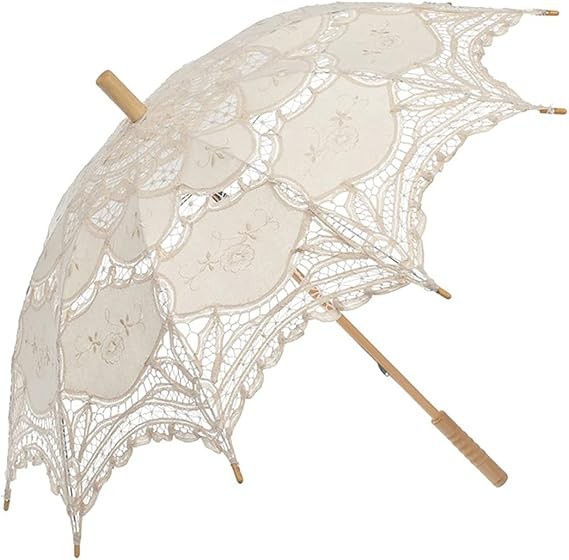
Ivory Lace Parasol Umbrella Vintage Wedding Bridal
A gown like this is the fastest way to add a little history to anything you own. This honestly worn gown in ivory is the kind of piece that tells a story before you have said a word. A piece like this is not really bought, it is kept.
On the market now
The names
Meet the designers
The minds behind this story — each with a piece currently on the market.
Dior
France · 1940s
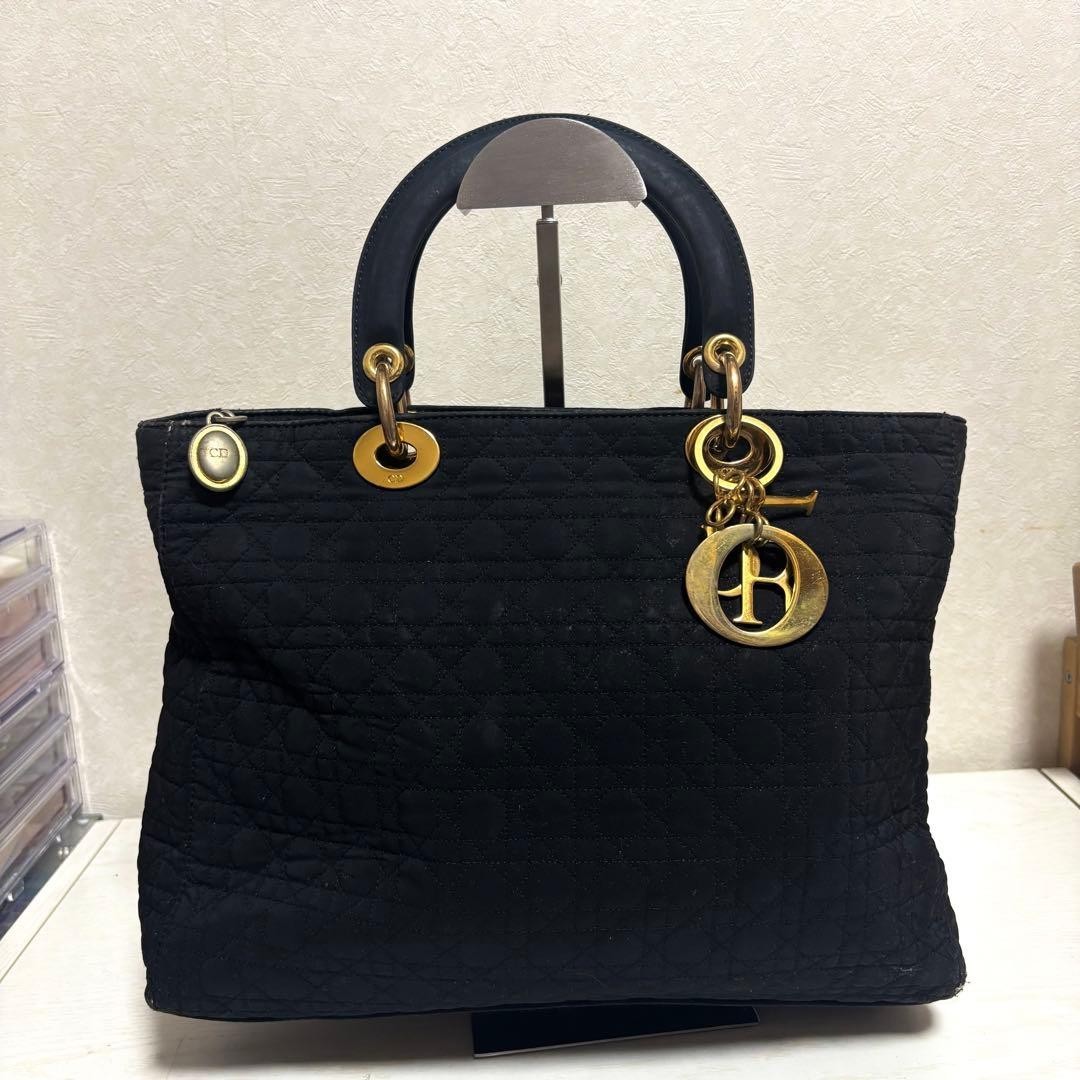
The New Look & the Lady Dior
The New Look & the Lady Dior
Top piece
View →
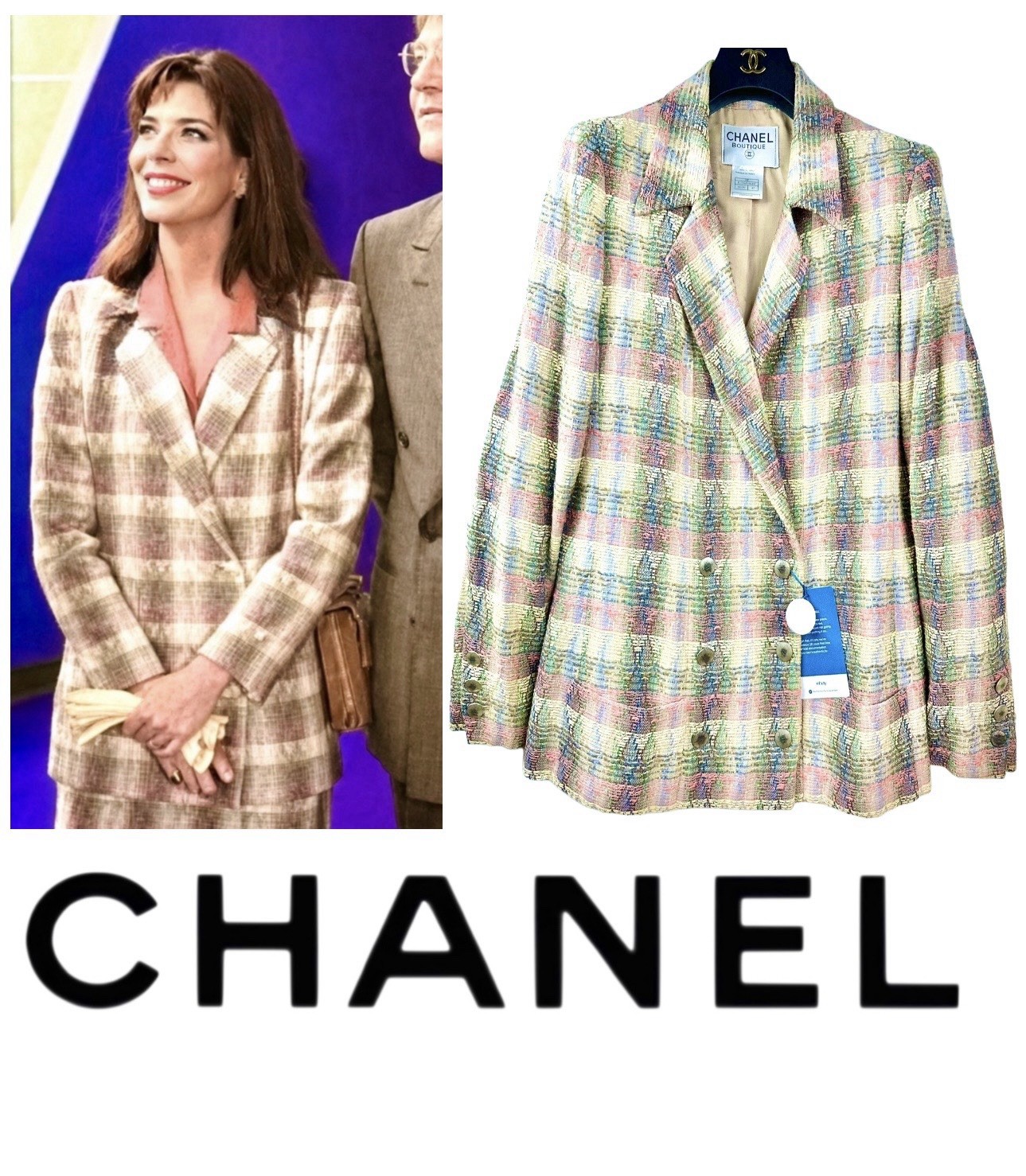
Chanel
France · 1910s
The little black dress & the 2.55
The little black dress & the 2.55
Top piece
View →
Nike
USA · 1960s
Air Max & the Swoosh
Air Max & the Swoosh
Top piece
View →
YSL
France · 1960s
Le Smoking & rock-chic tailoring
Le Smoking & rock-chic tailoring
Continue the edit
Further stories from the same world
Three more walks through the same vintage universe.

The Vintage Designer Bag You'll Actually Wear
A Fendi Baguette from 1999, a Versace Medusa clutch from 1992, a Chanel quilted lambskin from 1985. These are clothes, not investments. Here is how to wear them without looking like a museum docent, and what to check before you hand over your card.
Read the story →The Art of the Carry: Wearing Vintage Designer Bags
Vintage designer bags are not relics. They are the original statement pieces, waiting for a modern hand. Here's how to wear them with intent, buy them with confidence, and know the stories they carry.
Read →
The Art of Wearing Vintage Band T-Shirts
A guide to styling, sourcing, and understanding vintage band tees, for the wearer who values history and fit over hype.
Read →